Latest Briefings
Recent reporting, explainers, profiles, and archival context from the editorial desk.
The briefing archive brings together reporting, explainers, profiles, source reviews, and historical context. Each briefing is an editorial work: it should identify who made a claim, link to the closest available records, distinguish observation from explanation, and say when the public evidence cannot support a firm conclusion.
What a briefing covers
Briefings may examine a reported encounter, an official investigation, a hearing or legislative proposal, a public figure’s documented statements, a released image or dataset, or the history of a recurring claim. The archive includes both unresolved cases and claims for which ordinary explanations, contradictory evidence, or provenance problems are material. Inclusion is not endorsement, and the words unidentified or declassified do not establish origin.
How the archive is organized
Cards are presented by the site’s publication timestamp, with newer publications first, and the archive continues across numbered pages. That order is editorial chronology, not event chronology: an article published recently may concern a decades-old record. The date on a card is the publication date. A briefing can later be corrected or expanded, so use the updated date on the article itself when deciding which version you read. Pagination should preserve its own canonical URL; this full introduction belongs on page one, while later pages should use a short archive label rather than repeat the entire block.
Sources and uncertainty
Start with the links inside a briefing, not its headline alone. The site prefers legislation, hearing records, agency publications, archival files, court records, datasets, original media, and full on-record statements. A government file can document that an allegation was received without validating it. A witness can accurately describe an experience while the cause remains uncertain. The Editorial Policy explains the standards for attribution, headlines, corrections, automation, and conflicts.
Other ways to explore
Use the chronological timeline to move by event date, the Topic Clusters directory to follow a durable theme across years, and the Primary Sources desk to find official repositories and original records. When a single statement is driving your search, work through the claim-evaluation guide before comparing briefings. These routes narrow the question without implying that an archive card, category, or unresolved label settles it.
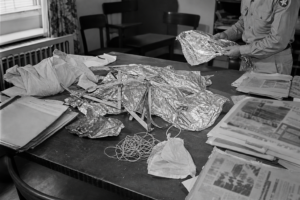
Roswell (1947): Contemporary Records, Later Testimony, and the Claims Added Over Time
Explore the Roswell incident 1947 through public records, from the flying disc press release to Project Mogul and later alien claims.
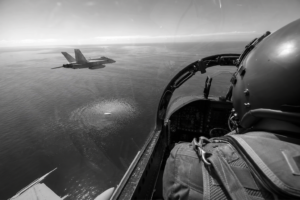
Commander David Fravor Details 2004 USS Nimitz ‘Tic Tac’ Encounter During Training Workups
Explore Commander David Fravor Tic Tac encounter, the 2004 Nimitz incident, corroborating evidence, and what remains unresolved.

Ariel School (1994): What Witnesses Reported, How Interviews Evolved, and What Remains Unverified
Examine the Ariel School UFO incident: compare 1994 witness accounts with later memories, sources, and the limits of eyewitness testimony.
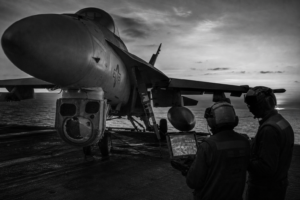
DoD Releases Declassified 2020 Navy UAP Videos FLIR, GIMBAL, GOFAST Confirmed Authentic
Learn what the DoD released Navy UAP videos reveal about FLIR, GIMBAL and GOFAST, the 2020 timeline, and what remains unidentified.
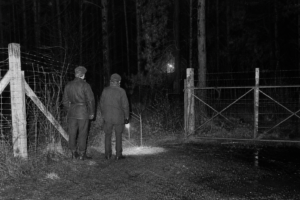
Rendlesham Forest (1980): The UK’s ‘Roswell’, Primary Documents vs the Legend
Examine the Rendlesham Forest incident through primary files, the Halt tape and witness accounts, separating documented facts from the UK Roswell legend.
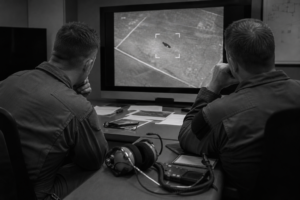
ODNI Preliminary Assessment on UAPs: 144 Military Reports Mostly Unexplained (2021)
Explore the ODNI UAP preliminary assessment 2021: why 143 military reports remained unresolved, its data gaps, and security implications.
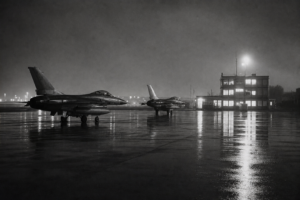
Belgian Wave (1989–1990): What the Records Say, What the Radar Claims Were, and Where Certainty Ends
Examine the Belgian Wave through police reports, F-16 radar claims and witness evidence, separating documented facts from unresolved questions.
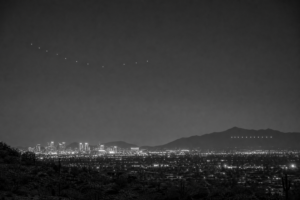
Phoenix Lights (1997): Two Events, Competing Explanations, and How They Became One Story
Phoenix Lights 1997: separate the moving formation from later flare-like lights, examine evidence, and learn how two events became one UFO story.
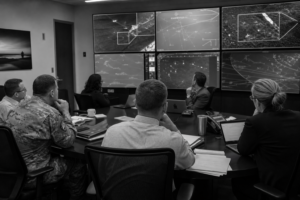
DoD Establishes All-domain Anomaly Resolution Office (AARO) to Coordinate UAP Efforts in 2022
Learn why the Pentagon established AARO UAP in 2022, its all-domain mission, how it replaced earlier programs, and what it did not...
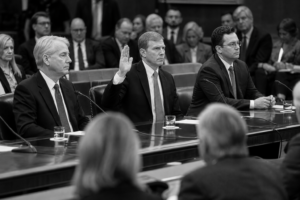
David Grusch Allegations That U.S. Hid UAP Programs, Crash Retrievals, and Non-Human Biologics in 2023
Explore David Grusch allegations 2023, his UAP testimony, crash retrieval claims and non-human biologics, separating evidence from allegations.