David Grusch Allegations That U.S. Hid UAP Programs, Crash Retrievals, and Non-Human Biologics in 2023
Explore David Grusch allegations 2023, his UAP testimony, crash retrieval claims and non-human biologics, separating evidence from allegations.
In 2023, David Grusch’s allegations moved the UAP disclosure debate from reports of unexplained sightings to claims of a concealed government-and-contractor system holding recovered craft, pursuing reverse engineering, and retaining purported “non-human biologics.” The scale of those assertions, and Grusch’s intelligence background, made them a major public and congressional story.
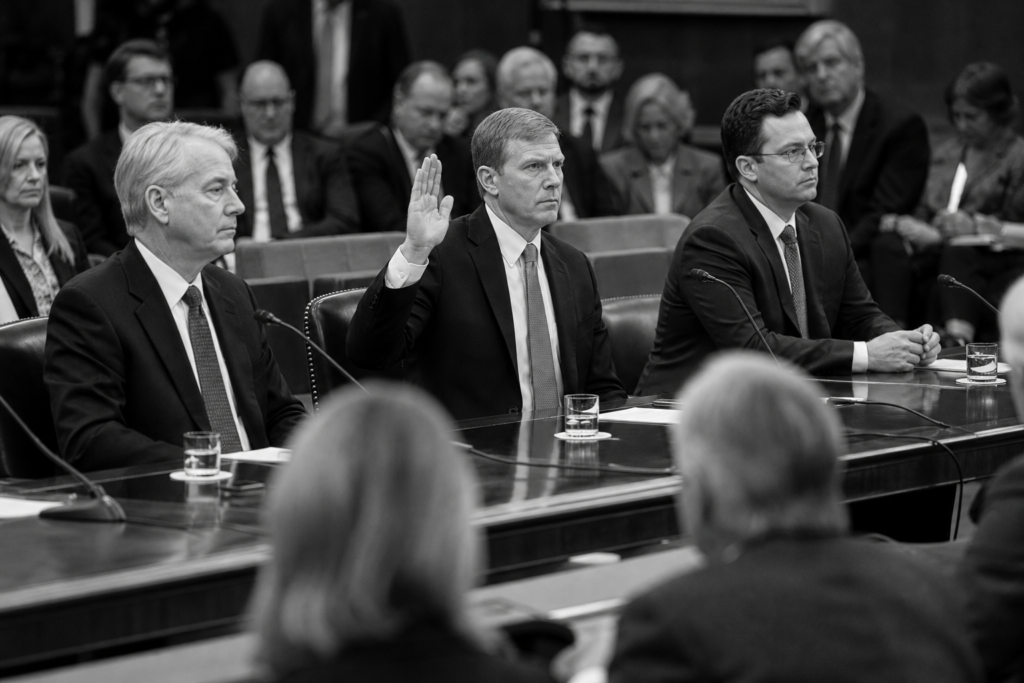
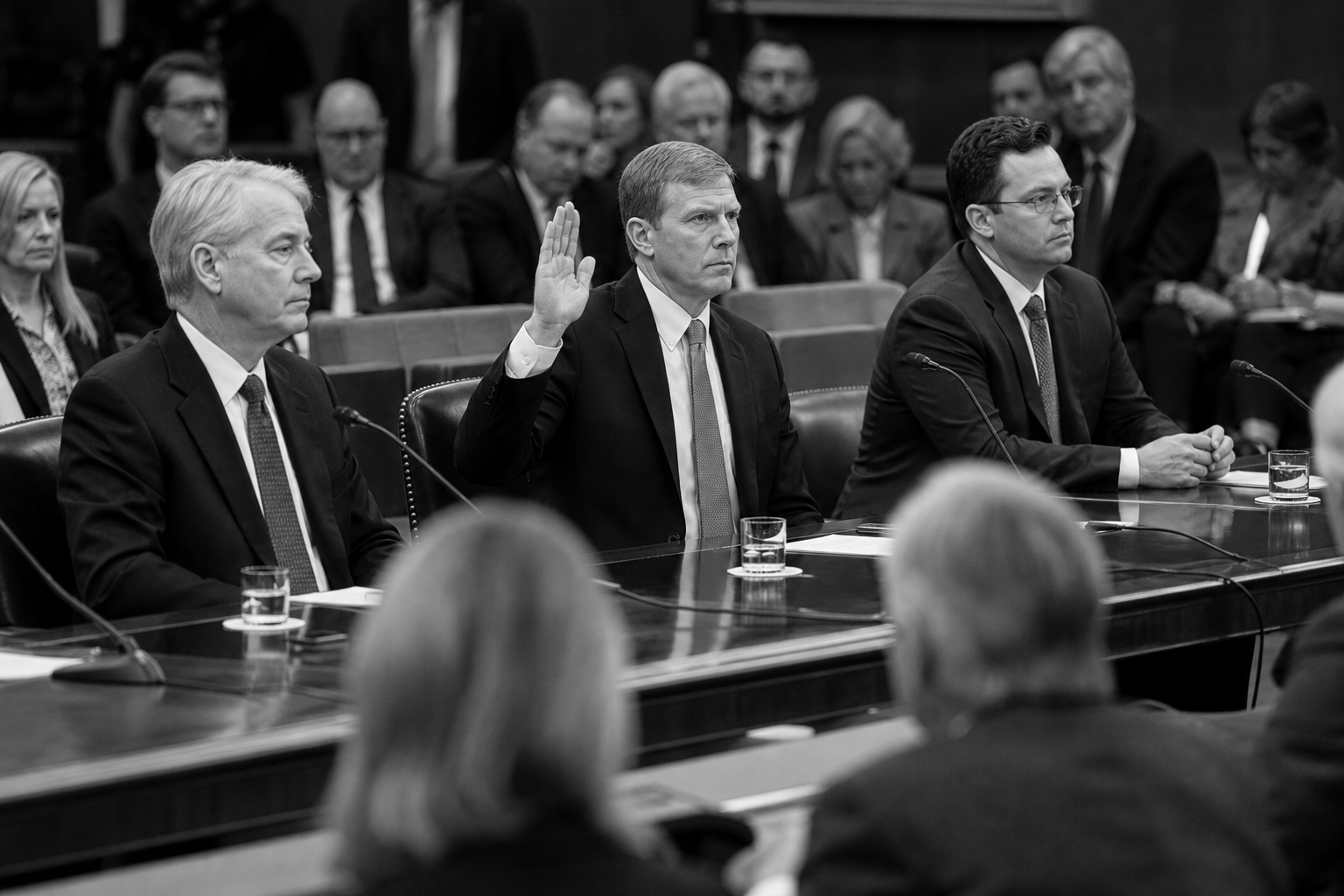
Precision matters. Grusch repeated key allegations under oath at the House Oversight subcommittee hearing on July 26, 2023, but sworn testimony establishes what a witness said and accepts legal responsibility for saying it; it does not independently prove every underlying claim. In his public account, Grusch distinguished information he had personally handled from accounts and material he said were provided by other officials and sources.
This examination follows that distinction throughout. It considers Grusch’s roles and complaint, the specific alleged hidden programs and recovery efforts, his answer concerning biologics, and the congressional record. It also weighs the Pentagon’s and the All-domain Anomaly Resolution Office’s public responses, including AARO’s finding that its reviewed record contained no verifiable evidence of extraterrestrial technology or a concealed reverse-engineering program. No publicly released evidence has established the alleged crash-retrieval program or non-human biologics as fact.
What David Grusch Alleged in 2023, and What This Article Can Verify
Grusch’s claims became a focal point because they were presented in prominent public venues rather than remaining private whistleblower assertions. In a June 2023 interview with NewsNation, he alleged that U.S. government elements and defense contractors had operated a decades-long effort to retrieve UAP material and attempt to reverse-engineer it outside appropriate congressional oversight.
At a July 26, 2023 House Oversight subcommittee hearing, Grusch repeated core portions of that account under oath. He also answered that he had been told of “non-human biologics” associated with alleged recoveries. That phrasing matters: it was Grusch’s reported answer about information he said came from people with direct knowledge, not a biological sample, laboratory result, or physical artifact made public for independent examination.
The David Grusch allegations 2023 therefore establish several public-record facts: he made the claims, identified an alleged hidden program involving governmental and contractor activity, and testified before Congress. They do not establish that the alleged program existed, that recovered craft were extraterrestrial, or that purported biologics were non-human intelligence.
This article treats a firsthand observation, a relayed account, sworn testimony, and independently available evidence as different evidentiary categories. The distinction is essential to understanding both the force of Grusch’s intervention in UAP disclosure debates and the limits of what the public record can presently support.
Grusch’s Role, Whistleblower Complaint, and the Limits of His Source Basis
Grusch’s professional record explains why lawmakers and journalists took his account seriously, but it does not independently prove the underlying allegations. He was an Air Force officer and intelligence official who worked with the National Geospatial-Intelligence Agency and the National Reconnaissance Office; he also said he served on the Defense Department’s UAP Task Force and later helped lead UAP analysis for the NRO.
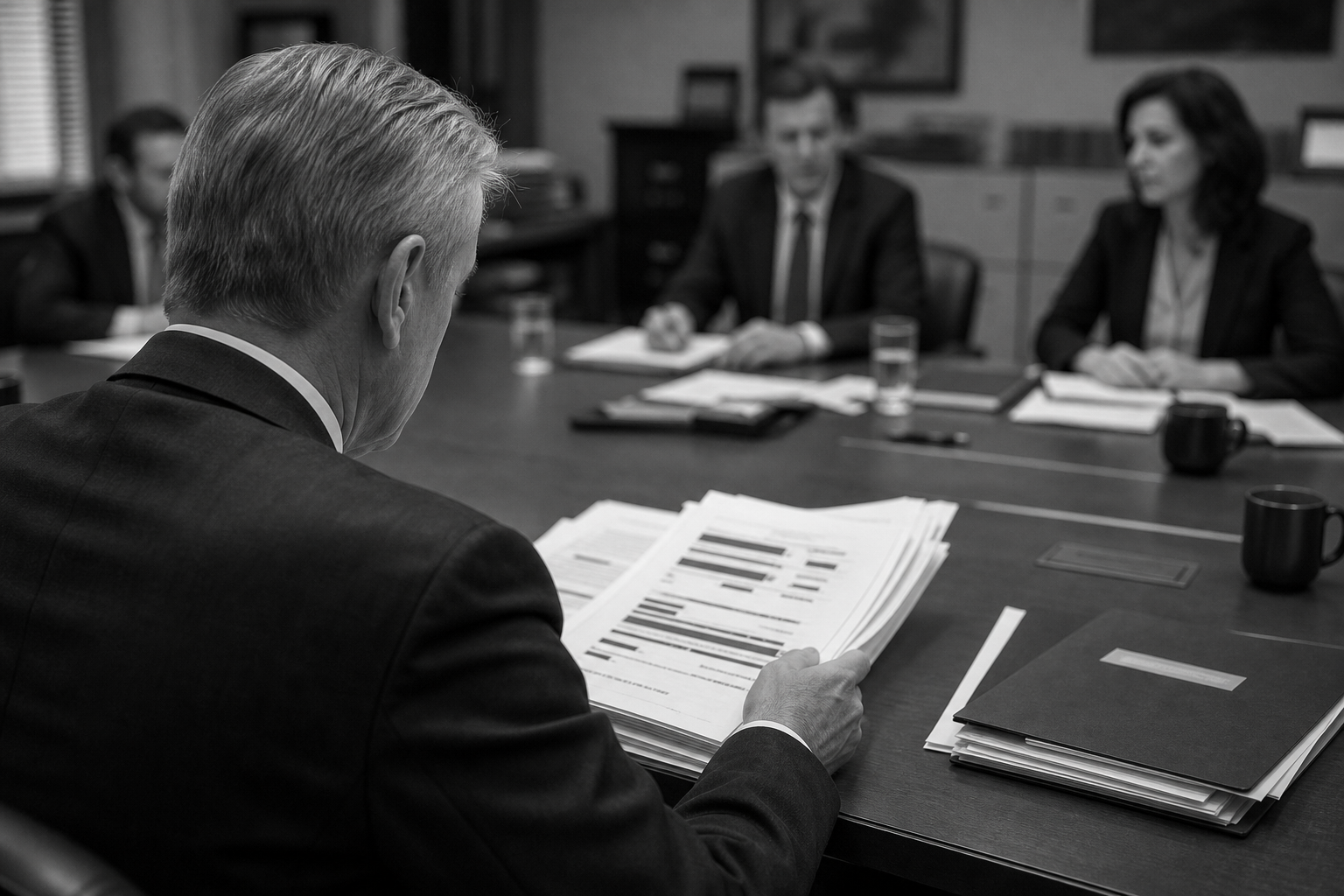
In 2022, Grusch filed a whistleblower complaint with the Intelligence Community Inspector General that concerned what he characterized as retaliation for reporting information through authorized channels. Public statements by his attorneys and members of Congress described the matter as involving alleged reprisals and the handling of UAP-related information. That complaint process addressed whether he could safely bring concerns forward; it was not a public Inspector General finding that a crash-retrieval or reverse-engineering program existed.
The most important limit is the source basis of the David Grusch whistleblower allegations. In his June 2023 NewsNation interview and in his July House testimony, Grusch described gathering information through interviews with people he regarded as knowledgeable officials. He did not publicly claim firsthand knowledge from personally seeing a recovered craft, examining alleged biologics, or participating in a recovery operation.
That difference is concrete rather than semantic. Firsthand knowledge would mean Grusch himself observed or handled the asserted material; secondhand sources mean he reported what other people told him, even if they claimed direct involvement. His intelligence roles and sworn testimony give his account institutional context and impose a serious responsibility for accuracy. They do not substitute for publicly testable physical evidence, named on-the-record witnesses with direct access, or records establishing the alleged programs.
The Alleged Hidden UAP Programs: Crash Retrievals and Reverse Engineering
At the center of Grusch’s account was an alleged compartmented system: a long-running crash-retrieval and reverse-engineering program in which recovered UAP material was collected, studied, and kept from ordinary oversight. In his June 2023 NewsNation interview, he described the effort as spanning decades and involving both government entities and defense contractors.
“Crash retrieval” in this allegation meant recovering material from purportedly downed or landed anomalous craft. “Reverse engineering” meant attempting to determine how that material worked and to reproduce useful capabilities. Grusch did not publicly identify a specific recovered object or demonstrate a technical result from such work. Instead, he said people with relevant access had told him the United States possessed material they believed was of non-human origin.
His concealment allegation had several parts. He said highly restricted classification compartments could limit which officials were read into an activity; contractor custody could further separate material and research from routine government visibility; and funding could be obscured through arrangements not apparent to the congressional committees meant to oversee intelligence and defense activity. Those were assertions about how the alleged system operated, not publicly released proof that it did.
During the July 26, 2023 House Oversight subcommittee hearing, Grusch testified under oath that he had been informed of a multi-decade UAP crash-retrieval and reverse-engineering program and that information had been withheld from Congress. He also indicated that he had provided names and locations in classified settings. That distinction matters: the public hearing preserved his allegation, while the purported supporting detail remained outside the public record.
As presented publicly in 2023, the David Grusch crash retrieval claims did not include a physical sample, photographs authenticated as recovered material, a named program record, a contract establishing the work, or public documentation tracing its funding. The allegations therefore describe a claimed hidden structure and its purported safeguards; they do not, on the released record, establish that the structure or its claimed material existed.
What Grusch Said About “Non-Human Biologics”
The pivotal wording came during Representative Nancy Mace’s questioning at the July 26, 2023 House Oversight subcommittee hearing. Asked whether recovered craft had included “bodies,” Grusch replied, “Biologics came with some of these recoveries, yeah.” When Mace asked whether those biologics were human or non-human, he answered, “Non-human,” adding that this was “the assessment of people with direct knowledge on the program.”
That exchange makes the David Grusch non-human biologics claim a reported assessment, not a public scientific finding. Grusch did not say he had personally examined a body or biological sample. He publicly offered no specimen, pathology or laboratory result, provenance record, chain of custody, or forensic analysis by which outside researchers could identify the material or establish where it came from.
“Non-human” is also narrower than “extraterrestrial.” Biological material could be described as non-human without resolving its species, origin, condition, or connection to a craft; it does not, on its own, demonstrate alien life or non-human intelligence. The strong version of the claim would require independently assessable physical evidence and methods capable of ruling out ordinary terrestrial explanations. No public official finding established that such biologics existed or confirmed an extraterrestrial origin. Grusch’s sworn answer records what he said he had been told, while leaving the underlying evidence outside the public record.
The July 26 House Hearing: What Was Said Under Oath
Before questioning began, the chair administered an oath to all three witnesses: former Navy pilots Ryan Graves and David Fravor, and former intelligence officer David Grusch. The proceeding placed their accounts in the congressional record, but each witness addressed a different subject and drew on a different kind of knowledge.
Graves testified about military aviators’ reports of recurring unexplained objects during training operations. Fravor recounted his own 2004 encounter with the object commonly called the “Tic Tac” during the Nimitz incident. Their testimony concerned observed UAP encounters and the reporting culture surrounding them. Neither pilot offered evidence of participation in, or direct knowledge of, the alleged recovery or reverse-engineering programs described by Grusch.
Grusch’s answers instead concerned alleged concealed programs and the constraints of classified information. Members asked whether the United States possessed recovered craft, whether recoveries included biologics, whether he had experienced retaliation or threats, and whether Congress had been denied appropriate oversight. He distinguished between material he had personally handled and information relayed by people he described as having direct knowledge. That distinction is central to the July 2023 House hearing testimony: it brought serious allegations before Congress under oath while identifying much of their public basis as secondhand.
An oath makes a witness’s account a formal representation to lawmakers rather than an informal interview claim, increasing the consequences of knowingly false testimony. It does not authenticate alleged craft, programs, or biologics by itself. The hearing established that Grusch made these assertions under oath and that members considered the oversight questions worth pursuing; it did not publicly settle the underlying factual dispute.
Pentagon, AARO, and Other Official Responses
Publicly, the Department of Defense did not endorse Grusch’s account. In a June 2023 statement, spokesperson Susan Gough said the All-domain Anomaly Resolution Office had found no verifiable information substantiating claims that any past or current program possessed or reverse-engineered extraterrestrial materials. That was a direct response to the program allegation, not a finding that every military UAP report had an ordinary explanation.
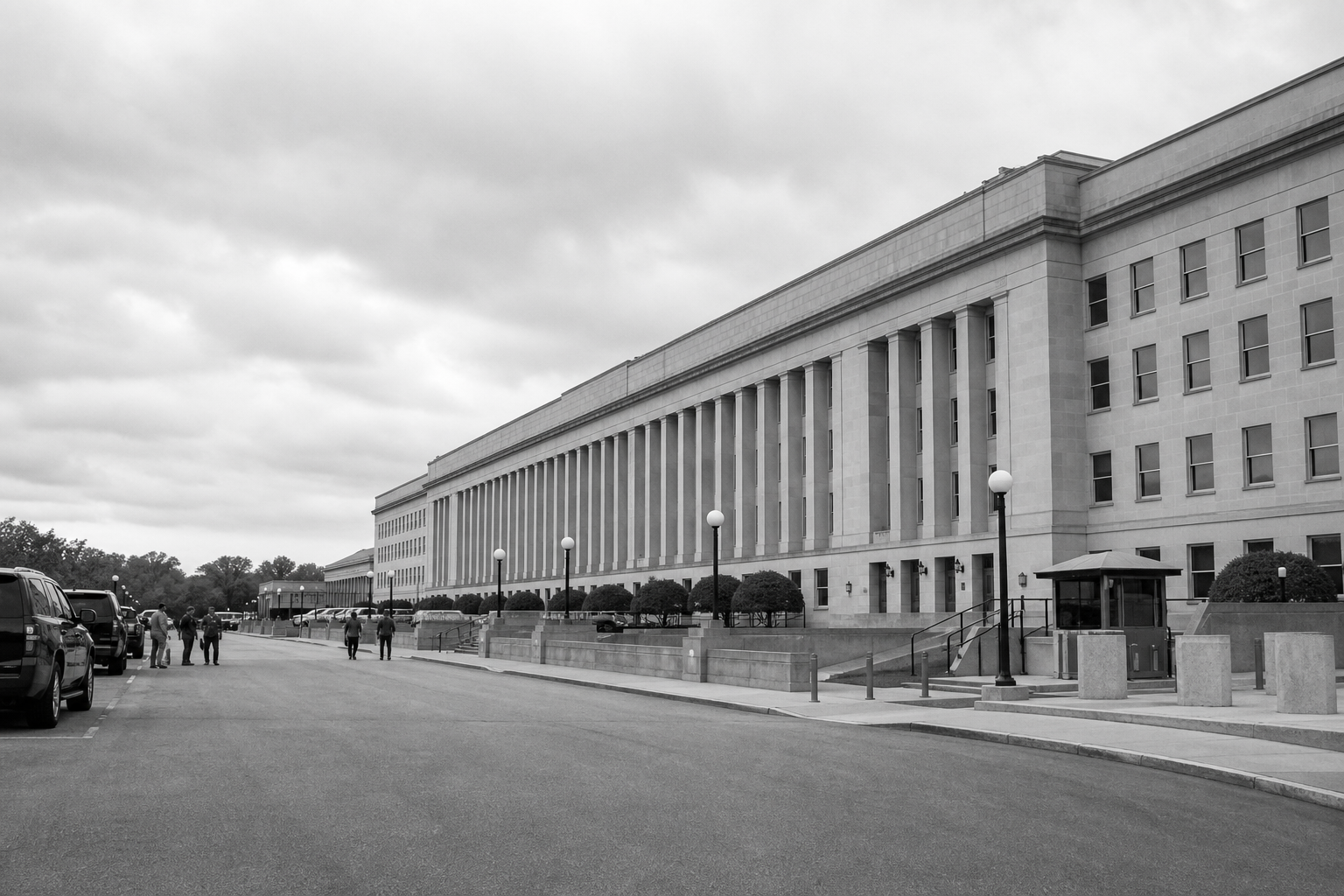
AARO is the Defense Department office created to receive, analyze, and resolve reports of unidentified anomalous phenomena across air, sea, space, and other domains. Its role matters here because it was tasked both with present-day UAP reporting and with examining historical assertions about secret government activity. Its public position was that the materials it reviewed did not verify a hidden extraterrestrial-technology or reverse-engineering enterprise.
In March 2024, after the July 2023 hearing, AARO’s first Report on the Historical Record and its findings on alleged special-access programs said its review of government records, classified and unclassified repositories, interviews, and past U.S. investigations found no verifiable evidence that the U.S. government or private industry had access to extraterrestrial technology. It also concluded that several alleged secret programs reflected misidentified authentic national-security projects, unsupported claims, or circular reporting rather than evidence of a concealed recovery effort.
The scope qualification is important. AARO described a historical review conducted through the records, access, and interview authorities available to it; it was not a public release of every classified file held by every agency or contractor. Its conclusion is therefore substantial official contrary evidence, but it is not a publicly observable test of every assertion relayed to Grusch. Likewise, the Intelligence Community Inspector General’s publicly known handling of his reprisal complaint did not publicly establish that the alleged programs or biologics existed. No released official record has verified those central claims.
What Is Verified, What Remains Alleged, and Why the Story Mattered
The useful endpoint is an evidence ledger, not a judgment about claims whose underlying materials were not made public.
- Verified public record: Grusch held the intelligence and UAP-related roles he described publicly; reporting documented his reprisal complaint; he gave a June 2023 NewsNation interview; and he repeated key allegations under oath at the July 26 House hearing.
- Verified limit: his public account distinguished information relayed by people claiming direct involvement from his own firsthand observations. Sworn testimony records what a witness represented to Congress; it does not itself supply the underlying physical or program evidence.
- Still alleged: no publicly released evidence established the claimed crash-retrieval and reverse-engineering program or the reported non-human biologics. AARO’s public findings supplied contrary official conclusions, rather than public adjudication of every individual account.
The David Grusch allegations 2023 mattered because they concentrated UAP disclosure debate on institutional access: whether Congress could obtain classified information, whether personnel could report through protected channels, and whether UAP-related records required a more durable disclosure process. The proposed UAP records measures in 2023 reflected that demand for a structured collection and review framework. Their significance was procedural as much as evidentiary: they sharpened the question of what records and witnesses oversight bodies should be able to examine, while leaving the central allegations unresolved in the public record.
What the 2023 Grusch Claims Established, and What They Did Not
The public record supports a narrow but important conclusion: Grusch placed serious allegations before inspectors, journalists, and Congress, creating an oversight question that could not be dismissed simply because the underlying material was classified or unavailable to the public. His July 26 testimony was sworn, yet his account of the alleged recovery, reverse-engineering, and biologics activity chiefly conveyed information he said had been provided by people claiming direct involvement. That distinction affects what the hearing proved: it documented his representations to Congress, not the existence of the asserted programs.
Nor did the record released in 2023 furnish independently testable physical evidence, program files, contracts, or scientific analyses establishing recovered non-human craft or biologics. The Pentagon’s June 2023 public response said AARO had found no verifiable information supporting possession or reverse engineering of extraterrestrial material; AARO later reached a similarly negative conclusion in its historical review. Those findings did not resolve every UAP report, but they did directly conflict with the claimed hidden program.
The lasting significance lies in the standard the episode set. UAP transparency requires access to records and witnesses capable of being evaluated, while extraordinary claims require evidence that can move beyond credential, oath, and assertion. Grusch’s intervention made both demands more urgent without converting the allegations into established fact.
Frequently Asked Questions
-
What did David Grusch allege in his 2023 UAP testimony?
David Grusch alleged that U.S. government entities and defense contractors ran a decades-long, highly restricted program to recover UAP material and reverse-engineer it. He said the program had been withheld from normal congressional oversight.
-
Were David Grusch’s UAP claims made under oath?
Yes. Grusch repeated key allegations under oath before a House Oversight subcommittee on July 26, 2023. His testimony formally recorded his claims to Congress, but an oath did not independently verify the alleged programs, craft, or biologics.
-
Did David Grusch provide public evidence of a UFO crash-retrieval program?
No public physical evidence was released by Grusch to establish a crash-retrieval or reverse-engineering program. He did not publicly provide recovered material, authenticated photographs, program records, contracts, funding documentation, or technical results.
-
What did Grusch mean by non-human biologics?
During the July 26, 2023 hearing, Grusch said biologics were associated with some alleged recoveries and described them as non-human. He said this was the assessment of people with direct knowledge, not something he personally examined or supported with public laboratory results, specimens, or forensic records.
-
What evidence should people look for when evaluating Grusch’s UAP allegations?
Look for independently testable evidence such as authenticated physical samples, documented chain of custody, laboratory analyses, named firsthand witnesses, program records, contracts, and traceable funding. The Pentagon and AARO said they found no verifiable evidence that the U.S. government or private industry possessed or reverse-engineered extraterrestrial technology.