Unspecified Object Sighting Reported in Newburgh, IN on January 8, 2020
Review the Newburgh Indiana UFO sighting January 8 2020, including source records, observation details, possible explanations and corroboration.
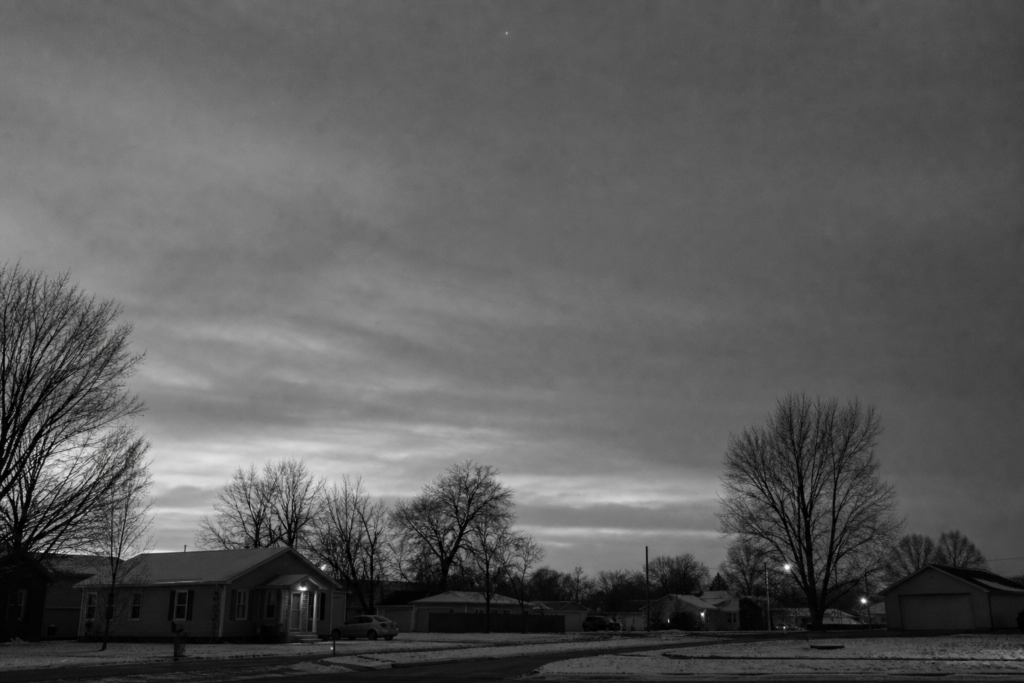
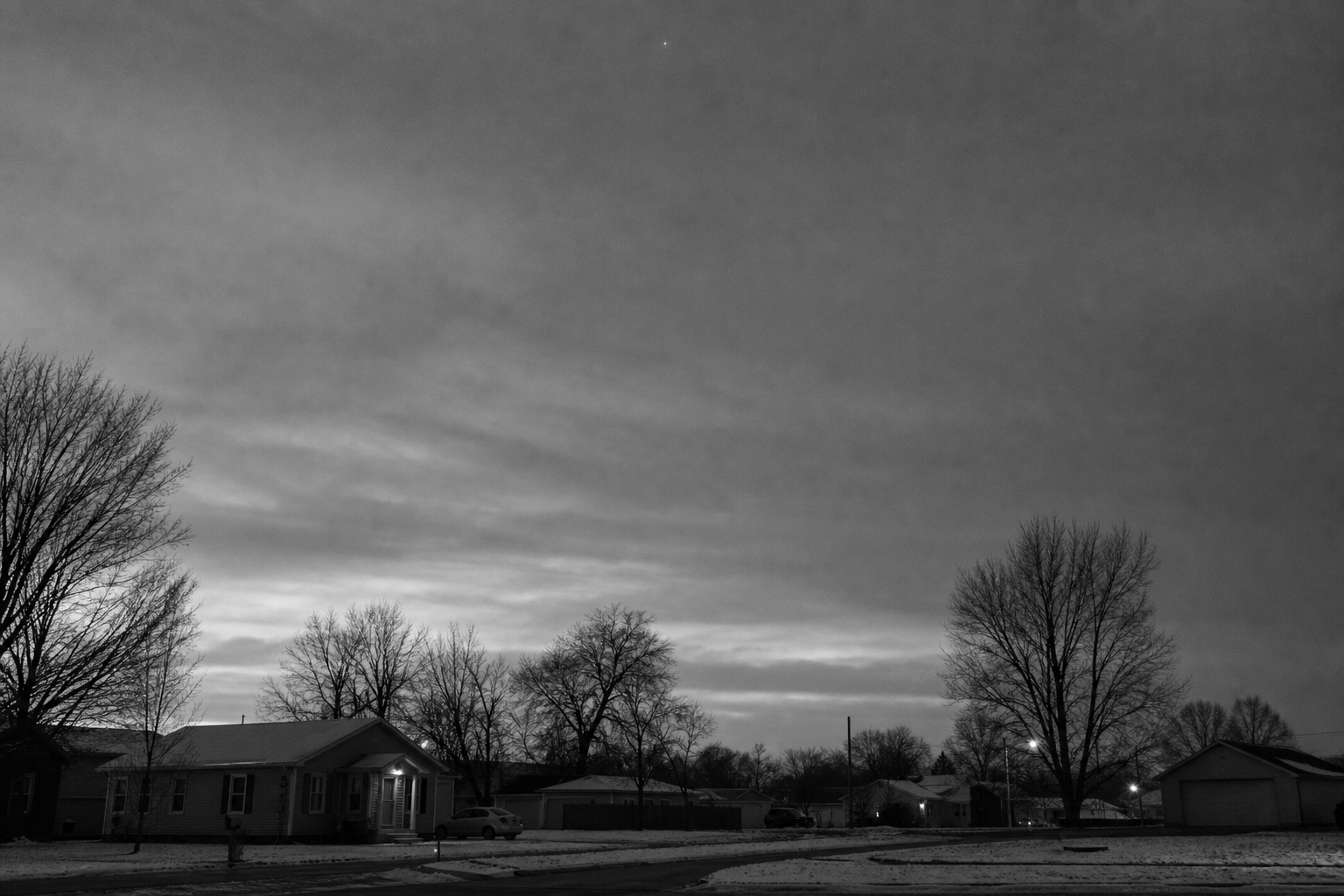
A report is evidence that someone made a claim, not that the claimed object was extraordinary. The Newburgh Indiana UFO sighting January 8 2020 is therefore treated here as an alleged observation associated with that place and date, rather than proof that an unusual craft was present. A submitted account may establish that a person reported seeing something; alone, it cannot establish what was seen, whether the account was recorded accurately, or whether anyone else observed it.
At present, no original or near-original record has been supplied for this review. That gap is consequential, not technical: without the report’s wording and basic observation details, time, direction, duration, appearance, and movement, there is no sound basis to identify an aircraft, astronomical object, drone, balloon, or other cause, or to exclude one. An unresolved identification is not evidence of a non-human craft.
The sections that follow separate any available record from editorial analysis. They assess the provenance of a discoverable entry, retain missing information rather than filling it with assumptions, and compare ordinary explanations only when the reported details allow a meaningful match. Independent witnesses, contemporaneous images with usable context, news coverage, weather observations, and flight or astronomical records count as corroboration only when they can be connected to the same observation, not simply the same town or calendar date.
What Was Reported in Newburgh on January 8, 2020
The only event-level fields available for this case are the place, Newburgh, Indiana, and the event date, January 8, 2020. No original or near-original witness narrative accompanies those markers, and the research packet’s section-specific confidence is marked “failed.” The incident therefore cannot be reconstructed beyond that place-and-date reference.
Neither a reported clock time nor the witness’s exact wording is available. There is no structured description of shape, color, lights, size, sound, or apparent motion, and no account of direction of travel, speed, altitude, change of course, or whether the object appeared stationary, continuous, or intermittent. “Unspecified” is consequently a description of the record’s limits, not a reported physical characteristic.
- The event date is January 8, 2020, but no submission date or publication date is supplied. An event date identifies when the observer said the sighting occurred; a submission or posting date would identify when that account entered a record.
- The location is limited to Newburgh, Indiana. No street, landmark, observer position, or viewing direction is available.
- No duration is recorded. The observation cannot responsibly be described as momentary, prolonged, or recurring.
- No witness count is identified. The material does not distinguish one reporting person from multiple direct observers, nor does it provide a means to separate later retellings from firsthand accounts.
On the available material, the narrowest accurate description is a witness sighting report linked to Newburgh on January 8, 2020. It records neither enough observational detail to characterize the object nor enough timing and geometry to test a particular identification.
Source Record, Provenance, and What It Can Establish
Provenance is the first limit on this case: the materials available for this review do not include a direct URL, database identifier, archived capture, publication citation, or image of an entry for the January 8 2020 UFO report Newburgh.

A public sighting database is a repository that publishes reports submitted by members of the public, sometimes with editorial formatting or categorization. Its strongest function is administrative: if an identifiable entry is available, it can show that a claim was submitted or displayed under particular date and location fields. It does not function like an instrument record, a police incident file, or an independently verified observation.
Source type changes what can responsibly be inferred. A preserved first-person submission can retain the witness’s own wording, though it still requires corroboration. An editor’s summary may omit qualifications, timestamps, or descriptive details. A repost or index page can establish only that another publisher repeated a pre-existing claim; repetition is not an additional witness account. No accessible material here permits the Newburgh entry to be assigned confidently to any of those categories.
- Good provenance signal: a stable record identifier or archived page that shows the original text, publication or submission date, and the organization hosting it.
- Weak provenance signal: a bare town-and-date listing with no link, author, capture date, or preserved narrative.
Consequently, the case file presently supports only a limited historical proposition: an observation claim has been associated with Newburgh and January 8, 2020. It does not establish who made the claim, whether a witness personally submitted it, whether an editor altered it, or whether an object matching any particular description was present. A primary entry or independent contemporaneous record would be needed to move beyond that boundary.
Timeline, Location, and Observation Conditions
The date supplies only the broadest point on a timeline. No available record gives an observation time, indicates whether any stated time was local time or included a time zone, or identifies a start and end point for the event. January 8, 2020 can therefore be treated as the reported calendar date, not as a time window precise enough to align with a flight track, satellite pass, astronomical position, or nearby weather observation.
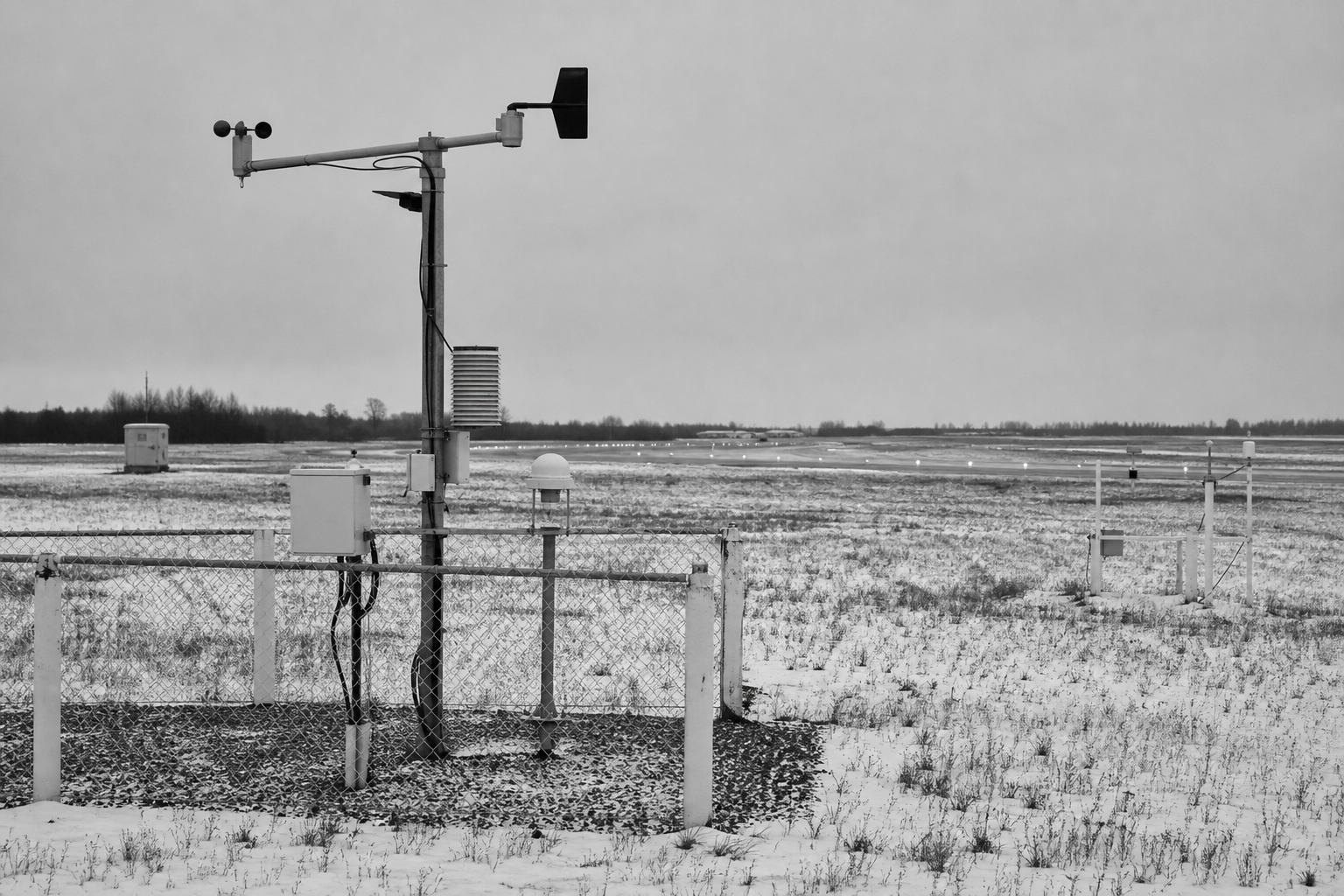
Location is similarly limited to Newburgh rather than a street address, landmark, coordinates, or stated viewing position. Newburgh lies within the wider Evansville-area airspace, but that regional connection does not show that an object was over Newburgh, departing from or approaching Evansville, or even viewed toward that area. A precise observer location and viewing bearing would be needed to distinguish an object above the town from one farther away on the horizon.
- Observation time: unavailable. Without it, weather and visibility cannot be matched to a documented period, and moving or predictable objects cannot be placed reliably in the sky.
- Direction and apparent altitude: unavailable. Direction identifies the part of the sky being watched; altitude describes whether an object appeared near the horizon or high overhead. Together, they provide the viewing geometry needed for comparison.
- Duration and conditions: unavailable. No preserved account describes how long the observation lasted, cloud cover, precipitation, haze, darkness, or other weather and visibility conditions.
These are not details that can be inferred from the town and date. A brief light low in one direction under cloudy conditions calls for a different review than a long overhead observation under clear skies. For this unspecified object sighting in Newburgh, Indiana, the missing observation details prevent that distinction and leave no defensible environmental reconstruction.
Conventional Explanations Worth Testing Against the Report
A candidate explanation is useful only if it can be compared with an observation’s recorded characteristics, rather than selected because it resembles a generic report of a light or object in the sky. Here, every ordinary category remains not testable: no preserved time, bearing, elevation, brightness, motion, duration, or viewing position permits a date-specific match.
- Astronomical objects, not testable. A meaningful comparison would place a bright planet, star, Moon, meteor, or other sky event in the reported direction at the reported time. Apparent steadiness versus motion, height above the horizon, and how long it was visible would distinguish a fixed-looking celestial object from a brief event.
- Aircraft, not testable. Aircraft tracking can be informative only when a reported time and viewing direction can be compared with a track and its geometry. A credible fit would align the object’s apparent path, light pattern, duration, and position in the observer’s sky; a regional flight alone would not establish an identification.
- Satellites, not testable. A satellite explanation would require a predicted pass that crossed the relevant part of the sky during the observation, with compatible apparent movement, brightness, and visibility period. Without a time or bearing, a pass on the same calendar date is not a match.
- Drones or balloons, not testable. These possibilities would need evidence of slower or drifting motion, changes in position relative to wind or landmarks, proximity, sound or light characteristics, and a duration consistent with the account. None of those comparison details survives here.
- Optical or perception effects, not testable. Reflections, distant lights, haze, and viewing-angle effects require information about weather, nearby light sources, windows or windshields, and whether the object changed as the observer moved. The available record does not provide it.
This does not make any category plausible or weak on its own; it leaves each unranked. What could explain an unidentified object seen in Newburgh, Indiana cannot be determined from the date-and-place association alone; identifying conventional objects and phenomena requires more specific observational details.
Was the Sighting Independently Corroborated?
Independent corroboration requires evidence that does not originate with, depend on, or merely repeat the same initial submission. In the material available for this review, no separately documented witness account, original photo or video file, contemporaneous local-news report, official incident record, or radar-related record has been identified for the Newburgh report.
That absence is narrower than a finding that nobody else saw anything. It means the present case file contains no traceable second line of evidence by which a reader can compare observations. The answer to “is the Newburgh January 8, 2020 UFO sighting confirmed?” is therefore no: the available material does not confirm the observation through independent evidence.
Repetition is not corroboration. A database listing copied to another website, quoted in a social-media post, or included in a later compilation may create several pages about the event while still deriving from one unverified account. Genuine corroboration would require an independently sourced report with its own author, date of recording, and observation details that can be compared without assuming that one account influenced the other.
- Independent witnesses: separately preserved accounts describing compatible time, direction, duration, and appearance would allow meaningful comparison; anonymous duplicates with matching wording would not.
- Images or video: an original file could contribute evidence if it retained capture time, location information where available, and enough scene detail to establish viewing geometry. A reposted, compressed image without provenance has far less value.
- Contemporaneous records: local reporting based on direct interviews, or a publicly verifiable incident or aviation record tied to a specific time and place, could test rather than repeat the claim.
Until such material is located, this remains an uncorroborated report, not a confirmed UAP sighting. That limitation does not determine what the witness may have seen; it defines what the surviving evidence can establish.
Why “Unidentified” Does Not Establish an Extraordinary Explanation
An unresolved label describes the state of the evidence, not the nature or origin of the thing observed. In everyday use, “UFO” means an object the observer did not identify. “Unidentified aerial phenomenon” is a more formal descriptive label for an aerial observation that has not been resolved. Neither term is a finding that the object was unusual, intelligently controlled, non-human, or evidence for an extraterrestrial explanation.
A resolved identification requires a positive match supported by the observation: for example, a recorded time and viewing direction that align with a known aircraft, satellite, or astronomical object, together with an appearance and movement consistent with that match. The Newburgh case cannot reach either outcome on the material presently available. Its missing descriptive and timing information prevents a conventional identification, but it also prevents any evidence-based claim of extraordinary behavior or origin.
This distinction matters because “unidentified” can result from an incomplete record as readily as from an observer’s uncertainty at the time. The lack of a preserved original account leaves no reported features to assess for acceleration, maneuvering, physical structure, or other characteristics that might warrant further analysis. Discussion of UAP disclosure does not alter that evidentiary gap: no disclosure terminology supplies the absent particulars of this local 2020 report.
Current Case Status and Where to Review the Record
The record trail ends before a reviewable original entry begins. No direct link, database identifier, archive capture, witness statement, or contemporaneous publication for the Newburgh report is available in the case materials, so there is no primary record to link for readers asking where to find the original Newburgh Indiana UFO report.
- Primary record: unavailable.
- Secondary reporting: no independently sourced local-news account has been identified.
- Contextual checks: no dated weather observation, sky-position record, or aviation track has been supplied that can be tied to an observation time and direction.
Current status: the material supports only an alleged observation associated with Newburgh and January 8, 2020; it does not independently confirm an object, its identity, or an extraordinary cause. A recoverable original submission, precise local time, viewing location and bearing, raw media with metadata, or independent witness accounts would materially improve the assessment.
What the Newburgh Report Can, and Cannot, Show
The practical distinction is between a case-file reference and evidentiary confirmation. The Newburgh, Indiana, January 8, 2020 association preserves a sighting report that merits accurate cataloging, but it does not provide the underlying observations needed to determine whether an aerial object was present, what it was, or whether its behavior was anomalous.
A stronger case would contain evidence that can be independently compared: separate witness accounts, contemporaneous images or video with usable metadata, a traceable news report based on original reporting, or official and observational records that align with a stated time and direction. None is available in the material reviewed here. That is a limit on the surviving record, not a finding about what any person may or may not have experienced.
The appropriate final classification is therefore unresolved and uncorroborated. “Unresolved” means the available information cannot support an identification; it does not favor an aircraft, astronomical object, drone, balloon, non-human craft, or any other explanation. Readers should treat the remaining uncertainty as a reason to preserve and seek the original source trail, not as evidence for a particular conclusion.
Frequently Asked Questions
-
What was reported over Newburgh, Indiana, on January 8, 2020?
The available case record links an alleged unspecified-object sighting to Newburgh, Indiana, on January 8, 2020. No original witness narrative, observation time, appearance, direction, duration, or movement details are available.
-
Is the Newburgh January 8, 2020 UFO sighting confirmed?
No. The case has no independently documented witness account, original photo or video, local-news report, official incident record, or radar-related evidence tied to the observation.
-
Where can I find the original Newburgh Indiana UFO report?
No reviewable original report is currently available. The case materials include no direct URL, database identifier, archived capture, witness statement, or contemporaneous publication.
-
What details are needed to identify an unexplained object sighting?
A useful identification requires a precise observation time, viewing location, direction, apparent altitude, duration, appearance, and movement. These details allow comparisons with aircraft tracks, satellite passes, astronomical objects, weather, drones, balloons, and optical effects.
-
How are UFO sighting reports verified before treating them as evidence?
Verification requires independently sourced evidence that can be tied to the same time and location, such as separate witness accounts, original media with metadata, contemporaneous reporting, or official records. Repeated database listings, reposts, and social-media copies do not count as independent corroboration.