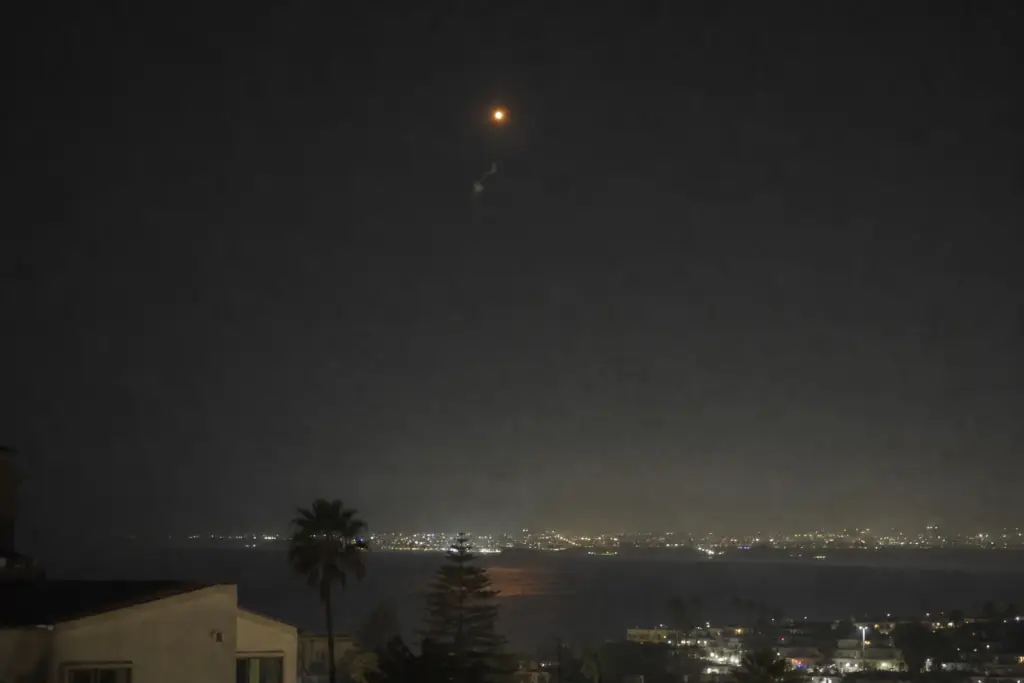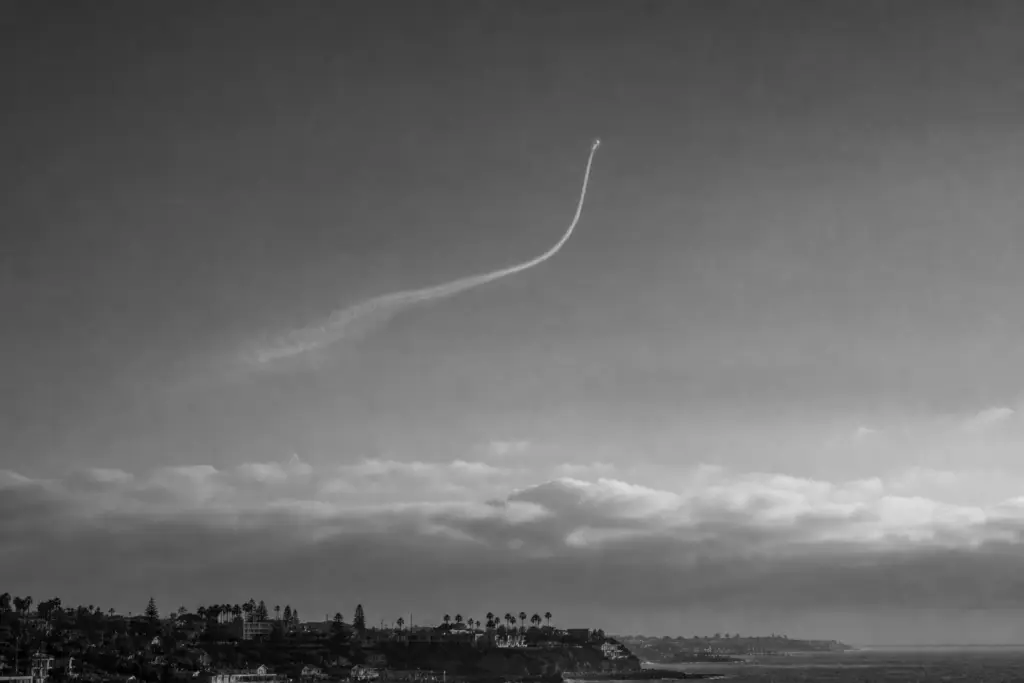

The MADAR Node 100 Mountlake Terrace sighting is narrow enough to resist dramatic conclusions: an entry associates Mountlake Terrace, Washington, with January 2, 2020, and labels the matter as an unspecified object sighting. That wording records an unresolved report. It does not, by itself, identify a physical object, establish who observed it, show that an instrument detected it, or support a claim about origin or significance.
This report therefore treats the listing as a starting point rather than a solution. A database entry can preserve a date, place, and short description; stronger evidence would include such material as a contemporaneous witness account, original imagery, instrument data with context, or independently matching records. Those are different forms of evidence, and their absence from a brief listing should not be filled with inference.
The sections that follow separate what the MADAR Node 100 record actually presents from what it leaves unstated. They also examine MADAR’s role as a reporting network and distinguish a documented notation from corroborated observation evidence. The goal is not to dismiss the Mountlake Terrace report, nor to enlarge it beyond its available particulars, but to give the January 2 entry its most accurate evidentiary reading.
MADAR Node 100 Listing: What Was Reported in Mountlake Terrace
The available listing identifies Node 100, Mountlake Terrace, Washington, and January 2, 2020, while characterizing the matter only as an unspecified object sighting. Its limited wording is important: it preserves an association between a place, date, node number, and report classification, but does not supply an object description or an identification.
Nothing in the entry, as available here, establishes whether the notation originated with a visual observer, an automated reading, a submitted account, or a combination of records. Those categories are not interchangeable. A witness narrative can be assessed for viewing conditions and consistency; an instrument record requires its measurements, timing, and operating context; a database notation may contain neither.
Nor does the listing itself indicate an official inquiry, a government assessment, or a confirmed UAP finding. This account consequently uses the Mountlake Terrace UFO sighting January 2 2020 phrasing only as a description of a reported, unresolved entry, not as a determination about what was present. The next step is to separate the fields that the record actually displays from the details it does not provide.
The January 2, 2020 Record: Confirmed Fields and Missing Details
A field-by-field reading places firm limits on the entry. The date shown is January 2, 2020, and the location label is Mountlake Terrace, Washington, a city in Snohomish County. “Node 100” is the identifying node label, while “unspecified object sighting” is the entry’s classification rather than a description of an object.
| Field or detail | What the available entry provides |
|---|---|
| Date | January 2, 2020. The entry does not establish whether this is the observation date, submission date, or database-posting date. |
| Place | Mountlake Terrace, Washington; no street address, coordinates, or stated viewing site appears in the available notation. |
| Identity and classification | Node 100 and “unspecified object sighting.” The classification leaves the object’s appearance and identity unstated. |
The available record does not name a witness or reporter. It also supplies no observation time, object shape, color, light pattern, altitude, direction of travel, speed, distance, duration, or weather/viewing conditions. Those omissions matter because they prevent comparison with ordinary aerial, astronomical, or ground-based possibilities at a specific time and place.
Nor does the listing include photographs, video, audio, sensor readouts, instrument logs, a written witness report, or a narrative explaining how the notation was created. There is no displayed investigative outcome, identification, corroborating witness account, or disposition. Thus, “MADAR Node 100 UFO sighting” is a search label for this unresolved database entry, not evidence that the record documents a confirmed craft, anomaly, or UAP event.
What MADAR Is, and What a Node Entry Can Establish
MADAR, short for Multiple Anomaly Detection and Automated Recording, uses the word “node” for a participating network location or station. A node label identifies where a record is associated; it is not, by itself, a conclusion that equipment detected an unusual object or that a person made a visual observation.
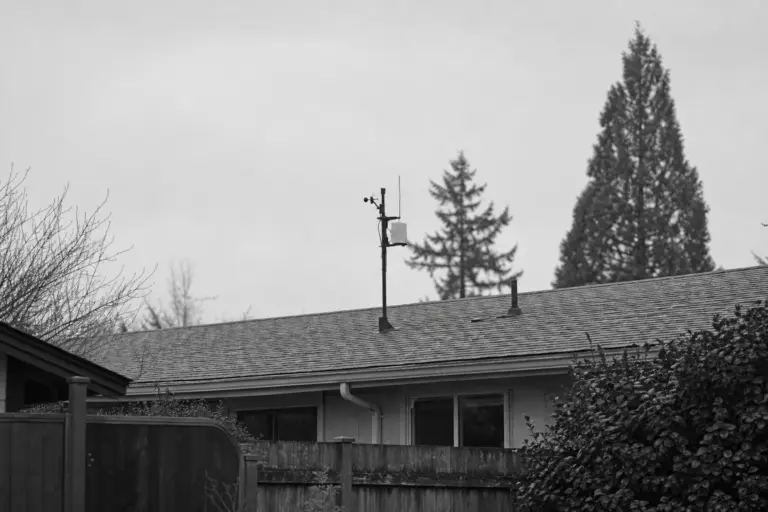
Three categories of material should remain separate. An automated node record would concern a logged environmental or anomaly-related measurement. A witness submission would concern what a person says they saw or experienced. A catalog entry can preserve either kind of material, or only a brief notation linking a date, place, and classification. The practical difference is provenance: sensor data can be assessed through its readings, timing, settings, and logs, while a witness account can be assessed through its narrative, observation conditions, and corroboration.
The available Mountlake Terrace notation does not display the material needed to place it securely in either of the first two categories. It therefore establishes a cataloged association with Node 100, not a demonstrated automated detection or a documented eyewitness observation.
Nor does the presence of a MADAR entry make it an official U.S. government finding. A database listing is distinct from a government investigation, assessment, or identification. Without a description, supporting records, or a stated analytical result, the entry does not determine whether anything observed was an unidentified object, aerial, anomalous, military, extraterrestrial, non-human, or even a discrete physical object.
For readers evaluating the MADAR Node 100 Mountlake Terrace sighting, the strongest signal would be a record that identifies its origin and preserves the underlying material. A bare classification is weaker: it records unresolved reporting, while leaving the nature of the reported matter open.
Why the Object Remains Unspecified
A supported identification begins with a traceable chain from the original report to the material used to assess it. The strongest starting point would preserve who created the record, when it was created, whether the time refers to observation or later entry, and what was actually observed or measured. A dated note without those particulars cannot establish the conditions necessary to test competing explanations.
Contemporaneous material can strengthen a specific claim in different ways. Independently written witness accounts may show whether separate observers described the same direction, movement, duration, and appearance. An image or video is more useful when its original file and metadata are available than when only a reposted copy survives, because the original may retain capture time, device information, and editing history. Likewise, a sensor result requires its raw readings, clock basis, operating state, and location before it can be compared meaningfully with an observation; such multi-sensor data can provide stronger corroboration.
External records are comparison tools, not substitutes for the missing report. Aviation data could test a documented time, position, and direction against aircraft activity; weather observations could assess visibility and cloud conditions; and astronomical calculations could test whether a bright celestial object occupied the reported part of the sky. Each comparison depends on a usable observation window and viewing geometry. A date and city alone are too broad to make a responsible match or exclusion.
Follow-up review would also need to distinguish a good lead from an identification. A good lead links preserved primary material with time-matched, independently obtainable records. A weak lead begins with a broad label and works backward until some possible explanation appears to fit. In this case, the available notation lacks the underlying timing, narrative, media, and measurement details that would permit that review. It may remain an unresolved entry among UFO sightings or UAP sightings, but “unidentified aerial phenomenon” cannot be applied as a validated conclusion on the present record.
How This 2020 Entry Fits Into UFO and UAP Disclosure Coverage
Disclosure debates operate at a different evidentiary level from a local database notation. The January 2, 2020 Mountlake Terrace entry is a civilian-network record associated with a particular node, place, date, and broad sighting label. Official U.S. government UAP records, by contrast, are records created or evaluated within government reporting and review processes. Neither category automatically establishes what an object was, but they answer different questions: a civilian listing can preserve that a report was logged, while an official assessment may describe the information available to an agency and the limits of its analysis.
That distinction matters when readers encounter UFO disclosure or UAP disclosure claims. A disclosure claim concerns the release, withholding, or official handling of government-held information. To support an allegation of a government UFO cover-up, a record would need some connection to government possession, action, or suppression, such as identifiable official files, communications, testimony tied to records, or a documented investigative trail. The Mountlake Terrace notation supplies none of those links. Its existence does not show that any government body received the report, investigated it, or reached a conclusion about it.
The same boundary applies to claims about crash retrievals, alien disclosure, or non-human intelligence. Each would require evidence specific to the claim: provenance for recovered material, a documented chain of custody, testable analysis, and independent corroboration. An entry that does not describe the object, preserve an observation account, or provide underlying measurements cannot carry that burden. An unresolved local report is not negative evidence against those propositions, but it is not affirmative evidence for them either.
Current UFO news and UAP news can be useful as separate categories of coverage, particularly when they concern newly released records, official statements, hearings, or independently documented cases. They should not be treated as retroactive corroboration for the MADAR Node 100 Mountlake Terrace sighting. Similar labels do not create a factual connection; only shared, time-matched evidence could do that.
How Readers Can Verify the Mountlake Terrace Report
Begin with a reproducible capture of the MADAR listing itself. Save the full URL, the date and time of access, the Node 100 identifier, and a screenshot or PDF that preserves the visible wording: “unspecified object sighting,” Mountlake Terrace, Washington, and January 2, 2020. A stable link and dated capture allow later readers to distinguish the displayed entry from a paraphrase, a repost, or a subsequently altered page.
- Compare the live page with captures held by established web archives. The useful comparison is not merely whether a page existed, but whether its date, location, node number, classification, and any attached material match across versions. A visible revision, added narrative, or removed attachment should be recorded as a change in the available record rather than silently treated as part of the original entry.
- Look for underlying material attached to the listing. A narrative identifies what someone reported seeing; a source document may preserve a contemporaneous submission; instrument data would show a recorded measurement. These are materially different from a database notation. For this case, the available entry does not itself display such supporting material.
- Use outside searches only if the record supplies a usable time, direction, duration, or other specific detail. Those particulars can make contemporaneous local reporting, weather observations, aviation information, or public records meaningful comparison points. Without them, a broad search for a Washington UFO sighting can produce unrelated events and cannot establish a match.
The responsible conclusion is therefore limited but clear: the available MADAR Node 100 Mountlake Terrace sighting entry documents that a report was cataloged under that date, place, and broad label. On the evidence presented, it does not verify an object, its characteristics, or its origin.
Searches for UFO sightings 2025 or UFO sightings 2026 should be handled as separate historical inquiries. Later reports, however similar their labels, neither corroborate nor explain a January 2020 notation without independently preserved, time- and location-matched evidence.
Frequently Asked Questions
What is MADAR and what does a MADAR node record mean?
MADAR stands for Multiple Anomaly Detection and Automated Recording. A node identifies a participating network location or station, but a node entry alone does not prove an instrument detection or eyewitness observation.
What was reported at MADAR Node 100 in Mountlake Terrace on January 2, 2020?
The available listing associates Node 100 with Mountlake Terrace, Washington, and January 2, 2020, under the classification “unspecified object sighting.” It provides no object description, witness name, observation time, coordinates, or stated identification.
Does the MADAR Node 100 report prove there was a UFO or UAP in Mountlake Terrace?
No. The record documents only a cataloged unresolved report and does not include evidence confirming a craft, aerial anomaly, physical object, UFO, or UAP.
What details are needed to investigate an unspecified object sighting?
Useful investigation requires specifics such as observation time, location or coordinates, direction, duration, appearance, weather conditions, original media, witness accounts, or sensor logs. The Node 100 entry supplies only the date, city, node number, and broad classification.
How can I verify the January 2, 2020 Mountlake Terrace MADAR report?
Save the full MADAR URL, access date and time, Node 100 identifier, and a screenshot or PDF showing the January 2, 2020 Mountlake Terrace listing. Compare archived page versions and look for attached narratives, source documents, imagery, or instrument data before attempting aviation, weather, or astronomical comparisons.