Unspecified Object Sighting Reported in Sanford, FL on January 15, 2020
Review the Sanford FL UFO sighting January 15, 2020, including source limits, sky conditions and ordinary explanations behind the report.
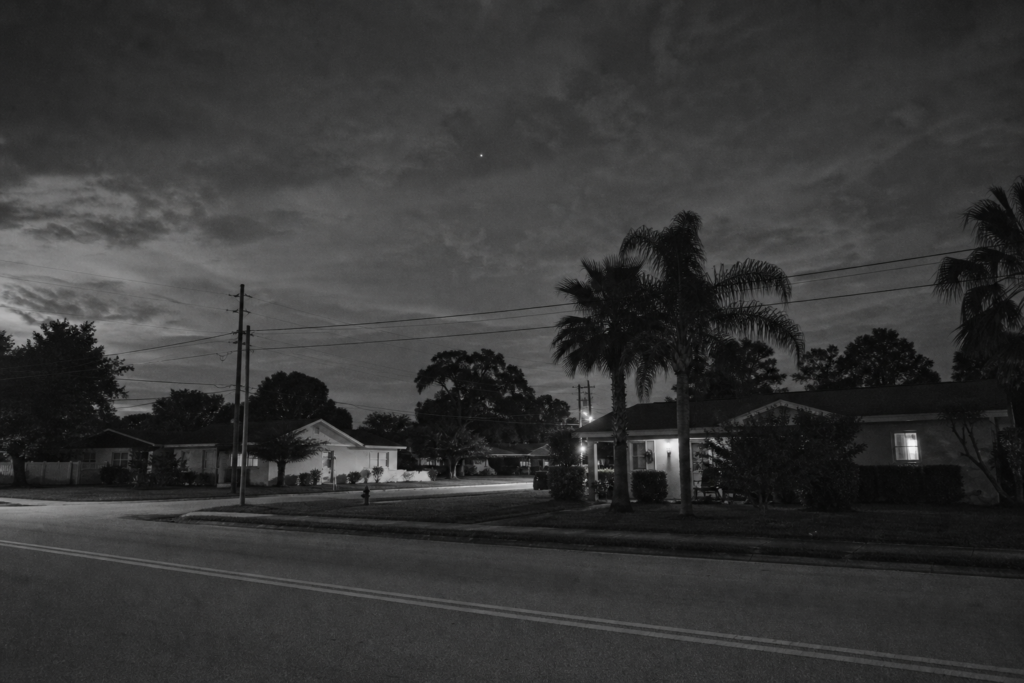
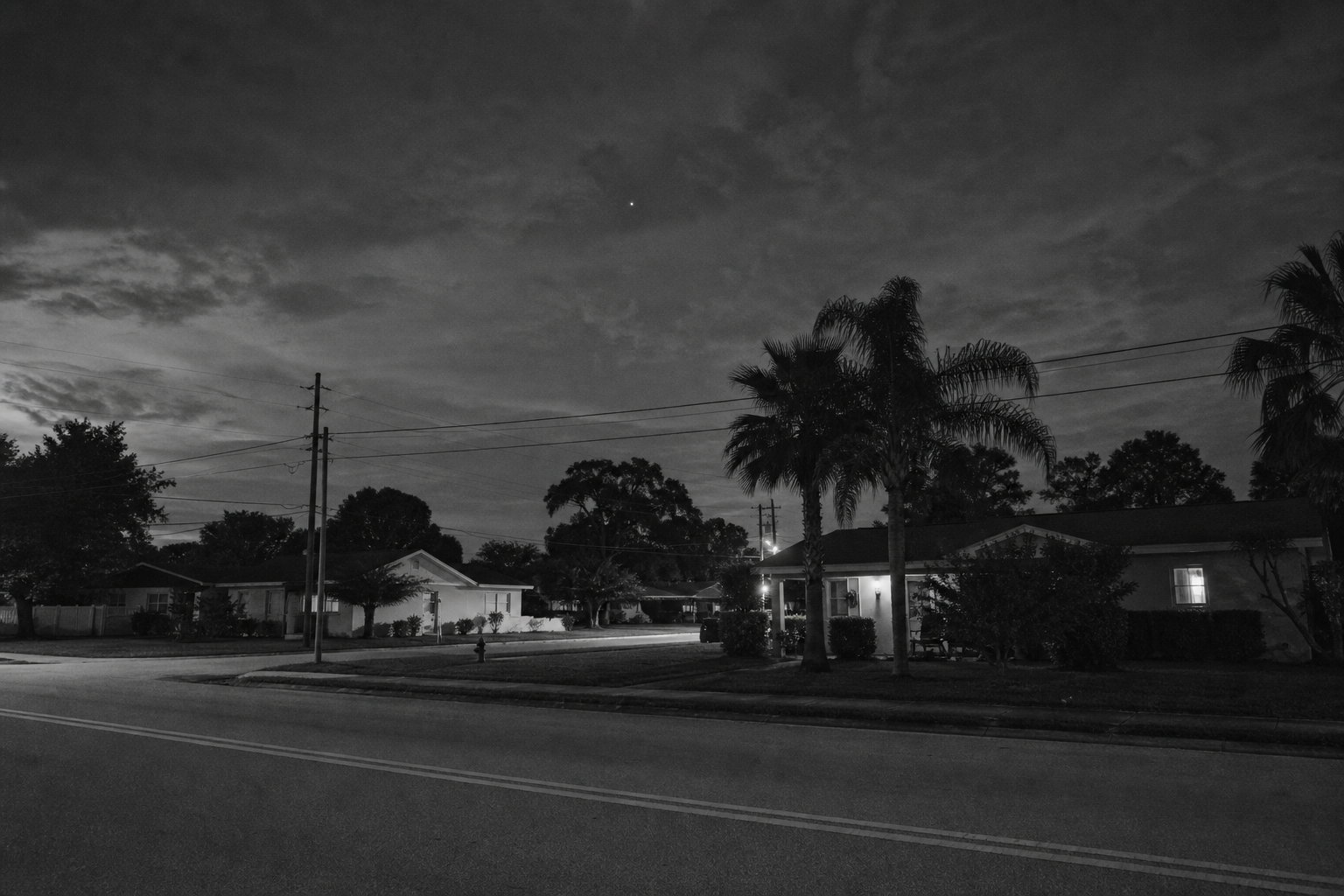
A Sanford, Florida, report dated January 15, 2020 describes an object that the available record did not identify. That narrow point is the starting point for this review, not evidence that the object was extraordinary, and not a basis for assigning it an origin that the record cannot establish. For anyone searching the Sanford FL UFO sighting January 15 2020, the important distinction is between a witness’s description of something seen and a confirmed anomalous event.
This article separates those two levels of evidence. First comes the report itself: its stated date, location, wording, and any details about appearance, motion, direction, duration, or supporting media. Next comes independent context that may be compared with those details, including local sky conditions, visible astronomical objects, and ordinary air traffic or other human-made activity. A close fit between a reported feature and an independently documented object can make a conventional explanation stronger; missing time, direction, imagery, or corroboration limits what any comparison can resolve.
“Unidentified” therefore means only that the available information does not permit a conclusive identification. It does not mean “unexplainable,” and it does not convert an anonymous or incomplete account into proof. The sections that follow assess what can be established about the Sanford entry, where the evidentiary gaps remain, and whether familiar explanations fit the reported circumstances better than more speculative ones.
What Was Reported in Sanford, Florida, on January 15, 2020
The available case information is limited to a location-and-date label: Sanford, Florida, in Seminole County, and January 15, 2020. It indicates a witness-submitted or archived unidentified-object report, not a confirmed incident or an independently documented observation.

That label supports only a narrow reconstruction. The reported observation date is January 15, 2020, and the reported locality is Sanford. A separate submission date or publication date is undocumented in the material available for this review, so it cannot be assumed that the entry was filed on the day of the sighting.
Key descriptive fields are also undocumented here. No original witness wording has been provided to establish the object’s color, shape, brightness, sound, apparent size, or behavior. Likewise, there is no supported observation time, direction of travel, elevation, speed, duration, or stated beginning and end of the event.
The available material does not identify how many people observed the object, whether the report was anonymous, or whether another witness supplied a matching account. It also contains no identified photograph, video, drawing, or other attachment. Those absences matter: a precise time and direction can be compared with sky and aviation records, while an image may preserve features that memory-based descriptions cannot. Without those details, this unidentified object sighting in Sanford, FL remains a sparsely documented report rather than a reconstructable event.
What Can Be Verified About the Report
Provenance is the central limitation. The material available for review preserves a dated Sanford entry, but it does not identify the reporting database, provide a stable record number or archive link, or show the entry’s publication history. As a result, the existence of a report associated with January 15, 2020 is distinguishable from a contemporaneous filing: the latter would require a visible submission or publication timestamp.
No revision history is available to show whether the text was edited after submission, and no duplicate-record information is available to establish whether the entry was reposted elsewhere. Those are meaningful differences. An original, time-stamped submission can preserve what a witness recorded close to the event; a later repost may retain only a date and summary, making it impossible to assess whether wording, location, or interpretation changed.
The record also does not establish the reporter’s identity, whether the account was anonymous, or whether it represents one observer or a group. That does not disprove the observation. It does mean the witness report cannot presently be compared with an independently filed account from another person, which is the kind of corroboration that can narrow an object’s position, timing, and movement.
There is likewise no accessible original photograph, video file, or metadata tied to this UFO report. Nor does the available material identify a police incident number, FAA reference, local-news report, or matching public report. Such records, if located and tied to the same time and place, could independently support parts of the event without necessarily identifying the object. Their absence from the present file is a limit on the analysis, not proof that no observation occurred.
The verifiable conclusion at this stage is therefore modest: a Sanford report is dated to January 15, 2020. The observational details and any proposed explanation remain unverified because the underlying account and independent supporting records are not available in the material reviewed.
Sanford Night-Sky Context: Weather, Astronomy, and Visible Activity
The absence of an observation time leaves the relevant window at the full 24 hours of January 15, 2020 in Sanford. The preserved entry does not specify whether the object was seen after sunset, near midnight, before dawn, or in daylight, so the report cannot be tied to a particular portion of the local sky.
Weather conditions are meaningful only when matched to a place and hour. Cloud cover determines whether stars, planets, and satellites can be seen; visibility describes how clearly distant lights could be distinguished; precipitation can obscure the sky; and wind can matter when a possible balloon or airborne object is considered. The material reviewed includes no hourly Sanford or Orlando-area readings for those conditions on January 15, so it cannot establish a clear, cloudy, rainy, or hazy viewing environment.
The same missing hour prevents a useful comparison with astronomical objects. The Moon, bright planets, and major stars change altitude and compass direction over a single night: an object low in the west shortly after sunset presents a different comparison from one rising in the east before dawn. No bearing, elevation, brightness, color, or duration is retained with the Sanford entry, and the supplied case material contains no date-specific ephemeris table from which to make a positional match.
Meteor activity is also not testable against the surviving description. A meteor ordinarily appears as a rapid streak or flash lasting seconds, while a point of light that remains visible or travels steadily would call for different possibilities. Because the report preserves no movement pattern or observation length, neither a meteor nor a longer-lasting celestial light can be rated as a close fit.
No launch, atmospheric re-entry, or satellite-pass record is attached to the case file. A satellite comparison needs at least a time and travel direction; a launch-related comparison also needs distinctive behavior such as an expanding plume, multiple lights, or changing illumination. Those details are absent here, leaving the Florida night-sky context unable to support, or rule out, a specific conventional explanation.
Could Aircraft or Other Ordinary Objects Fit the Description?
The most useful test is whether a proposed object would produce the visual pattern the missing report details would need to contain. An aircraft, for example, can appear nearly stationary when it is flying toward an observer, then seem to accelerate or turn as its angle changes. Navigation and anti-collision lights may blink at regular intervals; a steady landing light can look like a single bright point at distance. A credible aircraft comparison would therefore require an observation time, direction of travel, light color and flash pattern, apparent altitude, duration, and any engine sound. None is preserved here.
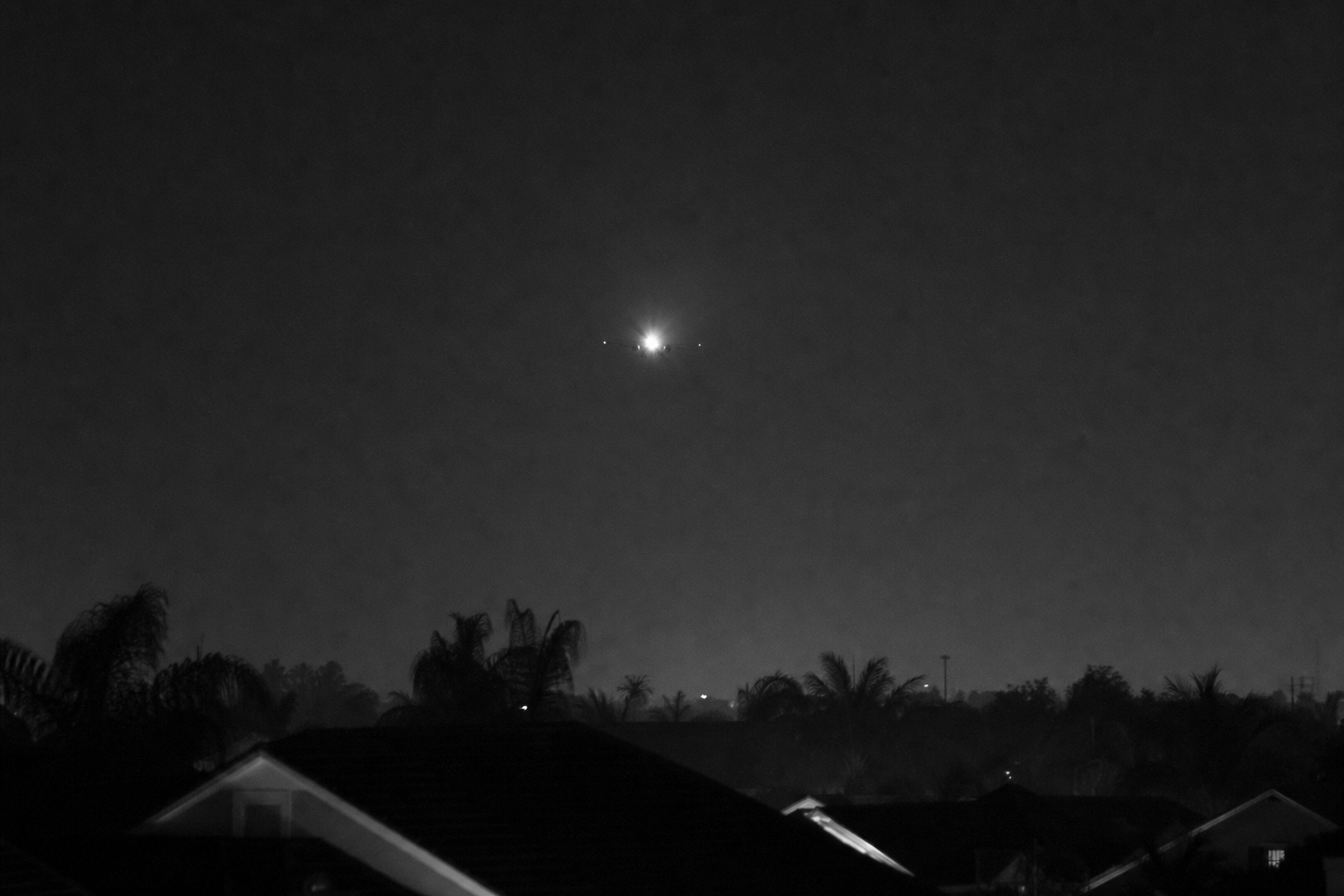
Commercial traffic, small private aircraft, and helicopters are distinct possibilities rather than one interchangeable category. A fixed-wing arrival or departure would more often show a consistent course and organized light pattern, while a helicopter might appear to hover, move slowly, or alter direction more abruptly. Historical aircraft tracking can sometimes test those patterns against a reported location and minute, but no usable time, route, or flight-track record accompanies this Sanford entry. Public flight data may also omit some aircraft or contain coverage gaps, so the absence of a displayed track would not establish an unidentified aerial phenomenon.
Drones and weather balloons require different clues. A drone could fit a low, maneuvering light seen for a short period, especially if it changed direction sharply; its sound, proximity, and behavior would be important discriminators. A balloon would be more consistent with passive drifting and would not ordinarily show purposeful turns or a regular flashing-light sequence. The record supplies no movement description, estimated height, or wind context with which to compare either possibility.
Satellites, planets, and optical effects likewise cannot be ranked from the date alone. A satellite would generally present as a steadily moving point rather than a blinking object; a planet would appear fixed relative to nearby stars over a brief observation; glare, haze, and thin cloud can alter the apparent size or color of a distant light. Those are useful distinctions only if the observer recorded duration, direction, motion, and sky conditions.
Ordinary explanations therefore remain plausible in the abstract, but none can be fitted to this particular report more strongly than another. FAA records, airport activity, and aircraft tracking would become meaningful only if a reliable observation window and basic description emerged.
Why the Sighting May Remain Unidentified
The evidentiary threshold for an anomalous event is higher than the threshold for an unidentified entry. The Sanford record supports the existence of a report associated with January 15, 2020; it does not independently establish what was seen, how it moved, or even whether the observation occurred at a particular hour. No observation is supported beyond that limited record label.
A demonstrated anomaly would require information that can be compared across sources: a contemporaneous account with a precise time and viewing direction, matching independent witnesses, original photo or video files, or instrument and aviation records tied to the same interval. Those forms of evidence serve different purposes. A second witness can test whether the appearance was shared; media can preserve visual characteristics; a reliable time permits comparison with aircraft, astronomical objects, weather, and other local activity. Here, the missing time, duration, direction, appearance, media, witness count, and provenance prevent those tests.
That leaves the reported observation unresolved in the narrow evidentiary sense: the surviving material cannot identify it, but it also cannot exclude ordinary explanations. An unresolved classification can therefore reflect limited documentation rather than unusual performance or origin. Nothing in this Sanford entry, by itself, substantiates non-human intelligence or a cover-up interpretation; those claims would require evidence not present in the available record.
Bottom Line: The Current Status of the Sanford Report
The appropriate final classification is insufficiently documented. The material establishes a report associated with Sanford, Florida, on January 15, 2020, but it does not preserve the underlying witness narrative, a reliable submission date, or independent corroboration. That is stronger than treating the event as invented, but weaker than calling the object identified, plausibly matched to a particular ordinary cause, or evidentially unresolved on its observed characteristics.
The most supportable finding is simply that an unidentified-object entry carries that date and location. No exact time, direction, duration, appearance, original image or video, or confirmed witness count is available to test candidate explanations. A contemporaneous account with a time such as 8:15 p.m. and a compass direction such as west-northwest could materially change the assessment: it would allow comparisons with weather observations, aircraft movements, and visible astronomical objects. Original media files would add metadata and a chance to examine light behavior, while independent witnesses describing the same event from separate locations would provide a meaningful cross-check.
For future UFO sightings in Florida, preserve original photo and video files, record the exact local time and viewing direction, and obtain independent witness accounts rather than relying on screenshots or reposts; write down apparent motion, duration, colors, and sounds; and ask other observers to make their own accounts before comparing notes. Those details make weather, aviation, and sky-data comparisons possible. A single weakly documented historical report also cannot establish broader UAP disclosure claims.
What the Sanford Sighting Can, and Cannot, Establish
That classification has a practical consequence: the Sanford entry can support historical reporting research, but not a finding about the object’s identity, performance, or origin. The date-and-place label is a lead for investigation, not a dataset from which weather, aviation, astronomical, or launch explanations can be responsibly selected. Ordinary possibilities remain possible because the record lacks the observations needed to test them; possibility alone is not a match.
A firmer identification would require contemporaneous material that connects the observation to a specific interval and line of sight. The strongest combination would be an unedited original photo or video file, its retained creation metadata, a precise local time, compass direction, duration, and an independent account from another location. Those details could be compared with aircraft activity and local sky conditions. A weak signal would be a later recollection, cropped image, or repost without a recoverable original, because it cannot reliably establish when or where the image was made.
Absent that evidence, the Sanford report should remain a limited historical entry: insufficiently documented rather than identified, anomalous, or evidence of an extraordinary object.
Frequently Asked Questions
-
What was reported over Sanford, Florida, on January 15, 2020?
A witness-submitted or archived unidentified-object report was associated with Sanford, Florida, on January 15, 2020. The available record provides only the date and location, not a confirmed incident or independently documented observation.
-
Was the Sanford FL unidentified object ever identified?
No identification can be supported from the available record. It contains no original witness description, exact observation time, direction, duration, media, or independent corroboration needed to test a specific explanation.
-
Were aircraft, satellites, or astronomical objects visible near Sanford that night?
The record cannot determine whether aircraft, satellites, planets, meteors, launches, or other objects matched the sighting because no observation hour or viewing direction was preserved. A full 24-hour window on January 15, 2020 is too broad for a reliable sky or flight-track comparison.
-
What details are needed to verify a historical UFO sighting report?
Useful verification requires an exact local time, compass direction, duration, appearance, motion, and independent witness accounts. Original unedited photo or video files with retained metadata can also be compared with weather, aviation, and astronomical records.
-
Does an unexplained UFO report mean the object was extraterrestrial?
No. An unidentified report means the available information cannot establish an identity, not that the object was unexplainable or extraterrestrial. The Sanford report is best classified as insufficiently documented because it lacks the evidence required to rule out ordinary explanations.