UAP Whistleblowers and Witnesses: A Public-Record Guide
Explore UFO disclosure whistleblowers, their claims, testimony and official records. Learn what evidence supports UAP disclosure allegations.
Claims about hidden UAP programs attract intense attention because they combine national-security secrecy, extraordinary allegations, and a public record that is often incomplete. That makes precision essential. A public allegation is not the same thing as a protected disclosure to an oversight body; sworn congressional testimony carries a different weight from either; and neither automatically becomes independently corroborated evidence.
This guide examines UFO disclosure whistleblowers through that evidence-first lens. It distinguishes people who report alleged wrongdoing or retaliation through formal channels from pilots describing encounters, journalists reporting claims, advocates seeking transparency, and former officials offering commentary. “UAP” is used alongside “UFO” as the more formal modern label for unidentified phenomena, not as a conclusion about what those phenomena are.
The sections ahead track the principal public voices, beginning with David Grusch, then compare their stated access, firsthand knowledge, and reported information. They also examine congressional hearings, Pentagon and AARO publications, inspector-general processes, and the UAP-records and disclosure measures debated and enacted by Congress. The central question is narrower than whether any claim is compelling: what does the public record actually establish, what remains an unresolved assertion, and what disclosure mechanisms can realistically do?
What Counts as a UFO/UAP Disclosure Whistleblower?
The label “UFO disclosure whistleblower” should be reserved for someone who used, or credibly documented using, a protected reporting channel or alleged retaliation for doing so. That procedural status can show that a complaint entered an oversight system; it does not establish that the underlying UAP allegation is true.
Other participants belong in distinct categories. A government official may make public claims based on a former role without filing a whistleblower complaint. A military witness may offer firsthand testimony about an encounter, which can be important evidence about that event but does not by itself demonstrate a secret program. A commentator who repeats accounts from officials or witnesses is presenting secondhand reporting, not personal knowledge.
The strongest public starting point is a primary record: a filing, letter, hearing transcript, released document, or recording. Firsthand evidence comes from a person describing what they directly saw, did, or handled; secondhand allegations report what others supposedly said or showed them. Sworn testimony places a statement under oath, increasing accountability but not converting it into independently proven fact. Classified material may be submitted to authorized officials yet remain unavailable for public assessment.
Corroboration means separate, assessable support, such as records, multiple independent firsthand accounts, or institutional findings. A detailed story repeated across interviews is not the same as corroboration. Each later profile therefore separates the speaker’s claim, the channel through which it was made, and the evidence available to evaluate it.
David Grusch: What He Alleged, What He Testified to, and What Is Documented
David Grusch became central to the modern disclosure debate because he paired extraordinary allegations with a record of intelligence work and a formal retaliation complaint. He said he served as the National Reconnaissance Office’s representative to the UAP Task Force and later as the National Geospatial-Intelligence Agency’s co-lead for UAP analysis, roles that put him near the government’s UAP reporting and assessment apparatus.
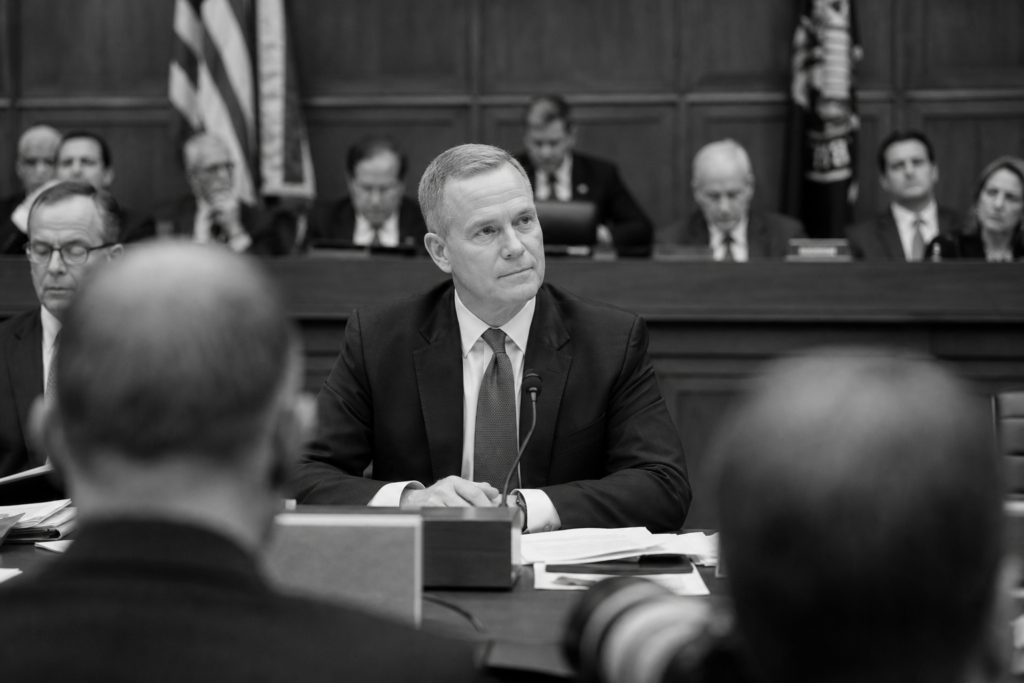
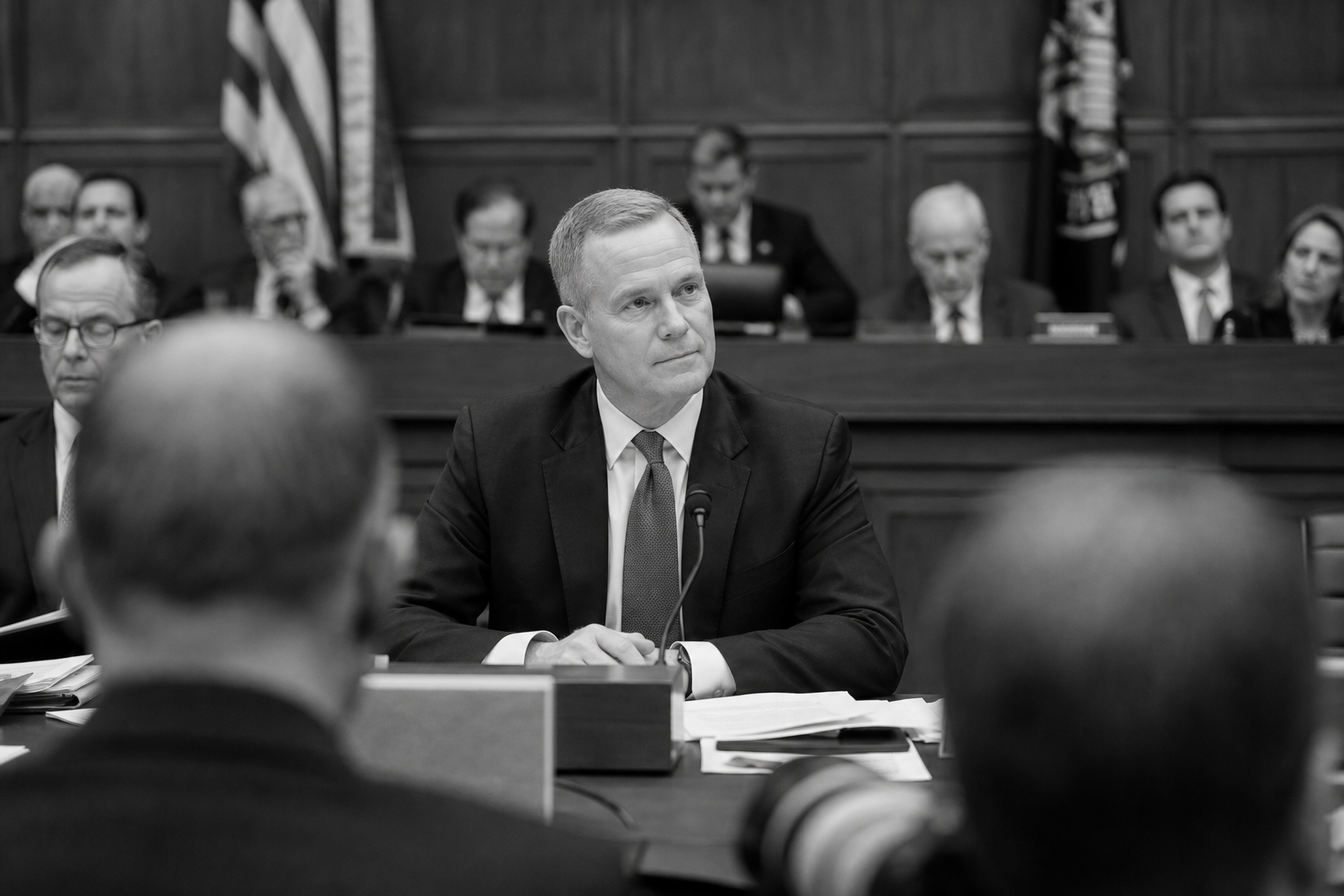
At the House Oversight subcommittee hearing on July 26, 2023, Grusch testified under oath that he had been told of a long-running program involving recovery and reverse engineering of craft of “non-human origin.” He also said he had been informed that recovered materials included “biologics,” which he described as non-human. His written statement and hearing answers made an essential limitation clear: he was reporting information supplied by people he characterized as direct participants or witnesses, not claiming that he had personally seen a recovered craft or biologics.
That distinction explains both the significance and the limit of the David Grusch UFO testimony. His firsthand account concerned his official assignments, interviews, efforts to obtain access, and his belief that relevant information had been improperly withheld from congressional oversight. The alleged crash-retrieval and reverse-engineering activities were secondhand allegations. A sworn account of what sources told him is materially different from publicly available physical evidence, records, or direct testimony from those sources.
Grusch also alleged reprisals after he raised concerns through authorized channels. His representatives said he submitted a classified 2022 whistleblower complaint alleging retaliation and withheld UAP-related information to the Intelligence Community Inspector General. Public reporting and statements by his attorneys describe the inspector-general process as having treated retaliation concerns as credible and urgent; the underlying classified filing, evidence, and any detailed inspector-general conclusions have not been released publicly.
The hearing created a durable congressional record: Grusch appeared voluntarily, took an oath, submitted written testimony, and answered members’ questions in public. It did not produce public documents proving the alleged programs, establish the origin of any materials, or disclose the identities of the officials from whom he said he learned the information. Pentagon representatives said they had no verifiable information supporting claims that programs possessed extraterrestrial materials, while later official review addressed the broader historical allegations separately.
For readers assessing this David Grusch whistleblower case, the strong signals are the dated hearing record, his stated government roles, and the documented use of an inspector-general channel. The unresolved question is the core one: whether the classified accounts and materials he said were provided to oversight bodies substantiate the alleged programs. Publicly, that remains an allegation rather than an independently established finding.
Lue Elizondo and Other Key Disclosure Voices: Roles, Access, and Limits
Lue Elizondo occupies a different place in the debate: a former Defense Department official involved in Pentagon UAP work who became a prominent public advocate after leaving government service. His relevance is not simply his former title. It lies in the combination of his claimed role in Pentagon UAP work, his public descriptions of bureaucratic resistance, and his assertion that he faced retaliation connected to raising UAP-related concerns. Those are his allegations; they do not, by themselves, authenticate claims about the origin of particular objects or the existence of hidden technology programs.
For a Lue Elizondo UFO claim, separate three layers. First is the public record of what Elizondo has said about his work and experiences. Second is the narrower question of whether a complaint or personnel dispute shows that he used a protected channel or suffered adverse treatment. Third is the substantive claim being advanced, such as what a UAP program found or possessed. Evidence for the first two layers can establish that a statement was made or a process occurred; it does not automatically establish the third.
Ryan Graves belongs in another category. A former Navy pilot and congressional witness, Graves offered firsthand testimony about repeated UAP sightings by military aviators in training areas and about the aviation-safety reporting problem those encounters created. That is direct evidence of what he and fellow aviators reported observing, not direct evidence that the objects were extraterrestrial, non-human, or recovered by the government. His contribution is strongest on operational effects: pilots need a reliable way to report and assess unidentified objects that may affect flight safety.
Other public participants, including elected officials, journalists, former intelligence personnel, and program commentators, may bring useful questions, records, or leads, but they should not be labeled a UFO whistleblower merely because they hold a clearance, held a senior job, or repeat an allegation. Access provides context: it can help explain how someone encountered information. Corroboration requires something separate and testable, such as a contemporaneous record, independently accountable firsthand witness, released material, or an institutional finding. The practical checkpoint is simple: ask whether the speaker personally observed the claimed fact, relays another person’s account, or interprets incomplete information.
What AARO, the Pentagon, Congress, and Inspectors General Have Actually Said
The public institutional record sets a higher bar than a compelling account from a former official. In its Historical Record Report, Volume 1, the Department of Defense’s All-domain Anomaly Resolution Office said it found no verifiable evidence that the U.S. government or private industry possessed extraterrestrial technology, nor evidence of a confirmed hidden reverse-engineering program. That is AARO’s published finding from the material it reviewed; it does not mean every unresolved sighting has been identified or that every classified claim is available for public evaluation.

The Pentagon’s position has similarly rejected assertions that its acknowledged UAP offices discovered recoveries of craft or material from non-human intelligence. Such denials address whether the department recognizes the alleged programs, not whether individual witnesses accurately reported unusual observations, experienced retaliation, or supplied information through classified channels. Those are separate propositions requiring separate evidence.
Congress has treated the issue as an oversight and transparency question: members have held hearings, received testimony, sought briefings, and requested access to records and officials. Oversight activity matters because it can compel answers, preserve records, and expose gaps in reporting systems. It is not, however, a congressional finding that an allegation has been proven. A hearing record establishes what a witness said under oath and what lawmakers asked; it does not independently authenticate every underlying assertion.
Inspectors general have an even narrower function. They assess whether a complaint falls within their authority, whether the complainant had appropriate access, and whether reprisal, obstruction, or procedural failures may have occurred. A finding that a retaliation complaint is credible or urgent would concern the handling of the reporter, not public certification of an unverified UAP claim. Stronger independent corroboration would include released contemporaneous program records, physical material made available for qualified testing, or multiple accountable firsthand witnesses whose accounts can be compared against documentary evidence. Headline-driven UFO news, repetition, and unnamed secondhand sources do not meet that standard.
The UAP Disclosure Act: What the Proposal Sought and What Became Law
Legislation offered a separate route to transparency: preserving and reviewing records rather than treating any individual allegation as established fact. The UAP Disclosure Act proposed by Senators Chuck Schumer and Mike Rounds in 2023 drew on the John F. Kennedy Assassination Records Collection model. It would have created an independent UAP Records Review Board, required agencies and government contractors to identify relevant records, and set a presumption that records should be publicly released unless a defined postponement justified withholding them.
The original proposal also contemplated a controlled-disclosure plan: a structured process for releasing records while protecting narrowly defined national-security interests. Its most unusual provision would have authorized the federal government to use eminent domain to obtain recovered UAP material and biological evidence held outside government custody, with compensation. That language addressed allegations of privately held crash-retrieval material; it did not establish that such material exists.
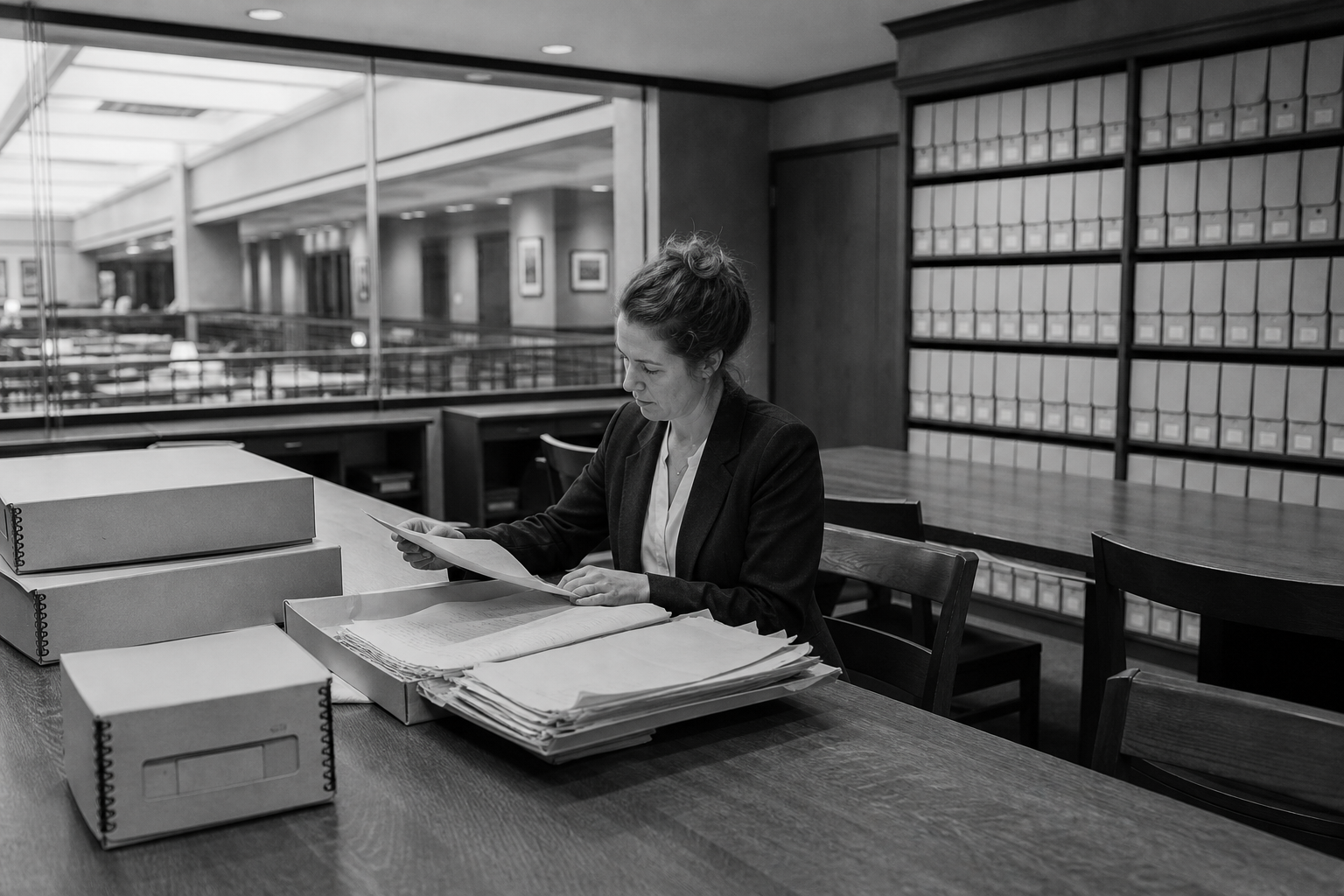
Negotiations over the fiscal-year 2024 National Defense Authorization Act substantially narrowed the measure. The enacted law required the National Archives to establish a UAP Records Collection and directed federal agencies to identify, review, and transfer qualifying UAP records. The independent review board, the controlled-disclosure framework, and the eminent-domain authority were not included in the final version.
The practical difference matters. A records collection can make dispersed government files easier to locate, preserve, and request, while agency review and statutory withholding rules can still limit public release of classified or protected material. Congressional committees may also seek briefings, documents, and testimony through their oversight powers. These mechanisms can improve the paper trail around UFO disclosure claims, but neither archival collection nor congressional interest is evidence that alien craft, recovered technology, or non-human material has been verified.
How to Follow UFO Disclosure Claims Without Getting Ahead of the Evidence
Begin with the record closest to the claim. A hearing video, transcript, or written testimony shows exactly what a witness said; it does not turn a relayed allegation into firsthand proof. A released report, image, sensor record, or contemporaneous document can be independently assessed, while an account of classified material cannot be publicly tested until supporting material is released.
Use congressional hearing pages for testimony and member statements; AARO’s public reports and case materials for its assessments; Pentagon news releases for departmental positions; publicly released inspector-general material for procedural findings; the National Archives UAP Records Collection for archival holdings; and Congress.gov for the text and legislative history of a bill.
- For UFO sightings 2025 or UFO sightings 2026 coverage, identify the original source rather than relying on reposts.
- Ask whether the speaker observed the event, reviewed records, or is repeating another person’s account.
- Determine whether the underlying evidence is public and independently reviewable.
- Look for a specific official response, not merely a general denial or endorsement.
- Keep an unresolved sighting separate from a confirmed explanation, and from any claimed origin.
The Bottom Line on UFO Disclosure Claims
The most defensible conclusion is deliberately limited: the public record supports serious scrutiny of secrecy, reporting pathways, and institutional accountability; it does not publicly establish a hidden crash-retrieval or nonhuman-technology program. Testimony can place an allegation before Congress, and a protected disclosure can trigger a review of process or alleged retaliation. Neither outcome independently proves the substance of a classified claim.
That distinction is not a dismissal of UFO disclosure whistleblowers. It identifies what their disclosures can change: they can prompt Congressional UAP oversight, preserve leads, expose possible barriers to reporting, and create pressure for records review. AARO assessments, inspector-general work, committee inquiries, and declassification decisions answer different questions and should not be treated as interchangeable verdicts.
When a new claim appears, weigh its provenance, specificity, corroboration, and official response. A named firsthand witness paired with contemporaneous, reviewable UAP evidence is stronger than a precise but untestable account of what others allegedly said. An unresolved case remains unresolved, not confirmation of an extraordinary origin, but not an excuse to stop asking disciplined questions.
The productive next step is to follow released primary records and future oversight actions as they develop, while keeping the boundary between documented evidence and speculation intact.
Sources
Frequently Asked Questions
-
Who qualifies as a UFO or UAP disclosure whistleblower?
A UFO or UAP disclosure whistleblower is someone who used a protected reporting channel or credibly documented retaliation for doing so. That status shows a complaint entered an oversight process, but it does not prove the underlying UAP allegation.
-
What did David Grusch testify to Congress about UFOs?
At a House Oversight subcommittee hearing on July 26, 2023, David Grusch testified under oath that sources told him of a long-running recovery and reverse-engineering program involving craft of non-human origin. He said he had not personally seen recovered craft or biologics and was relaying information from alleged direct participants or witnesses.
-
Has the U.S. government confirmed a UFO crash-retrieval program?
No public U.S. government finding has confirmed a hidden crash-retrieval or reverse-engineering program. AARO’s Historical Record Report, Volume 1 said it found no verifiable evidence that the government or private industry possessed extraterrestrial technology or operated a confirmed hidden reverse-engineering program.
-
What is the UAP Disclosure Act and what is law now?
The original UAP Disclosure Act proposal would have created an independent UAP Records Review Board, a controlled-disclosure process, and eminent-domain authority for alleged recovered material. The enacted fiscal-year 2024 NDAA instead required the National Archives to establish a UAP Records Collection and directed agencies to identify, review, and transfer qualifying records.
-
How can you evaluate whether a UFO whistleblower claim is credible?
Look for named firsthand witnesses, contemporaneous records, public and independently reviewable evidence, and specific institutional responses. A sworn hearing statement or inspector-general complaint can document testimony or a reporting process, but released records, testable material, and multiple accountable firsthand accounts provide stronger corroboration.