UFO Disclosure Is a Global Issue: Not Just American
Explore UFO disclosure worldwide, from France, the UK and Brazil to aviation safety, secrecy, scientific evidence and UAP reporting.
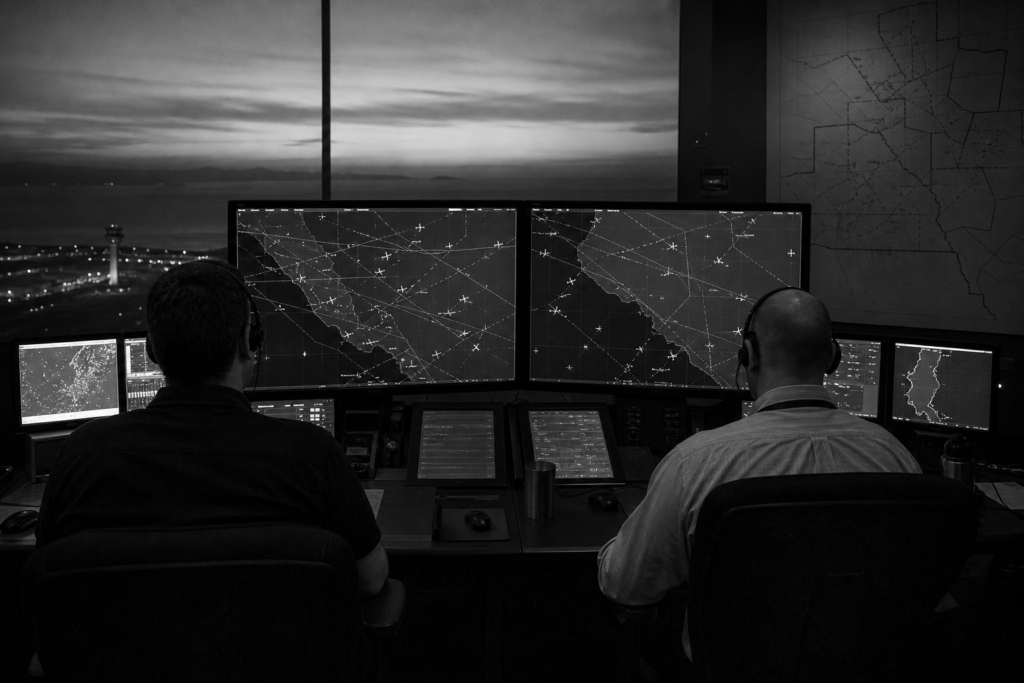
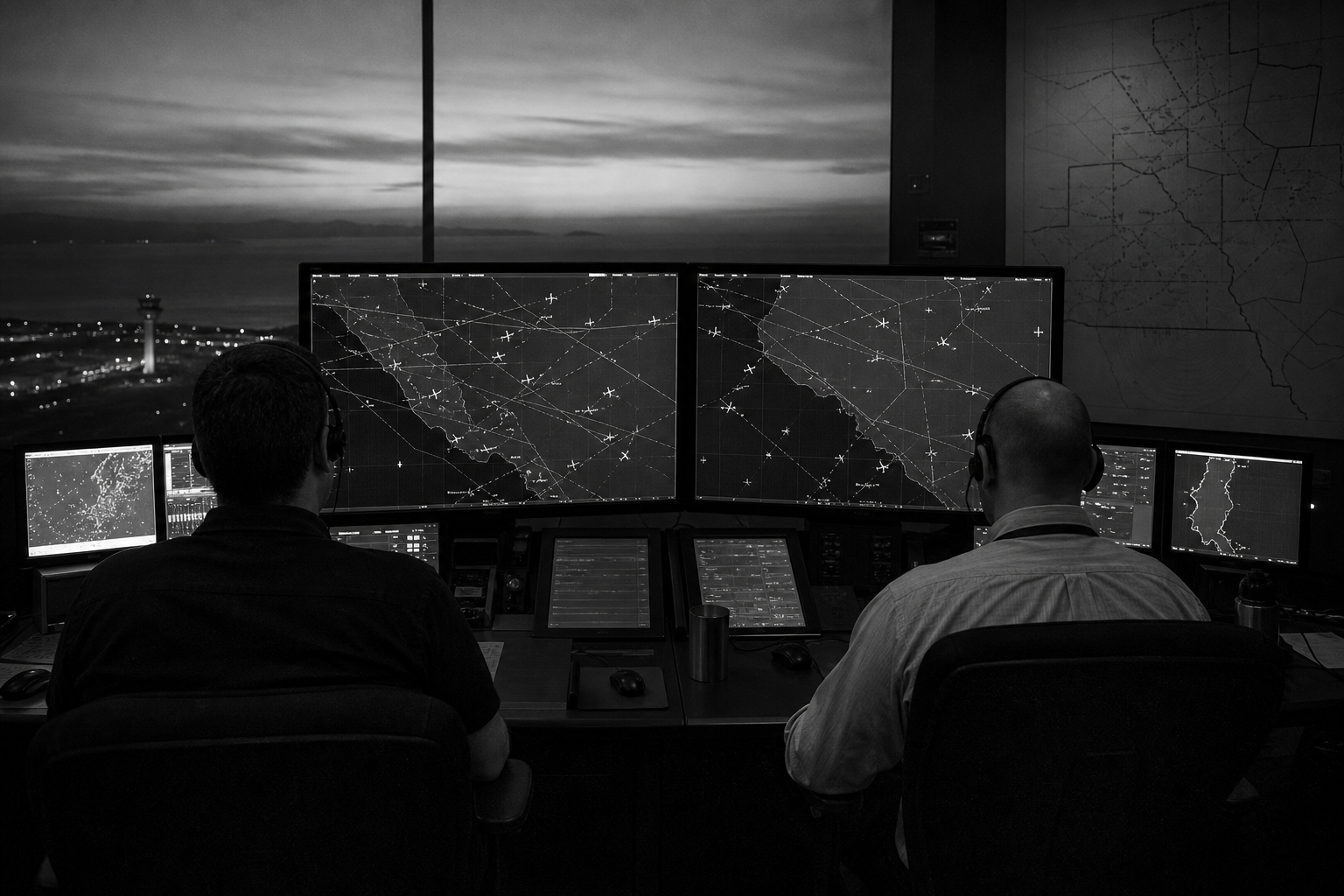
U.S. congressional hearings and Pentagon-related UAP coverage have made Washington the visual center of the disclosure debate. That visibility matters, but it can also distort the question. Reports of unidentified phenomena, military and civil-aviation records, and public demands for access arise in many national systems, not just in the United States.
Viewed globally, UFO disclosure is not one anticipated announcement or a single test of whether non-human intelligence has been confirmed. It is a patchwork of distinct actions: releasing historical files, collecting new sighting reports, assessing an airspace incident, funding or permitting scientific study, or answering parliamentary and public-records requests. An unresolved observation documents uncertainty; it does not, by itself, establish an extraordinary origin.
The useful question, then, is not which country will “disclose” first. It is what each government is actually releasing, investigating, withholding, or able to explain, and why. France’s public-facing case system, British archival releases, defense responses to aerial incursions, and differing transparency rules illustrate how records, security priorities, and accountability change across borders. Those differences make a coordinated worldwide revelation unlikely, while making international comparison essential.
UFO Disclosure Is Global, Even If the U.S. Dominates the Story
A transatlantic airliner can pass through several flight-information regions in one journey, while the International Civil Aviation Organization coordinates standards among 193 member states. A radar track near a border, a pilot report over an ocean approach, or an observation from orbit can therefore involve more than one jurisdiction and more than one kind of record: civil-aviation reporting, military surveillance, allied data-sharing, or diplomatic communication. Whether any of those records becomes public is a separate national decision.
That is why UAP disclosure has practical layers. U.S. law uses UAP to include not-immediately-identifiable airborne, transmedium, and submerged objects or devices; the label identifies an observation problem, not an origin. Declassification releases material once protected by secrecy rules. Transparency supplies usable information about an office’s work or findings. An investigation tests a particular report, while confirmation requires evidence sufficient to identify what was observed. A released file can be incomplete, and an unresolved case is not evidence of alien visitation or non-human intelligence.
Congressional hearings and the Pentagon’s All-domain Anomaly Resolution Office, established in 2022, give American UAP disclosure unusual visibility. They do not make other states’ archives, aviation authorities, defense ministries, or oversight systems extensions of Washington. The meaningful comparison is what records exist, why they were created, who can review them, and which security limits prevent their release.
What “Disclosure” Actually Means Across Different Countries
France’s GEIPAN, a unit of the national space agency CNES, illustrates why “disclosure” is not one event: it publishes case material and classifications, whereas the United Kingdom’s National Archives has released historical Ministry of Defence UFO files. Historical archive release makes past correspondence, reports, and assessments available; active aviation or military reporting creates records for a current operational purpose. Parliamentary questions can require ministers to state policy, while scientific work evaluates whether observations and measurements support an explanation. Access-to-information requests seek records already held by an agency, often one request at a time.
Those channels can produce sharply different degrees of UFO transparency within one country. A national archive may publish decades-old investigation summaries while a defense ministry withholds current radar tracks, sensor settings, intelligence assessments, or interception procedures. Old files illuminate institutional history; live sensor material can expose collection capabilities, methods, and vulnerabilities. A released British or French-era file therefore does not establish that current operational data are public, and withheld live data alone do not demonstrate a government UFO cover-up.
A national UAP office also deserves a narrower reading than its title may suggest. The U.S. All-domain Anomaly Resolution Office, established in 2022, can receive reports and issue public assessments, but an office of that kind is not automatically a declassification authority or a repository for every military, intelligence, and civil-aviation record. Its existence shows an administrative process; it does not by itself confirm non-human intelligence or guarantee comprehensive release.
A stronger standard for international UAP transparency asks four questions: what exact material was released; what category remains withheld; which organization collected the underlying data; and can independent readers examine the original evidence, metadata, methods, and stated limits? Those checkpoints distinguish an unresolved observation from an evidentiary finding, and a genuine access gap from an unsupported allegation of concealment.
International Records Show Different Models of Openness
National systems become most revealing when their records are read for function rather than treated as interchangeable proof. France’s GEIPAN illustrates a public-facing reporting-and-publication model: its value lies in making individual cases and classifications available for scrutiny. A case left unresolved denotes an observation not satisfactorily explained from the material available; it is not an official finding of non-human intelligence. The strength of this approach is that readers can see how a civilian-facing process handles reports. Its limit is equally important: published case material varies in detail, and a reporting service is not a complete inventory of defense or intelligence collection.
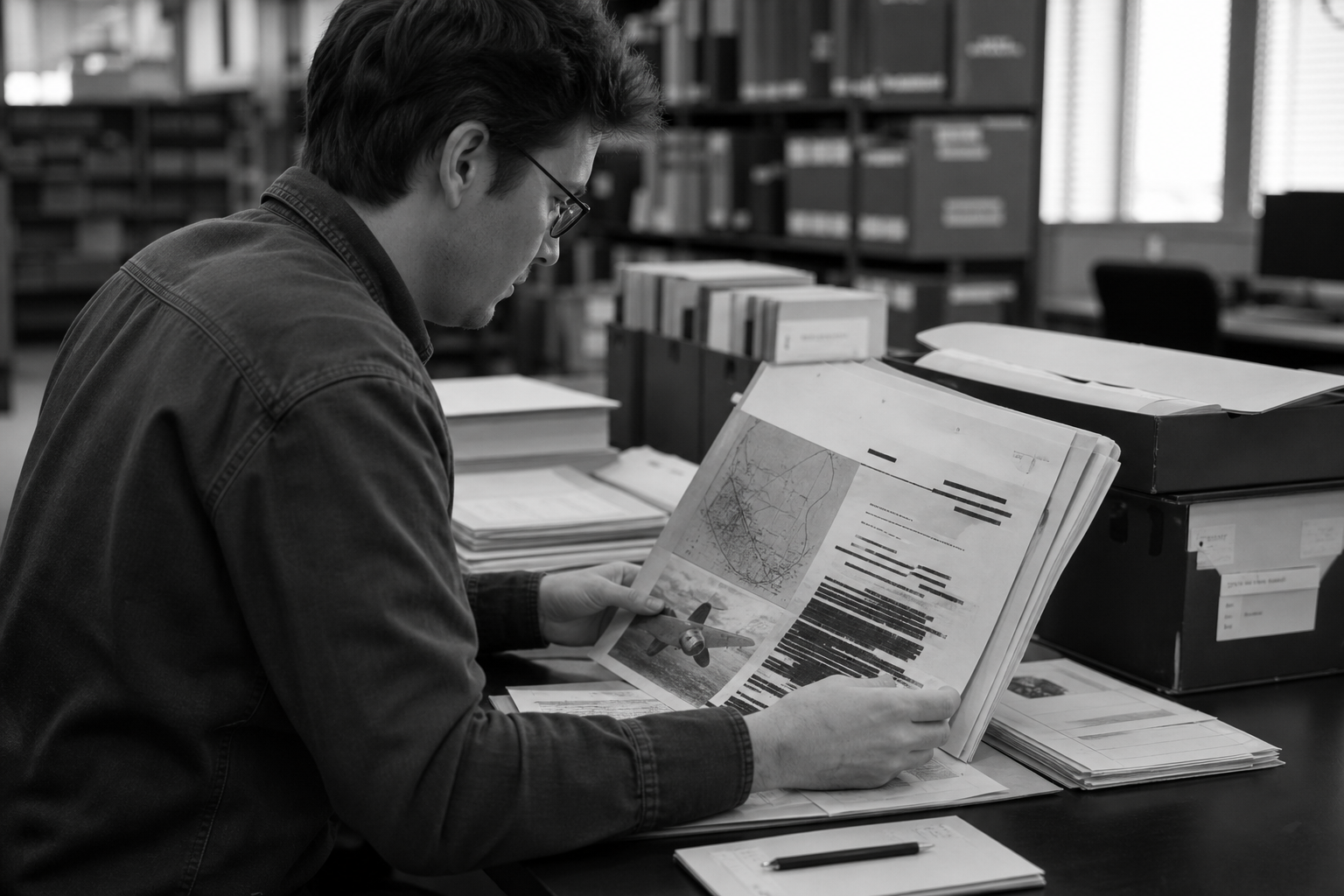
The United Kingdom offers a different route. The National Archives’ Ministry of Defence UFO holdings are declassified archives: historical records transferred for public access, rather than a live investigative feed. They can show what officials recorded, debated, and retained during a particular period. They cannot by themselves establish what present-day agencies possess, nor can the release of a file turn an unresolved report into a verified extraordinary event. For readers, the useful distinction is between the date of an incident, the date a record was created, and the later date it became public.
Brazil demonstrates a third pathway through publicly accessible historical military materials and engagement with official institutions. Such historical case files can preserve pilot accounts, correspondence, and military-era documentation that would otherwise remain difficult to examine. Their evidentiary value depends on what accompanies them: an original report and its provenance are stronger than a later summary or claim about what a record supposedly proves.
These are not branches of a shared global program. They are different answers to different administrative questions, public case handling, archival release, and institutional access, as illustrated by Belgium’s military and public-reporting response during the 1990 UFO wave, and that variation is the central fact of international UFO disclosure.
The Immediate Global Stakes Are Aviation Safety and Airspace Security
An unidentified report near an active flight path is first an operational problem, not evidence of an extraordinary origin. The label can cover a drone, balloon, debris, a conventional aircraft seen under unusual conditions, a sensor artifact, possible surveillance activity, or an observation for which the available data are simply insufficient. That uncertainty is precisely why aviation safety systems need reports: the immediate task is to establish location, altitude, movement, and possible conflict with traffic, not to settle a larger metaphysical claim.
Responsibilities also divide by function. A pilot reports what was seen and any effect on the flight; air-traffic personnel assess separation and route implications; a civil-aviation authority can examine hazards and reporting patterns; and a defense ministry assesses whether the track may implicate airspace security. Those tracks can overlap without producing one public file. A detailed radar image, sensor capability, interception procedure, or intelligence assessment may reveal how a state detects activity and therefore remain restricted, while a safety account can still be shared in less sensitive form. An unresolved UAP sighting means the available information did not support a firm identification; it does not establish a craft, intent, or non-human intelligence.
Cross-border movement makes this division sharper. A track might be observed by one country, enter another’s airspace, pass near international civilian routes, and be correlated with allied sensors. Each participant may hold a different fragment, pilot testimony, air-traffic data, radar returns, or defense analysis, and each applies its own release rules. UFO disclosure in such cases is therefore often a question of what can be disclosed without exposing operational methods, while preserving enough information for public accountability and aviation risk assessment.
Scientific Inquiry Is International, but the Evidence Is Uneven
Scientific investigation begins by improving the observation, not by enlarging the story around it. A useful case preserves provenance, who collected each record and when, along with instrument calibration, timing, location, weather, viewing geometry, and the processing applied to images or tracks. Those details let other analysts test mundane alternatives, identify artifacts, and determine whether a result can be reproduced. A dramatic account without that context may be worth recording, but it has limited explanatory power.
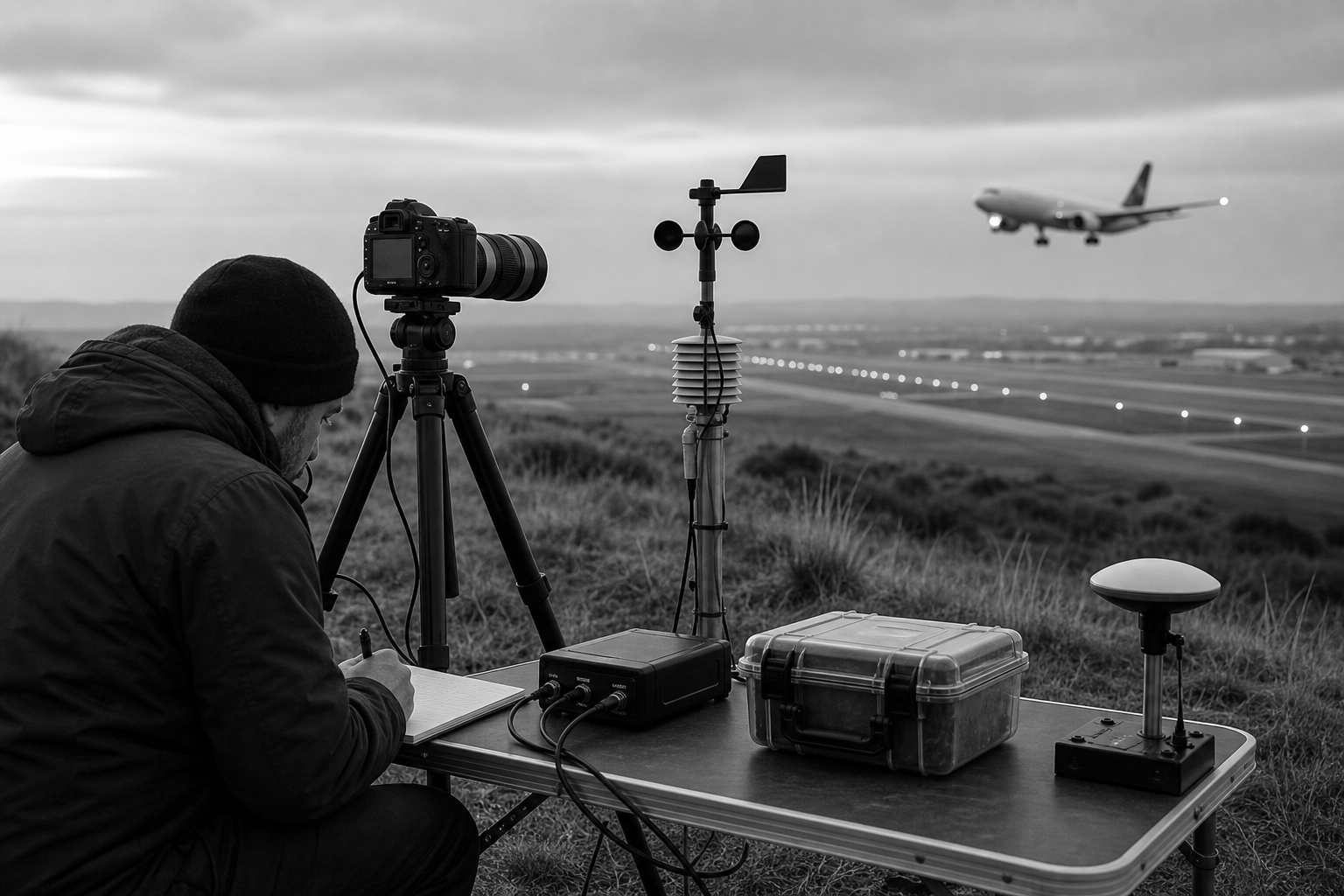
Public sightings can identify patterns worth examining; higher-value cases combine independent observations, such as a visual report with time-matched radar, infrared, satellite, or other sensor data. “Multi-sensor” does not mean self-validating: sensors can share timing errors, be affected by atmospheric conditions, or be interpreted incorrectly when analysts lack the operational context. Military-collected data may also be partial or withheld because its release could reveal capabilities. The practical distinction is between an observation that remains unidentified and evidence that positively supports an extraordinary explanation. Scientific interest in the former does not confirm non-human intelligence.
The UAP study’s research-oriented approach is most useful as a model for the question it emphasizes: how to create data that can be assessed openly and consistently. Its broader lesson applies beyond the United States. Research-oriented efforts need shared reporting fields, calibrated instruments, preserved metadata, transparent analytical methods, and opportunities for independent review across borders. Better sensor data may reduce uncertainty in many cases; where it does not, the responsible conclusion remains a measured one, unresolved, with the limits of the evidence made visible.
Why There Is No Single Global Disclosure Process
A shared scientific vocabulary does not create a shared release authority. Global UFO disclosure has no central office that can compel states to submit sightings, publish sensor files, or follow a common timetable. United Nations forums can support cooperation on broad outer-space, aviation, and security questions, but they do not function as a standing worldwide investigation of unidentified sightings.
Each record remains governed by the system that produced it. A civil-aviation report may be handled as a safety record; a military radar track may expose coverage, range, processing methods, or operational responses; an intelligence-derived assessment may implicate sources, partners, or collection priorities. Releasing a short narrative and releasing the underlying data are therefore very different choices. The first can inform the public while limiting exposure; the second can permit deeper analysis while revealing sensitive capabilities.
National access rules add another layer of unevenness. Some systems emphasize archival publication, others require case-by-case public-records requests, and others permit broad withholding for defense, privacy, diplomatic, or commercial reasons. Limited allied cooperation on UAP can further restrict redistribution of information collected jointly or supplied by another government.
Cross-border reporting is consequently difficult even when neighboring countries observe the same event. Records may use different timestamps, classifications, sensor formats, retention schedules, and disclosure thresholds. Shared data-sharing standards could make comparison more useful, but they cannot by themselves override national control of military, intelligence, or privately held information. An unresolved report in one country is not automatically a missing disclosure from another.
How to Read UFO News in 2025 and 2026 Without Overclaiming
A headline is the beginning of an evidentiary trail, not its endpoint. For UFO sightings 2025 and reports emerging in 2026, first identify whether the item is an initial witness account, an agency acknowledgment that it received a report, an active investigation, or a completed official assessment. These are materially different stages: a report records a claim; an assessment explains what the available material can, or cannot, support.
- Start with the originating body. A civil-aviation authority, defense ministry, archive, police service, research institution, and private advocacy group have different mandates and access to data.
- Read the date and jurisdiction closely. Publication date, incident date, and the country or airspace involved may not be the same, and reposted material can make old cases appear new.
- Identify the data type. A written testimony, phone video, radar track, cockpit recording, intelligence summary, and declassified memo offer different kinds of support; none should be treated as interchangeable.
- Ask about provenance: who obtained the material, whether the original file and metadata are available, what processing occurred, and whether a clear chain of custody connects the item to the claimed event.
- Give weight to stated limits and independent corroboration. An unresolved case means the record did not permit a confident explanation, not that it establishes alien disclosure.
Extraordinary allegations about hidden programs, recovered materials, or non-human intelligence require evidence beyond testimony or a released document: they need identifiable underlying material and independent confirmation. Careful reading of UAP news therefore keeps uncertainty visible. The global issue is not a synchronized revelation, but how institutions across borders handle safety, secrecy, accountability, and evidence when certainty is unavailable.
Disclosure Is a Global Patchwork, Not a Single Event
The pattern is clearer when each national approach is kept in its proper category. France’s public case-handling model, the United Kingdom’s archival route, and Brazil’s historical military materials each make information available in different ways; none amounts to a universal verdict on the origin of every reported phenomenon.
That variation is not a defect in one supposedly delayed global process. Archives are designed to preserve and release older records; reporting systems capture incoming observations; defense organizations assess possible threats; and aviation authorities focus on immediate operational risk. Their records answer different questions, carry different evidentiary weight, and may remain incomplete where privacy, intelligence methods, or security interests are involved.
There is also no binding worldwide disclosure timetable, shared UAP database, or authority able to impose a single standard of publication. A development in Washington may be consequential, but it cannot substitute for records, decisions, or oversight in other jurisdictions.
The durable standard for following UFO disclosure is therefore straightforward: identify the institution, inspect the underlying evidence, place the event in its national and airspace context, and ask what practical aviation or security issue is actually at stake. A released file is documented history; an unresolved observation is unresolved; speculation remains speculation unless independently supported.
Sources
Frequently Asked Questions
-
Why is UFO disclosure a global issue, not just a U.S. issue?
UFO and UAP reports can involve civil aviation, military surveillance, allied data-sharing, and diplomatic records across multiple countries. The International Civil Aviation Organization coordinates aviation standards among 193 member states, but each country decides what records it releases.
-
Is UAP disclosure the same as confirming aliens or non-human intelligence?
No. UAP describes an observation that is not immediately identifiable, while confirmation of non-human intelligence requires evidence sufficient to establish what was observed. An unresolved case means available information did not support a firm identification.
-
Which countries have released official UFO or UAP records?
France’s CNES GEIPAN publishes public case material and classifications, while the United Kingdom’s National Archives has released historical Ministry of Defence UFO files. Brazil also provides access to historical military materials, including pilot accounts, correspondence, and official-era documentation.
-
Why do governments withhold radar and military UAP data?
Live radar tracks, sensor settings, interception procedures, and intelligence assessments can reveal a country’s detection capabilities, operational methods, and vulnerabilities. Governments may release less sensitive safety narratives while restricting the underlying military or intelligence data.
-
What should I look for when evaluating an international UFO report?
Identify the originating institution, incident date, jurisdiction, and type of evidence, such as testimony, video, radar, or a declassified memo. Give greater weight to original files with metadata, a documented chain of custody, stated limits, and independent corroboration from separate sensors or sources.