UAP Reverse Engineering: What the Term Means in Defense Contracting (and What It Would Take to Prove)
Learn what UAP reverse engineering means in defense contracting and the records, material evidence, and oversight needed to prove it.
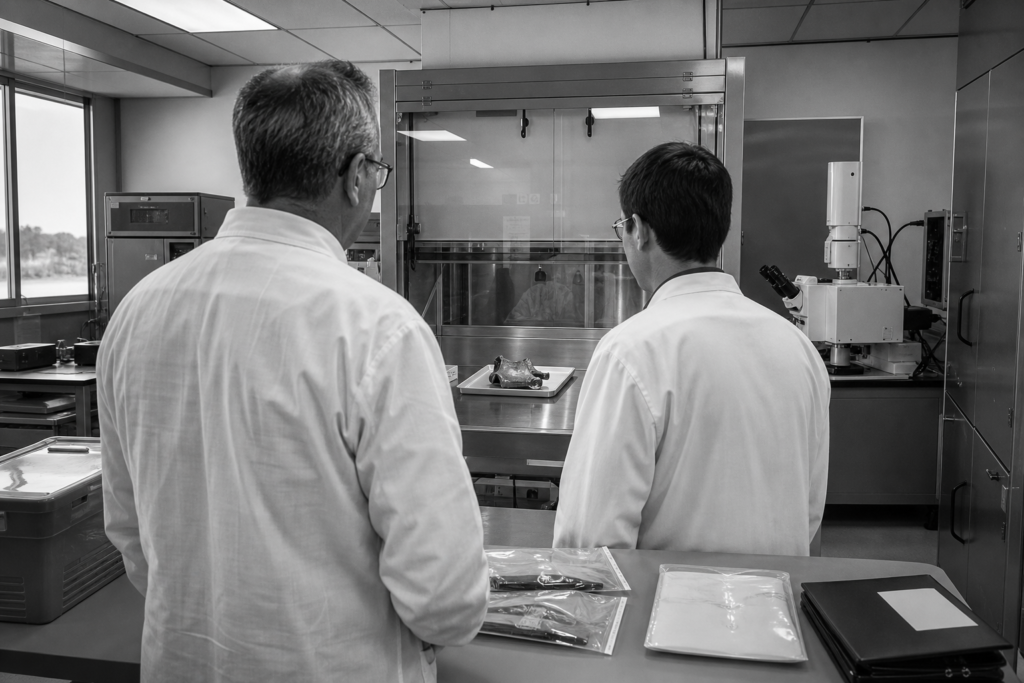
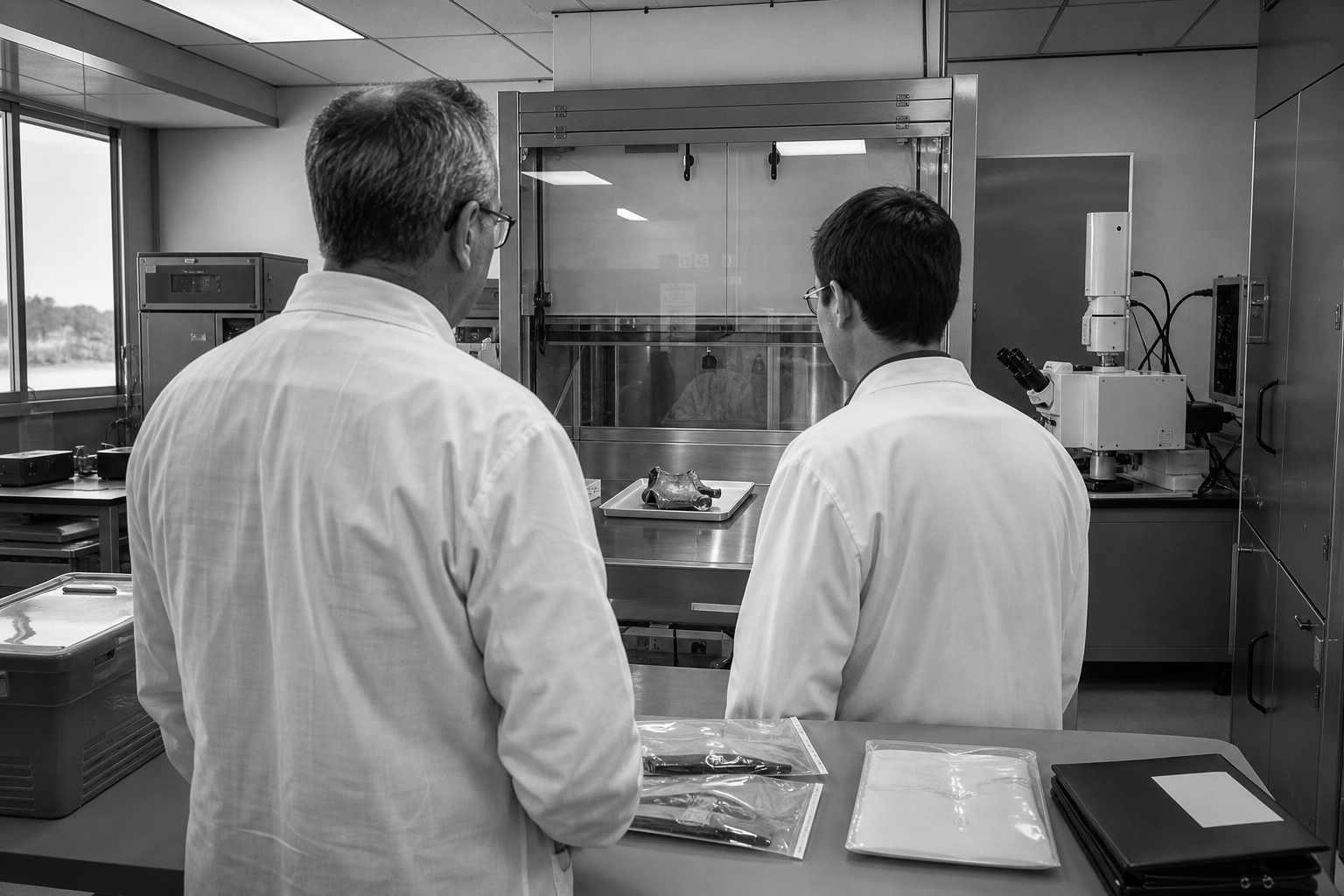
Claims of recovered anomalous technology attract attention because they join two potent ideas: tightly held national-security work and the possibility that an object’s origin lies outside known human programs. But public interest is not proof. In a defense-contracting context, UAP reverse engineering would mean analyzing alleged anomalous material or technology to determine how it was made, what it does, and whether its design can be reproduced or countered; the phrase alone does not establish that such a program exists.
That distinction matters because reverse engineering itself is ordinary technical work. Laboratories and contractors can inspect a recovered component, map its materials, measure its performance, and identify manufacturing methods without making any extraordinary claim about where it came from. An assertion that the item is non-human, by contrast, depends first on provenance: a documented account of recovery, custody, storage, and transfer that rules out more conventional explanations.
This article applies an evidence-first test. Weak signals include testimony about a program or an unverified image. Stronger signals connect authenticated records to a sponsor, funding path, responsible office, and identifiable material. A substantiated claim would require those records to converge with an unbroken chain of custody, reproducible testing by qualified independent laboratories, and direct, verifiable corroboration. Classification can restrict public release, but cleared congressional, inspector general, audit, and judicial channels can still examine the underlying evidence.
What “UAP Reverse Engineering” Would Mean in a Real Defense-Contracting Context
A real effort begins with a bounded technical problem. Engineers may disassemble an item, characterize its alloys or electronics, map its geometry, measure signatures and performance, identify production techniques, locate failure points, or assess whether a capability can be replicated, defeated, or safely handled. Those are distinct objectives: replication seeks to reproduce a function, exploitation seeks to understand it, and vulnerability analysis seeks to counter it. The work can produce data even when it never produces a working copy.
In defense contracting, that task would ordinarily be organized rather than merely discussed. A sponsoring office would define the requirement and intended outcome; the item itself, test results, drawings, or sensor data would be controlled as accountable government property or protected information; and a funded performer would receive a scope of work, deliverables, reporting channels, and technical oversight. If access required classified acquisition controls, the personnel, facilities, communications, and data-handling arrangements would also be limited to the relevant authorization and need to know.
The practical distinction is between an allegation that “someone studied material” and evidence that identifies an actual effort. A weak signal is a secondhand assertion without an item, sponsor, task, or date. A stronger signal ties a named office to a defined technical objective, funding record, accountable custodian, and contemporaneous work product. The decisive issue in a UAP reverse-engineering allegation is therefore not whether specialists could conduct such analysis; it is whether the material’s claimed anomalous origin can be traced through the same accountable structure.
The Critical Distinction: Technical Exploitation Is Common; Non-Human Provenance Is the Claim That Requires Proof
The same laboratory methods can be applied to objects with entirely different histories. Foreign materiel exploitation concerns known or plausibly attributable equipment obtained for technical assessment; captured-system analysis examines an intact system or fragment for capabilities and vulnerabilities; component teardown isolates parts such as circuitry, coatings, actuators, or power hardware; and aerospace prototyping develops new designs from stated performance goals. Each activity can legitimately involve sensitive materials, propulsion concepts, sensor data, and aircraft-component testing without implying an anomalous recovery.
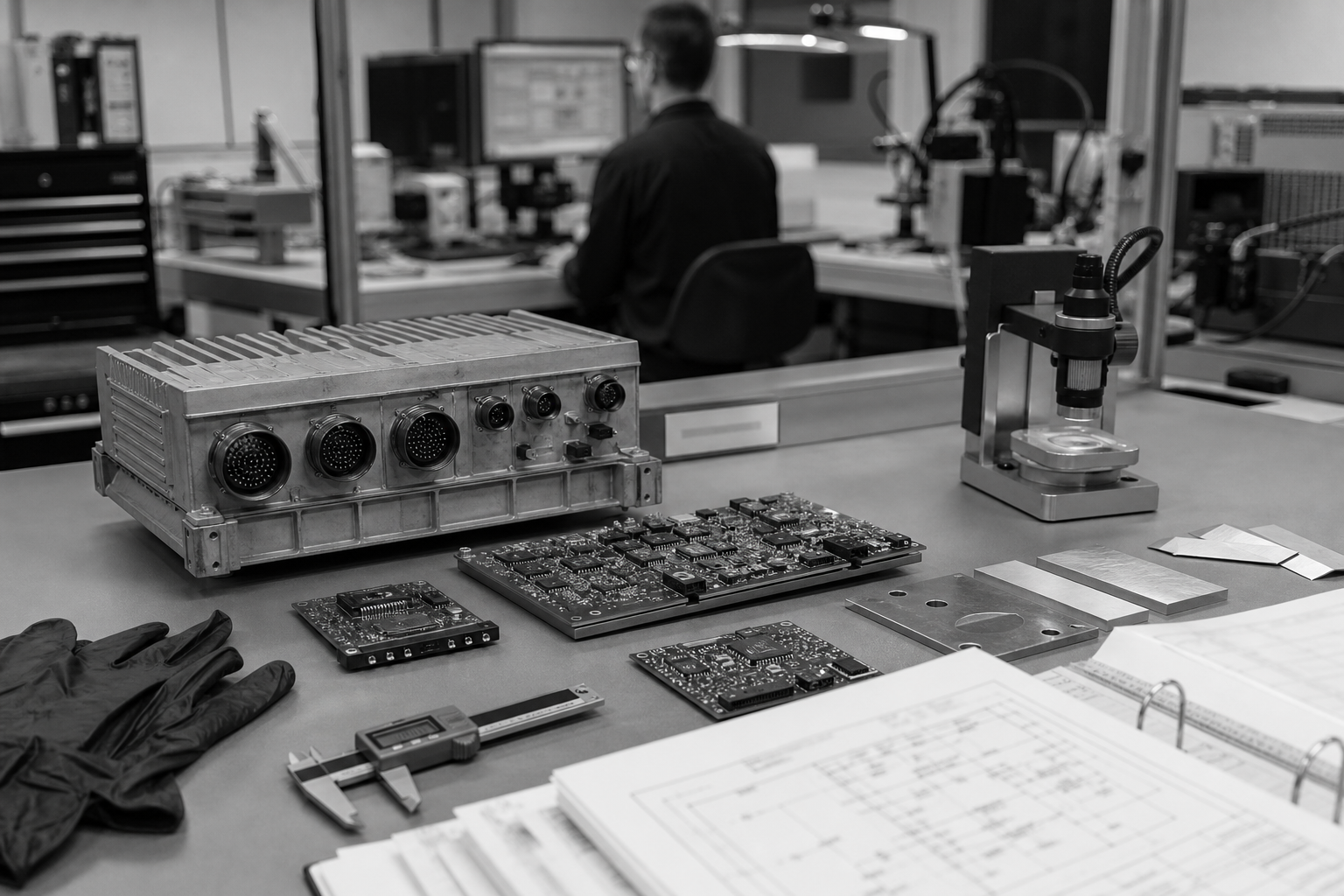
That is why a contract title, laboratory capability, or isolated test report is a weak provenance signal. An alloy’s composition can show what elements, phases, impurities, and processing marks are present. A propulsion experiment can measure thrust, heat, efficiency, or control behavior. Sensor work can characterize detection and tracking. None answers where the examined object came from unless the sample’s collection history is independently established. Performance analysis describes what an item does; provenance analysis connects that item to a documented origin.
The claim therefore becomes materially stronger in stages. “An object was analyzed” requires an identifiable specimen and credible analytical records. “The object was recovered from an anomalous event” additionally requires contemporaneous recovery records, location and date information, named custodians, and an unbroken chain showing that the tested sample is the recovered item. “The object was non-human in origin” is a further conclusion, not a label that testing can supply by itself: it would require reproducible findings that exclude plausible terrestrial manufacture or known human programs, along with direct, verifiable corroboration of the recovery account.
In practical terms, reverse engineering alleged UAP materials cannot be established by pointing to ordinary research that happens to sound advanced. The meaningful evidentiary package would have to join the technical work to the material, the material to the recovery, and the recovery to a provenance conclusion through records and independent examination. Without all three links, a claim may justify further inquiry, but it does not demonstrate UFO reverse engineering of non-human technology.
What a Genuine Classified Program Would Normally Leave Behind
Classification changes who may inspect an acquisition trail; it should not turn a claimed effort into an evidentiary blank. A credible account of a classified UAP reverse-engineering program should be capable of identifying an authorization basis, a sponsoring office, and a funding path. That path would ordinarily connect an appropriation or program element to a controlled work package, even if the public cannot see its name, amount, or technical purpose. A special access program, or SAP, is a compartmented arrangement that restricts access beyond ordinary classification; it can narrow distribution, but it does not make responsibility for funds and decisions disappear.
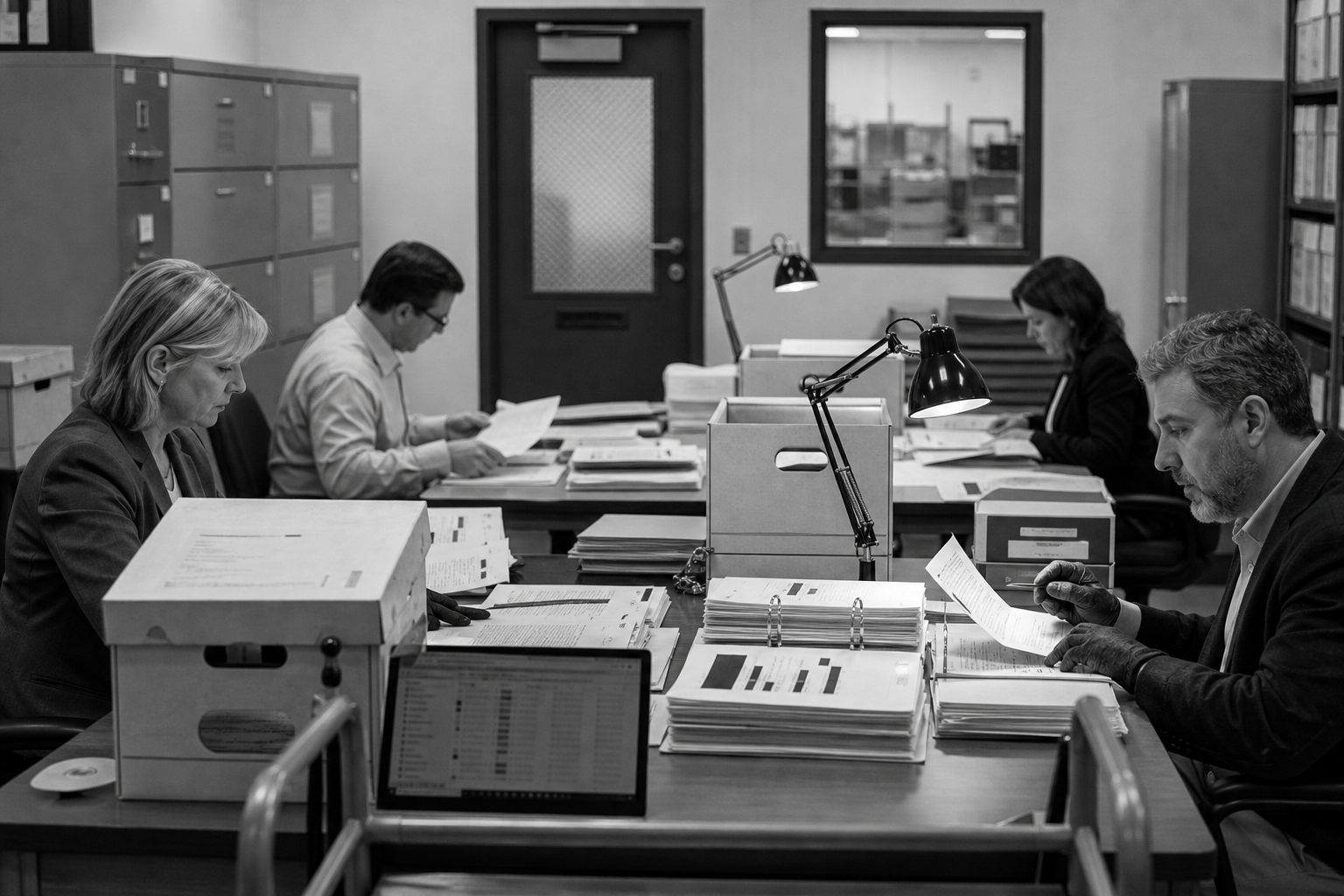
At the execution level, the relevant trail would be more specific than a rumor about a laboratory. Investigators should look for contracting-officer actions, a statement of work defining the technical task, contract line items that break work into funded units, security markings, and deliverables such as test results, engineering reports, or handling records. Technical-data controls identify who may receive drawings, measurements, software, or process information. Property and custody records should identify what item or sample was received, where it was stored, who transferred it, and what happened to it. Invoices, acceptance records, and audit material can then test whether the stated work was funded and performed.
These records need not be publicly searchable, and a compartmented program may divide them among separate systems and cleared personnel. That limitation is important, but it also supplies a practical test. A weak claim offers only a program nickname, a general contractor reference, or an assertion that records are classified. A stronger claim gives authorized reviewers enough particulars to locate the sponsor, task, funding, material controls, and responsible officials. The most meaningful checkpoint is convergence: cleared congressional overseers, inspectors general, auditors, or other authorized investigators should be able to examine the underlying record set and determine whether its entries describe the alleged work rather than an unrelated classified activity.
What Would Actually Prove a UAP Crash-Retrieval or Reverse-Engineering Program
The threshold is a converging record, not a single dramatic exhibit. To substantiate a UAP crash-retrieval or reverse-engineering program, each link, from authorization to material to laboratory conclusion, would need to support the same specific account.
- Documentary proof: authenticated records would identify the sponsoring office, contract vehicle, funding source, tasking, dates, responsible personnel, and deliverables. A contract reference alone is weak because it may concern ordinary aerospace or foreign-material work; a matching statement of work, invoice trail, acceptance record, and technical report would tie the activity to a defined program.
- Physical proof: the object or samples would need a continuous, secure chain of custody. Recovery logs, photographs, transfer receipts, storage locations, tamper controls, sample-preparation notes, and property-accountability entries should establish that the material tested is the material recovered, not a substituted, contaminated, or later-created specimen.
- Technical proof: qualified laboratories would need to preserve methods, calibration records, sample handling, and raw technical data so independent experts could repeat the work. An unusual alloy or unexplained measurement is a lead, not a conclusion. The analysis must test and rule out plausible terrestrial manufacturing, contamination, misidentification, and foreign-origin explanations before claiming exceptional provenance.
- Legal and oversight proof: sworn testimony matters most when it is authenticated, based on direct knowledge, and matched against records available to cleared investigators. The useful result is not merely that officials heard an allegation, but that an authorized review can report which documents, materials, and witnesses corroborated it.
- Independent corroboration: separate reviewers, such as auditors, inspectors, cleared congressional staff, or laboratories without a stake in the outcome, should reach compatible findings. Public release may remain limited, but a credible account should permit independent confirmation of the core facts without revealing legitimately protected technical details.
That is the burden for UAP reverse engineering: a documented program, traceable material, reproducible technical findings, and corroboration that survives review outside the original circle of claimants.
What Public Allegations, Congressional Interest, and AARO Reviews Do, and Do Not, Establish
In the public record, UAP reverse engineering remains a claim category, not an established program finding. Public testimony, a congressional hearing, an inspector-general referral, an interview, or a press account can identify people, dates, offices, and alleged locations worth investigating. None, standing alone, authenticates a contract, establishes a material’s origin, or demonstrates that testing produced non-human technology.
David Grusch’s 2023 congressional testimony is consequential in that narrower sense: it placed allegations of crash-retrieval and exploitation activity before lawmakers under oath and created specific leads for authorized review. The publicly presented testimony did not itself include an authenticated program file, a traceable sample, laboratory data, or direct public corroboration from a responsible contracting or technical official. A UAP whistleblower can therefore supply an investigative predicate without supplying contract-grade proof.
- Weak signals include anonymous accounts, unattributed documents, media repetition, and assertions relayed secondhand. They may preserve a lead, but the reader cannot test the underlying access, context, or authenticity.
- Stronger signals include sworn first-hand accounts matched to dated records and reviewed by officials with authority to obtain classified material. A hearing demonstrates congressional interest; it does not demonstrate that its subject allegation was substantiated.
- Decisive corroboration would join authenticated records and accountable witnesses to a controlled physical item and independently reproducible technical results.
AARO’s public historical reporting matters because it is an official assessment of the records, interviews, and alleged programs available to its review. Its conclusions should not be recast either as proof of the allegations it examined or as proof that every possible compartment, witness, or archive received unrestricted independent scrutiny. The practical significance is more limited and more useful: its findings are a documented institutional result that competing claims must engage with, while cleared oversight bodies retain the means to test specific contrary evidence beyond public UAP disclosure.
How Congress and Authorized Investigators Could Verify a Classified Claim
The practical question is whether investigators can test a specific allegation without publishing the underlying files. They can structure the inquiry around a preservation notice: identify alleged offices, contractors, facilities, dates, program names, and material identifiers, then prevent relevant paper and electronic records from being discarded or altered while review proceeds.
In secure briefings, cleared members and designated staff can compare an allegation against authorization papers, funding entries, tasking documents, delivery records, and access rosters. Where applicable, congressional compulsory process can require testimony or records; an inspector general review can independently examine whether officials, offices, or contractors handled the matter as claimed.
- Budget tracing follows money from a sponsoring office through controlled work packages and invoices. A vague assertion that funds were hidden is weak; matching obligations, approvals, and completed deliverables is materially stronger.
- Access and custody testing compares a witness’s claimed knowledge with clearance status, compartment access, visitor logs, transfer receipts, and chain-of-custody records. Access alone does not prove firsthand knowledge, but a mismatch can contradict a precise account.
- Program and contractor examination tests whether responsible personnel, including a contracting officer where relevant, can authenticate the stated task, material handling, and technical results.
A compartmented program may limit what can be released publicly, not whether authorized reviewers can seek a substantiated or contradictory record. A government UFO cover-up allegation therefore remains testable through controlled oversight rather than becoming immune from evidence simply because its alleged subject is classified.
Bottom Line: Investigation Is Justified by Claims; Proof Requires Verifiable Evidence
The conclusion is straightforward: “UAP reverse engineering” is a claim about analyzing alleged anomalous material or technology, not proof that such a program exists. Reverse engineering and restricted defense contracting are real; public UAP news, sightings, whistleblower accounts, and oversight interest can therefore justify a focused inquiry. They do not establish that a particular item was recovered, studied, or of non-human origin.
The dividing line is verifiability. A serious finding would join authenticated program and funding records to an unbroken material-custody history, credible and reproducible laboratory results, and independent corroboration from people with direct, testable knowledge. A compelling story or a classified label is weak evidence; those converging records would establish both that the work occurred and whether the material possessed the extraordinary provenance alleged.
The Test Is Evidence, Not Intrigue
The first screening question for any future assertion is whether an authorized reviewer could test it, rather than whether it sounds restricted, dramatic, or widely repeated. A claim of analysis of purported anomalous technology does not establish either the work or the item’s claimed origin.
A useful standard has four linked checkpoints. Authenticated records should identify a sponsor, authority, task, contractor or government performer, and funding path. The physical item should have a documented recovery history and continuous custody, rather than an unsupported account of where it came from. Qualified laboratories should produce methods, measurements, and results that independent experts can reproduce or challenge. Officials with direct knowledge should then be able to corroborate the same account through controlled oversight.
A laboratory test, a compartmented access label, or a witness’s sincere report can each supply a lead without supplying a conclusion. The stronger case connects those signals; the decisive case survives scrutiny by cleared congressional, inspector-general, audit, or judicial processes. Until that convergence is available, an allegation may justify investigation, but it has not met the burden of proof.
Sources
Frequently Asked Questions
-
What does UAP reverse engineering mean in defense contracting?
It means technically analyzing alleged anomalous material or technology to determine how it was made, how it performs, and whether it can be reproduced, exploited, countered, or safely handled. The term alone does not prove that a program exists or that the material is non-human.
-
What is the difference between reverse engineering and proving non-human UAP technology?
Reverse engineering can involve routine testing of alloys, electronics, geometry, signatures, manufacturing methods, and failure points. Proving non-human origin requires documented recovery, an unbroken chain of custody, reproducible testing, and evidence that rules out terrestrial manufacture, contamination, misidentification, and known human programs.
-
Would a classified UAP reverse-engineering contract leave records?
Yes. A genuine classified effort would normally have an authorization basis, sponsoring office, funding path, statement of work, contract line items, security controls, deliverables, invoices, acceptance records, and property or custody documentation. A special access program can restrict access, but it does not eliminate accountability for decisions, funding, or material handling.
-
What evidence would prove a UFO crash-retrieval or reverse-engineering program?
Proof would require converging evidence: authenticated program and funding records, a continuous chain of custody for the material, preserved laboratory methods and raw data, and independently reproducible results. Sworn firsthand testimony must also match records, accountable witnesses, and physical evidence reviewed by cleared investigators or independent laboratories.
-
What should investigators look for when evaluating a classified UAP reverse-engineering claim?
Investigators should trace the sponsor, authority, contractor, tasking, funding, material identifiers, access rosters, transfer receipts, invoices, and technical deliverables. A claim is stronger when its records, custody history, laboratory results, and direct witnesses all describe the same specific activity rather than unrelated classified aerospace or foreign-material work.