UAP Disclosure in the House and Senate: Powers, Procedures, and Where Proposals Can Stall
Understand UAP disclosure in Congress: compare Senate and House powers, NDAA bargaining, and how bills become public records.
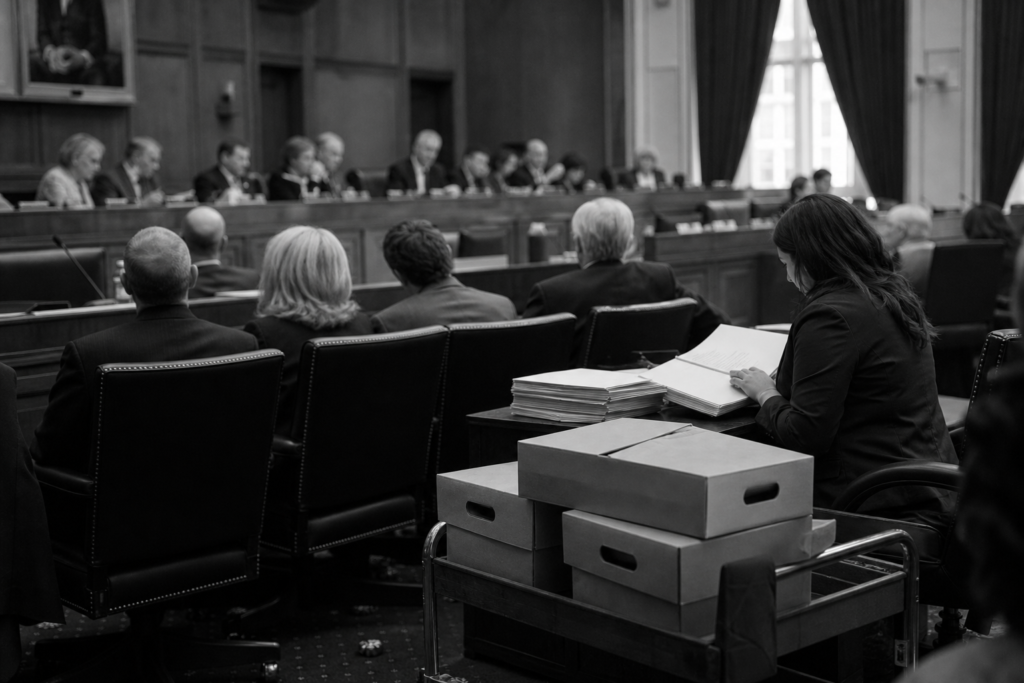
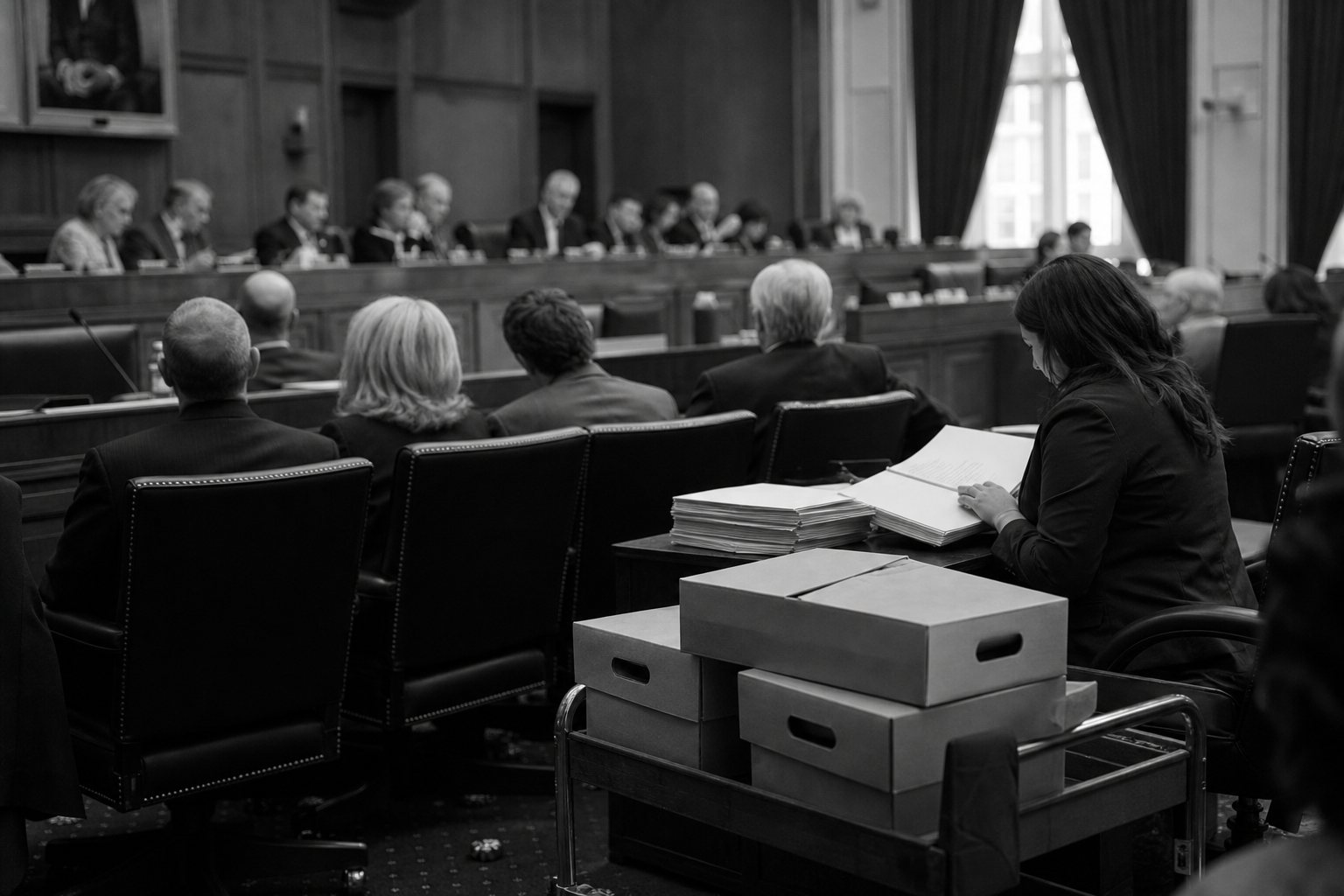
UAP disclosure is often cast as a Senate-versus-House showdown. That framing misses the harder question: which institution can turn public pressure, testimony, and proposed language into rules that actually require records to be found, reviewed, and released?
The two chambers can pursue the same subject through very different tools. A hearing can expose questions and create a public record, but it does not itself change disclosure policy. An amendment can attach conditions to a larger bill, but it may be narrowed or removed before final passage. A statute can direct executive-branch action, yet agencies still determine how to carry out review, classification, transfer, and publication duties within its terms.
This guide treats UAP disclosure as a civics problem, not as proof that any particular allegation has been verified. It will explain the Senate’s role in building broad legislative frameworks; the House’s leverage through committees, floor procedure, and funding; and why both chambers must usually reach a common text. It will also follow the National Defense Authorization Act process from proposal to compromise, then trace the less visible post-enactment path from congressional instruction to records the public may actually see.
Why Senate vs. House Procedure Can Shape What the Public Learns
Public attention can accelerate an inquiry, but it is not a release mechanism. A member of Congress may seek answers, and a committee may put witnesses on the record, without gaining personal authority to publish classified material. That distinction keeps public allegations, congressional investigation, and verified government findings in their proper lanes.
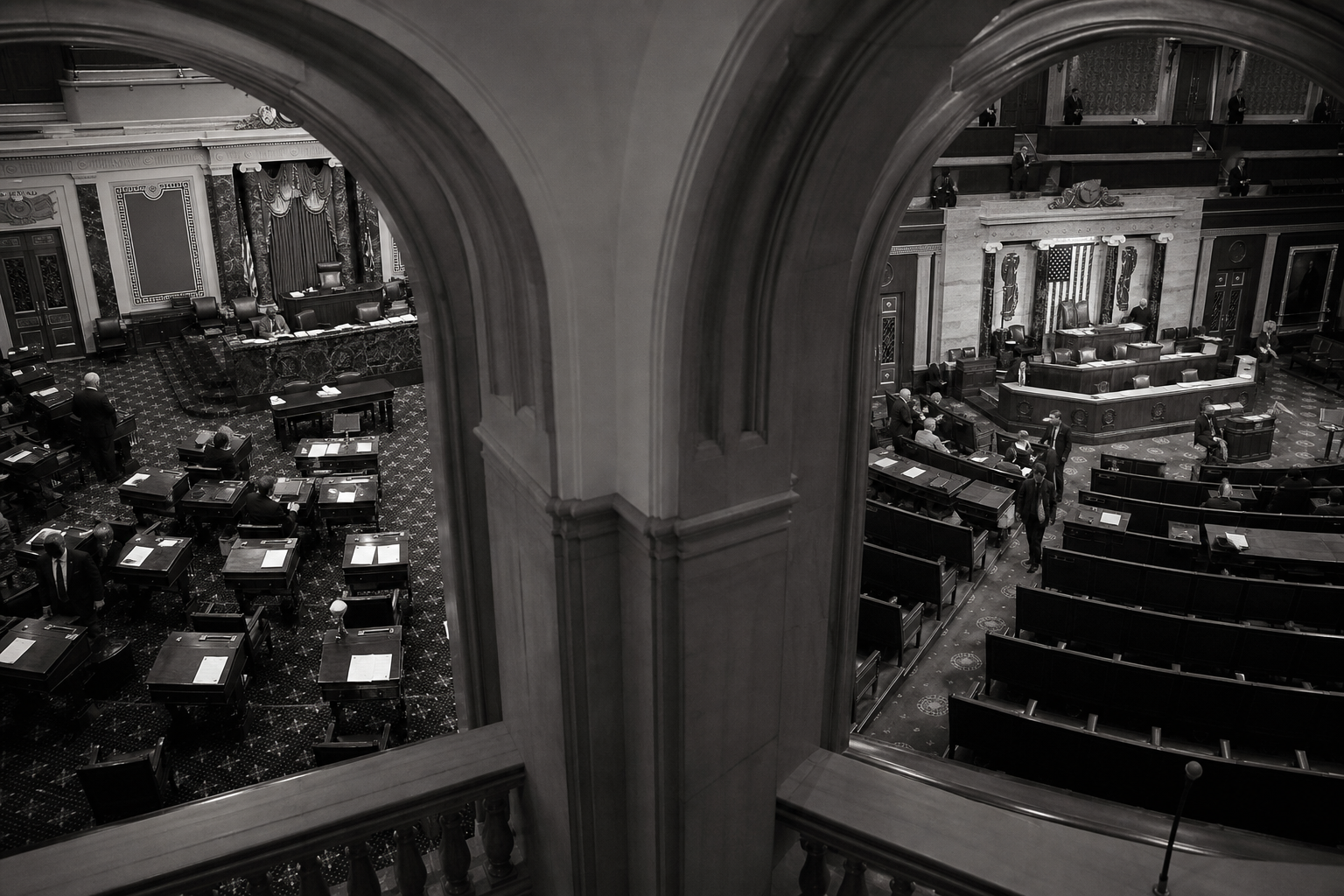
The procedural choices matter because each tool produces a different result. A report requirement asks an agency to answer; a records process creates duties for locating, reviewing, and handling material; funding can support or constrain oversight work; and a hearing tests claims in public or closed session. None is the same as an order to disclose every record immediately.
The Senate and House also exert those tools differently: committees set investigative priorities, chamber rules determine how proposals move, and the House’s spending role can create especially direct leverage. But durable Congressional UAP disclosure must ultimately clear both chambers in identical form, be signed or otherwise survive presidential review, and then be carried out by executive-branch officials who apply classification and review rules. The public result is therefore a chain of decisions, not a one-lawmaker win or a viral-hearing moment.
What Both Chambers Can Do, and What Neither Can Do Alone
Think of the available tools as different levers, not interchangeable forms of disclosure. Authorizing legislation sets policy, while appropriations provide or restrict money for that work. Together, they can create a duty and give it practical force, but neither automatically places underlying material in public view.
Congressional oversight uses hearings, questions for the record, staff investigation, and requests for information to test how an agency is handling an issue. A public hearing creates a searchable public record; a classified briefing lets members examine sensitive material without making it public. The tradeoff is straightforward: public sessions inform citizens but may be less detailed, while closed sessions may be more revealing to Congress but produce little public evidence.
Subpoena authority is a committee’s formal power to demand testimony or documents. It is stronger than an ordinary request, yet it can face objections involving privilege, classification, jurisdiction, or enforcement. A request for an inspector general review is different again: it asks an independent watchdog within or alongside an institution to examine alleged misconduct or process failures. It may generate findings, but it is not itself a release order.
The central limit is controlled access. UAP disclosure legislation can require a particular review pathway or reporting obligation, but executive-branch officials generally make classification, declassification, and secure-access decisions unless Congress writes a more specific statutory process. The meaningful checkpoint is therefore not merely whether a proposal is introduced or a hearing occurs, but whether enacted language creates enforceable duties and whether agencies carry them through.
The Senate: Where Broad Disclosure Architecture Can Be Built
A Senate coalition can turn a general demand for transparency into a detailed institutional design. Because each senator represents an entire state and the chamber has only 100 members, bipartisan negotiations can center on a relatively small group of offices with the standing to attach a shared proposal to a larger bill.
Its procedure also gives individual senators unusual influence over timing. An amendment is proposed text that can add, remove, or rewrite policy in a bill already moving through the chamber. Senate unanimous consent is an agreement to set aside ordinary procedural hurdles; it can speed action when no senator objects, while one objection can force slower, more formal steps. That leverage can help senators secure negotiations, or delay them, but it is leverage over process, not a personal power to make law.
The Schumer-Rounds UAP Disclosure Act illustrates what broad disclosure architecture looks like. Its proposal envisioned a centralized UAP records collection, a presumption that records should be disclosed unless a defined reason supported withholding them, a review mechanism for disputed material, and an oversight structure for the process. Those are different from a hearing or a one-time report: they attempt to establish who must locate records, who evaluates release claims, and how the public-interest standard is applied. The proposal did not establish that any underlying UAP allegation was true; it proposed a system for identifying, reviewing, and disclosing government records.
Even a Senate-approved framework remains only one half of the legislative bargain. The House must accept the same operative text, or the chambers must negotiate a compromise, before a bill can reach the president. And after enactment, executive agencies still determine how to carry out record searches, classification reviews, and releases within the statute’s terms. The Senate can draft the blueprint; it cannot build the entire disclosure system alone.
The House: Faster Majorities, Spending Leverage, and Gatekeepers
The House concentrates agenda control more tightly in its majority party. Leadership and the House Rules Committee can determine whether a measure reaches the floor, how long it will be debated, and which amendments may be offered. That structure can move a majority-backed UAP disclosure measure to a House floor vote quickly; the tradeoff is that an individual representative usually has fewer procedural ways than an individual senator to compel consideration of a proposal leadership does not support.
House committees also create pressure without making law. A hearing puts sworn testimony, member questioning, and requested follow-up answers into the public record. An investigation is more demanding: it involves sustained staff work, document requests, interviews, and, where authorized, compulsory process. Neither by itself changes an agency’s legal duties. A stronger signal is committee action on UAP oversight, including committee-approved bill language requiring a report or directing a defined records review; the decisive step is enactment in identical form by both chambers.
The House’s appropriations power offers a more immediate lever. An appropriations rider is language attached to a funding measure that conditions, directs, or bars the use of money for a specified purpose. For example, it can press an agency to devote resources to a report, records inventory, or disclosure process. But a funding condition commonly lasts only for the covered fiscal year, can be omitted from the final negotiated bill, and cannot substitute for a permanent disclosure framework. A headline about a House hearing or amendment may therefore be UFO news, but it is not proof that an agency must release records.
The NDAA Case Study: Why the Original Schumer Proposal Changed
The 2024 NDAA shows why attaching a proposal to a major annual defense bill is an opportunity, not a guarantee. The National Defense Authorization Act is a large vehicle for defense policy, so it can carry a disclosure provision that might not advance on its own. But its size also means many committees, chamber leaders, and members with unrelated priorities must accept the final package.
The original Schumer-Rounds UAP Disclosure Act proposed a far more forceful structure: a presidentially appointed review board, a government-wide process for locating relevant records, a presumption favoring disclosure, and authority aimed at bringing privately held UAP-related material within the review system. That design mattered because it would have created an independent decision-making layer rather than leaving the process principally inside the agencies that hold the records.
The enacted FY2024 NDAA retained a UAP Records Collection at the National Archives and required federal agencies to identify and transmit qualifying records for that collection. It did not retain the proposed review board or the proposal’s distinctive acquisition authority. In practical terms, the law preserved a records-and-archiving pathway, but not the original proposal’s external review mechanism.
That difference is the product of bicameral negotiation. A Senate amendment, a House position, and committee preferences are starting points; none controls until both chambers pass identical text. In conference-style bargaining, leaders and committees with defense, intelligence, archival, and appropriations interests can seek changes, while objections to a particular authority can narrow or remove it. The public should therefore compare the introduced language with the enacted sections, not treat a high-profile proposal as though every provision became law.
From a Bill to Public Records: The Steps That Still Have to Happen
Enactment starts a disclosure process; it does not place a file online. A workable records law must first be carried out by the executive branch: agencies identify material within the law’s scope, gather it from offices and systems, and transfer it to a designated collection or retain it for a defined processing path. The National Archives can make a collection findable and accessible, but it does not erase the review required before particular pages can be released.

That review separates information suitable for public release from material that may be withheld, postponed, or redacted. Classification can protect national-security information; privacy rules can protect personal data; and agencies may assert concerns involving intelligence sources and methods, active investigations, or executive privilege. A missing, incomplete, or disputed record creates a different problem: a collection requirement can compel a search and accounting, but it cannot guarantee that every alleged document exists or can be authenticated.
Congress can monitor implementation through reports, briefings, hearings, and funding choices, while agencies make initial processing and release decisions under the governing statute and applicable protections. That is why UAP disclosure can produce a more traceable public-records system without guaranteeing immediate publication of every document. “Alien disclosure” is popular shorthand, not a legal finding about what any record proves.
- Is this an introduced bill, a passed measure, or enacted statutory text?
- Is it a hearing allegation or an agency report?
- Is the underlying primary document publicly released, and are redactions or provenance clear?
Bottom Line: Disclosure Is a Multi-Institutional Test, Not a One-Chamber Win
The useful way to read the next headline is to ask which institution has actually acted, and what remains unfinished. The Senate can incubate a broad, bipartisan framework for records, review, and disclosure. The House can decide whether a proposal gets floor time, turn a hearing into visible oversight, and use funding language to press agencies toward a defined task. Those are different forms of leverage, not competing substitutes.
A hearing tests claims; an introduced bill signals a proposal; an amendment changes a measure under consideration. None, by itself, changes the public’s access to records. A durable rule requires identical statutory text to clear both chambers and reach the president; implementation then depends on executive agencies locating, reviewing, and processing material, including classified material.
The Schumer-Rounds proposal showed why original legislative scope matters: a comprehensive Senate design can be narrowed in the final bargain. So claims of a government UFO cover-up or alleged non-human intelligence should not be judged by rhetoric, witness attention, or a bill’s title. The strongest signal is enacted and implemented policy, followed by authenticated records whose origin, completeness, and redactions can be assessed.
The Real Test Is Whether Institutions Can Carry Disclosure Through
A credible development leaves a trail that can be followed from proposal to public result. Senate work is most consequential when it preserves a workable disclosure framework; House action matters most when it supplies floor momentum or the money to make a records process operate. Neither form of leverage substitutes for agreed final text or executive action.
Use a simple hierarchy when judging the next announcement. An introduction shows intent. A committee hearing creates scrutiny. Passage in one chamber shows political support. A negotiated, enacted provision creates the governing duty. Funding gives that duty operational capacity. Agency inventories, transfers, review decisions, and published records show whether the duty is being carried out.
- Read the operative enacted language, not only the proposal’s title or sponsor statement.
- Look for appropriations that support the required work rather than assuming an authorization will perform itself.
- Track whether agencies describe concrete implementation steps and whether a public collection gains identifiable records.
- Treat redactions, withheld material, and release delays as part of the outcome to assess, not as proof of any particular allegation.
That is the practical standard for UAP disclosure: measure institutional follow-through and assess the records ultimately made available to the public.
Sources
Frequently Asked Questions
-
What is the UAP Records Collection at the National Archives?
The UAP Records Collection is a National Archives collection created by the enacted FY2024 NDAA. Federal agencies must identify and transmit qualifying UAP records, but each record can still require classification, privacy, and other release reviews before public publication.
-
Do congressional UAP hearings require the Pentagon to release classified evidence?
No. Hearings create public scrutiny and a record of testimony, but they do not change an agency’s legal disclosure duties or give members personal authority to publish classified material.
-
Can the House force the government to disclose UAP records?
The House can use committee oversight, bill language, and appropriations riders to pressure agencies to conduct records inventories, reports, or review processes. It cannot create a permanent disclosure rule alone because identical text must pass both chambers and be enacted.
-
Why did the Schumer UAP Disclosure Act not pass in its original form?
The original Schumer-Rounds proposal was narrowed during bicameral NDAA negotiations. The enacted FY2024 NDAA kept the UAP Records Collection and agency transfer requirement, but removed the proposed presidentially appointed review board and distinctive acquisition authority.
-
What should I look for to tell whether a UAP disclosure proposal will actually release records?
Check whether the measure is enacted law rather than an introduced bill, hearing, or one-chamber amendment. Then look for specific agency duties, funding, records inventories and transfers, review decisions, and publicly released records with clear provenance and redactions.