UAP Disclosure Act Explained
Learn what the UAP Disclosure Act proposed, how the Schumer amendment sought to release records, and why the 2023 UFO disclosure effort changed in Congress.
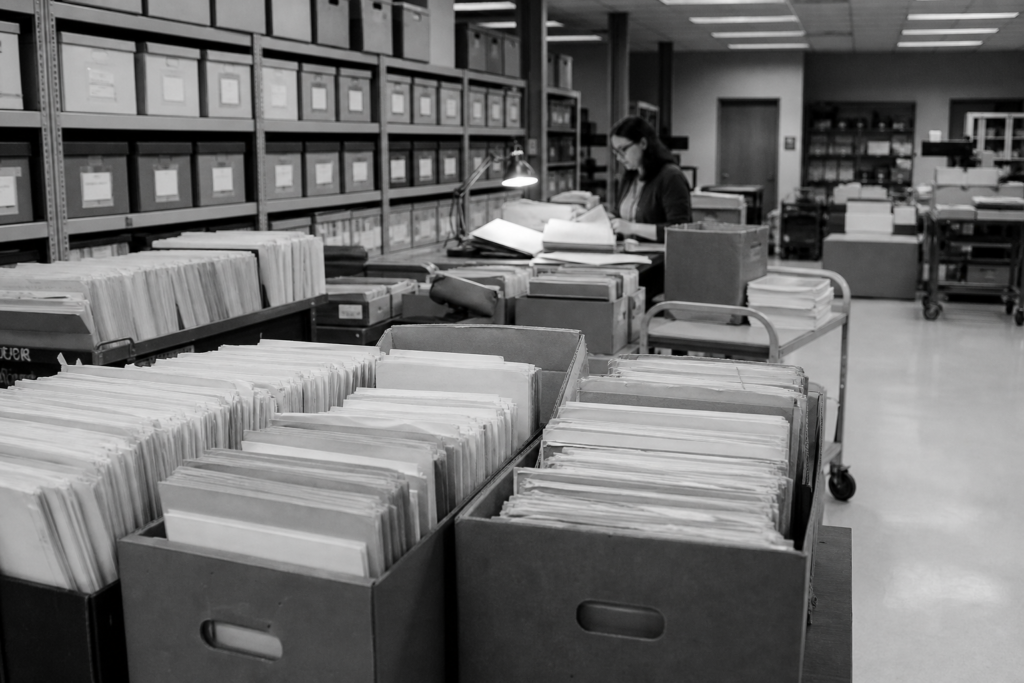
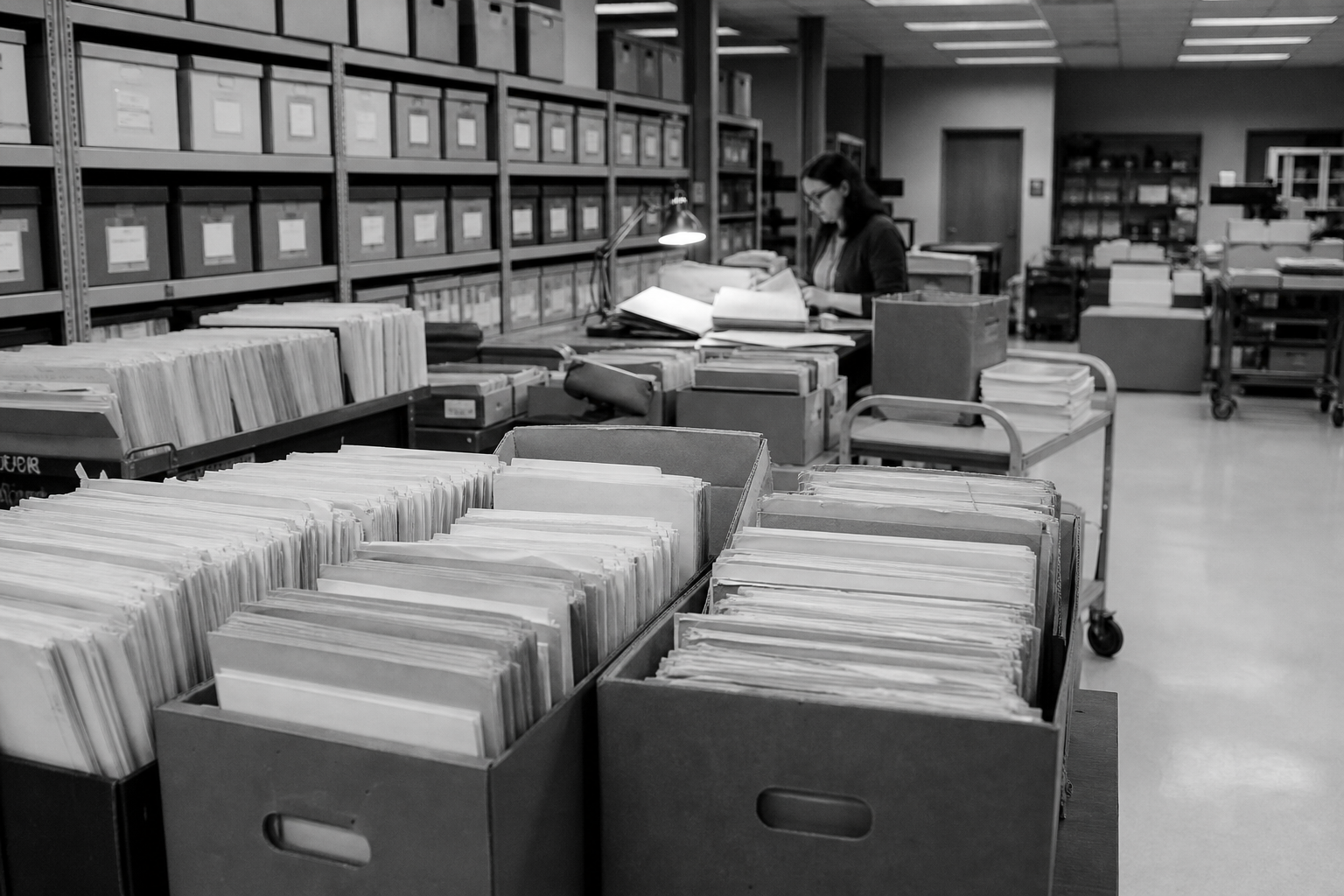
The term “UAP Disclosure Act” usually points to an ambitious 2023 Senate proposal associated with Senators Chuck Schumer and Mike Rounds, not to a single, unchanged law that Congress enacted in full. That distinction matters: the proposal envisioned a centralized UAP records collection, a presumption that records should be released unless disclosure was postponed, an independent review board, a controlled-disclosure plan, and an eminent-domain mechanism for certain alleged materials. The final FY2024 NDAA retained a much narrower records-collection framework.
This article separates three stages that are often blurred together: the original Schumer-Rounds language, the negotiations that pared it back, and the provisions that ultimately became law. That chronology determines the practical answer to a reader’s question: whether an agency has a duty to identify and transfer qualifying UAP records is different from whether an independent board can compel public release, acquire material, or override executive-branch secrecy decisions. It also keeps transparency policy in its proper lane. A records law can create routes to preservation and access; it does not itself establish that claims about hidden programs, recovered craft, or non-human intelligence are true.
UAP Disclosure Act Explained: The Short Answer
The practical answer is that Congress did not enact the full Schumer-Rounds disclosure model. During consideration of the FY2024 National Defense Authorization Act, lawmakers retained a framework for gathering and preserving qualifying UAP records, but omitted the proposal’s strongest disclosure-enforcement tools.
That difference changes what “UFO disclosure” can mean in practice. A records collection is an archival mechanism: it directs attention toward identifying, transferring, organizing, and eventually making records available through an established public-records system. The original UAP disclosure legislation went further. It contemplated an independent review board, a presumption favoring release unless postponement standards applied, a controlled-disclosure plan, and authority related to certain alleged materials. Those measures would have created a more forceful pathway from government custody to public disclosure; they were not part of the enacted, narrower framework.
So this is primarily a legislative-history and records-access story. It neither verifies allegations of recovered craft, reverse-engineering programs, or non-human intelligence nor resolves them. Its significance lies in what Congress chose to preserve: a formal route for locating and consolidating UAP-related federal records, without adopting the original proposal’s independent release and acquisition mechanisms.
What the Original Schumer-Rounds UAP Disclosure Act Would Have Required
The proposal’s design was deliberately broader than an archive. Introduced as an amendment to the Senate’s FY2024 NDAA in July 2023, the Schumer-Rounds UAP Disclosure Act would have created a single UAP Records Collection at the National Archives, bringing qualifying records from executive-branch agencies into one identifiable body of material rather than leaving them dispersed across departments.
Its default disclosure rule was also more assertive. Records would have been presumed suitable for immediate public release unless an authorized official met defined grounds for postponement, such as identifiable harm to military defense, intelligence operations, law enforcement, or foreign relations. That is a meaningful distinction: an ordinary transfer to an archive preserves material, while a disclosure presumption puts the burden on government to justify withholding it.
- An independent UAP Records Review Board: the proposal would have established a Senate-confirmed board to decide whether postponed records should remain withheld. This would have inserted an outside review layer between the originating agency and the public-release decision, rather than leaving that decision solely within the agency holding the record.
- A controlled-disclosure campaign plan: the President would have been directed to develop a plan for releasing UAP records in a managed way. The concept was phased transparency, not an automatic, simultaneous dump of every record, and it anticipated that some releases could require coordination across national-security and diplomatic interests.
- Eminent-domain authority: the text proposed federal authority to acquire certain alleged recovered UAP material and “biological evidence of living or deceased non-human intelligence” held by private persons or entities. “Non-human intelligence” was terminology used in the proposal; the provision did not establish that such material or evidence existed, nor did it substantiate claims about retrieval or reverse-engineering programs.
These elements describe the original Schumer UAP Disclosure Act’s proposed statutory machinery. The centralized collection concept survived in narrower form, but the independent board, disclosure presumption, controlled-disclosure requirement, and eminent-domain provision did not become part of the FY2024 NDAA’s enacted UAP-records framework.
How the UAP Disclosure Act Changed During the NDAA Process
Conference negotiations determined which disclosure tools reached the final bill, rather than the Senate vote. When the House and Senate reconcile differing versions, negotiators may retain, rewrite, or drop provisions; only the compromise approved by both chambers becomes enacted law.

| Senate Schumer-Rounds amendment | Final FY2024 NDAA result | Practical consequence |
|---|---|---|
| Senate-confirmed independent UAP Records Review Board | Removed | No separate board was created to reassess agency decisions to postpone release. |
| Presumption of immediate disclosure, with a defined postponement process and review structure | Materially narrowed | The enacted framework retained records collection but not the proposal’s comparable disclosure-default mechanism. |
| Presidential controlled-disclosure campaign plan | Removed | Congress did not require a government-wide, phased public-release strategy. |
| Eminent-domain authority concerning specified alleged UAP-related material | Removed | The enacted provisions did not supply that proposed acquisition power. |
That comparison is the key to explaining the UAP Disclosure Act accurately. The conference outcome preserved an archival and records-identification direction, but not the institutional machinery intended to force, supervise, and coordinate disclosure. A collection requirement can make records easier to locate; it does not itself create an outside adjudicator, reverse an agency withholding decision, or require a planned public rollout.
For legislative-history purposes, the controlling checkpoint is the enacted FY2024 NDAA text, not the Senate amendment alone. The Senate language shows what its sponsors sought; the final compromise shows what Congress actually enacted.
What Actually Became Law in the FY2024 NDAA
The operative requirement was transmission: executive-branch agencies had to identify qualifying UAP records in their holdings and send them to the National Archives and Records Administration for inclusion under the statute’s handling rules.
That changes the path to a record, not necessarily its public availability. A centralized UAP Records Collection is a defined process for gathering files that may have been dispersed across agencies; an immediate-release mandate would instead compel public access on a specified timetable. The FY2024 framework did the former. It did not convert every identified item into an automatically downloadable public document.
In practical terms, an agency can be required to locate and transmit a record while restrictions still govern what the public may see. Classified records may remain protected, and withholding or delayed release can also turn on applicable privacy, national-security, and statutory postponement rules. A file’s inclusion therefore signals entry into a federal records framework, not that every page, attachment, or underlying capability has been declassified.
The useful checkpoint is to distinguish collection from disclosure. A stronger sign of progress is that material has been identified, accessioned, and described; a weaker claim is that the collection proves all relevant records have been released. The enacted approach improves the prospect of locating and preserving records over time while leaving access decisions subject to restrictions that apply to particular materials.
Current Legislative Status and How Public Access to UAP Records Works
The most reliable way to follow this subject is to treat the legislative text and the released records as separate trails. The expansive 2023 Schumer-Rounds proposal did not take effect in its original form; the narrower FY2024 NDAA records-collection provisions are the enacted framework. A Senate amendment or an early bill draft shows the policy Congress considered, while the final enacted NDAA language defines the duties that remain in force.
For the legislative trail, Congress.gov provides bill texts, amendments, actions, and final status information. For the archival trail, the National Archives’ UAP Records Collection materials and catalog entries can show whether records have been identified, transferred, accessioned, or described. Agency websites may separately publish released files, reading-room material, or declassification notices.
Those are three different milestones. Collection means a qualifying record has been located and placed within the statutory records framework. Declassification review is the originating agency’s assessment of whether protected information can be released, withheld, or released with redactions. Public posting is the later practical step of making an approved version available online or through an archival access channel. They need not occur together: a record can enter the collection before review is complete, and it can be reviewed before a public copy appears.
That sequence is the useful lens for UAP records disclosure. A catalog description or agency release is concrete evidence of progress; a broad claim that all relevant material is public is not. Readers tracking later UFO disclosure proposals should use Congress.gov to distinguish introduced legislation from enacted law and the National Archives from the agencies that make classification decisions.
What the Law Could Not Compel, and What It Is Not
Even a disclosure statute is not a universal release order. Material may remain unavailable, redacted, or delayed when its release could expose classified capabilities or sources, compromise national-security interests, invade personal privacy, interfere with an active investigation, or turn on a dispute over who owns or controls the underlying record. Those limits matter because placing a document in a collection answers a preservation question; it does not automatically settle the separate questions of access, timing, and permitted redactions.

Agency compliance is also a practical constraint. A records framework depends on agencies locating responsive material, deciding whether it falls within the collection, and completing any required review. A missing public document can therefore reflect an unresolved review, incomplete identification, or a lawful withholding, not proof that the document never existed or that a government UFO cover-up has been established. Public allegations and verified findings are different things.
Similar names should not blur distinct institutions. The UAP Transparency Act is a separately named legislative proposal, not another label for the Schumer-Rounds UAP Disclosure Act. The All-domain Anomaly Resolution Office is a government office that investigates and reports on UAP matters; it is not the independent review board contemplated in the 2023 proposal. The National Archives collection is a records-preservation and access mechanism, not an investigative body and not itself the authority that determines every classification decision.
Why the UAP Disclosure Act Still Matters for Transparency
The lasting importance of the 2023 disclosure debate is that it put a practical transparency question before Congress: can historically scattered UAP material be made easier to locate, assess, and scrutinize? It also made the gap between an ambitious public-interest disclosure model and a narrower records framework visible to readers.
The most useful signals to follow are specific. New congressional disclosure proposals matter only if enacted legislation changes agencies’ duties or access rules; agency compliance concerns whether responsive records are identified and transferred; National Archives additions show what has entered the public-facing collection; declassification decisions determine whether restricted material can be released; and official reporting records what government bodies are prepared to state on the record. A catalog entry, for example, is a stronger transparency marker than an unsupported claim that every relevant file has been made public.
That is why the UAP Disclosure Act debate remains consequential even without treating it as validation of extraordinary allegations. Better preservation, clearer provenance, and more visible release decisions allow stronger public scrutiny of both records and withholding rationales. Those are transparency mechanisms, however, not evidentiary conclusions about what the records will ultimately show.
The Bottom Line on UAP Disclosure
The decisive reading rule is to separate an ambition from an obligation. The 2023 Schumer-Rounds proposal paired a review board and a presumption favoring disclosure with a controlled-disclosure plan and eminent-domain authority, tools intended to evaluate, release, and, in limited circumstances, secure control of covered material. The FY2024 NDAA retained the narrower task of identifying, preserving, and centralizing qualifying UAP records, not that independent disclosure architecture.
That difference matters in practice. A requirement to transfer records into a National Archives collection can make material easier to find and establish a clearer chain of custody. It does not itself require every document to be released without redaction or delay. Classification, statutory exemptions, and agencies’ implementation decisions still shape public access.
For future UAP transparency claims, use two checkpoints: first, ask whether the language was merely introduced or enacted; second, ask whether the enacted text requires collection, review, declassification, or public release. Those are distinct legal actions with different results. The UAP Disclosure Act remains significant because it established a lasting public-access benchmark: preservation and centralized handling are meaningful progress, but they are not a guarantee that all responsive records will become public.
Frequently Asked Questions
-
Did the UAP Disclosure Act become law?
Congress did not enact the full 2023 Schumer-Rounds UAP Disclosure Act. The FY2024 NDAA enacted a narrower requirement for executive agencies to identify and transfer qualifying UAP records to the National Archives.
-
What was included in the original Schumer-Rounds UAP Disclosure Act?
The 2023 proposal would have created a centralized UAP Records Collection, a Senate-confirmed independent review board, and a presumption favoring public release unless postponement standards were met. It also proposed a presidential controlled-disclosure plan and eminent-domain authority for certain alleged UAP materials.
-
What did Congress remove from the UAP Disclosure Act?
Congress removed the independent UAP Records Review Board, the comparable presumption of immediate disclosure, the controlled-disclosure campaign plan, and the eminent-domain provision. The final FY2024 NDAA retained records collection and transfer requirements instead of those enforcement tools.
-
What is the UAP Records Collection at the National Archives?
The UAP Records Collection is a National Archives framework for gathering qualifying UAP records that were previously dispersed among executive-branch agencies. Inclusion means a record has been identified and transferred, not that it has been declassified or posted publicly.
-
How can I tell whether a UAP disclosure proposal would actually make records public?
Check whether the proposal became enacted law and whether its final text requires collection, review, declassification, or public release. Use Congress.gov for legislative status and the National Archives catalog to track transferred or publicly available UAP records.