UAP Congressional Hearings: How They Work, What Witnesses Can Say, and What Questions Actually Matter
Learn how UAP congressional hearings work, what witnesses can disclose, and which oversight questions produce testable evidence and follow-up.
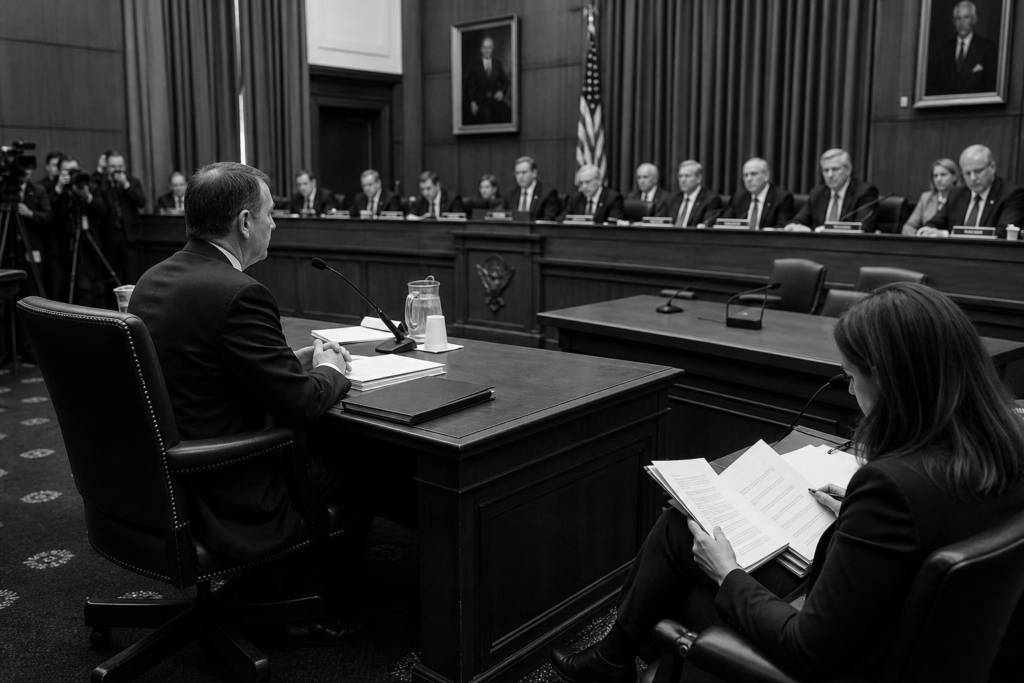
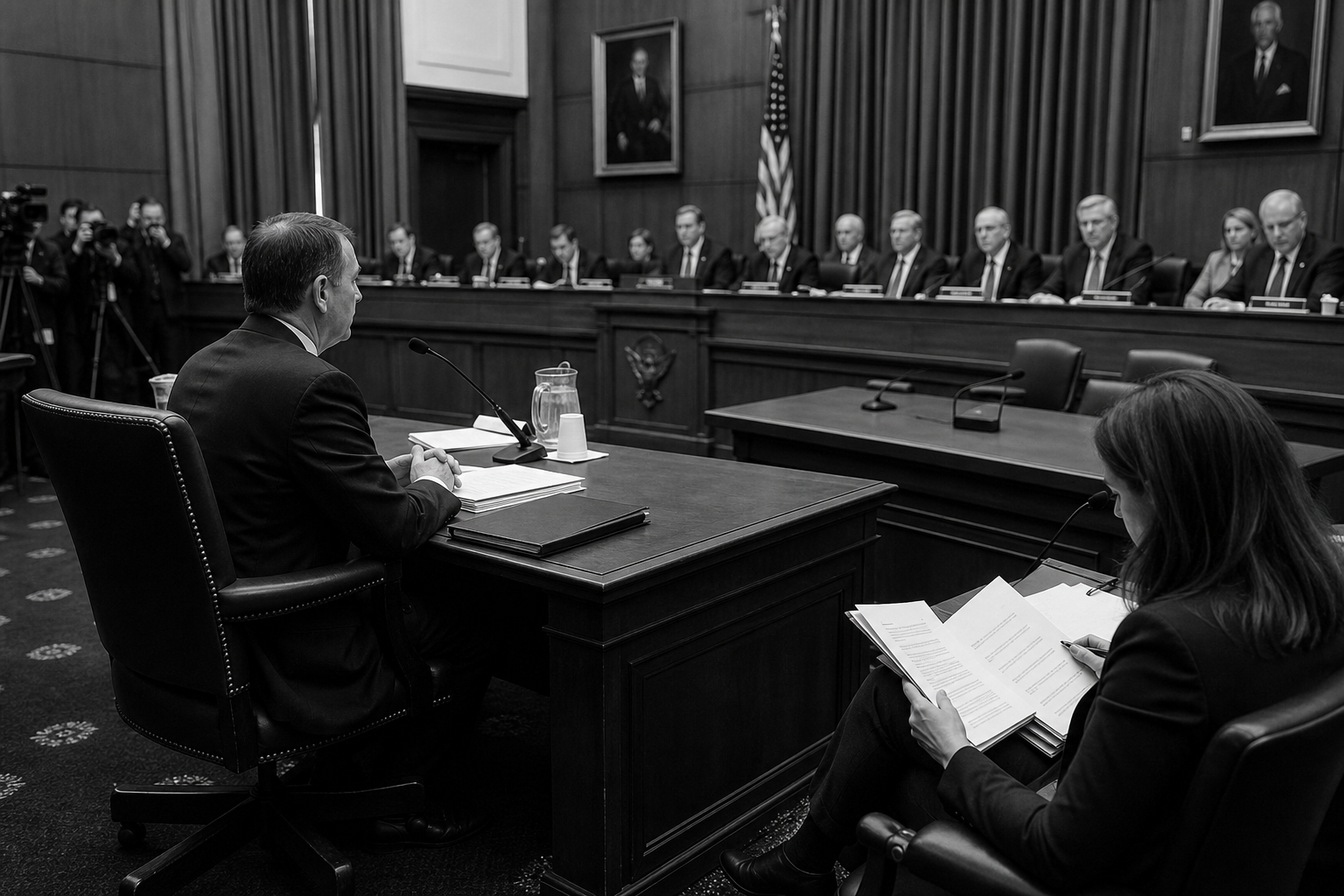
A UAP congressional hearing commands attention because it places unusual claims, government officials, and public accountability in the same room. But testimony under oath is not, by itself, proof that an extraordinary explanation is true. A hearing is an oversight event: members use it to create a public record, test agency answers, and identify what evidence or action should follow. The stronger work may occur afterward, in written responses, document production, inspector-general referrals, or a classified briefing that cannot be aired on camera.
That distinction matters when judging what a witness can establish. A public session may illuminate firsthand observations, reporting channels, or gaps in an agency’s processes; it may not permit discussion of properly classified operational details, sources, methods, or restricted records. Whistleblower protections can support reporting through authorized channels, but they do not turn protected information into material for public release.
This guide follows the practical path from committee jurisdiction and witness selection to questioning and follow-up. It also identifies the questions that produce a usable record: Who handled the underlying evidence? Is the account firsthand? Where are the records, authorities, funds, and chain-of-custody logs? The standard is not the drama of an exchange, but whether it yields claims that can be traced, tested, and answered.
A UAP Hearing Is an Oversight Tool, Not a Disclosure Event
The most useful output is a record that separates four things: an allegation, a witness’s sworn account, underlying documentary or physical evidence, and a finding reached after review. They are not interchangeable. A witness may describe an event personally observed, relay what colleagues told them, or identify records they believe exist; each form of testimony gives investigators a different lead, not the same degree of proof.
A public UAP congressional hearing can therefore advance UAP disclosure as a transparency objective without delivering a definitive public reveal. Its immediate value is narrower and more concrete: it can require an agency to state its position, identify a responsible office, commit to producing responsive records, or explain why a question belongs in a nonpublic setting. A closed briefing serves a different purpose, allowing members to pursue restricted details while leaving the public record incomplete.
Readers should judge a proceeding by its outputs, not its most dramatic exchange. Strong signals include a named record custodian, a date range for a document search, a description of how evidence was acquired and preserved, a written response deadline, or a referral with a defined scope. Weak signals are broad assertions without firsthand basis, identifiable records, or an accountable official assigned to answer them.
That standard keeps attention on what oversight can build: an attributable trail from claim to evidence, review, and a response that can later be tested.
How UAP Congressional Hearings Actually Work
Committee jurisdiction determines who can turn a UAP concern into a formal oversight matter. A panel focused on armed services may pursue defense operations, intelligence-related questions, or military reporting systems; a panel with homeland-security, science, or government-operations interests may focus instead on aviation safety, agency management, data handling, or records practices. In either chamber, that assignment shapes which officials are useful witnesses and which records the committee can reasonably request.
The public process usually begins with a hearing announcement, a stated subject, and witness invitations. Invited witnesses commonly submit opening statements in advance, then give brief oral remarks before members question them in alternating rounds, as seen in a recent congressional UAP hearing. A voluntary appearance can produce useful answers quickly, but it also means the scope, timing, and document production may be negotiated. A subpoena is a compulsory demand for testimony or records; it can strengthen a committee’s position, but it does not eliminate disputes over scope, confidentiality, or compliance.
House and Senate committees use their own rules and leadership structures, so the precise sequence varies. In practical terms, both can seek agency witnesses, written answers, and responsive records within their oversight remit. A productive inquiry often continues after the cameras stop: members may submit questions for the record, request a document search, seek interviews, press appropriators to condition or direct reporting, or develop a broader investigation.
A public hearing creates a transcript and lets the public assess the questions and answers. A closed classified briefing permits discussion of restricted material but leaves far less available for independent review. An executive session is another nonpublic format, used when a committee chooses to deliberate or receive sensitive information privately. The tradeoff is straightforward: public sessions maximize transparency, while closed sessions may permit specificity that cannot responsibly be aired in open testimony.
For UFO hearings in Congress, the procedural checkpoint is whether each public claim generates a traceable next step: a named office, a defined request, a deadline, and a plan to resolve nonpublic details through the appropriate channel.
What UAP Witnesses Can Say, and What They May Be Barred From Saying
A witness’s most revealing public answer may be, “I can discuss that only in a secure setting.” That does not establish the underlying allegation; it identifies a boundary. Someone with access to classified information, or who signed nondisclosure commitments tied to government work, may be able to describe the existence of a concern, reporting process, or category of material without identifying the operation, source, method, location, or contents in open session.
A security clearance is permission to receive information at an approved level when there is a work-related need to know; it is not permission to repeat that information publicly. Likewise, a prepublication or classification review can determine whether proposed public language would reveal protected details. The practical tradeoff is that an open hearing may yield a limited account, while a closed briefing can let cleared members pursue names, records, and specifics that cannot responsibly enter the public transcript.
Whistleblower protections can provide a channel for reporting suspected wrongdoing or a withheld program to authorized oversight bodies. They do not automatically declassify information or make every allegation public. A UFO whistleblower can therefore describe what they reported, to whom, and what response they received, while reserving classified particulars for committee staff and members authorized to receive them.
Sworn testimony raises the consequences of knowingly false material statements, but an oath does not transform a claim into verified fact. Members and readers should keep four categories separate: firsthand knowledge is what the witness personally saw, did, or handled; secondhand information is what another person told them; opinion is the witness’s interpretation; and authenticable evidence is a record or object the witness can identify, place in context, and connect to a chain of custody. The strongest public exchange makes those boundaries explicit and identifies which details can be tested outside the witness’s memory.
The Questions That Can Move a UAP Hearing Beyond Headlines
The decisive question is not whether a witness has a dramatic interpretation, but whether the committee can turn the account into a retrievable record and a timed response. A productive UAP hearing question identifies the person, item, office, and date needed to test a claim; a low-yield question asks a witness to speculate about motives, origins, or personal belief.
- Provenance and custody: Ask: “Identify the earliest known report, the date it was created, every person or office that handled the imagery, sensor data, or material, its current custodian, and the date by which the committee will receive a custody log.” This establishes whether an item can be located and whether its chain of custody preserves context. Low yield: “Do you believe the government possesses extraordinary material?”
- Records and analysis: Ask: “Name the record series, case number, analytical unit, methods used, original data requested, and the official responsible for producing the written assessment within 30 days.” This distinguishes an underlying record from a recollection about one, and it exposes whether an assessment tested alternative explanations. Low yield: “Have analysts ruled out nonhuman technology?”
- Reporting backlogs: Ask: “How many reports await initial review, technical analysis, and final disposition; what are the oldest submission dates; which office owns each queue; and when will the committee receive monthly backlog figures?” Separate queues matter because a filed report is not necessarily an analyzed case. Low yield: “Are you hiding reports from the public?”
- Authority and money: Ask: “Identify the program title, authorizing authority, appropriation line or contract vehicle, responsible executive, and records custodian, and provide a response date for supporting budget and acquisition records.” This can reveal whether an asserted activity has an accountable institutional home. Low yield: “Is there a secret reverse-engineering program?”
- Access barriers and referrals: Ask: “Which requested witnesses, facilities, or records were unavailable; who denied or limited access; on what date; what alternative access was offered; and will the matter be referred to the inspector general or answered in writing by a stated deadline?” An inspector general referral is a request for independent review of a defined concern, not a finding that the concern is true. Low yield: “Who is obstructing disclosure?”
- Independent corroboration: Ask: “Identify the firsthand witness, contemporaneous report, sensor source, outside record, and custodian that could independently confirm or contradict this account, with a deadline for producing each available item.” Corroboration matters because matching claims alone may trace back to one source. Low yield: “How many people agree with you?”
The best follow-up is written into the record: a named recipient, a narrow request, and a calendar date. That converts a compelling exchange into something Congress, and the public, can later measure against an actual production or nonproduction.
How to Evaluate UAP Testimony After the Hearing
Begin by separating the account from the conclusion attached to it. A witness who directly saw an object, filed a report at the time, or handled a specific dataset offers a stronger starting point than someone repeating what colleagues said. Neither account alone establishes that the object was non-human intelligence; it establishes what the witness can personally and specifically attest to.
- Direct, dated observation: Give greatest initial weight to what a named person saw, did, or received, especially when the account fixes a time, place, platform, and role. Precision makes contradiction or confirmation possible.
- Contemporaneous records: A flight log, report, message, tasking record, or original sensor file created near the event is more useful than a later recollection. The key distinction is between a record of the event and a claim that such a record once existed.
- Custody and corroboration: Evidence becomes more testable when a named office or person can identify where it has been held, how physical material or digital files were transferred, and whether separate witnesses or sensors converge without merely repeating one source.
- Reviewable results: Agency acknowledgment can establish that a report, file, or inquiry exists, but the strongest level is data or methods that qualified outsiders can inspect, reproduce, or challenge.
Warning signs run in the opposite direction: an undefined program with no responsible office; anonymous sourcing unsupported by records; assertions that cannot be narrowed to a period, location, contract, or custodian; and claims framed so that no possible document, witness, or data could test them. A government UFO cover-up allegation remains an allegation until verifiable evidence and accountable findings support it. That standard does not rule out further inquiry; it prevents alien disclosure from becoming a substitute for proof.
What a Productive Hearing Can Change, and What It Cannot
A hearing’s real leverage appears in the paper trail it creates afterward. Members can submit written questions for the record, request a classified briefing for details unsuitable for open session, seek inspector-general review, demand preservation of relevant records, or pursue reporting requirements, funding conditions, and legislation. Each tool serves a different purpose: written answers create an attributable public response; a classified briefing can test restricted claims; and a reporting or appropriations condition can require an agency to return with specified information on a schedule.

The UAP Disclosure Act illustrates the legislative filter between a proposal and enacted policy. Transparency provisions may be revised during chamber consideration, narrowed in negotiations, or omitted from the final NDAA. A proposal’s introduction, or a witness’s endorsement of it, does not itself alter classification rules or compel release of records.
The meaningful measure of a productive UAP congressional hearing is therefore follow-through: requests answered, records preserved and produced, referrals resolved, deadlines met, and any remaining dispute identified clearly enough for the next round of oversight.
The Standard Is a Better Record, Not a Bigger Reveal
For readers, the next hearing should be scored less by its most arresting exchange than by the trail it leaves. A precise claim identifies a time period, responsible office, record system, witness, or physical item. Documentary support makes that claim independently examinable. An agency commitment fixes who must answer, what they must produce, and when; it is stronger than a general promise to “look into” an allegation.
The public and classified tracks should reinforce rather than replace one another. Public testimony can establish the question, the responsible officials, and the portions of the answer that can be released. A closed briefing can test restricted details, including sources, methods, and compartmented records. The useful public outcome is not disclosure of protected material, but a clear indication that members pursued the unresolved issue through an authorized channel and required a return answer.
- Weak signal: a sweeping assertion with no identifiable evidence or accountable recipient.
- Better signal: a written response, preserved records, a defined declassification review, or an inspector-general referral where misconduct is alleged.
- Strongest signal: corroborating materials and a review that states what was tested, what was found, and what remains unresolved.
That is the durable standard for a UAP congressional hearing: allegations may justify inquiry; corroboration may justify deeper investigation; only a documented, testable finding warrants confidence. The headline fades, but a better record gives Congress, and the public, a basis to ask the next question.
Sources
Frequently Asked Questions
-
What is the difference between a public UAP hearing and a closed classified briefing?
A public UAP hearing creates a transcript and allows public scrutiny of testimony, questions, and agency commitments. A closed classified briefing lets cleared members examine restricted details such as sources, methods, operational information, and compartmented records that cannot be discussed publicly.
-
What can a witness legally say at a UAP congressional hearing?
A witness can publicly discuss firsthand observations, reporting channels, concerns, and unclassified categories of information. They may be barred from disclosing classified operations, sources, methods, locations, protected records, or other restricted details, even if they hold a security clearance.
-
Does sworn UAP testimony prove a government UFO cover-up?
No. Sworn testimony increases the consequences for knowingly false statements, but it does not verify an allegation or establish a cover-up. A claim requires authenticable records, identifiable custodians, chain-of-custody information, independent corroboration, and a documented review or finding.
-
What questions should Congress ask UAP witnesses to get verifiable evidence?
Congress should ask for the earliest report date, record series or case number, current custodian, every office that handled the evidence, original data, responsible official, and a written production deadline. High-value questions also identify report backlogs, program authorities, appropriation lines, contract vehicles, and access barriers.
-
What should you look for when judging whether a UAP hearing was productive?
Look for a named office or record custodian, a narrow document request, preserved records, a response deadline, written answers, and any inspector-general referral with a defined scope. The strongest outcome includes corroborating materials and a review explaining what was tested, what was found, and what remains unresolved.