Tim Burchett UAP Positions and Legislation Tracker: Proposals, Status, and Oversight
Track Tim Burchett UFO positions, from disclosure calls and oversight actions to bills, votes, outcomes, and the next steps to watch.
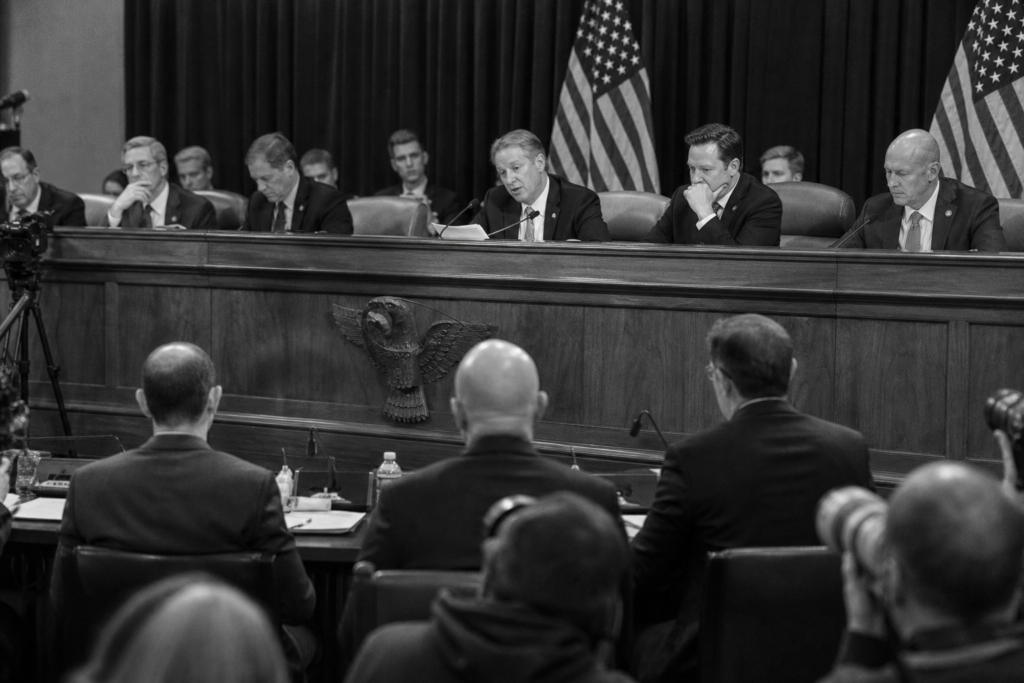
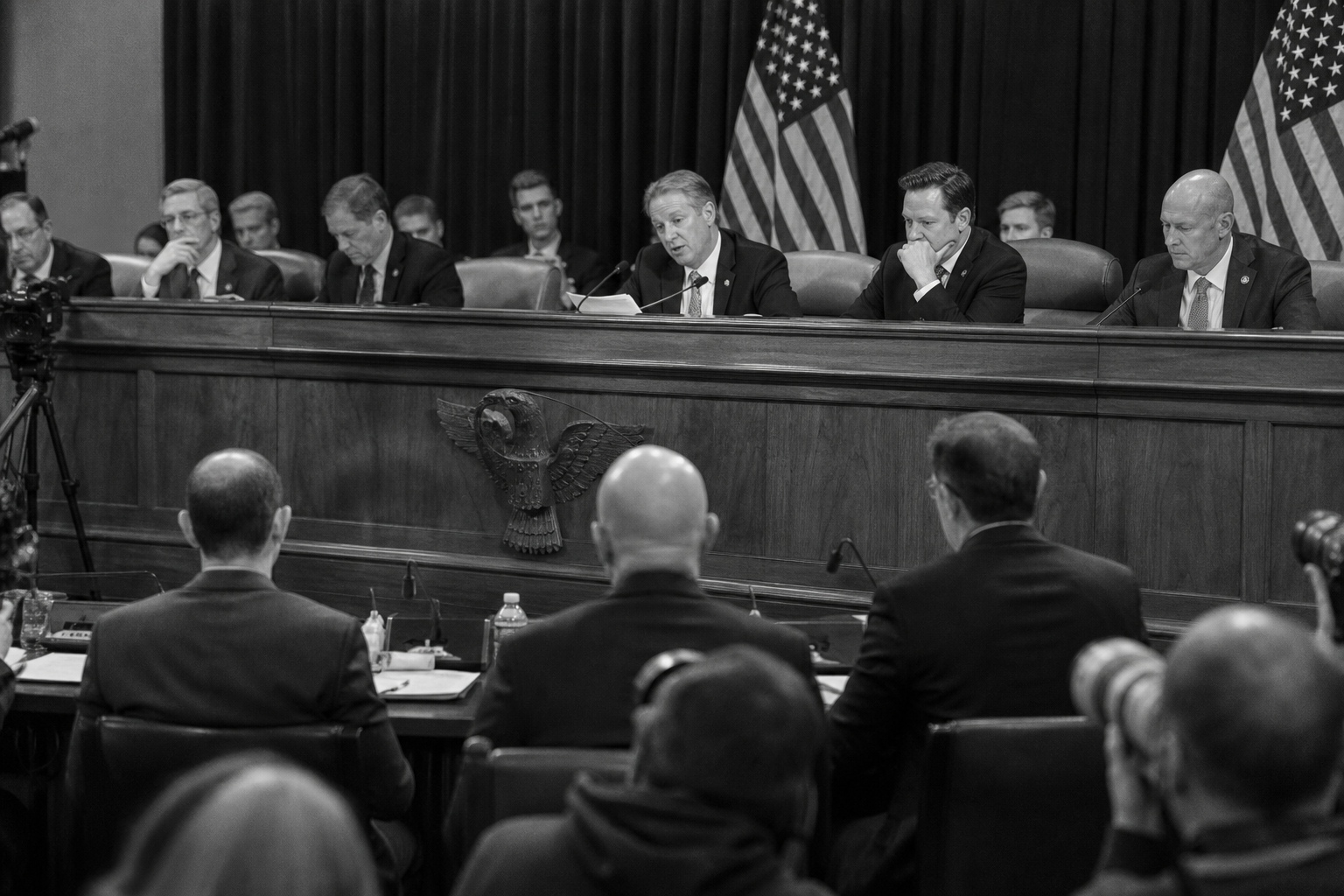
As of August 5, 2026, the Tim Burchett UFO record is best read as a status tracker, not as a verdict on what unidentified anomalous phenomena are. Public demands for transparency may shape debate, but they are distinct from introducing a bill, obtaining committee action, winning a chamber vote, or placing a provision in enacted legislation.
This article includes only actions directly tied to Rep. Burchett through an official statement, legislative role, recorded vote, hearing participation, oversight request, or documented investigative effort. It separates public position-taking from proposals, proposals from measures that advanced, and House or Senate action from final enactment and implementation. The practical difference is substantial: a proposal signals an intended policy direction, while an enacted measure is the point at which Congress has completed its legislative action.
The tracker first sets out Burchett’s stated case for UAP disclosure and congressional oversight, then follows the dated record of his actions and their procedural outcomes. It draws a line between documented institutional events, hearings, filings, votes, and statutory text, and unresolved testimony or allegations. The closing watchlist focuses on identifiable legislative vehicles, committee opportunities, and decision points rather than predictions.
Tim Burchett’s UFO/UAP Position: Disclosure, Oversight, and Public Accountability
Status checked as of August 5, 2026. The first checkpoint is whether an entry records Burchett’s stated position or an institutional step capable of changing government practice. His public-facing approach calls for greater transparency, congressional scrutiny of executive-branch handling of UAP information, access to relevant records, and a forum for whistleblower testimony. Those positions describe what he has urged; they do not by themselves establish claims raised in testimony or compel an agency to release material.
Each later entry receives a procedural label with a deliberately narrow meaning:
- Public statement records Burchett’s attributable view but creates no legal duty. A letter is a formal request or demand to an agency or colleague; it can create a paper trail without requiring action.
- Hearing action means participation in, support for, or use of a congressional hearing. Hearings place testimony into an official oversight setting, but testimony remains testimony unless independently substantiated.
- Bill sponsorship and an amendment identify proposed legislative text. Sponsoring a bill launches a vehicle; an amendment seeks to alter another vehicle.
- Committee action means a panel formally considered, marked up, reported, or otherwise advanced a measure. House passage and Senate passage mean each chamber separately approved text.
- Enacted law means identical legislation cleared Congress and became law. Even then, implementation, appropriations, deadlines, agency rules, or records processing may determine the practical result.
The distinction is the accountability test: a forceful call for UFO disclosure is politically meaningful, while only enacted and implemented requirements change federal obligations.
Tim Burchett UFO Actions at a Glance: A Status-First Timeline
Four dated entries meet the tracker’s direct-connection test: one bill introduced by Burchett, one later measure he co-sponsored, and two official House Oversight hearings in which he participated.
Burchett’s own legislative action
| Date | Action and vehicle | Precise role | Status | Significance |
|---|---|---|---|---|
| January 11, 2024 | H.R. 6967, UAP Transparency Act | Introduced the bill. | Introduced; died at the end of the 118th Congress. | The proposal created a legislative vehicle for UAP-record disclosure, but it was neither reported by committee nor enacted. |
Measures and oversight actions he supported or joined
| Date | Action and vehicle | Precise role | Status | Significance |
|---|---|---|---|---|
| July 26, 2023 | House Oversight hearing, “Unidentified Anomalous Phenomena” | Participating Oversight Committee member who questioned witnesses. | Hearing held. | The hearing put sworn witness testimony and member questioning into the committee record, but it did not itself mandate disclosure or validate allegations. |
| November 13, 2024 | House Oversight hearing, “Unidentified Anomalous Phenomena: Exposing the Truth” | Participating committee member. | Hearing held. | This was an oversight event rather than a legislative enactment; its immediate result was a further public record of testimony and questions. |
| February 21, 2025 | H.R. 1505, UAP Transparency Act | Co-sponsor; Rep. Anna Paulina Luna introduced the bill. | Introduced and referred to committee. | Co-sponsorship records Burchett’s support, not authorship; referral is an opening procedural step, not House passage or law. |
What Burchett Has Proposed, Supported, or Pressed Congress to Investigate
The documented record distinguishes Burchett’s own filing from his formal support for another member’s vehicle: H.R. 6967 was his bill in the 118th Congress, while H.R. 1505 lists him as a co-sponsor.
Sponsored or co-sponsored bills
On January 11, 2024, Burchett introduced H.R. 6967, the UAP Transparency Act. Sponsorship means he formally introduced the House measure. The tracker records no committee report or House floor vote before the 118th Congress ended, so this entry is an inactive proposal rather than a measure that advanced through either chamber.
On February 21, 2025, Burchett became a co-sponsor of H.R. 1505, also titled the UAP Transparency Act, introduced by Rep. Anna Paulina Luna. Co-sponsorship is formal support for another member’s bill, not authorship. Its recorded stage is introduction and committee referral: an opening step that places a proposal before the relevant committee but does not constitute committee approval or a House vote.
Filed or backed amendments
No separately filed Burchett UAP amendment, House Rules Committee submission, or documented formal backing of a specific amendment appears in the four-entry record used for this tracker. That is a meaningful distinction: an amendment is text offered to alter a larger legislative vehicle, whereas general support for UAP disclosure does not itself change a bill’s text or create a recorded vote.
Hearing requests and investigative oversight
The confirmed oversight actions are the House Oversight hearings held July 26, 2023, and November 13, 2024. The available record identifies Burchett as a participating committee member, rather than committee chair or author of a separately documented hearing-request letter. A hearing supplies a formal venue for testimony and member questioning; it is not the same institutional act as a subpoena, committee report, or enacted measure.
Hearing participation and whistleblower protections
At the July 26, 2023 hearing, “Unidentified Anomalous Phenomena: Implications on National Security, Public Safety, and Government Transparency,” Burchett questioned witnesses. He also participated in the November 13, 2024 hearing, “Unidentified Anomalous Phenomena: Exposing the Truth.” Those proceedings preserved witness assertions and congressional questions in the public record, but the hearings themselves did not turn allegations concerning alleged programs or materials into committee findings.
No Burchett-sponsored stand-alone whistleblower protections bill, signed oversight letter, or identifiable declassification amendment is among the four directly documented tracker entries. On this record, his defined roles are sponsor, co-sponsor, and hearing participant; claims of additional formal action require a separately identifiable legislative or committee document.
What Actually Advanced or Passed, and What Did Not
The key distinction is whether a proposal merely entered the process or was carried into final statutory text. Burchett’s two identified stand-alone bills did not reach a chamber vote: H.R. 6967 ended with the 118th Congress, while H.R. 1505 records his role as a co-sponsor after its February 21, 2025 introduction.
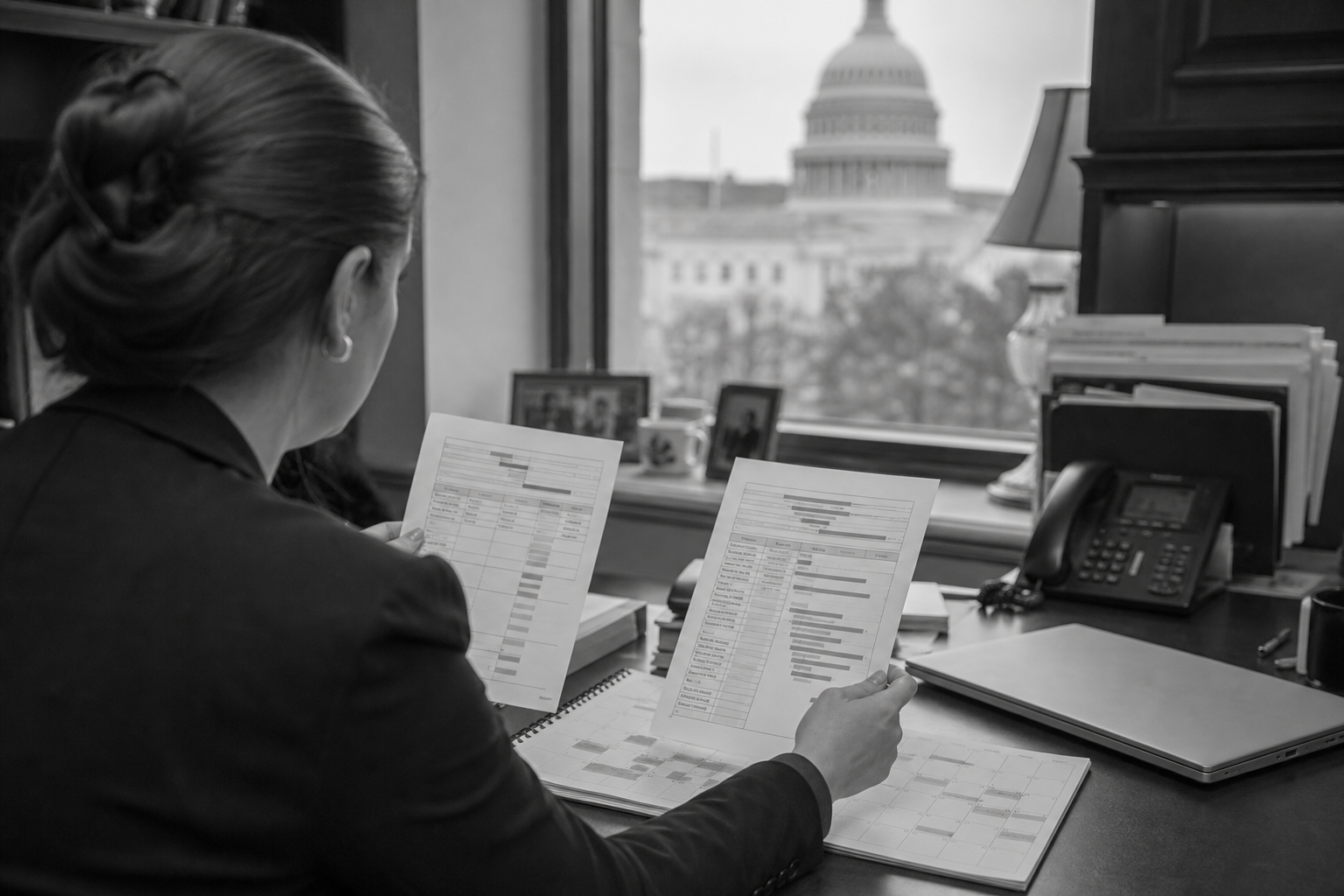
Outcome ledger
- Advanced in committee: Burchett introduced H.R. 6967 on January 11, 2024, and it was referred to the House Oversight and Accountability Committee. Referral sends a bill to the panel with jurisdiction; it is not a committee vote to approve or report the measure to the House floor.
- Adopted by one chamber: Neither H.R. 6967 nor H.R. 1505 is identified here as having received a House or Senate floor vote. Nor does this tracker identify a Burchett-filed UAP amendment that was adopted. A chamber adoption would add text to that chamber’s bill, but would not alone settle differences with the other chamber.
- Included in an NDAA version: The Senate considered the Schumer-Rounds UAP Disclosure Act proposal during 2023 National Defense Authorization Act negotiations. That was not a Burchett bill, and this record does not assign him authorship or credit for its inclusion in the Senate vehicle.
- Final-text outcome: The enacted FY2024 NDAA, Public Law 118-31, included UAP-records provisions in sections 1841–1843. Those provisions established a UAP records collection at the National Archives and a process for agencies to identify, transfer, review, and disclose covered records. Burchett voted for the final House NDAA on December 14, 2023; that vote supported the overall bill, not authorship of those sections.
- Omitted or not enacted: Final FY2024 text did not retain the Senate proposal’s independent review board or eminent-domain authority. The resulting records framework therefore was narrower than that proposal and did not itself make findings about alleged programs or materials.
The accurate shorthand is not that Burchett’s disclosure bills “passed.” He introduced H.R. 6967, co-sponsored H.R. 1505, participated in two hearings, and voted for an NDAA that contained narrower UAP records provisions. The stand-alone measures did not become enacted law through the actions documented in this tracker.
What the Public Record Can, and Cannot, Establish About UAP Claims
A hearing, a request for records, or a witness’s sworn account establishes that an institutional event occurred; it does not establish that the account’s underlying conclusion is true. The same distinction applies when a member of Congress calls for disclosure: it can show an oversight priority without proving claims about recovered craft, secret programs, or non-human intelligence.
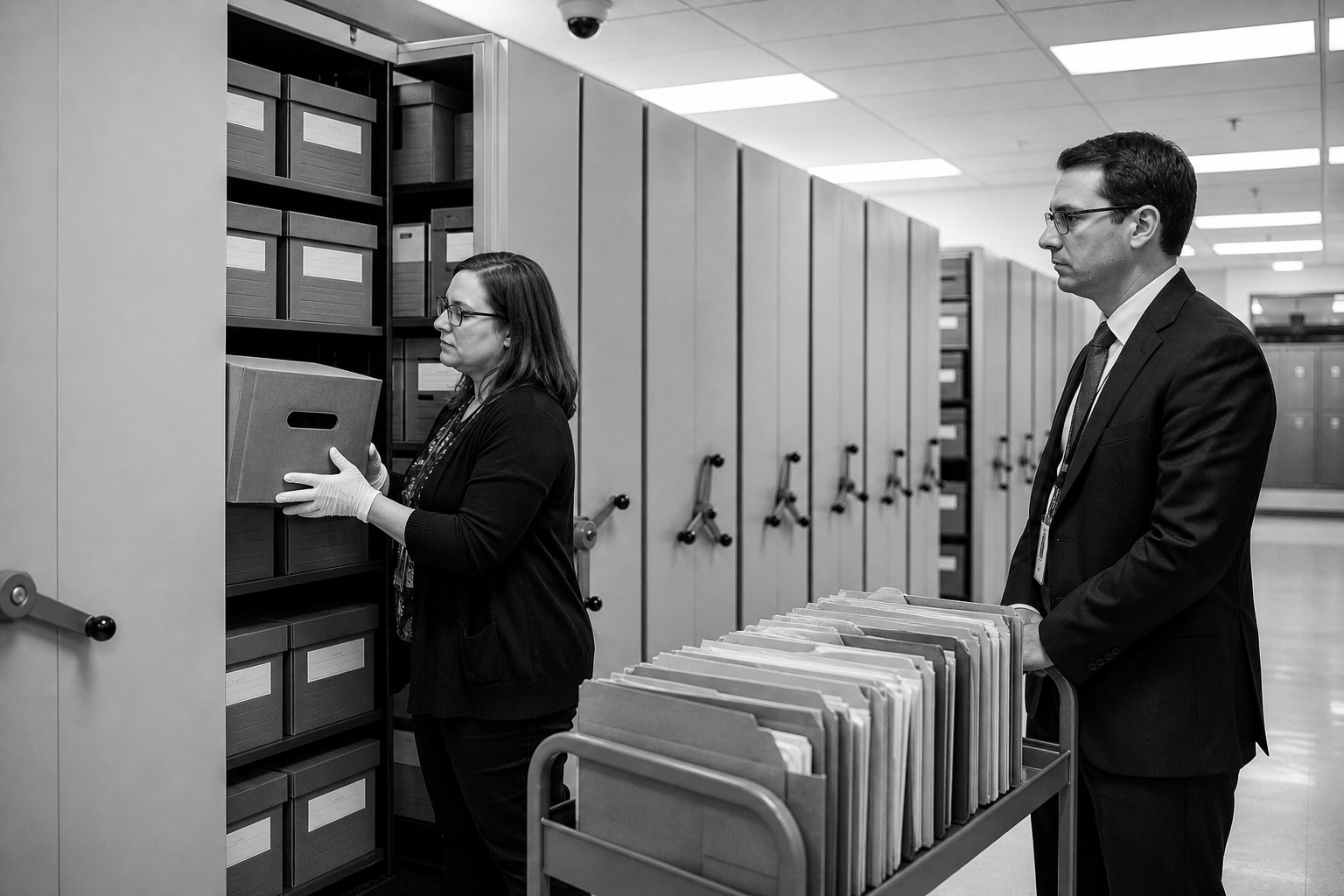
The strongest public signal is a primary record that can be independently evaluated: released documents, authenticated imagery with usable provenance, an agency finding, or testimony corroborated by records and named officials with first-hand knowledge. A weaker signal is an allegation repeated in interviews, a conclusory statement without supporting material, or a claim whose key details remain classified and unavailable for outside assessment.
Classification complicates public evaluation but does not reverse that burden of proof. Executive-branch records may be withheld, redacted, or provided only to cleared officials because they contain protected sources, methods, operations, or other sensitive material. That can limit what the public can know; it does not allow observers to infer the contents of every unreleased record.
Inspector General and whistleblower channels serve a different purpose from public confirmation. They can receive complaints, preserve evidence, assess whether allegations merit investigation, and protect a reporting process. A complaint being filed, found credible enough for further review, or discussed in a congressional briefing is not an official finding that the reported events occurred.
For that reason, public silence, partial disclosure, and unresolved unidentified anomalous phenomena should remain categorized as uncertainty, not proof of a government UFO cover-up. The relevant tracker question is narrower: what Burchett sought to investigate or disclose, and what verifiable institutional action followed.
What’s Next for Tim Burchett’s UFO Disclosure Efforts
H.R. 1505, introduced on February 21, 2025, is the clearest existing bill-level watch item because Burchett is listed as a co-sponsor; H.R. 6967 cannot advance because it expired with the 118th Congress. A new filing would need a bill number, text, committee referral, and a recorded Burchett sponsorship or co-sponsorship. A press statement or interview would show renewed attention, not legislative movement.
- Committee oversight: House Oversight, Armed Services, Intelligence, and Appropriations calendars are the relevant institutional signals. A consequential hearing notice names its subject and witnesses, while a video or transcript can establish Burchett’s participation; follow-up letters, subpoenas, a report, or a recorded committee vote would show escalation beyond an unscheduled hearing request.
- FY 2027 NDAA: The annual defense authorization bill offers a route for UAP records, reporting, or oversight provisions. An amendment filing is only a proposal; adoption at markup, House or Senate passage, conference agreement, enactment, and a dated implementation requirement are successively stronger checkpoints.
- Appropriations: Funding legislation can require an agency briefing or report, but enacted statutory language carries more force than explanatory committee-report language. The practical test is whether final appropriations text assigns an agency a task, deadline, and recipient for the information.
- Records and reporting: A declassification or records-review measure becomes trackable when it identifies covered records, the responsible agency, and a release or congressional-reporting date. AARO publications, Department of Defense releases, and National Archives updates provide measurable milestones when they publish documents or completed findings, not merely when UAP news or reported UFO sightings generate attention.
For this tracker, genuine movement is an official filing, notice, markup result, floor vote, conference text, enacted provision, released record, or completed report tied to a date and institution. Anything less remains advocacy until the procedural record catches up.
The Bottom Line on Burchett’s UFO Record
Burchett’s record is strongest as a sustained public case for transparency and congressional scrutiny, not as proof that a particular disclosure measure became law or that any extraordinary UAP allegation has been established. The practical value of his advocacy lies in pressing institutions to account for records, reporting, and witness claims; its effect depends on whether that pressure produces a formal congressional or agency action.
The distinction is consequential. A proposal identifies a policy goal; committee action shows that Congress has begun to process it; a recorded House or Senate vote establishes chamber-level support; enacted statutory text creates a legal requirement; and implementation shows whether the responsible agency actually carried it out. Without the intervening records, public support and legislative success are not interchangeable.
That leaves important questions unfinished. The available material does not substantiate a Burchett-authored measure that completed the path from filing through enactment and implementation, nor does it independently resolve claims raised in UAP-related testimony. Those are separate evidentiary questions, and neither can be answered by public interest alone.
Readers tracking the next change should give greatest weight to a dated Congress.gov entry, committee notice and hearing record, House roll-call vote, final statutory text, or official agency release. Those sources can show precisely what Burchett did, what Congress adopted, and what government bodies ultimately disclosed or delivered. The measured conclusion on the Tim Burchett UFO record is therefore straightforward: treat advocacy as advocacy, policy as policy only when it advances, and allegations as unresolved unless corroborated by verifiable evidence.
Frequently Asked Questions
-
What has Tim Burchett proposed on UFO and UAP disclosure?
Tim Burchett introduced H.R. 6967, the UAP Transparency Act, on January 11, 2024. He also co-sponsored H.R. 1505, another UAP Transparency Act introduced by Rep. Anna Paulina Luna on February 21, 2025, and has supported greater records disclosure and congressional oversight.
-
Has any Tim Burchett UFO legislation passed into law?
No Burchett-sponsored or co-sponsored stand-alone UAP bill identified in the record has become law. H.R. 6967 died at the end of the 118th Congress, while H.R. 1505 was introduced and referred to committee without a recorded House or Senate floor vote.
-
Did Tim Burchett sponsor the UAP Disclosure Act?
Burchett sponsored H.R. 6967, titled the UAP Transparency Act, not the Senate Schumer-Rounds UAP Disclosure Act proposal. He co-sponsored H.R. 1505, also titled the UAP Transparency Act, which was introduced by Rep. Anna Paulina Luna.
-
What happened to UAP provisions in the NDAA?
The enacted FY2024 NDAA, Public Law 118-31, included UAP records provisions in sections 1841 through 1843, creating a National Archives UAP records collection and agency review process. The final law did not retain the Senate proposal’s independent review board or eminent-domain authority, and Burchett voted for the overall House NDAA on December 14, 2023.
-
What should I look for to tell whether Tim Burchett’s UAP disclosure efforts are actually advancing?
Look for an official bill filing, committee notice, markup result, recorded floor vote, conference text, enacted provision, or agency release tied to a date and institution. H.R. 1505 is the main existing bill-level item to watch, while FY2027 NDAA amendments, appropriations language with agency deadlines, and published National Archives or AARO records are stronger signs of practical progress than public statements.