The Age of Disclosure (2025): What the Documentary Claims-and What It Does Not Prove
Explore The Age of Disclosure documentary, former officials' UAP claims, and what AARO, Congress and available evidence actually show.
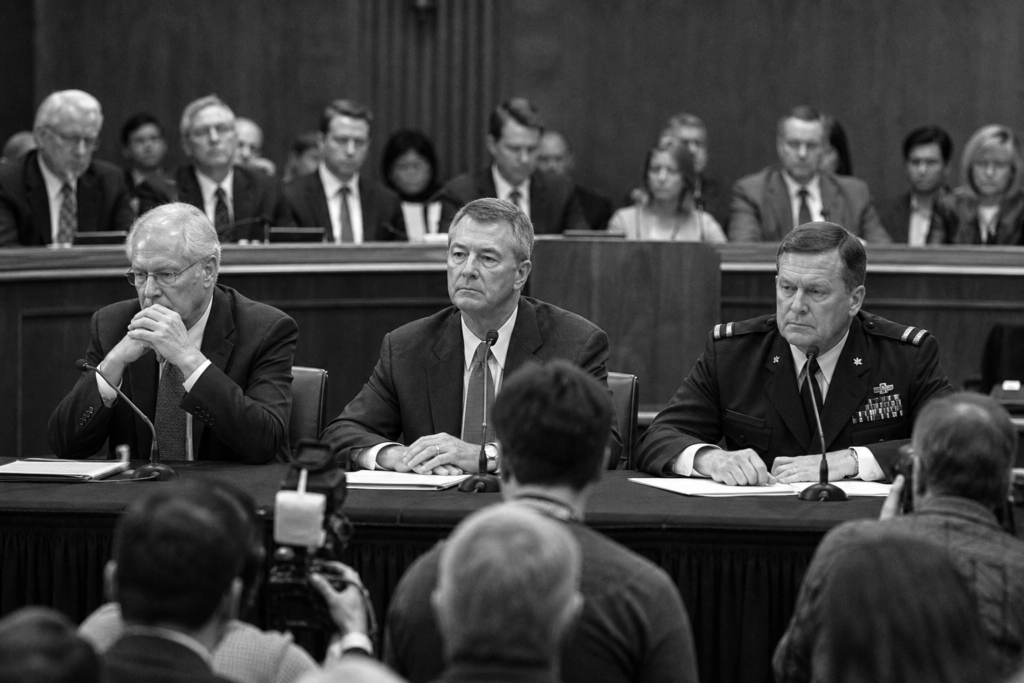
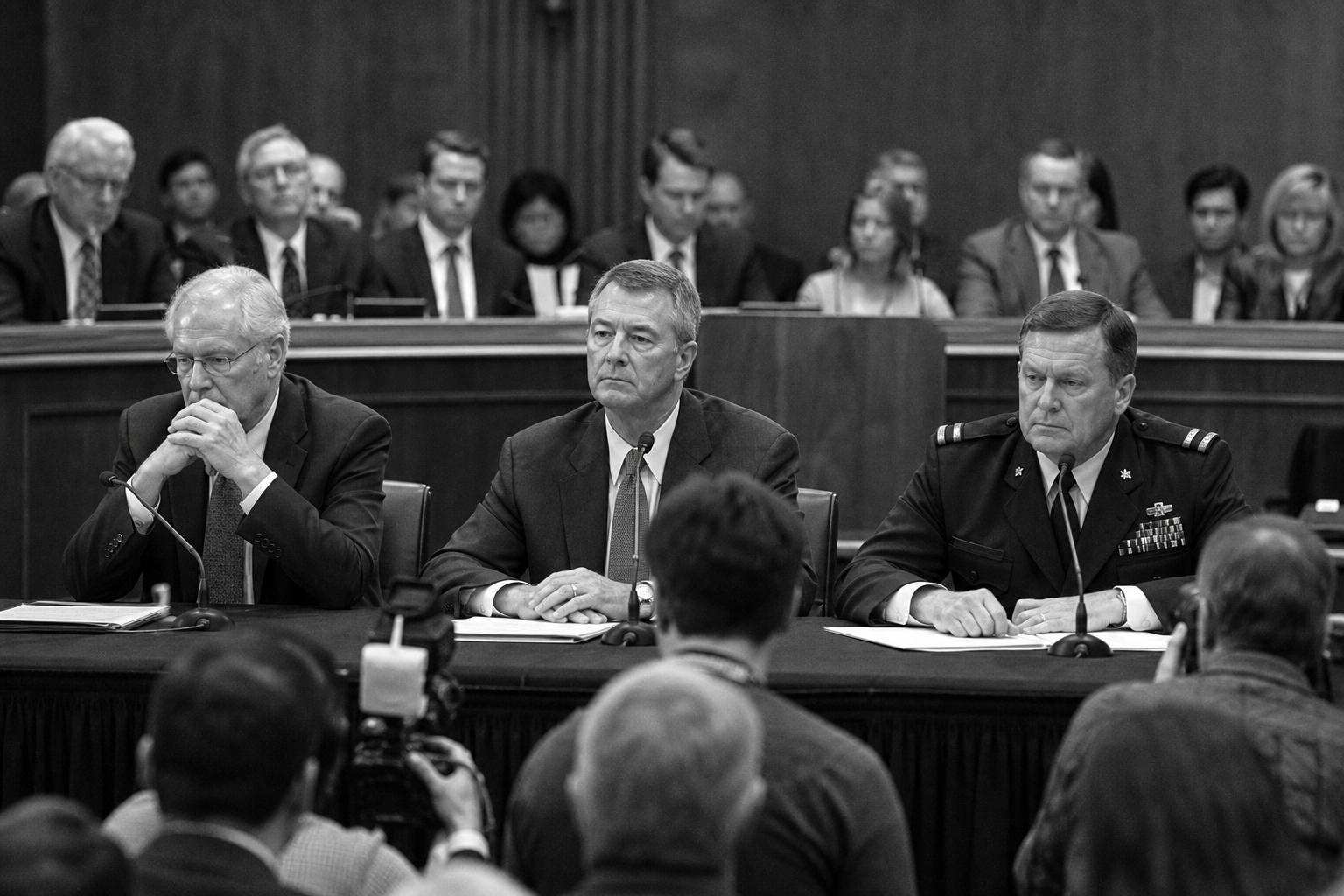
The Age of Disclosure documentary is a 2025 film built around an extraordinary allegation: former government, intelligence, military, and political figures contend that the public has been denied knowledge of non-human intelligence and of programs said to possess or study related materials. The stature of its speakers makes those assertions newsworthy. It does not, by itself, turn them into independently verified facts.
That distinction is the essential one. A participant’s on-record account can establish that the person made the claim; sworn testimony can add legal and personal accountability; an official report can document what an agency found or failed to find. None is the same as publicly available physical evidence that independently demonstrates an alien presence on Earth. Documentary editing may assemble a compelling narrative, but it cannot fill gaps in corroboration merely by placing credible careers beside consequential allegations.
This article examines the film’s stated case, the former officials and public figures who give it weight, and the public record against which its conclusions must be measured. It will separate unresolved UAP observations from claims about their origin, distinguish firsthand testimony from reported secondhand knowledge, and place the disclosure debate alongside official reviews, congressional action, and archival records. The central answer remains narrow: the film presents serious allegations, not public proof of non-human intelligence on Earth.
What The Age of Disclosure Claims, and What It Does Not Establish
At its 2025 SXSW premiere, director Dan Farah’s The Age of Disclosure framed its case as an alleged “80-year global cover-up” involving non-human intelligent life and a competition among major nations to reverse-engineer purportedly non-human technology. That is a documentary’s stated narrative: governments are said to have withheld knowledge and, in some cases, physical materials connected to an alleged intelligence not made by humans.
The distinction between presentation and proof matters. An on-camera interview establishes that a named participant made an assertion; it does not independently establish an alleged crash-retrieval program, recovered object, or the object’s origin. Likewise, a participant’s claimed classified access may explain why details are not public, but it does not make the underlying proposition testable. Public corroboration would look different: an authenticated record with a clear provenance, material available for independent examination, or an analysis whose methods and results outside experts can reproduce.
Farah’s film therefore advances the UFO disclosure debate by collecting high-level assessments into a single 2025 feature, rather than by issuing a government finding. Its premise asks viewers to weigh testimony about secrecy, recovery, and reverse engineering; it does not publicly supply an official determination, a released chain of custody, or independently examinable evidence demonstrating that alien intelligence is on Earth. The next question is not whether the film is forceful, but which separate propositions its participants are actually making.
The Core Disclosure Narrative: Retrieval, Reverse Engineering, and Non-Human Intelligence
The narrative works as a chain of four separate propositions, each more demanding than the last. First, the film presents allegations that governments or contractors recovered unusual craft or debris after incidents described as crashes or retrievals. A retrieval claim is a claim about possession: it would require reliable records of custody, provenance, and the material itself, not merely testimony that an object was seen or that a program was rumored to exist.
Second comes alleged reverse engineering. This is not synonymous with recovering something unexplained. Reverse engineering means systematically examining an object’s construction, materials, energy source, or function in an effort to reproduce or understand it. Evidence adequate for that proposition would need to show a real program, a defined object under study, and work products that can be assessed. An assertion that analysts tried to understand anomalous material does not, on its own, establish that the material was non-human technology.
A third proposition concerns compartmentalization: the film’s participants contend that knowledge has been distributed through tightly restricted channels, leaving many officials without access. Such a structure could explain why accounts conflict or why public records are incomplete. It cannot establish the hidden subject matter by itself. Secrecy may be real while the explanation offered for it remains unproven; classified aerospace, intelligence, or defense work are possible categories without demonstrating alien disclosure.
The final conclusion, that some UAP involve non-human intelligence, therefore cannot be treated as a shortcut from the earlier claims. “Unidentified” describes an unresolved identification problem, not an established origin. A sensor anomaly, an unusual observation, or even an object whose characteristics remain unexplained may warrant further inquiry, but it does not determine whether the cause is extraterrestrial, technological, natural, or mistaken.
For readers weighing the film’s UAP disclosure case, the useful checkpoint is to keep the links apart: recovery, custody, analysis, program knowledge, and origin each require their own corroboration. Combining them into one narrative may be persuasive storytelling; it is not the same as publicly demonstrating non-human intelligence on Earth.
Which Former Officials Give the Film News Value?
Credentials matter here because they indicate the kinds of systems, briefings, and reporting channels a speaker may have encountered. They do not convert an interview into a declassified finding. The film’s most consequential voices are therefore useful to assess individually, with attention to whether they offer direct experience, a professional judgment, or a claim relayed from others.
- Christopher Mellon, a former Deputy Assistant Secretary of Defense for Intelligence, appears as an unsworn commentator whose assessment draws on defense-intelligence experience and his public advocacy for UAP reporting. That background makes his account relevant to how the government handles such reports; it is not firsthand public proof of recovered non-human technology.
- Luis Elizondo, formerly associated with the Pentagon’s Advanced Aerospace Threat Identification Program, gives unsworn public claims and personal assessments about secretive UAP work. His former defense role gives those assertions news value, but the film does not make his conclusions equivalent to an official Pentagon determination.
- Jay Stratton, the former director of the Defense Department’s UAP Task Force, is significant because that role involved organizing and evaluating government UAP information. His filmed statements are unsworn and combine professional assessment with accounts of restricted work; public viewers cannot independently examine any classified material behind them.
- Retired Rear Adm. Tim Gallaudet, a former NOAA administrator, brings military command and scientific-agency experience. His public remarks are unsworn; where he discusses events or records he personally encountered, that portion is firsthand, while his conclusions about origin remain his opinion.
The documentary also gives political weight to interviews with then-Sens. Marco Rubio and Kirsten Gillibrand, both of whom were elected officials involved in congressional attention to UAP reporting. Their remarks are unsworn policy and oversight judgments, not claims of personally witnessing alien technology. That distinction matters: lawmakers can credibly describe the need for better reporting, access, and oversight without thereby authenticating the underlying whistleblower allegations.
David Grusch belongs in a separate evidentiary category. The former National Geospatial-Intelligence Agency and National Reconnaissance Office officer testified under oath to the House Oversight Committee in July 2023. He said he had been told by multiple people about alleged crash-retrieval and reverse-engineering programs, but he did not testify that he had personally seen recovered craft or biological material. His sworn status raises the seriousness of his public allegations; their central recovery claims nevertheless remain secondhand in that testimony and unverified in public evidence.
How to Separate Documented UAP Evidence From Alien Conclusions
Rather than weighting every statement by the speaker’s résumé alone, readers can rank the underlying support. At the top sit official records, authenticated imagery, contemporaneous sensor data, and agency findings. These materials can establish that a report was made, an event was recorded, or an object remained unresolved on the available information. They do not, without further analysis, establish what the object was or where it came from. An authenticated video of UAP sightings is evidence of a recorded observation, not a demonstrated alien craft.
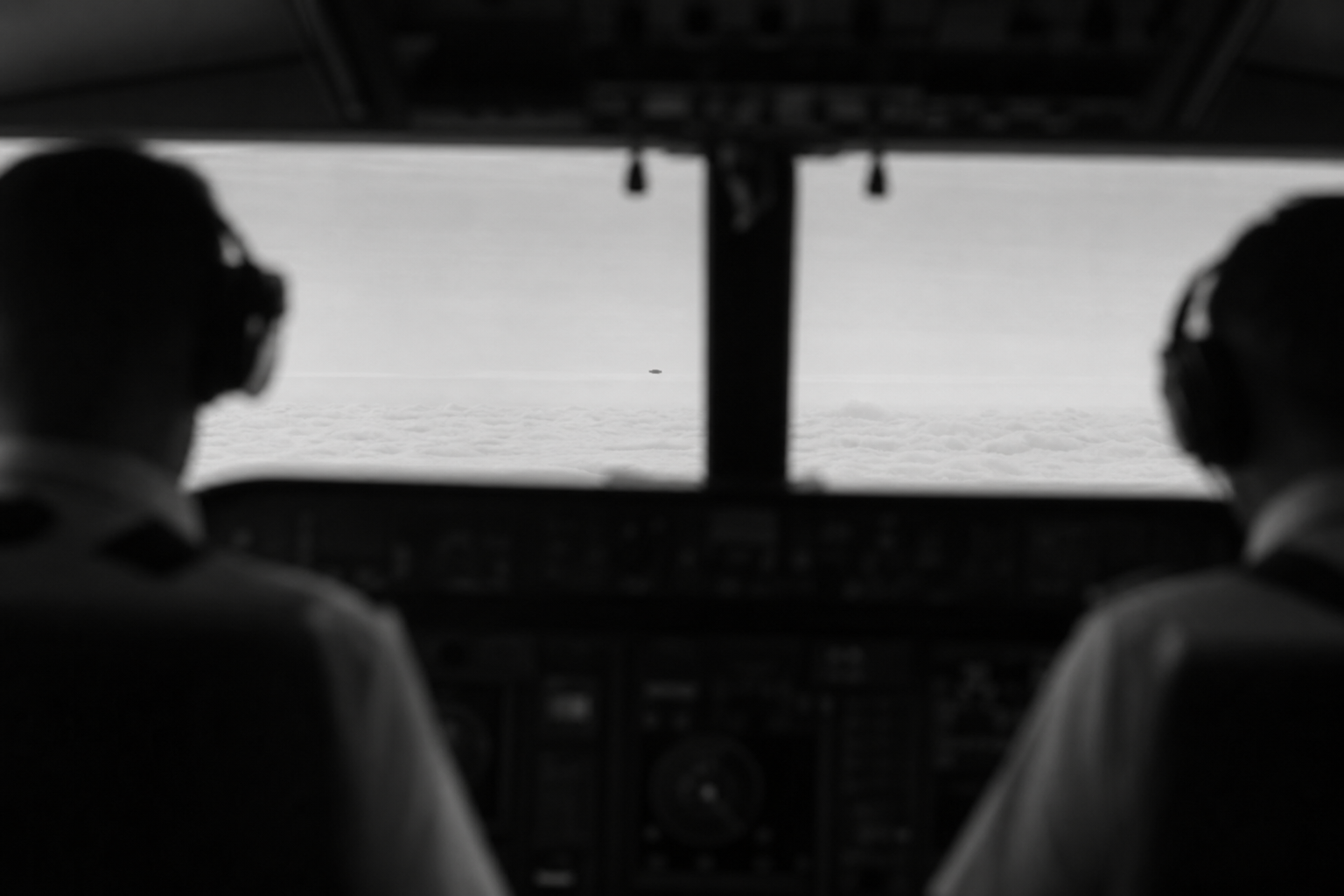
The next level is sworn, firsthand testimony: a witness describes an event, material, record, or process personally encountered and can be questioned about dates, access, and inconsistencies. Oath and cross-examination make an account more accountable than an interview, but testimony remains evidence of what the witness reports, not automatic proof of the conclusion drawn from it.
Named secondhand accounts carry less weight. They can identify leads worth investigating, especially when several people independently point to the same records or participants, but crash-retrieval allegations relayed from unnamed insiders cannot be publicly tested in the same way as direct observation or produced documents. Anonymous assertions fall lower still because readers cannot assess the person’s access, motives, wording, or whether separate claims trace back to one original source.
What would materially move the claim upward is not simply more testimony. It is a physical sample with a documented chain of custody from recovery through laboratory handling; transparent methods and results; testing that independent qualified laboratories can reproduce; and records that corroborate when, where, and by whom the material was obtained. Each element closes a different gap: custody addresses substitution, open methods allow scrutiny, replication tests reliability, and records connect the sample to the alleged event.
This ladder leaves room for serious unanswered questions. Credible former officials may illuminate reporting failures, restricted access, or reasons for further inquiry. But neither unresolved UFO sightings 2025 nor impressive credentials bridges the final evidentiary gap from anomalous observation or allegation to demonstrated non-human intelligence on Earth.
What AARO, Congress, and the National Archives Actually Say
Institutional records answer a narrower question than the film’s narrative: what the government has publicly found, preserved, and released. AARO’s 2024 Historical Record Report said it found no verifiable evidence that the U.S. government or private industry possesses extraterrestrial technology, and no evidence that alleged hidden programs had reverse-engineered it. Later AARO public reporting has continued to distinguish unresolved cases from a demonstrated non-human origin. Those findings are an official assessment of the material AARO reviewed, not proof that every witness allegation is knowingly false or that no additional records could emerge.
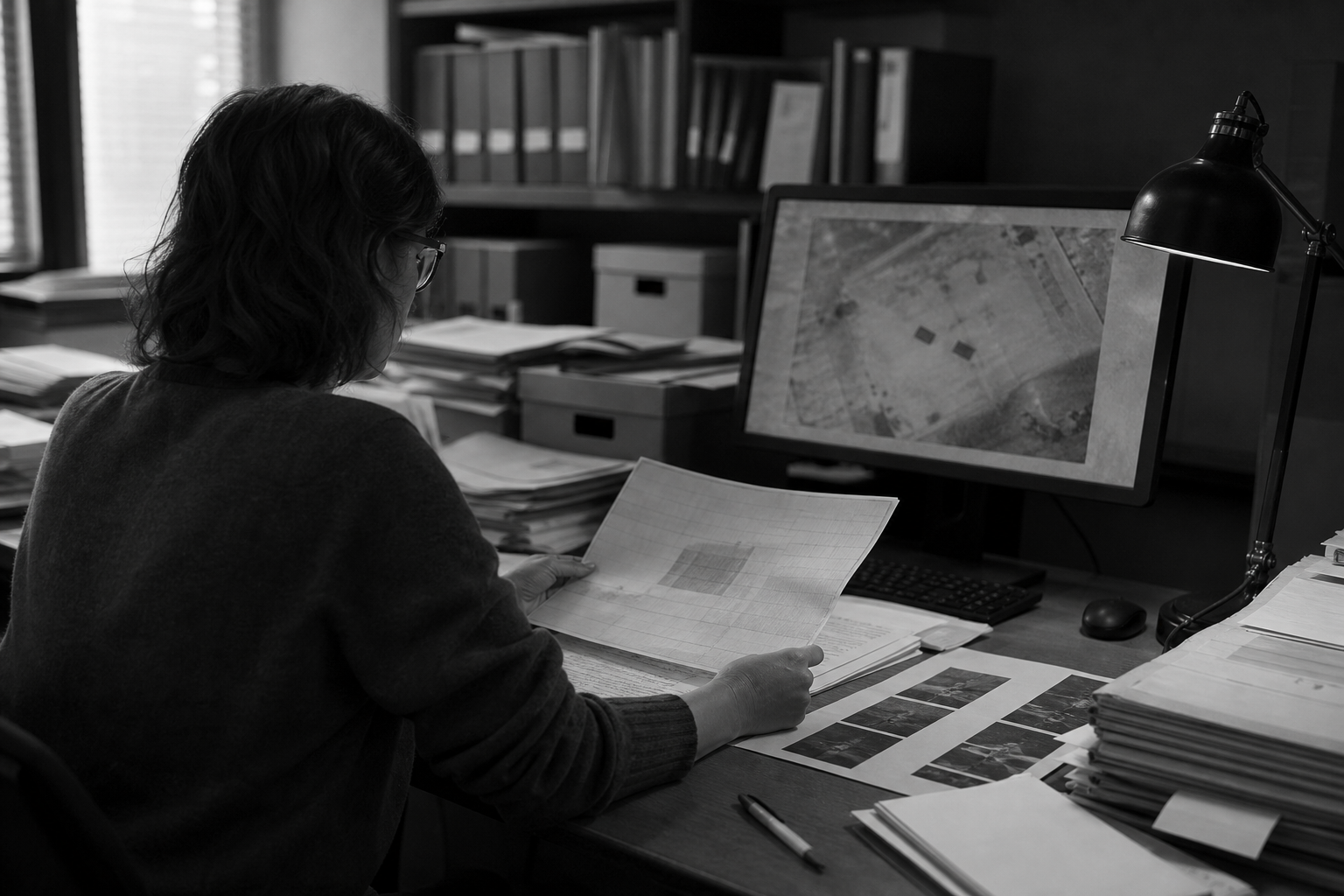
Congressional action likewise has a limited meaning. The original Schumer-Rounds UAP Disclosure Act proposal would have created a review process and broader disclosure framework for government-held UAP records; it did not become law in that full form. The enacted Fiscal Year 2024 National Defense Authorization Act instead created a UAP Records Collection, requiring federal agencies to identify and transmit relevant records to the National Archives, subject to lawful postponements of disclosure. A records law can expose how institutions handled reports and secrecy. It is not a congressional finding that crash-retrieval programs, non-human biologics, or alien technology exist.
The National Archives’ UAP Records Collection is therefore a useful public checkpoint. It gathers released and newly processed material in one place, allowing readers to distinguish an original memo, report, or correspondence from later claims made about it. Archival release can improve transparency, reveal gaps, and test timelines; it cannot by itself authenticate an allegation whose supporting material remains absent, classified, or disconnected from a documented chain of custody.
Why the Documentary Matters Even Without Verified Alien Disclosure
A practical test is whether a new claim supplies material that an outsider can examine, rather than merely adding another emphatic voice. The film puts prominent former officials’ assertions into a form voters, journalists, and lawmakers can scrutinize, and the public record of UAP releases documents that serious allegations have been made alongside official attention to UAP reporting and secrecy.
What remains uncorroborated publicly is the decisive material: an identifiable recovered craft or biological sample, a documented chain of custody, independently reproducible analysis, and evidence tying any such material to non-human intelligence. A claim that evidence exists in restricted channels may justify focused investigation; it is not public evidence of alien disclosure.
For UFO sightings 2026 and subsequent UAP news, use a simple filter. A strong signal begins with an original report, a named witness, contemporaneous sensor or physical evidence, and analysis independent investigators can test. A weaker signal is a clipped interview, an unattributed online account, or a promotional assertion that supplies none of those materials. Former officials make the film culturally and politically consequential; evidentiary confirmation requires more than consequential voices.
The Takeaway: Serious Claims Require Verifiable Evidence
The appropriate endpoint is neither automatic belief nor reflexive dismissal. The former officials featured in the film make its allegations worthy of sustained public attention because their experience can illuminate how reporting systems, classified programs, and oversight may function. Their stature establishes that consequential assertions are being made; it does not establish that the asserted objects, materials, or intelligence have been publicly demonstrated.
Unresolved cases likewise deserve precision. An unresolved observation means the available information does not support a confident identification. It is not a positive identification of alien intelligence. The evidentiary step that would change that conclusion is public material with clear provenance, a documented chain of custody, independent examination, and results other qualified investigators can reproduce or challenge.
That is the standard readers should carry forward from The Age of Disclosure: treat it as an influential intervention in the disclosure debate and a record of prominent people demanding answers. Reserve factual certainty for claims that can be independently tested outside the film’s interviews and outside inaccessible channels. Until that evidence is available, the proposition that non-human intelligence is on Earth remains an extraordinary allegation, not an established public fact.
Sources
Frequently Asked Questions
-
What is The Age of Disclosure documentary about?
The Age of Disclosure is a 2025 documentary directed by Dan Farah that presents former officials’ allegations of an 80-year government cover-up involving non-human intelligence, recovered materials, and reverse-engineering efforts. It compiles interviews and claims but does not provide publicly testable physical evidence proving alien intelligence is on Earth.
-
Who appears in The Age of Disclosure?
Notable participants include former Defense intelligence official Christopher Mellon, former Pentagon UAP official Luis Elizondo, former UAP Task Force director Jay Stratton, and retired Rear Adm. Tim Gallaudet. Then-Sens. Marco Rubio and Kirsten Gillibrand also appear, offering policy and oversight perspectives on UAP reporting.
-
What did David Grusch allege about UFO crash-retrieval programs?
David Grusch testified under oath before the House Oversight Committee in July 2023 that multiple people told him about alleged crash-retrieval and reverse-engineering programs. He did not testify that he personally saw recovered craft or biological material, so the central allegations remained secondhand and publicly unverified.
-
What has AARO said about alleged extraterrestrial technology?
AARO’s 2024 Historical Record Report said it found no verifiable evidence that the U.S. government or private industry possesses extraterrestrial technology. It also found no evidence that hidden programs had reverse-engineered such technology, while continuing to distinguish unresolved UAP cases from proven non-human origins.
-
What evidence should you look for before accepting a UAP claim as proof of alien technology?
Look for a physical sample with a documented chain of custody, records tying it to a specific recovery event, transparent laboratory methods, and results independent qualified labs can reproduce. Authenticated videos, official reports, and witness testimony can confirm that an observation or report occurred, but they do not by themselves establish an alien origin.