NARA’s 2024 UAP Records Collection: All Agencies Must Identify Files
Learn what the UAP Records Collection National Archives mandate required, which files qualify, and why public access may take time.
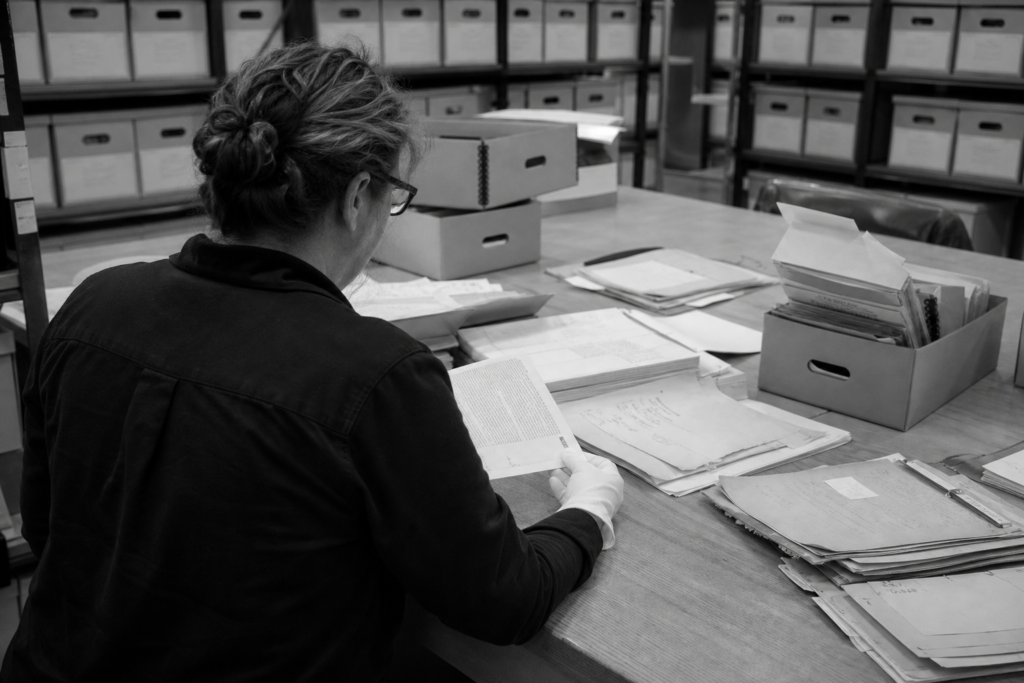
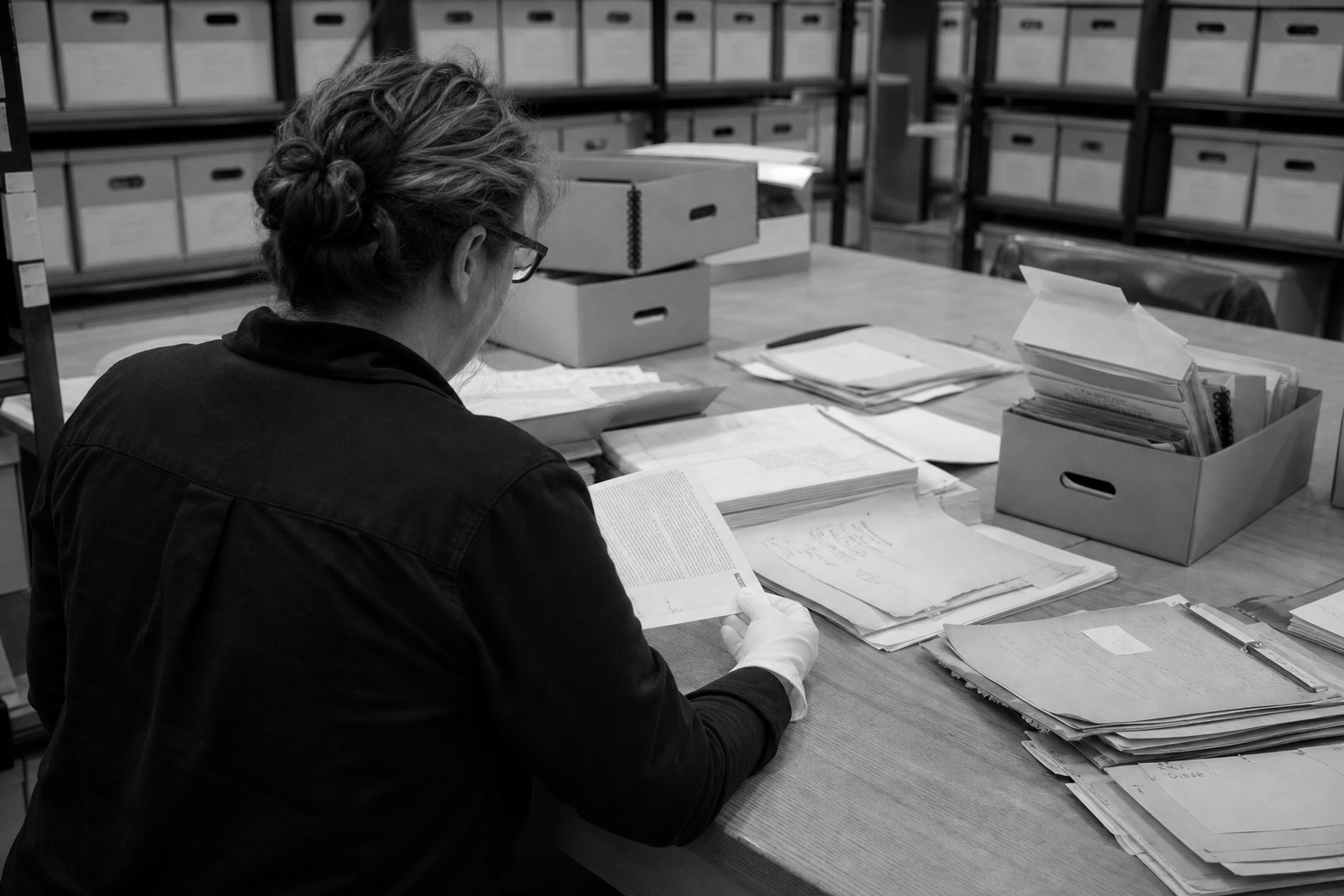
The 300-day review period in the FY2024 National Defense Authorization Act ended in October 2024, creating a concrete test for federal recordkeeping: had a government office located and organized the UAP-related material in its custody for the new collection? That deadline concerned records identification, not a government-wide promise that every file would be public on the same day.
The crucial distinction is between identification and disclosure. Under the UAP Records Collection Act, identification means reviewing an office’s holdings, determining whether a record falls within the statute’s UAP-record framework, and preparing it for the collection overseen by the Archivist of the United States. It does not itself put a document online, declassify it, or resolve a Freedom of Information Act request. Transfer to the National Archives is a separate archival step, while public access can require further review and a lawful postponement of disclosure.
This article follows that chain without treating the records mandate as proof of any particular UAP claim. It examines the FY2024 NDAA provisions, the government offices and record categories at issue, and the Archivist’s role in assembling the UAP Records Collection National Archives. Readers can then distinguish a searchable NARA catalog entry or digitized file from material that has been identified but remains unavailable, and track the collection through NARA’s dedicated materials and agency releases.
What the 2024 UAP Records Mandate Actually Required
Section 1842 set a specific archival task: within 300 days of the law’s December 22, 2023 enactment, the head of each covered government office was to locate, identify, and organize every qualifying UAP record in that office’s custody for transmission to the Archivist of the United States. “Qualifying” meant material within the Act’s defined UAP-record framework, not every routine document containing an isolated reference to an unexplained sighting.
The statute created the collection to centralize federal records relating to unidentified anomalous phenomena, including records concerning technologies of unknown origin or non-human intelligence where they fall within the law’s definition. A report of a sighting, an intelligence assessment, correspondence, or a program record could therefore require identification based on its subject matter. Inclusion would establish that the item belonged in the statutory records framework; it would not validate the event, analysis, or allegation described in the document.
The required sequence also has distinct legal consequences. Identification places material into the collection process; organization prepares it for archival handling; transmission moves it toward NARA’s centralized custody. Public disclosure is a later question. The Act established a presumption of disclosure but allowed postponement for specified grounds, including classified national-security information, intelligence sources and methods, personal privacy, and other protected interests.
In that sense, the UAP Records Collection National Archives initiative imposed a government-wide records-accounting duty, not an order to post every page at once or resolve every Freedom of Information Act request. NARA’s collection and agency materials can show what has reached public view; they cannot, by themselves, prove universal compliance or settle the factual accuracy of UAP claims.
The Legal Basis and the October 2024 Identification Deadline
October 17, 2024 was the 300th day after Public Law 118-31, making it the practical October 2024 checkpoint for the required records review. The UAP Records Collection Act provisions appear in sections 1841 through 1843 of that public law, which the President signed on December 22, 2023.
Section 1842 required the head of each covered government office, within 300 days, to review records in that office’s custody, identify material qualifying for the collection, and organize it for transmission to the Archivist. This UAP records identification requirement was a defined archival assignment: an office had to account for responsive material and prepare it for the collection process, rather than simply wait for individual public-records requests.
The deadline was therefore a statutory checkpoint for internal review and organization, not a date by which every responsive document had to be posted online. Identification could be complete while records still required transmission, archival processing, or a separate disclosure decision. That distinction matters because an item’s presence in the collection process does not itself settle whether its release may be postponed.
Nor does the passage of October 17 establish that every office finished on time. The statute imposed the duty on office heads; a conclusion about a particular agency’s implementation requires an identifiable NARA entry, agency release, or other official public record showing what that office reported, transferred, or made available. The enacted mandate differed from the original review-board proposal.
Which Government Offices and Records Are Covered?
The breadth begins with the statutory meaning of a government office. It expressly reaches executive agencies, military departments, elements of the intelligence community, and any other federal department, agency, instrumentality, office, or independent establishment. That formulation reaches far beyond the Department of Defense: AARO may be a prominent UAP-focused office, but it is not the boundary of the search obligation.
A component’s inclusion did not mean Congress presumed it possessed relevant material. The operative question was custody: whether that office held records meeting the Act’s definition. A civilian science office, a military command, a diplomatic component, or an intelligence element could therefore fall within the process if its holdings were responsive; an office without such holdings had no qualifying files to identify.
The definition of a UAP record is also broader than a sighting report. It covers a record created or made available by a government office on or after January 1, 1945, that relates to unidentified anomalous phenomena, technologies of unknown origin, or non-human intelligence. “Relates to” is the important connection: potentially responsive material could include correspondence, analyses, imagery, sensor data, program files, briefings, contracts, or records of related government activity, not merely a document labeled “UAP.”
That breadth has a limiting function as well. A record is not swept into the collection simply because it mentions a strange event, repeats a public allegation, or concerns aviation generally. It must fit the statutory subject matter and be among an office’s holdings. The useful distinction is between a file with a documented connection to the defined categories and a loosely adjacent file whose relevance is speculative.
For readers tracking the UAP Records Collection National Archives effort, the practical implication is straightforward: the law created a cross-government records inquiry, not a finding that every federal entity held extraordinary evidence. The nature and volume of qualifying material can only be assessed from identifiable collection entries and official releases.
What Agencies Were Supposed to Do With Identified Files
The next task was to turn a responsive-file finding into material that could be handled as part of a single archival collection. A records review could involve searching paper files, electronic repositories, legacy systems, and component-level holdings; identification marked material as qualifying, while organization assembled it in a form suitable for the collection.
That organization step is more substantial than attaching a “UAP” label. Offices needed to preserve enough context for the records to be understood, such as the originating office, series or file relationship, dates, and any restrictions that affect handling. Preparing records for transmission to the Archivist is the statutory bridge between an agency’s internal holdings and the NARA UAP Records Collection; it does not itself establish that a particular box, database, or document has already been accessioned by the National Archives and Records Administration.
The Archivist’s role is centralized stewardship: establishing, maintaining, and making the collection available within the archival framework Congress created. Centralization can make dispersed federal material easier to locate and evaluate together, but it is not synonymous with scanning every page or creating a fully searchable online database.
Those stages should remain distinct. Identification identifies a qualifying record; transmission prepares it to move into the collection process; accessioning records NARA’s formal receipt and custody; and processing arranges and describes material for use. Digitization produces digital copies, while online posting makes selected digital material publicly reachable. A catalog entry or a digital file can therefore be a useful public signal, but neither alone measures every office’s review or the full volume of records being handled.
Readers should treat the NARA UAP Records Collection as an evolving archival destination rather than a completed public inventory. Collection descriptions, catalog metadata, accession information, and released digital files can document visible progress; they cannot, by themselves, prove universal completion of the earlier agency work.
Why Identification Does Not Mean Every UAP File Is Immediately Public
Public availability turns on a separate set of decisions for each record or portion of a record. A disclosure-oriented archival collection can still contain material whose release is postponed, meaning that the record is retained and tracked but not yet made available in full. That distinction matters: a file may be identified and preserved without its text, images, attachments, or technical details appearing online.
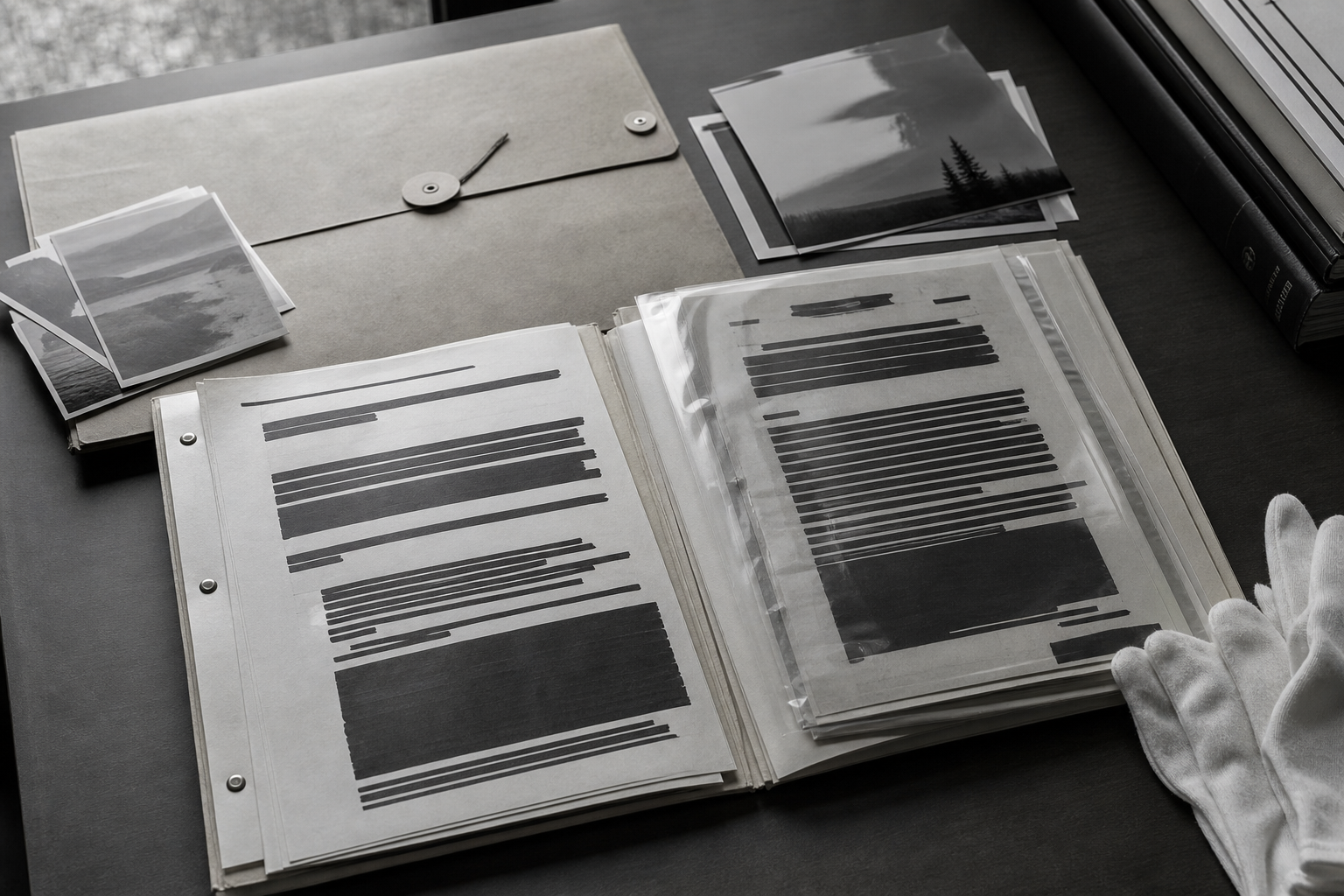
National-security concerns are one possible basis for delay. Classified information is material restricted to prevent harm to national defense or foreign relations; releasing it may expose operational capabilities, military vulnerabilities, or diplomatic information. Intelligence methods and sources raise a related concern: even an apparently routine report can reveal how the government gathers information, what it can detect, or who supplied it. The practical result may be withholding a document, releasing it later, or releasing a version with sensitive passages removed.
Privacy is different in purpose. It protects identifiable people rather than government capabilities. Names, contact details, medical information, personnel matters, or other personal data may be redacted while the rest of a record is disclosed. Other protected interests can likewise affect access, including law-enforcement-sensitive material, confidential commercial information, and restrictions imposed by other laws.
Review also takes time. Before material can be released, officials may need to determine whether classification still applies, separate exempt content from releasable content, create redacted copies, and prepare enough description for a reader to understand what is being withheld. Processing and digitization affect usability as well: an unprocessed paper file may exist within the collection without being searchable or downloadable through a public interface.
FOIA remains a separate route to public access. A request can seek agency records even when they are not visible in the collection, but it initiates its own search, review, and exemption analysis; it does not automatically compel publication of restricted material. Nor should the collection’s disclosure rules be treated as “alien disclosure”: archival access can illuminate what federal offices recorded without confirming any claim about extraterrestrial or non-human intelligence.
What the Collection Can, and Cannot, Tell Us About UAP Claims
A centralized archive can make a better evidentiary trail possible: readers may compare a record’s date, authoring office, attachments, distribution, and later assessments instead of relying on an isolated excerpt or a retelling in UAP news. A contemporaneous operational report is evidence that someone recorded an event or concern; it is not, by itself, proof of what caused the event. A later technical assessment, corroborating sensor data, and a documented chain of custody would carry different, and potentially stronger, weight.
The collection cannot turn an allegation into a verified finding. Its existence does not establish alien craft, crash-retrieval programs, a coordinated government UFO cover-up, or claims involving non-human intelligence. Nor does an unexplained report necessarily imply an extraordinary explanation; “unresolved” can reflect incomplete data, competing interpretations, or limits on what a record preserves.
The useful test is specificity. Strong material identifies who created it, when, what underlying evidence it relies on, and whether an official finding supports its conclusion. Weak material offers a dramatic assertion without provenance, supporting records, or a clear distinction between observation and interpretation. Centralization may make those differences easier to inspect; it does not erase them.
How to Search NARA’s UAP Collection and Track What Happens Next
Begin with NARA’s dedicated UAP collection page, then use the NARA Catalog to search broader terms, agency names, dates, offices, and record titles. A collection page provides an organized entry point; a catalog search can surface related descriptions filed under a creator or series name rather than “UAP.”

Read the catalog entry before drawing conclusions. Metadata can show the creating office, date range, record group, scope note, and access status. An attached digital object means a file can be opened online; a descriptive entry without one means the catalog identifies the holding but does not itself provide the document.
Save catalog identifiers and revisit both the collection page and relevant agency release pages for newly available UAP records, new accessions, digitization, or processing notices. Silence is not evidence that every office completed its work or that no additional material exists.
The practical takeaway remains narrow but important: covered offices were required to identify qualifying records, while the timing and extent of public access depend on transfer, archival processing, and lawful disclosure decisions.
The Key Takeaway From NARA’s UAP Records Mandate
The enduring value of this effort lies in accountability over records, not in the anticipation of a single dramatic disclosure. A centralized archive gives the public a clearer place to trace what federal offices have identified, what has entered archival handling, and what remains unavailable or only partly available.
That makes provenance the essential test for every new item. A strong release identifies the creating office, date, record series, attachments, and access status; a weak presentation relies on a cropped page, an unexplained excerpt, or a claim detached from its archival context. A released record may document an observation, an internal concern, or an investigative lead without resolving what occurred.
Readers should therefore follow the UAP Records Collection National Archives page alongside agency release and implementation materials, treating additions, descriptions, and withholding notices as distinct signals. An online file shows public access to that item; a catalog entry may show only that a holding exists; an absent result does not establish either compliance failure or the absence of responsive records. The mandate created a durable route toward centralized access. Its real measure is the quality, context, and lawful availability of the records that become visible over time.
Frequently Asked Questions
-
What is the UAP Records Collection at the National Archives?
The UAP Records Collection is a centralized National Archives collection for qualifying federal records related to unidentified anomalous phenomena, technologies of unknown origin, or non-human intelligence. It is overseen by the Archivist of the United States and can include reports, analyses, imagery, sensor data, correspondence, contracts, and program files.
-
Did all federal agencies have to identify UAP records?
Covered government offices had to review records in their custody and identify qualifying UAP records. The requirement applied to executive agencies, military departments, intelligence community elements, independent establishments, and other federal offices, but only records meeting the statutory definition had to be included.
-
What was the deadline for agencies to identify UAP files?
The deadline was October 17, 2024, which was 300 days after Public Law 118-31 was enacted on December 22, 2023. Section 1842 required covered office heads to locate, identify, and organize qualifying records for transmission to the Archivist.
-
Are UAP Records Collection documents automatically public?
No. Identification and organization for the collection do not automatically declassify, digitize, post online, or resolve a FOIA request. Disclosure can be postponed for classified national-security information, intelligence sources and methods, personal privacy, law-enforcement sensitivity, confidential commercial information, and other protected interests.
-
How can I tell whether a NARA UAP record is actually available to read?
Check the NARA UAP collection page and read the NARA Catalog entry for the creating office, date range, record group, scope note, and access status. An attached digital object means the file is available online, while a catalog description without one indicates that NARA has identified the holding but may not provide public access to the document.