Michael Shermer’s Evidence Critique After the July 26, 2023 Grusch Hearing
Examine David Grusch UFO testimony from July 26, 2023, and why Michael Shermer says the public hearing offered no physical evidence.
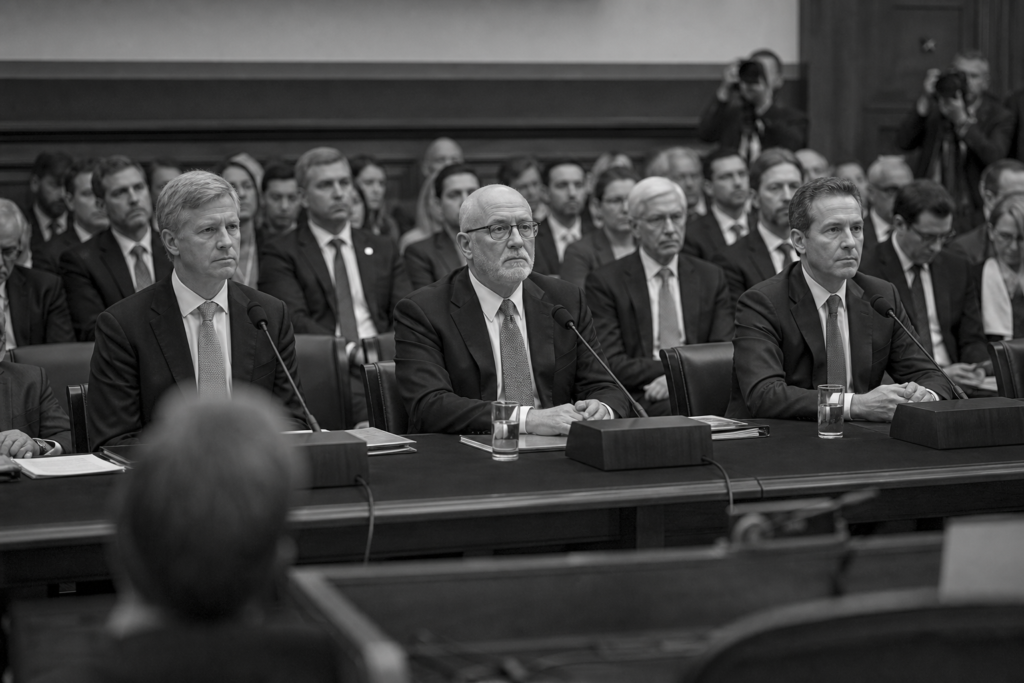
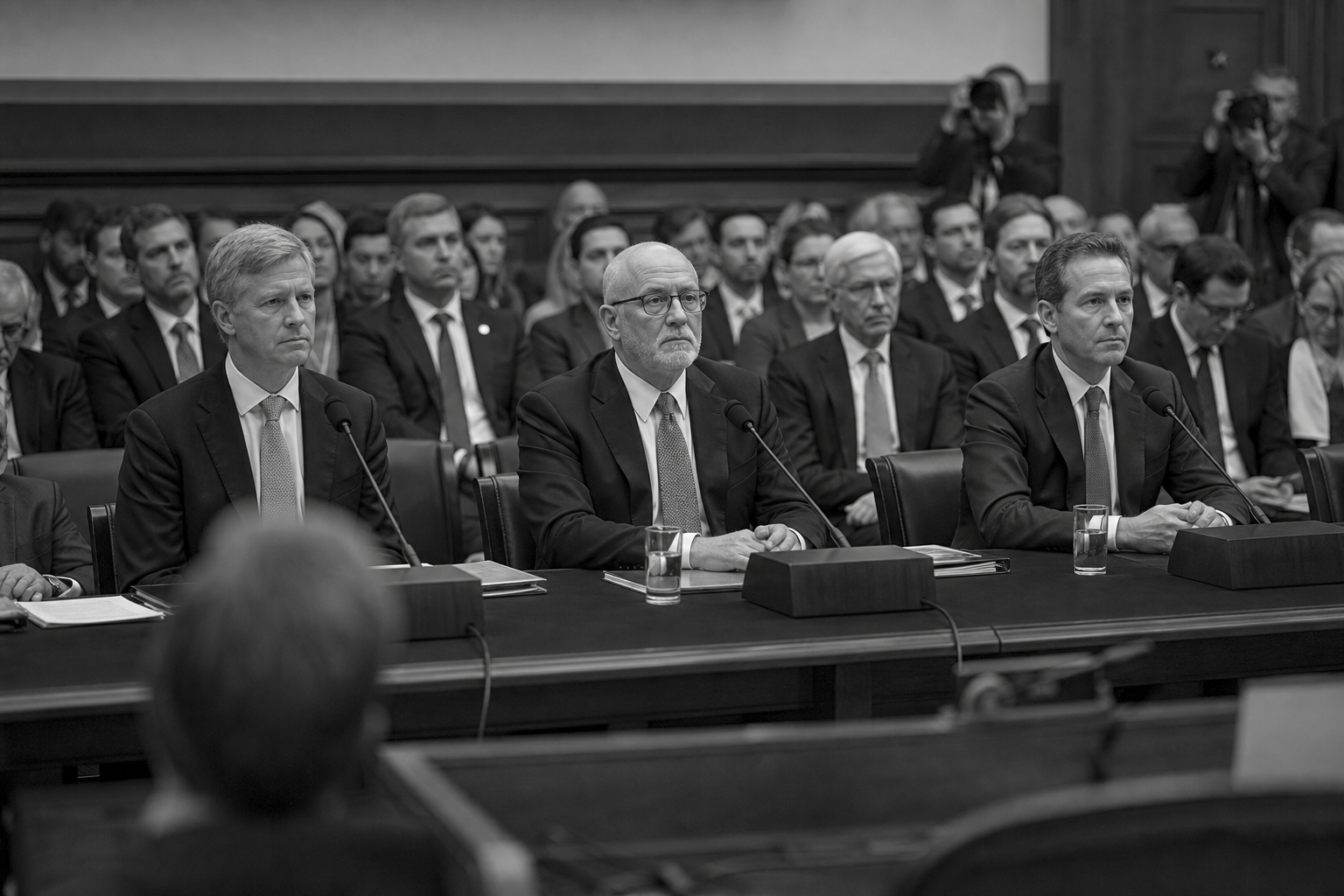
David Grusch UFO testimony put an unusually sharp question before the public: how should extraordinary allegations be weighed when the alleged underlying material is not available for independent inspection? At the July 26, 2023 UAP hearing, Grusch testified under oath that he had been told of a longstanding program involving recovered craft and “non-human” biologics. The hearing made those allegations public; it did not display an artifact, biological sample, laboratory result, or authenticated chain of custody for public examination.
That gap is the center of Michael Shermer’s challenge. Sworn testimony can establish what a witness says and invite investigation, but it does not by itself establish that the reported object or program exists. A classified assertion may describe information withheld from the room; an eyewitness report may document an encounter that remains unexplained; a documentary claim may point to records not released publicly. Physical evidence is different: material that can be traced to its origin, tested by qualified independent investigators, and evaluated through reproducible analysis.
This article keeps its focus narrow: what the public record of that hearing did, and did not, make available. It treats Grusch’s allegations seriously as allegations, separates them from pilots’ UAP observations, and examines why Shermer argued that the available testimony had not crossed the threshold from compelling claim to publicly demonstrable evidence of non-human technology or intelligence.
Michael Shermer’s Challenge: What Was Publicly Proven at the July 26 Hearing?
The relevant test is not whether every aerial report received an immediate conventional explanation. It is whether the public portion of the July 26, 2023 hearing placed material before observers that could substantiate the more specific allegations of recovered non-human technology or biologics. On that question, Michael Shermer’s objection was evidentiary: the session offered testimony and descriptions of alleged hidden information, not an object or sample available for public examination.
That position does not require calling Grusch dishonest. A witness can faithfully recount what he was told, and an unresolved UAP report can remain unresolved, without either becoming proof of extraterrestrial or non-human intelligence. The evidentiary categories carry different weight: testimony establishes that a claim was made; an eyewitness account records an observation; an assertion about classified files indicates that purported records may exist; and a physical artifact can, in principle, be examined, traced, tested, and independently analyzed. Shermer’s challenge was that the July 26 hearing did not publicly move from the first three categories to the fourth.
For readers assessing the Michael Shermer–David Grusch dispute, that distinction prevents two errors. It avoids dismissing unusual reports merely because their cause is unknown, while also avoiding the inference that an unknown cause is therefore non-human. The hearing could justify further inquiry into allegations and oversight without, on its public record, demonstrating the extraordinary conclusion attached to them.
What David Grusch Said Under Oath on July 26, 2023
At the House Oversight Committee’s National Security, the Border, and Foreign Affairs Subcommittee hearing on July 26, 2023, the witness table brought together three different kinds of UAP accounts. Former Navy pilots Ryan Graves and David Fravor described operational encounters and reporting concerns; former intelligence officer David Grusch addressed allegations of concealed government programs. That division matters because the David Grusch UAP hearing did not present one unified claim supported by one shared body of evidence.
In his sworn opening statement, Grusch said that information provided to him during his official work led him to allege a decades-long crash-retrieval and reverse-engineering effort involving recovered UAP material. He said he had interviewed more than 40 people over four years and had identified people with direct knowledge of those alleged programs. His formulation was important: he described what officials and other witnesses had told him, rather than testifying that he had personally recovered or examined a craft.
Representative Nancy Mace asked whether “biologics” had accompanied any purported recoveries. Grusch replied, “Biologics came with some of these recoveries, yeah,” and, when asked whether they were human or non-human, answered “non-human,” attributing that assessment to people with direct knowledge. The exchange put a grave allegation into the public record, but it did not identify the biological material, its custodian, testing results, or the people whose accounts underlay his answer.
Grusch repeatedly indicated that much of the detail he believed he possessed was classified and could be provided only in a secure setting. Thus, the public session recorded allegations, the existence of purported witnesses, and requests for congressional investigation; the asserted underlying records and materials were not aired in open testimony.
The Crucial Distinction: Firsthand Knowledge, Secondhand Claims, and Classified Assertions
A sworn answer can place a serious allegation before Congress and still leave the public without inspectable physical evidence of non-human technology or biologics. The decisive question is what the witness personally observed, what the witness learned from other people, and what remains asserted but unavailable because it is classified.
Grusch’s firsthand professional account concerned his intelligence and UAP-related work: he said he received information, interviewed people, and referred allegations through official channels. His more consequential claims about recovered craft, reverse-engineering programs, and biologics were presented as information relayed by current or former officials whom he described as having direct knowledge. That does not make the accounts trivial or necessarily unreliable; it identifies their evidentiary level. A David Grusch whistleblower allegation can warrant oversight, interviews, and protected disclosures, but it is not the same as Grusch personally handling the alleged material.
Classified assertions occupy a separate category. They may point investigators toward names, programs, records, or locations that cannot responsibly be discussed in open session. Yet classification also means the public cannot assess the particulars: who made an observation, what document records it, whether accounts agree, or whether an object’s custody can be traced without gaps.
That distinction explains the limited force of the public record. Testimony reports what a witness says happened; documentary evidence permits scrutiny of records and their origin; physical evidence permits examination of an artifact or sample. For the strongest claim at issue, publicly assessable David Grusch physical evidence would require an identified item, a documented chain of custody, independent testing, and results other qualified investigators could reproduce or challenge. None of those steps is supplied merely by the existence of sworn, secondhand, or classified assertions.
Why Shermer Said the Public Record Did Not Establish Physical Evidence
For Michael Shermer, the evidentiary threshold rises with the claim. An allegation of recovered non-human technology or biological material is not resolved by the seriousness of the witness, the fact that testimony was sworn, or the possibility that further details sit in classified channels. It calls for material that scientists outside the original claim network can examine rather than merely descriptions of material they cannot see.
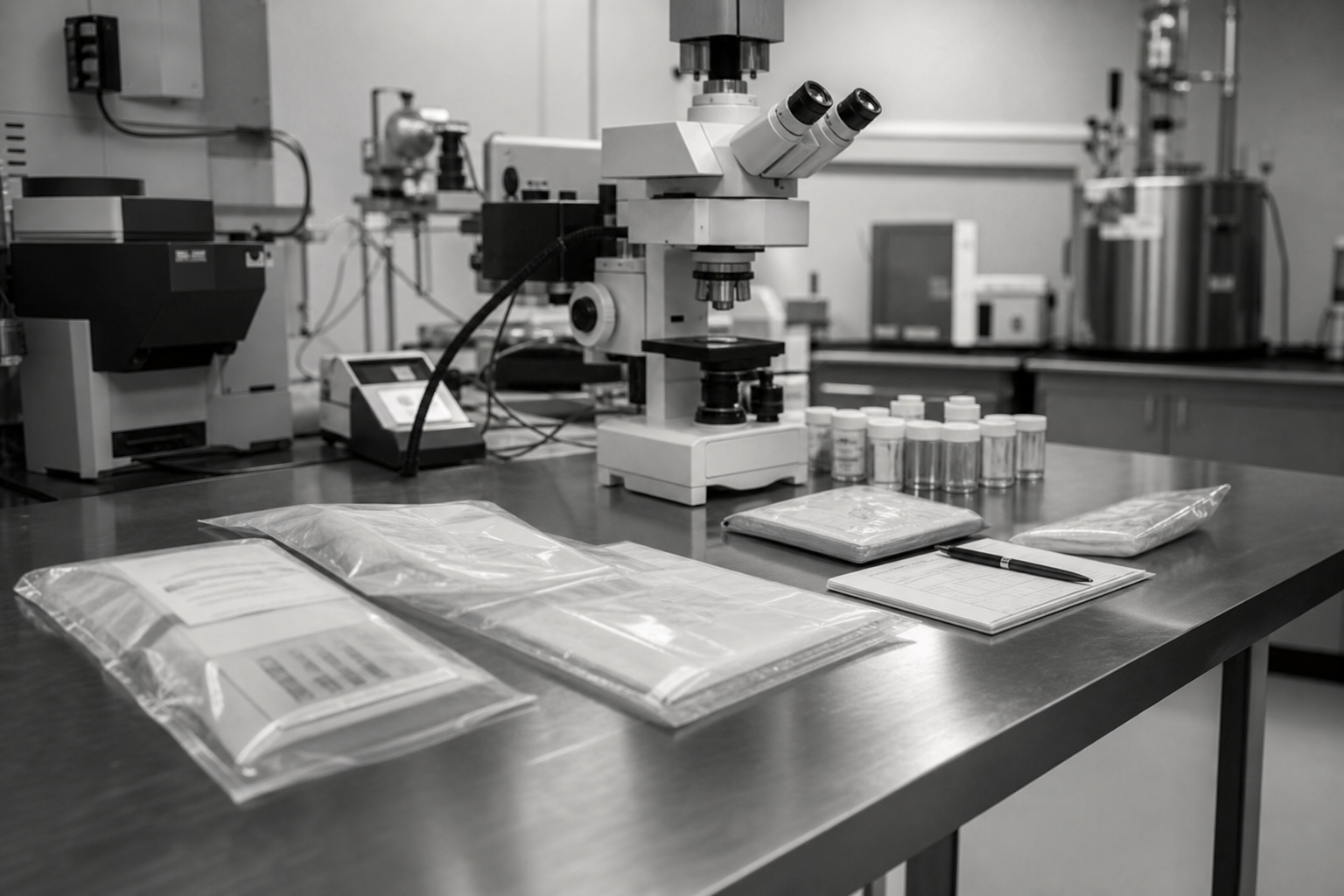
That standard has several linked parts. An artifact or specimen is the starting point: a purported craft fragment, engineered component, tissue sample, or other identifiable item. Provenance establishes where it was obtained and under what circumstances; a chain of custody records each transfer and safeguards against substitution, contamination, or misidentification. Independent laboratory work then tests composition, structure, isotopes, or biological characteristics, while sufficiently reported methods and results allow other qualified analysts to challenge or reproduce the finding. A photograph, an assertion that an object exists, or an account of a classified briefing may justify investigation, but it does not perform those functions.
On that measure, the public hearing record contained no material sample for examination, no demonstrated fragment of an alleged recovered craft, no biological specimen, no disclosed laboratory analysis, and no public chain of custody. Grusch testified to allegations relayed to him and indicated that additional particulars could be discussed in a secure setting; the open session did not turn those allegations into publicly inspectable exhibits. This is the precise force of the Michael Shermer–David Grusch dispute: the hearing did not publicly present or publicly substantiate physical evidence for non-human technology or biologics. It left open the question of what investigators might examine elsewhere, but it did not supply the public testable evidence required to establish the claim.
Unexplained UAP Reports Are Not the Same as Evidence of Non-Human Technology
The pilots’ accounts answer a different question from Grusch’s allegations: what personnel encountered in operational airspace, rather than what material the government may allegedly possess. Ryan Graves testified that aviators needed a reliable way to report UAP because unidentified objects near training routes can create an aviation-safety concern even when their origin is unknown. His point was practical: an unresolved observation can affect flight operations and intelligence collection without establishing what the object was.
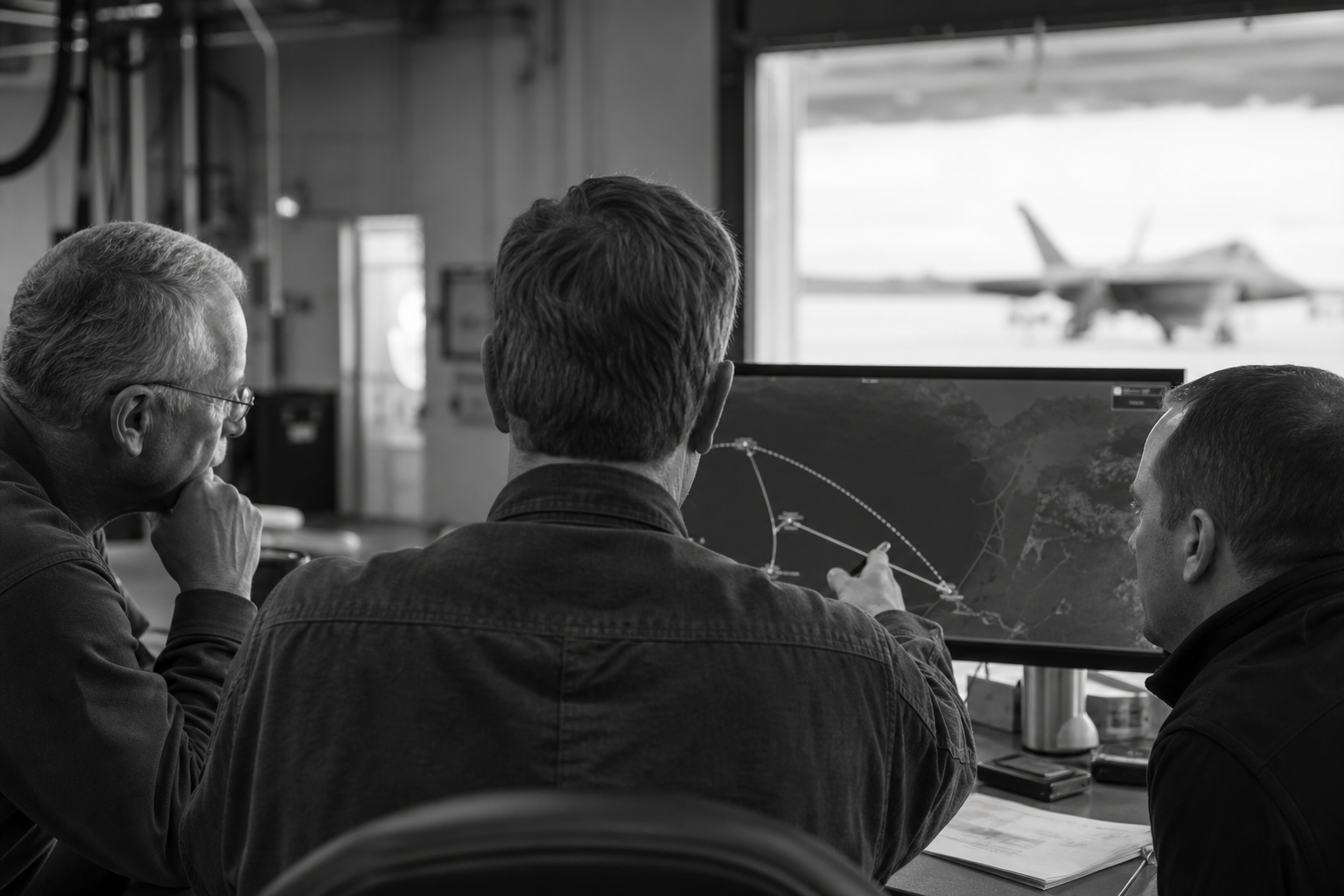
David Fravor likewise described his firsthand 2004 Nimitz encounter with an unusual object, including its “Tic Tac” appearance and movements he considered remarkable. That testimony is eyewitness evidence of an encounter and a reason to preserve radar, video, flight, and witness records for investigation. It is not, by itself, evidence of a recovered vehicle, an extraterrestrial source, or a covert program. An unexplained result means the available information did not settle identification; it does not supply a positive identification of non-human technology.
Grusch’s David Grusch UFO testimony concerned a separate evidentiary track: information he said had been provided by people with knowledge of alleged crash-retrieval and reverse-engineering activities. The claims could warrant congressional inquiry and protected reporting, but neither Graves’s UAP sightings nor Fravor’s account independently corroborated them. Treating all three witnesses as though they supplied one continuous proof chain would erase the difference between direct observation, a report of an unresolved event, and allegations about hidden materials. That distinction permits serious investigation without converting uncertainty into UFO disclosure or a verified government cover-up.
How Official Reviews Framed the Evidence Question
Institutional reviews applied a narrower test than the hearing’s allegations: whether investigators could substantiate a claimed object, program, or origin with records and material available to them. The Department of Defense’s All-domain Anomaly Resolution Office (AARO) was created to receive, analyze, and resolve UAP reports across military and intelligence systems; an unresolved report is a case lacking enough reliable information for identification, not a finding of non-human origin.
AARO’s March 2024 historical report, issued after the hearing, said it had found “no verifiable evidence” that any UAP sighting represented extraterrestrial technology and no evidence that the U.S. government or private industry had access to extraterrestrial technology. That conclusion did not purport to prove every individual allegation false. It described the result of the review of alleged UAP-related programs and evidence it could verify.
The timing and scope matter. The report was not public evidence available on July 26, 2023, and classification disputes remain central to claims of a government UFO cover-up: Grusch alleged that relevant material and testimony lay outside public view. But neither AARO’s public reporting nor Defense Department statements supplied the missing bridge, an authenticated artifact or biological sample, a documented custody history, and independently reproducible testing. In that limited sense, the official record reinforced Shermer’s point about what had not been publicly demonstrated.
What the Hearing Established, and What It Did Not
The practical result was a congressional record that put reporting channels, oversight, transparency, and protections for people bringing forward UAP-related allegations into sharper focus. Grusch’s sworn claims were serious enough to justify scrutiny, but an allegation that merits investigation is not itself a verified finding. The public session did not place an alleged craft, biologic, fragment, material sample, or laboratory result before Congress or the public.
That is the limited point Shermer pressed. Testimony can establish that a witness made a claim; it cannot, by itself, establish the claimed object’s origin or composition. The discussion would materially change if authenticated materials were made available with a documented provenance and chain of custody, then subjected to independent analysis whose methods and results could be reproduced. Until then, the July 26, 2023 record supports continued inquiry, not a public demonstration of non-human technology or biologics.
Sources
Frequently Asked Questions
-
What did David Grusch testify to at the July 26, 2023 UAP hearing?
David Grusch testified under oath that he had been told of a decades-long crash-retrieval and reverse-engineering program involving recovered UAP material. He said he interviewed more than 40 people over four years and that sources with direct knowledge told him some recoveries included non-human biologics.
-
Did David Grusch present physical evidence at the UAP hearing?
No. The public hearing displayed no alleged craft, fragment, biological sample, laboratory result, or documented chain of custody for public examination.
-
What did Michael Shermer say about David Grusch’s claims?
Michael Shermer argued that sworn testimony establishes that a witness made a claim, not that recovered non-human technology or biologics exist. He said the public record lacked independently testable physical material, provenance, custody documentation, and reproducible analysis.
-
What is the difference between Grusch’s firsthand and secondhand claims?
Grusch’s firsthand account involved receiving information, interviewing sources, and filing allegations through official channels. His claims about recovered craft and non-human biologics were secondhand reports attributed to officials or witnesses he said had direct knowledge.
-
What evidence should people look for before accepting claims of recovered non-human technology?
Look for an identified artifact or specimen with documented provenance and a complete chain of custody. The material should be tested by qualified independent laboratories using methods and results that other investigators can examine, challenge, or reproduce.