House Oversight Schedules 2025 Hearing on UAP Transparency in Washington, DC
Track the House Oversight UAP hearing in Washington, DC: learn confirmed scheduling, witnesses, scope, public access and transparency limits.
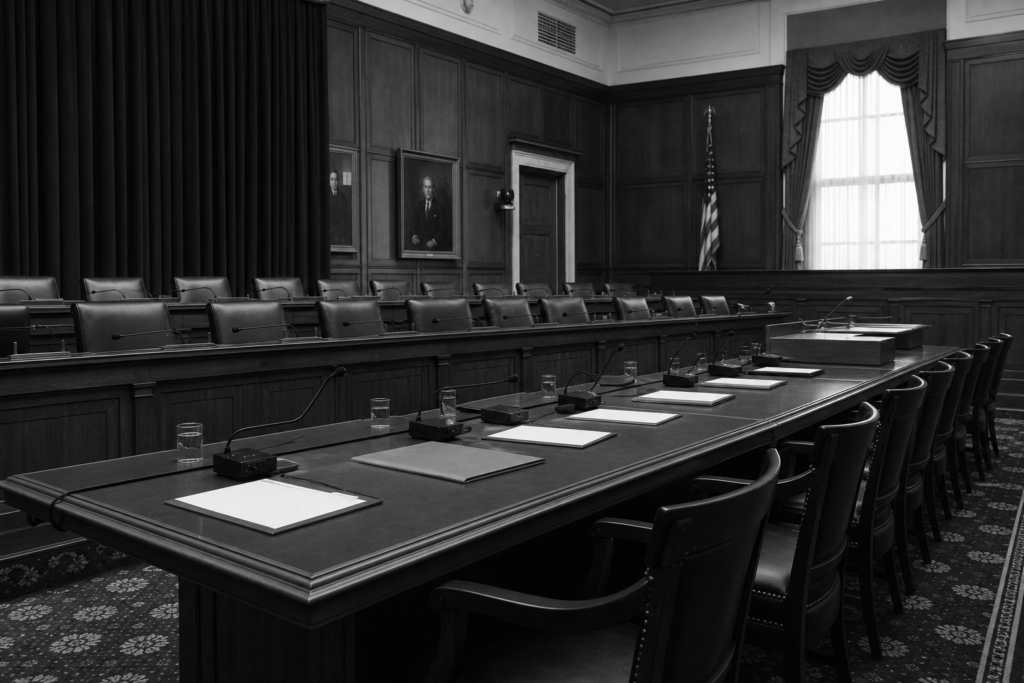
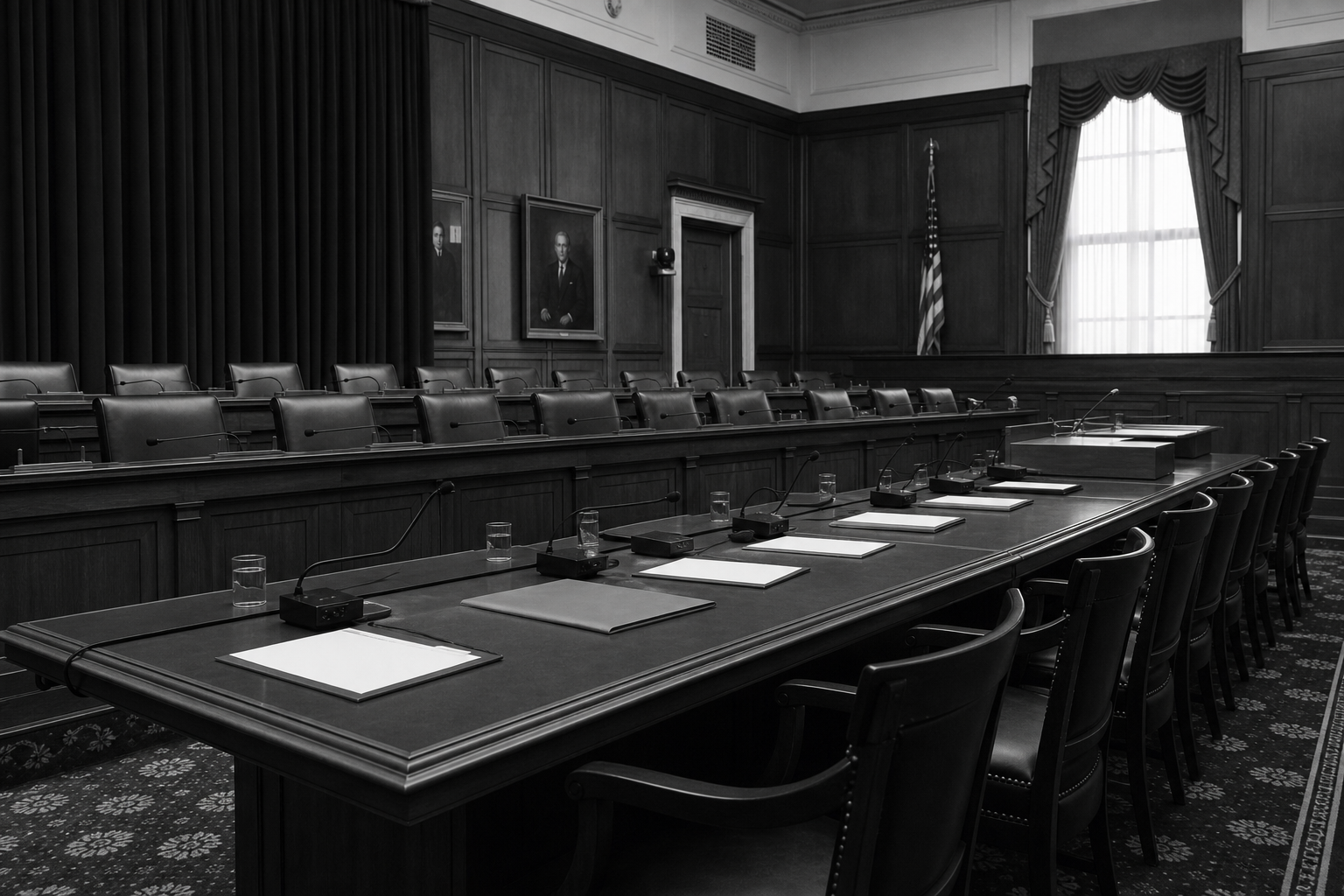
A decisive checkpoint is whether a House Committee on Oversight and Government Reform notice identifies a date, room, format, and witness panel. A hearing announcement establishes an intent to examine a subject; it does not validate testimony, resolve disputed accounts, or demonstrate that any particular explanation for unidentified anomalous phenomena is correct.
This article separates confirmed committee action from details that remain unverified in the official public record. It examines whether the committee published a calendar entry, memorandum, witness panel, room assignment, or webcast link, and distinguishes a scheduled event from testimony actually delivered and entered into the record.
The central issue is UAP transparency: how agencies collect reports, preserve records, apply classification rules, respond to congressional oversight, and explain what information can be released. Those are accountability questions with practical policy consequences independent of extraordinary claims about what UAP reports may represent.
Readers should expect clear boundaries throughout: announced witnesses are not findings, allegations are not adjudicated facts, and proposed disclosure measures are not binding law unless enacted. Where official details are absent, this account identifies that gap rather than filling it with rumor.
What Is Officially Scheduled, and What Still Requires Verification
The key question is whether a committee-created record exists at all. No official House hearing notice, calendar entry, press release, chair’s announcement, or subcommittee memorandum has been identified that confirms a 2025 UAP transparency hearing in Washington, DC.
A confirmed public hearing leaves a defined institutional trail: the convening committee or subcommittee, an official title, date and time, and a venue or room designation. Its hearing page will ordinarily also carry, before or after the event, materials such as a webcast link, witness list, memorandum, prepared testimony, or formal record. An informal member statement, a proposal to hold a hearing, or reporting that lawmakers hope to convene one does not establish those particulars; neither does the existence of an earlier UAP proceeding.
The exact title, participating panel, date, Washington venue, witness roster, and public-access arrangements therefore remain unverified. This is more than a logistical distinction. A notice or memorandum defines the matter formally placed before the committee, while a broad reference to “UAP transparency” could concern records preservation, classification decisions, agency reporting, access to information, or legislative proposals without establishing which questions will be examined.
The evidentiary threshold remains narrow: committee-published scheduling materials establish that an event is scheduled; a witness’s prepared statement establishes what that witness intended to say; and a video, transcript, or entered hearing record establishes what occurred. None, by itself, turns testimony or allegations into an official finding. Until primary congressional materials supply the missing particulars, the reported House Oversight Committee UFO hearing should be treated as unconfirmed rather than as a settled item on the congressional calendar.
Date, Washington Venue, Format, and How the Public Can Follow It
There is no committee-posted date, start time, hearing room, building designation, webcast link, or visitor-access instruction for this reported Washington, DC UAP event in the material available for this article. Readers should not treat a date circulated outside an official committee notice as settled scheduling information.
The format would materially affect what the public could learn. A public hearing is open for observation and ordinarily produces a visible proceeding, such as a live or archived video and a public witness record. A classified briefing is for members and authorized staff with the necessary access; its substance may not be publicly released. A hybrid event combines in-person participation with remote attendance or testimony, while a hearing that includes a closed session can begin publicly and move into restricted discussion when protected information is at issue. Those labels are not interchangeable: only an announced open portion provides a reliable basis for public viewing.
If the House Oversight Committee schedules this hearing, the useful checkpoint will be a committee notice that identifies the panel, time, location, and format, followed by a matching entry on the committee’s hearings page or official webcast channels. Until those items appear, there is no confirmed public-attendance route or livestream for the reported Washington DC UAP hearing.
The Hearing’s Scope and the Oversight Questions Congress Can Examine
The absence of a hearing memorandum means the reported event has no official substantive mandate. No committee-issued title, purpose statement, document request, or member letter identifies which UAP-transparency questions a panel would be tasked to pursue. It would therefore be inaccurate to portray alleged hidden programs, particular incidents, or a government-wide withholding policy as the subject of a confirmed House inquiry.
A House UAP transparency hearing could instead examine accountability systems without deciding what any reported object or event was. Reporting-process oversight would ask how personnel submit observations, how reports move between offices, and whether submitters receive consistent handling. Records oversight would address whether reports, imagery, analysis, and related correspondence are retained, searchable, and available to authorized reviewers. The distinction matters: a complete archive does not establish that every item in it is accurate, while a reporting gap can expose an administrative problem without resolving the underlying sighting.
- Interagency coordination: whether relevant offices use compatible referral, review, and response processes rather than leaving reports divided among separate systems.
- Classification and disclosure: whether agencies can explain the basis for withholding material and release separable unclassified information without exposing protected details.
- Whistleblower handling: whether personnel have a defined channel to bring concerns to authorized oversight bodies and whether agencies preserve the resulting records.
- Funding and program visibility: whether appropriations, contracts, and program descriptions provide Congress enough information to conduct budget oversight.
For a House UAP transparency hearing to carry any of those objectives, the committee would need to state them in a notice, memorandum, correspondence, or questions to witnesses. Oversight authority permits members to seek explanations and records and to test agency procedures; it does not convert an allegation into a committee finding. A strong signal would be a specific public request naming the records sought, responsible offices, and accountability question each request is meant to answer.
Who Is Scheduled to Testify and What Their Testimony Can Establish
A published witness roster is the threshold for identifying who will speak in a congressional proceeding. No official House Oversight hearing page or witness panel has been identified for this purported 2025 hearing, so there are no confirmed witnesses, affiliations, titles, biographies, or prepared statements to list. Naming people from social-media posts, past UAP hearings, or reported invitations would improperly turn unverified reporting into an announced panel.
A committee roster answers a narrower but important question: who has been asked to provide evidence or analysis under the hearing’s stated rules. An agency official can describe records systems, reporting practices, and institutional findings; a firsthand witness can recount personal observations or actions; and a technical or legal expert can interpret data, classification practice, or disclosure policy. Those categories are not interchangeable. Firsthand testimony establishes what the witness says they experienced, while an agency assessment establishes the position and findings of that agency; expert interpretation can assess implications but cannot supply missing underlying evidence.
Prepared witness testimony, if published by the committee, would likewise record the witness’s intended account rather than independently adjudicate it. A meaningful public record would pair a written statement with the witness biography, member questioning, supporting exhibits, and any agency response. That combination helps separate documented records from interpretation and from allegations that remain uncorroborated.
Witness testimony can place claims and questions in the congressional record, guide document requests, and support further oversight. It cannot by itself establish non-human intelligence, crash-retrieval activity, reverse-engineering efforts, or a clandestine program. Conclusions on those subjects would require a verified roster and corroborating evidence developed through the proceeding.
How the Hearing Fits Into UAP Disclosure, Records, and Agency Review
The statutory baseline is narrower than the label “UAP Disclosure Act” can suggest. Congress enacted a UAP records-collection framework in the fiscal year 2024 National Defense Authorization Act: it directs the National Archives to establish an Unidentified Anomalous Phenomena Records Collection and requires federal offices to identify and transmit qualifying records. The broader UAP Disclosure Act language proposed during the 2023 NDAA process, including an independent review board and a more expansive controlled-disclosure structure, did not survive in that form. The enacted collection requirement preserves and organizes records; it does not itself require immediate public release of every classified UAP file.
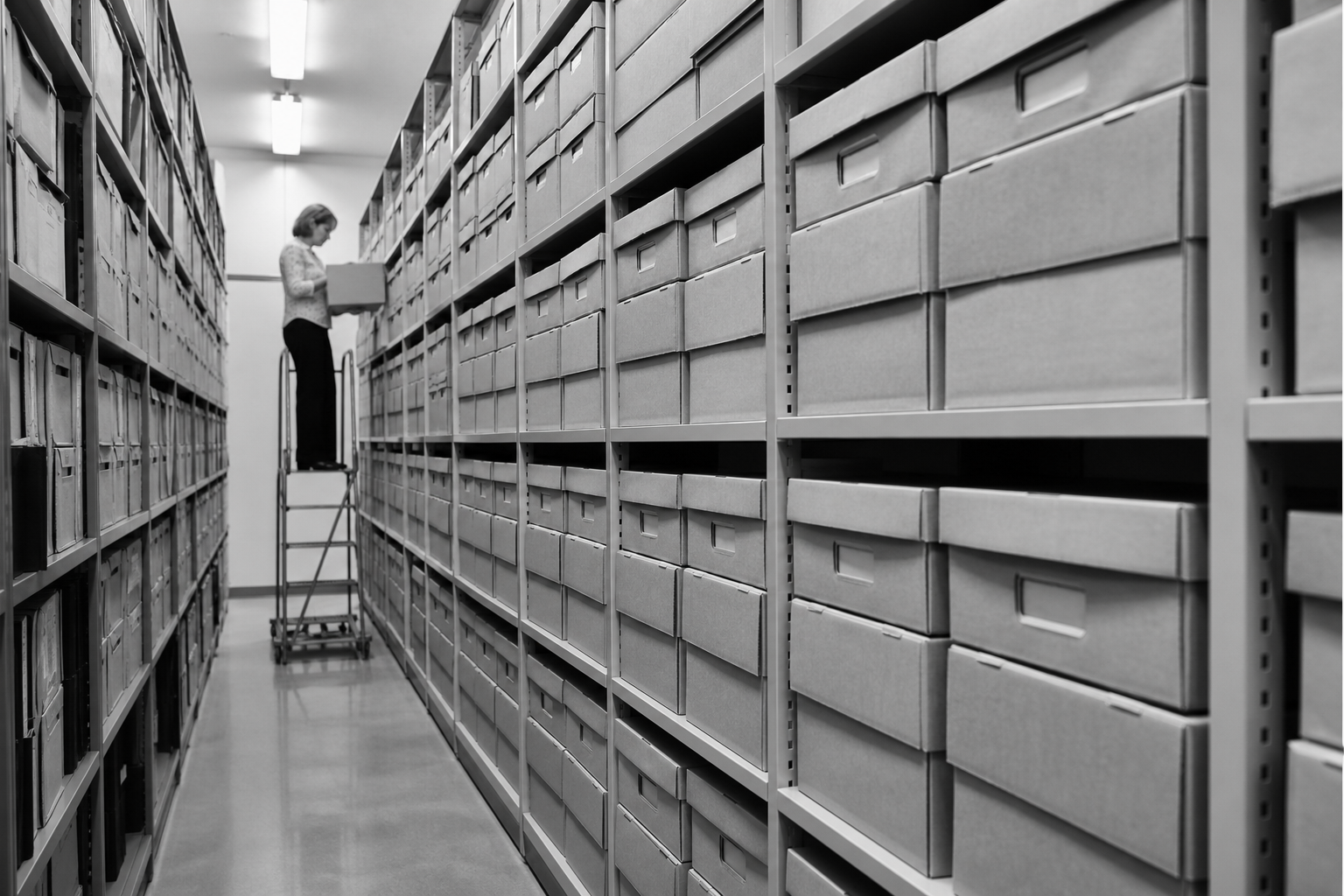
A separately titled UAP Transparency Act would be a different bill and legislative vehicle, not an alternative name for the enacted National Archives provisions. Its introduction, sponsorship, or committee referral would show a proposal under consideration, whereas an enacted NDAA provision imposes an operating requirement on executive-branch record custodians. That distinction matters for UFO disclosure: a records regime addresses identification, transfer, preservation, and access decisions, while a House proceeding could ask agencies how they carried out those tasks and why particular material remains restricted.
The National Archives maintains the UAP Records Collection and administers public access to records that can be released; the Department of Defense retains responsibility for records created or held by its components and for protecting properly classified national-security information. Within DoD, the All-domain Anomaly Resolution Office, established in July 2022, receives and analyzes UAP reports and coordinates their resolution. A record’s presence in an archive, its classification status, and the evidentiary strength of the event it describes are therefore three separate questions.
AARO’s November 2024 annual report said it received 757 UAP reports during the covered period, including 485 new reports and 272 carried forward from prior reporting. It reported resolving 118 cases as ordinary objects or phenomena such as balloons, birds, uncrewed aircraft systems, satellites, and aircraft, while other cases lacked sufficient data for confident characterization. AARO’s March 2024 historical review also reported finding no verifiable evidence that the U.S. government or private industry had access to extraterrestrial technology. An unresolved report identifies an evidentiary gap, not affirmative evidence of an extraordinary origin; the same discipline applies to allegations of undisclosed programs unless corroborating records establish them.
Why the Hearing Matters for Transparency Policy, and Its Limits
The value of a formal proceeding lies in the trail it can create after members leave the hearing room. Questions, sworn testimony, written submissions, exhibits, and later committee correspondence can identify precisely which office was asked to account for a reporting practice, a records search, or a withholding decision. That record gives Congress a basis for targeted follow-up: requesting a missing category of files, asking an agency to explain inconsistent answers, or measuring whether a promised corrective step occurred.
Its policy effect depends on what follows. A strong transparency signal is a public letter that specifies records sought and a deadline, a released response that can be compared with the request, or a committee report that identifies a procedural deficiency and recommends a remedy. A weaker signal is a broad exchange that produces no written request, responsive material, or subsequent action. Where members pursue appropriations language or introduce disclosure legislation, those are proposed policy choices, not proof that a new requirement has taken effect.
There are equally important limits. A hearing does not itself declassify a record, compel public release of every item discussed, settle the explanation for individual UAP sightings, or transform a witness’s allegation into an official finding. It also cannot establish that UAP are extraterrestrial merely because that possibility is raised in testimony. The relevant test is whether the hearing record supplies identifiable evidence, a clear methodology, and an accountable response from the agency or office at issue.
Because this reported event still lacks a confirmed official notice in the public material reviewed here, readers tracking UAP news should use a simple sequence:
- Look first for a House Oversight hearing notice or calendar entry naming the panel, subject, date, and venue.
- Match any witness announcement to a committee-posted roster and read prepared statements as witness accounts rather than findings.
- After any hearing, prioritize the archived video, written testimony, transcript or hearing record, and exhibits over clipped exchanges.
- Watch for concrete post-hearing actions: letters, agency replies, released documents, reports, appropriations provisions, or bill text and legislative status.
What to Watch as the UAP Transparency Hearing Approaches
The immediate checkpoint is still the absence of a committee-posted 2025 record: no House Oversight notice in the material reviewed identifies a convening panel, date, Washington hearing room, subject line, webcast, or witness list. That missing combination matters because a calendar entry establishes scheduling, while a hearing memorandum defines the inquiry and a roster identifies whose account will enter the record. A notice focused on records searches, classification decisions, or reporting procedures would be materially narrower than one asserting conclusions about particular UAP incidents.
For readers following the House Oversight Committee UFO hearing, the strongest developments would be a committee hearing page paired with prepared testimony and an archived webcast. Prepared statements show what witnesses planned to submit; video and a transcript show the questions asked, the answers given, and any commitments made in public. The useful detail is specificity: an agency official identifying a records custodian, a file category, and a response date is more accountable than a general pledge to improve transparency.
The practical measure of UAP disclosure is therefore the post-hearing trail: written questions for the record, committee letters requesting defined materials, agency replies, released documents, or introduced bill and appropriations text with a traceable legislative status. None of those steps would establish an extraordinary explanation for an unresolved report, but they could clarify whether agencies preserved, searched, classified, and shared relevant records as required. Rely on the committee’s official hearing page, webcast, written testimony, and subsequent records rather than speculation beyond the evidence.
Frequently Asked Questions
-
When is the House Oversight UAP hearing in Washington, DC?
No official House Oversight notice has confirmed a date, start time, hearing room, or Washington, DC venue for a UAP transparency hearing. There is also no verified calendar entry, hearing memorandum, or webcast link.
-
Who is scheduled to testify at the House Oversight UFO hearing?
No official witness roster, affiliations, biographies, or prepared statements have been published for the reported hearing. Names circulated through social media, past hearings, or reported invitations are not confirmed witnesses.
-
Will the House Oversight UAP hearing be public or classified?
The format has not been officially announced, so there is no confirmed public livestream, attendance route, or classified briefing designation. A public hearing normally provides video and witness materials, while a classified briefing is limited to authorized members and staff.
-
What has AARO officially said about UAP reports and alleged hidden programs?
AARO reported receiving 757 UAP reports in its November 2024 annual report: 485 new reports and 272 carried forward. It resolved 118 as ordinary objects or phenomena, and its March 2024 historical review found no verifiable evidence that the U.S. government or private industry had extraterrestrial technology.
-
What should I look for to verify a House UAP transparency hearing?
Look for an official House Oversight hearing notice naming the committee panel, subject, date, time, venue, format, and witness list. Afterward, prioritize the archived webcast, written testimony, transcript, exhibits, committee letters, and agency responses over unverified reports.