House Oversight Calls for Greater Government Transparency on UAP Records in 2025 Hearing Wrap-Up
Explore the House Oversight UAP hearing: key transparency demands, records-access barriers, legal requirements and what Congress may do next.
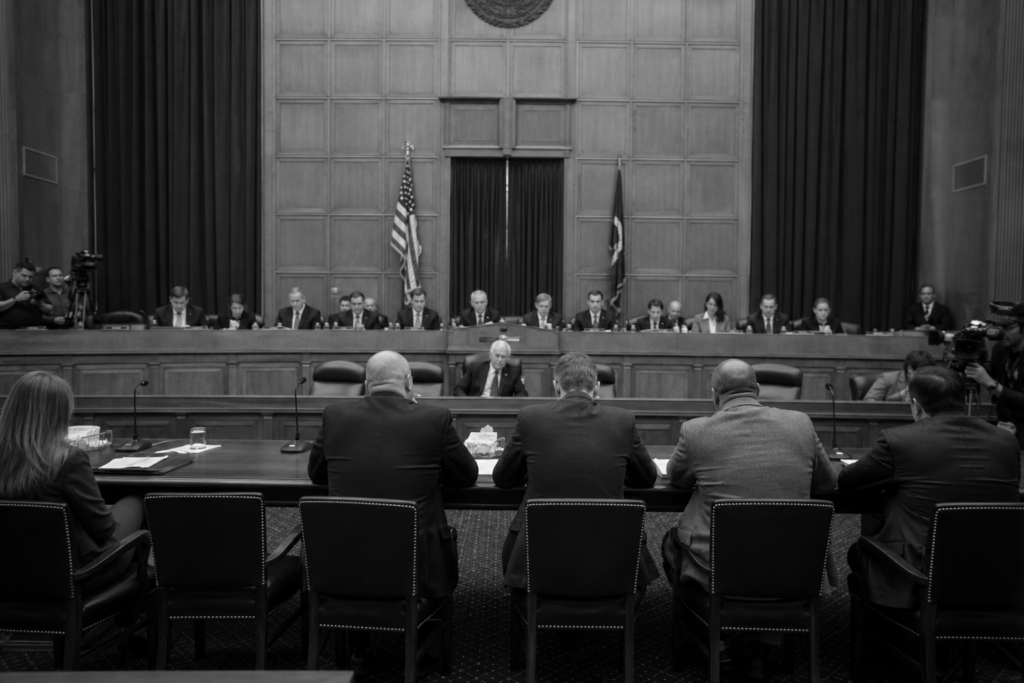
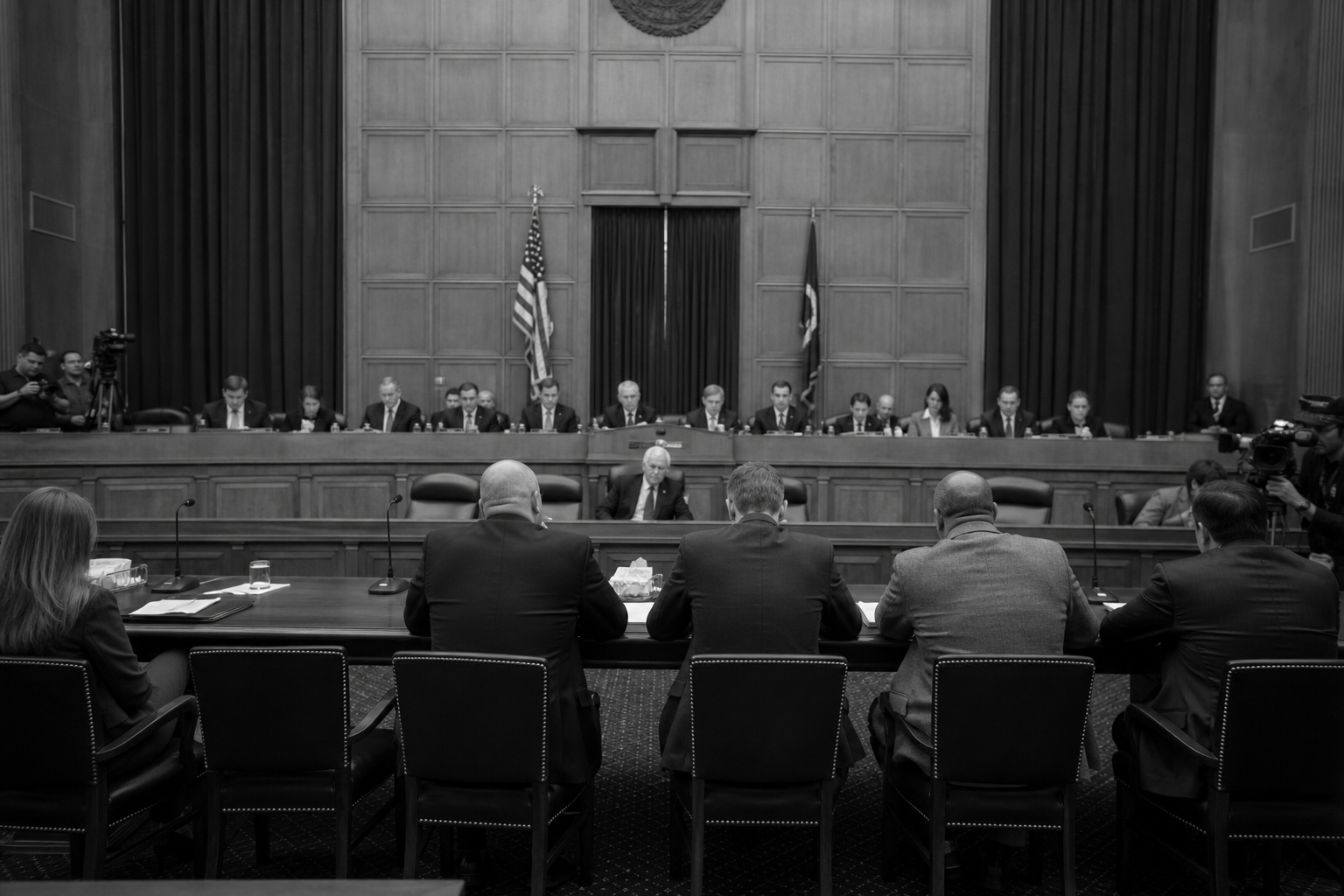
At the September 9, 2025, House Oversight Task Force on the Declassification of Federal Secrets hearing, “Restoring Public Trust Through UAP Transparency and Whistleblower Protection,” Chair Anna Paulina Luna and witnesses including journalist George Knapp, filmmaker Jeremy Corbell, former service member Dylan Borland, and physicist Eric Davis focused renewed attention on whether federal UAP-related files can be found, preserved, indexed, and meaningfully reviewed. The House Oversight Committee UFO hearing was an accountability event, not a finding that any extraordinary UAP allegation is true.
That distinction matters. Testimony and a member’s request for a classified briefing, an agency records inventory, or document production can increase oversight pressure, but none of those steps automatically declassifies a file or makes it public. UAP records transparency means identifying the office with custody of a record; distinguishing classified material from material that simply has not been posted online; and establishing whether a file was retained, transferred, withheld, or cannot presently be located.
This article separates hearing rhetoric and requested action from enforceable outcomes. It examines the records-access problems raised by dispersed agency custody and classification systems, then measures the debate against the National Archives’ UAP Records Collection and other federal disclosure mechanisms. The consequential developments to watch are specific: a published transcript or witness statement, a committee follow-up letter, an agency production deadline, an actual release of responsive records, or legislation enacted into a disclosure duty, not merely another promise of transparency.
What the 2025 House Oversight UAP Hearing Wrap-Up Actually Means
The first test after the September 9, 2025 proceeding was whether its concerns would become a defined committee action. Before the House Oversight Task Force on the Declassification of Federal Secrets, the hearing titled “Restoring Public Trust Through UAP Transparency and Whistleblower Protection” placed records-access concerns into the congressional record without resolving the allegations raised by witnesses.
The practical question is narrower: what material did Chair Anna Paulina Luna and witnesses George Knapp, Jeremy Corbell, Dylan Borland, and Eric Davis ask Congress to pursue, and what committee tool could pursue it? A public release provides public access; a closed or classified briefing informs members without publishing records; and a document-production request seeks agency-held material for investigators while classification controls can remain in place.
Those differences define the significance of the 2025 UAP congressional hearing wrap-up. Testimony may prompt oversight, but it does not itself change a records schedule, authenticate a witness account, or set an agency production deadline. Substantive follow-through would identify the records custodian, define the responsive material, state whether the request seeks a briefing, production, or release, and specify the committee authority being invoked.
The unresolved outcomes are therefore concrete: whether House Oversight issued follow-up requests, whether agencies supplied records or briefings, and whether responsive material became public. Those checkpoints, not hearing rhetoric, distinguish an accountability proceeding from enforceable UAP disclosure.
What House Oversight Members Called for on UAP Records
There is no reliable basis in the material available here to assign any of those requests to a particular House member, witness, committee letter, or formal action. That means the 2025 House Oversight UAP hearing cannot yet support a verified claim that a briefing was ordered, records were demanded, a classification review was sought, or a disclosure measure was introduced.
| Requested action | What a primary record would need to establish | Why the distinction matters |
|---|---|---|
| Agency briefing | A named agency, subject, recipient, and whether the briefing is public or classified. | It can give members information without creating a public records release. |
| Document production | A letter, subpoena, or committee demand identifying custodians, record categories, and a deadline. | This is the clearest indication that congressional oversight has moved beyond hearing rhetoric. |
| Classification review or public release | The specific material to be reviewed and the authority or process requested for declassification. | Review does not guarantee release; redaction, continued classification, or a finding of no responsive records remain possible. |
| Preservation, whistleblower access, or legislation | A preservation notice, a defined reporting-protection proposal, or introduced bill text. | Each addresses a different gap: preventing loss, enabling testimony, or imposing a durable legal duty. |
For government transparency claims arising from this House Oversight UAP hearing, a strong signal would be a dated committee document that names the requesting official and agency, identifies the records at issue, and records a response deadline. A weak signal is an unsourced description of “full disclosure” that does not distinguish a member’s view from an official committee step.
Until such material is available, the responsible conclusion is narrow: a request-by-request account of the alleged 2025 wrap-up remains unverified, including any claimed demand for AARO files, National Archives transfers, protected witness access, or new UAP-records legislation.
The Concrete Records-Access Problems Raised at the Hearing
The absence of an attributable hearing record changes the task from reporting settled findings to identifying the records-access questions that any credible follow-up would need to answer. “UAP records” may include reports, sensor data, imagery, analytic products, correspondence, contracts, and briefings; locating one category does not establish that another exists, is held by the same office, or may be released.
Fragmented custody is the first practical obstacle. An originating unit may retain raw material, while an intelligence, operational, investigative, or archival office holds copies or later analysis. A meaningful request therefore needs named custodians and defined record categories. A vague search for “all UAP files” can miss records stored under a program, incident, platform, or mission label that does not use UAP terminology.
Classification creates a separate stage. Congressional access, a declassification review, and public release are different outcomes: members may receive information in a controlled setting; reviewers may determine that some details must remain protected; and the public may receive only a redacted version. A public-facing case summary can describe an event without providing the underlying imagery, telemetry, collection method, chain of custody, or analytic dissent needed to assess the account independently.
Retention and records transfer raise another set of questions. A preservation inquiry asks whether material was kept; a transfer inquiry asks whether permanent records were moved into an archival system; neither establishes public availability. Inconsistent reporting channels can further divide the record, particularly when personnel use different reporting systems or pursue protected disclosures outside ordinary operational reporting.
These are plausible oversight concerns, not verified findings from the asserted 2025 wrap-up. Claims that particular compartmented, legacy, or withheld records exist, or that Congress was denied access to them, require corroboration through a transcript, witness testimony, agency response, preservation notice, or other identifiable public records.
What Existing Law and Policy Already Require, and Where the Gaps Are
The practical baseline turns on whether a proposed step would enforce an identified duty or create a new one. The material available for the September 9, 2025 House Oversight Task Force hearing, “Restoring Public Trust Through UAP Transparency and Whistleblower Protection,” supplies no enacted NDAA section, National Archives accession number, agency directive, or dated committee action tying the proceeding to a defined UAP-records mandate. It therefore cannot establish whether participants sought a new disclosure mechanism or stronger implementation of an existing one.
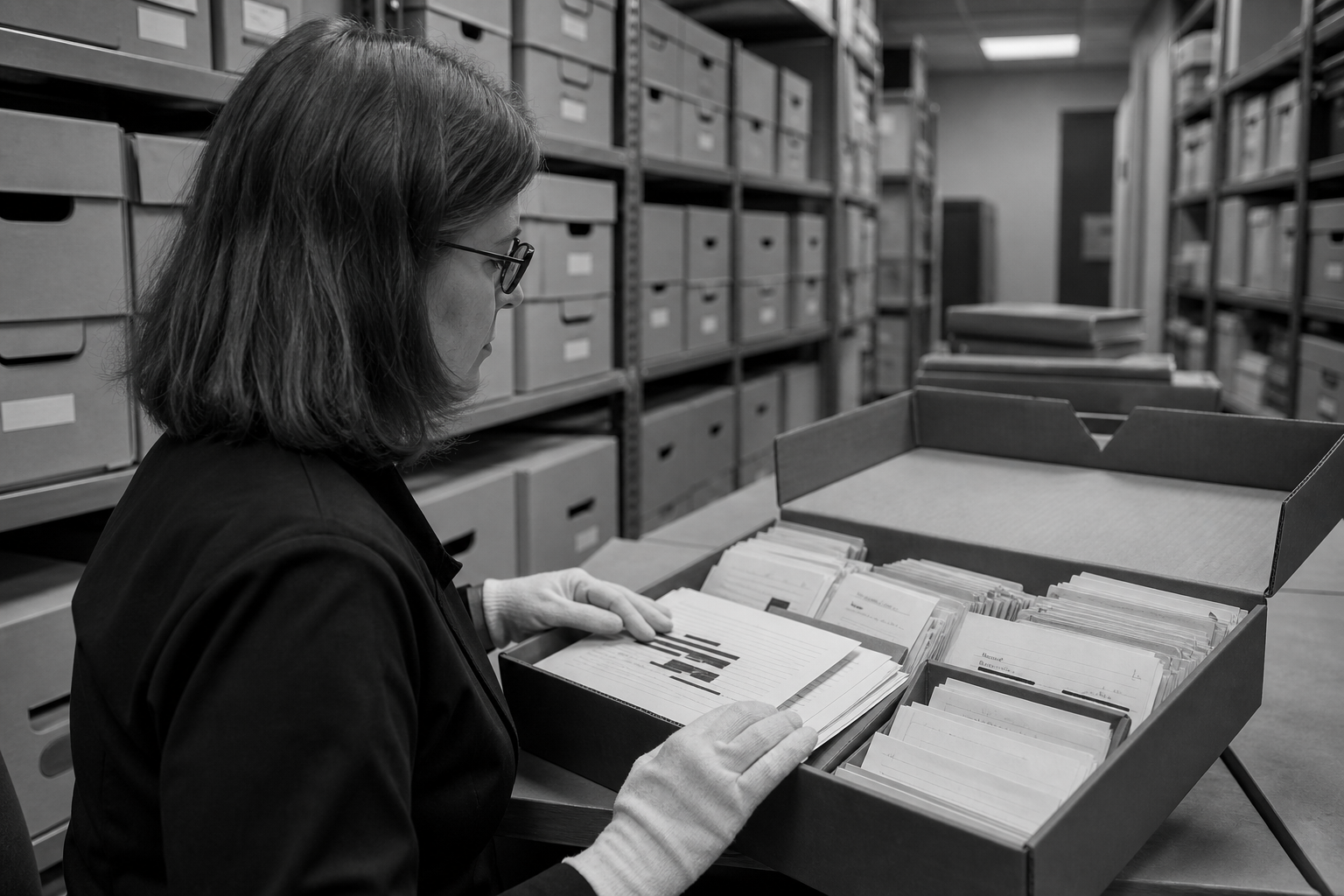
For a claimed National Archives UAP Records Collection action, five distinct checkpoints matter: preservation, agency custody, archival transfer, declassification review, and public release. An accession number would show that permanent material entered an archival system; it would not show that a particular sensor file, briefing, or analytic product was transferred, cleared for release, or made public without redaction.
Freedom of Information Act processing, declassification review, and congressional access likewise produce different results. A FOIA request tests an agency’s search and response; a declassification review addresses whether protected content can be released; congressional access concerns what lawmakers may examine. A concrete UAP disclosure account would identify the route used, the office searched, the record category, and whether the result was release, redaction, withholding, or no records found.
Inspector general and protected-disclosure channels concern receipt and assessment of allegations, not automatic publication of supporting material. Executive-branch retention and transfer questions require an identifiable records schedule, preservation notice, or accession trail. Without those particulars, any post-hearing initiative remains requested oversight or implementation pressure, not an established policy change or enacted legal mechanism.
Did the Hearing Change Disclosure Policy? Separate Pressure From Enforceable Action
A post-hearing production deadline, published agency response, or released file set would mark a tangible change; none is identified in the material available for the September 9, 2025 House Oversight Task Force on the Declassification of Federal Secrets hearing, “Restoring Public Trust Through UAP Transparency and Whistleblower Protection.” Testimony from George Knapp, Jeremy Corbell, Dylan Borland, and Eric Davis does not itself compel an agency to disclose records.
A status ladder keeps that outcome in proportion. Witness testimony places an allegation or records concern before Congress; a member commitment signals intended follow-up. A committee request or oversight letter can ask a named agency for specified records, an explanation, or a briefing, but it becomes a measurable action only when the public record shows its recipient, scope, date, deadline, and any agency response. No such attributable instrument is included in the available material for this September 2025 proceeding.
Legislation is a different rung. Introduced legislative text is a proposal, not an operating disclosure requirement; committee approval, House passage, Senate action, agreement on identical text, and enactment are separate events. The research supplied here identifies no bill number, sponsor, version history, committee report, House-passed provision, Senate measure, or enacted statute linking either a UAP Transparency Act or UAP Disclosure Act to the hearing.
The strongest concrete follow-up would be a published House Oversight letter and a responsive agency record identifying what was searched, produced, withheld, and why. Without those artifacts, the hearing’s tangible result is increased pressure for accountable records handling, not a demonstrated new public-access right or disclosure mandate.
Why UAP Records Transparency Matters for Public Accountability
Accountability depends on a record trail that permits decisions to be reconstructed rather than merely asserted. For UAP-related activity, that trail can show whether public funds supported collection, analysis, contracts, or reporting systems; whether an agency received a safety-relevant report; and whether officials handled it under the rules that governed them. A complete file does not validate the underlying observation. It enables Congress, inspectors, and the public to distinguish an unresolved report from an unsupported claim, an administrative failure, or a properly documented national-security judgment.

Classification presents the central tradeoff. Protecting sensor capabilities, collection methods, operational relationships, personally identifying information, and genuinely sensitive defense information can be necessary. But protection is not the same as permanent insulation from review. A strong system preserves the original record, records the basis for withholding it, permits cleared congressional access where authorized, and revisits release decisions when sensitivity falls. A weak system uses a classification label to end inquiry without showing that retention, review, and access controls are functioning.
Protected reporting channels matter for the same reason. Personnel need a lawful route to raise concerns without publicly disclosing restricted information, while oversight bodies need enough access to test whether an allegation is corroborated by records, expenditures, or responsible officials. That balance is more consequential than the cycle of UFO news: it concerns whether agencies can receive difficult reports, safeguard legitimate secrets, and still answer for how they use public authority.
Meaningful transparency therefore need not mean indiscriminate release. It means traceable custody, reasoned withholding, periodic review, and public disclosure of material that can be released without harm. Those practices give UAP disclosure debates an evidentiary foundation and give the public a more credible basis for trust.
What to Watch Next After the 2025 Hearing
The next test is whether the discussion leaves an auditable trail. Readers assessing any claimed follow-up to the House Oversight Committee UFO hearing should prioritize primary records over clips, summaries, or social-media accounts of UAP sightings.
- Look for a dated committee letter that identifies the recipient agency, the records requested, and a production or briefing deadline. A general call for openness is weaker than a request with a defined response obligation.
- Look for the hearing archive: a calendar entry, witness list, video, transcript, opening statements, and any written testimony. These materials establish who made a request and what, precisely, was sought.
- Track National Archives UAP collection updates for newly described, transferred, reviewed, or released material; an item-level description is more useful than an unsupported claim that files “exist.”
- Read AARO reports and Defense Department releases for published findings, methodology, and stated limits, not as proof that every reported incident has a public explanation.
- Use Congress.gov to distinguish introduced bills from enacted appropriations or NDAA language. Legislative text and recorded action show whether disclosure duties or funding conditions actually changed.
- Give special weight to documented declassification decisions, including release dates, redactions, and stated withholding grounds.
Reports of UFO sightings in 2025 or 2026 are incident claims; records-policy progress is demonstrated differently. Transparency matters most when it produces traceable records, enforceable obligations, and public reporting.
The Takeaway: Transparency Requires Follow-Through
The durable value of the claimed 2025 House Oversight development lies in the standard it sets for accountability, not in any unverified account of what testimony may have alleged. Congressional attention can create pressure to preserve files, explain withholding decisions, and answer questions about custody. It becomes enforceable only when that pressure is translated into a formal instrument: a committee demand with a deadline, a subpoena, enacted legislative text, a binding appropriations condition, or an agency action that releases or formally reviews records.
That distinction protects readers from two opposite errors. A hearing alone is not proof that agencies concealed particular material or that extraordinary claims are established. But a documented production, a published response explaining exemptions or redactions, or a newly accessible archival entry can show that records governance has changed in a measurable way.
Future claims should therefore be judged by observable follow-through: whether agencies produce responsive material, whether the committee records additional action, and whether the National Archives collection gains identifiable descriptions, transfers, review decisions, or public releases. Until those markers appear in attributable primary records, transparency remains a stated objective rather than a completed disclosure outcome.
Frequently Asked Questions
-
What did the September 9, 2025 House Oversight UAP hearing actually accomplish?
The hearing placed UAP records access, transparency, and whistleblower protection concerns into the congressional record. It did not itself declassify files, compel agency production, authenticate witness allegations, or create a new public disclosure requirement.
-
What is the difference between a congressional UAP briefing, document request, and public release?
A briefing gives members information, potentially in a classified setting, without publishing records. A document request seeks agency-held material for committee investigators, while a public release makes records available outside government access controls.
-
Are UAP records required to be sent to the National Archives?
Not every UAP-related record is automatically transferred to the National Archives. Transfer depends on retention rules, agency custody, and whether material is designated as permanent, while an archival accession does not prove that every related sensor file, briefing, or analysis is publicly available.
-
What should a House Oversight UAP records request include to be enforceable?
A meaningful request should identify the requesting official, recipient agency, records custodians, record categories, scope, date, and response deadline. The strongest evidence of follow-through is a published committee letter followed by an agency response describing what was searched, produced, withheld, or unavailable.
-
What should I look for to determine whether UAP transparency has produced real results?
Look for primary records such as a hearing transcript, witness statements, dated committee letters, agency production deadlines, released document sets, or National Archives item-level updates. Introduced legislation, witness testimony, and general promises of disclosure do not establish a new legal disclosure duty unless enacted into law.