Grusch Goes Public in 2023: Bombshell UAP Crash Retrieval Allegations
Explore David Grusch UFO testimony, his 2023 crash retrieval allegations, congressional hearing, public evidence and official responses.
David Grusch’s 2023 disclosures turned an already contentious UAP debate into a question of alleged hidden government activity and congressional oversight. A former intelligence officer who had worked in UAP-related roles, Grusch said publicly that the United States possessed recovered craft of non-human origin and had sought to reverse-engineer them. His June interview and July congressional testimony made those assertions impossible to dismiss as internet rumor, but neither event made them publicly proven.
The distinction matters. Grusch presented some claims as information supplied by other officials and sources, while maintaining that further details and supporting material belonged in classified channels. Public audiences did not receive recovered material, test results, authenticated program records, or direct public corroboration sufficient to establish a crash-retrieval program. Likewise, the inspector-general context concerned his retaliation-related whistleblower complaint; it was not public confirmation of his extraordinary allegations.
This examination of the David Grusch UFO testimony follows the 2023 timeline, separates his direct statements from reported secondhand accounts, and weighs the public record against later official responses. The result is a clearer view of why the allegations were consequential, and of what remained unresolved.
What David Grusch Put Into Public View in 2023
Grusch brought a specific alleged government activity into public view: a long-running effort to locate, recover, protect, and study crashed or landed UAP. He further alleged that the effort included reverse engineering, trying to determine how recovered technology worked, and that some material was of “non-human” origin. Those descriptions were Grusch’s assertions, not findings established through publicly released evidence.
His significance rested partly on his prior intelligence and UAP-related assignments, which gave his account a different public weight from an ordinary sighting report. But the evidentiary categories remained separate. Grusch could describe what he had been told by people he regarded as knowledgeable; such accounts are not the same as his having personally inspected a craft or material. He also said some underlying information belonged in classified channels, placing it beyond public evaluation. The key question, therefore, is not whether the allegations were dramatic, but which parts were direct testimony, which were reported to him, and which had independent public support.
The 2023 Timeline: From the June Interview to Congress
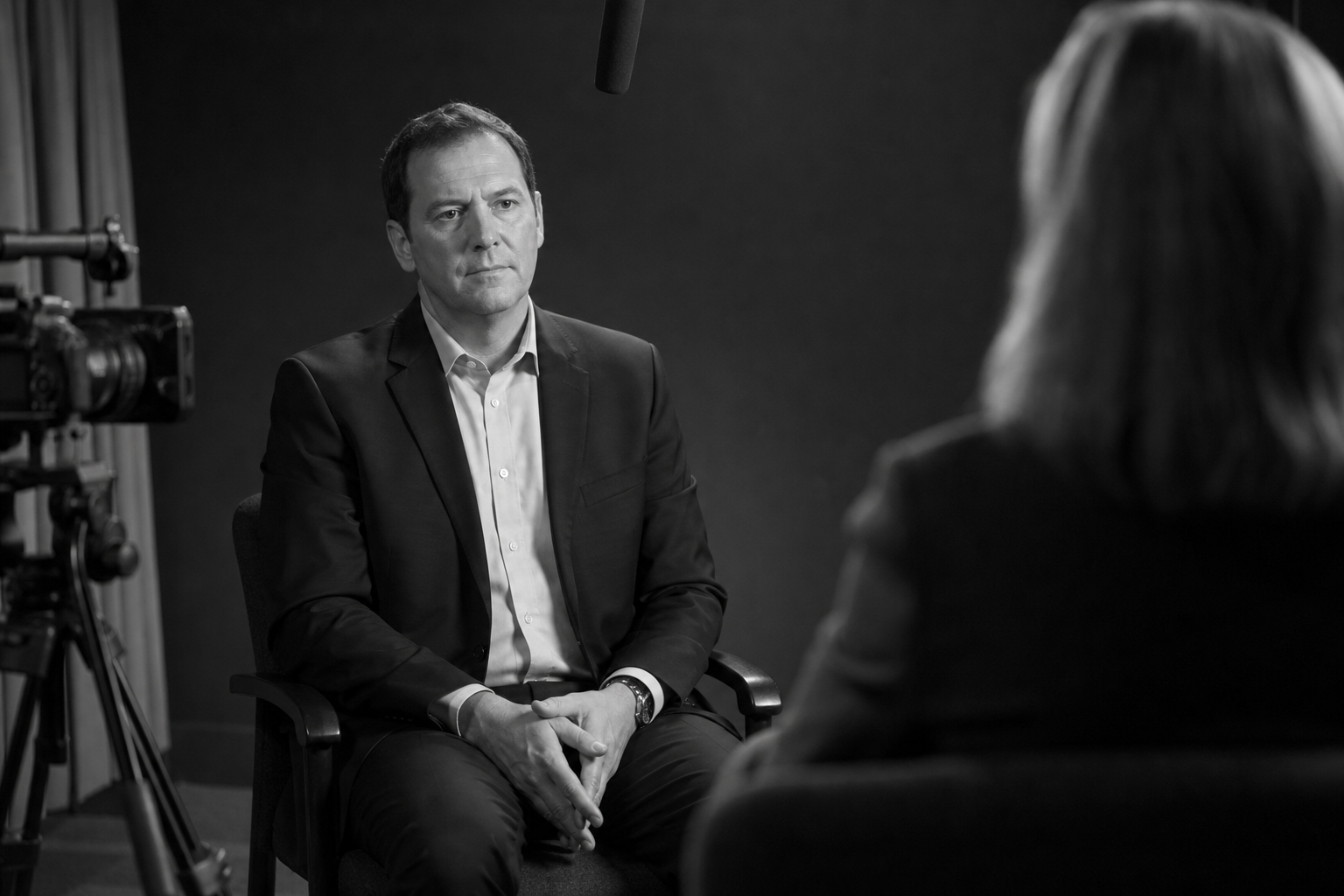
On June 5, 2023, NewsNation published an interview in which Grusch gave the allegations a national public platform. In the June 2023 NewsNation interview, he described what he said was a concealed U.S. crash-retrieval and reverse-engineering effort and said he had provided classified details to appropriate authorities. The interview was significant because it presented a named former intelligence officer making specific assertions, rather than an anonymous claim or an account of a single UAP sighting. It did not, however, release physical material, program records, or test results for the public to examine.
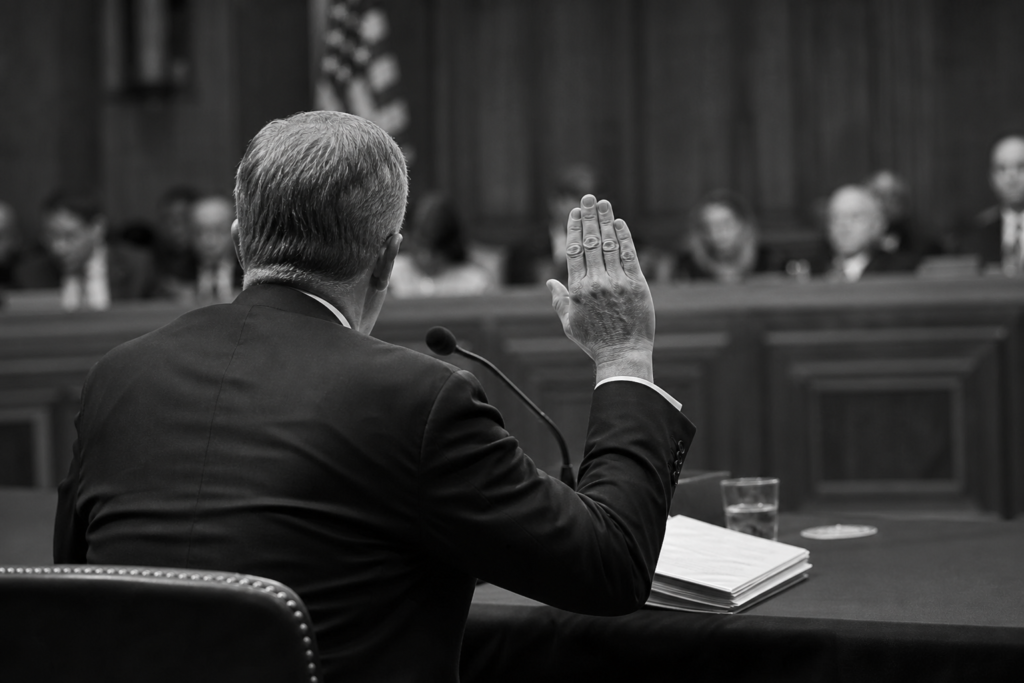
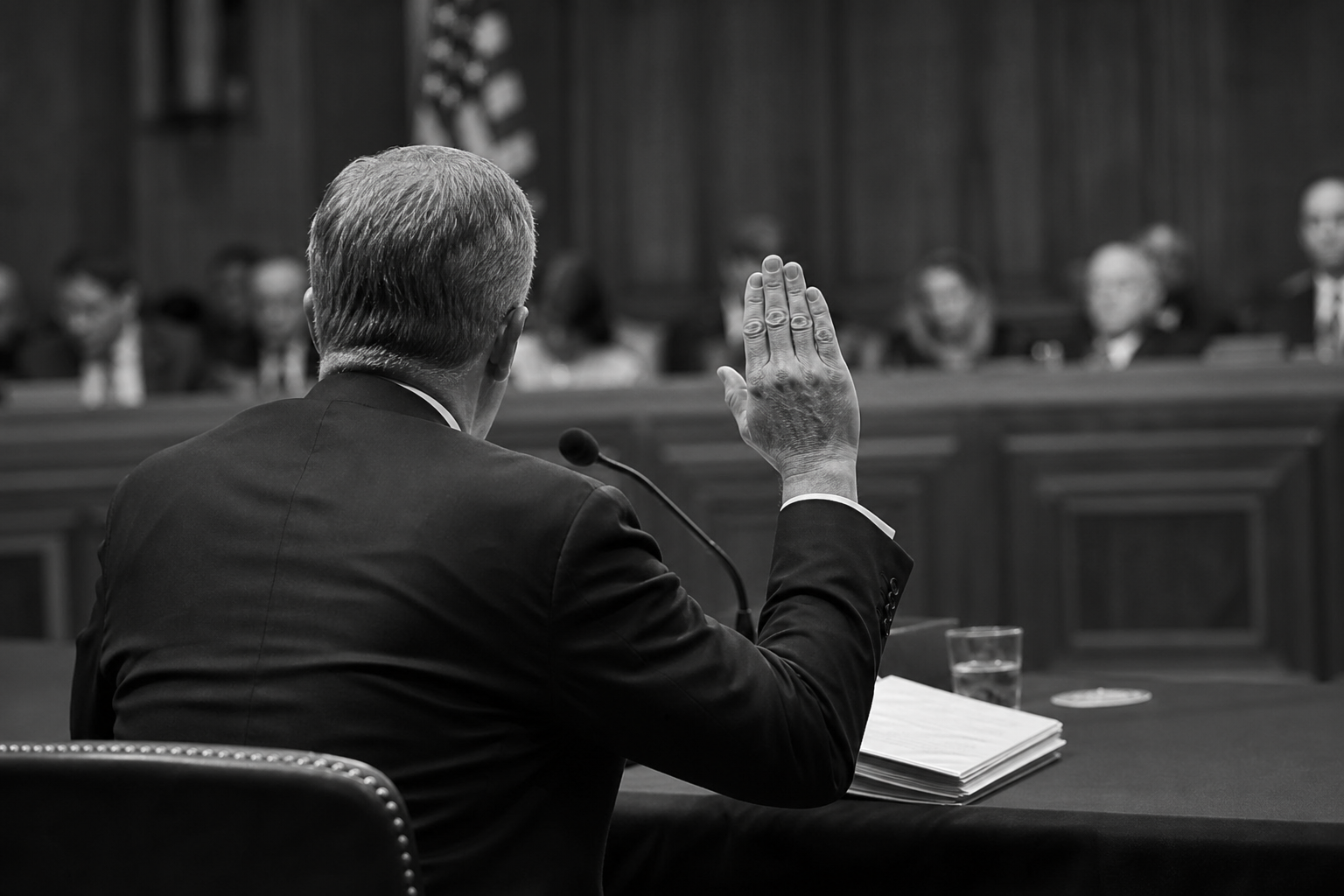
Seven weeks later, Grusch appeared with former Navy pilots Ryan Graves and David Fravor before the House Oversight Committee’s national-security subcommittee on July 26, 2023. His prepared statement and oral answers placed portions of the David Grusch UFO testimony under oath in an open congressional hearing. Asked whether the government possessed UAP, he answered that it had retrieved “non-human” material; he also made clear that he could not discuss some details in public session. Sworn testimony changes the accountability setting: knowingly false statements to Congress can carry legal consequences. It does not itself independently establish that every underlying allegation is true.
The hearing also shifted the immediate question toward oversight. Members from both parties pressed for access to information held in classified channels and for mechanisms to hear from additional witnesses. Grusch’s separate inspector-general-related complaint concerned alleged retaliation and the handling of his disclosures; it was not a public confirmation that a crash-retrieval program existed. By late July, the central record therefore consisted of public allegations, limited sworn testimony, and congressional demands for further access, not publicly testable proof of recovered non-human technology.
What Grusch Actually Alleged About Crash Retrievals and Reverse Engineering
Grusch’s account contained four related but analytically separate allegations. First, he said the United States had operated a decades-long UAP crash-retrieval effort: an alleged system for acquiring and retaining material from anomalous objects. That claim concerned the existence and duration of a purported program, not merely reports of unexplained sightings.
Second, Grusch alleged that relevant information had been withheld from the congressional bodies and executive-branch authorities meant to oversee sensitive national-security activity. In his public descriptions, the alleged concealment was therefore central: the issue was not simply whether recovered material existed, but whether it had been placed beyond lawful or appropriate oversight.
Third, he said that people who had provided him information described some recovered material as “non-human”. During the July hearing, he also answered affirmatively when asked about biologics associated with some recoveries, qualifying that he had learned this from people with direct knowledge rather than from his own observation. “Non-human” was his characterization of what he had been told; it was not a public laboratory finding identifying an origin.
Fourth, Grusch alleged reverse-engineering activity. In practical terms, reverse engineering means examining a recovered object or material to determine its construction, function, or possible technological application. His claim was that government-linked efforts had attempted such analysis, not that any resulting capability had been demonstrated publicly.
His references to Special Access Programs added an important layer of specificity. A Special Access Program is a highly restricted arrangement that limits knowledge of an activity to authorized personnel beyond ordinary classified-access rules. Such programs can protect legitimate sensitive work; their existence as a category does not establish the purpose of any particular program. Thus, the Grusch crash retrieval allegations combined an asserted hidden program, alleged material, an asserted non-human origin, and claimed reverse-engineering work, but each proposition requires evidence of its own.
Firsthand Knowledge, Secondhand Accounts, and Classified Claims
The key limitation in Grusch’s public account was the difference between reporting information and witnessing an event. At the July 26, 2023 House hearing, he did not claim to have personally seen an alleged recovered craft or biologic material. Instead, he said he had been informed by individuals with what he regarded as direct knowledge. That makes his testimony a named former official’s account of reported firsthand information, not firsthand testimony from a recovery site, laboratory, or program office.
Grusch also said he had supplied more detailed information through classified channels to inspectors and congressional offices. Classified information can be important to an investigation because it may identify people, locations, programs, or records that cannot responsibly be aired in open session. But it creates a public-evidence limit: readers cannot independently assess assertions whose underlying documents, witnesses, methods, and chain of custody remain unavailable.
A stronger public record would permit outside scrutiny of such material, for example, authenticated records tied to a specific program, physical samples subjected to disclosed testing, named witnesses describing their own roles, or separate records that corroborate one another. None of those forms of support was publicly produced with Grusch’s July testimony. His whistleblower complaint and the Intelligence Community inspector general process mattered because they raised concerns about alleged retaliation and access to oversight channels; they did not publicly establish that a crash-retrieval program existed or that the reported material was non-human.
Why the Allegations Were Consequential Even Without Public Proof
What elevated the episode was not public proof of the extraordinary allegation, but the institutional stakes attached to it. Grusch had held intelligence roles connected to the Pentagon’s UAP task-force work and the National Geospatial-Intelligence Agency, so his account raised a question beyond whether one accepts the labels “government UFO cover-up” or “alien disclosure.” It raised the possibility that authorized officials might have been denied information about a sensitive activity.
His July 2023 sworn testimony gave that question unusual force. A televised interview can introduce an allegation; testimony under oath places a witness’s answers in a formal congressional record and permits members to pursue specific leads through closed briefings, requests for records, and additional witnesses. The consequential claim was therefore not simply that exotic material existed, but that an alleged program had evaded the oversight structures meant to supervise highly restricted national-security work.
Those are separate questions, and the distinction is essential. Congress could reasonably examine whether information, personnel, or programs had been withheld from proper oversight without thereby accepting that recovered technology was non-human or that biologics existed. Conversely, an oversight inquiry alone could not establish either proposition. Grusch’s allegations made both lines of inquiry politically important, while leaving the underlying extraordinary claims unproven in the public record.
What Publicly Available Evidence Showed, and What Officials Disputed
The publicly accessible record did not supply an independently testable foundation for the central allegations. No physical material attributed to a crash-retrieval effort, laboratory analysis of such material, authenticated program document, or firsthand public testimony from a participant in the alleged program was released. Grusch’s sworn account was important evidence of what he said he had been told and reported through classified channels; it was not itself public proof that recovered non-human craft or biologics existed.
The Department of Defense disputed the premise of a concealed extraterrestrial-retrieval program. Its public position was that it had no verifiable information supporting claims that the government possessed or had reverse-engineered extraterrestrial technology. That denial directly conflicts with Grusch’s allegations, but a denial is also a statement of the department’s position, not publicly inspectable evidence resolving each classified allegation he said he had submitted elsewhere.
In March 2024, the All-domain Anomaly Resolution Office published its Historical Record Report, an assessment based on records review and interviews concerning reported U.S. government involvement with extraterrestrial technology. AARO said it found no verifiable evidence that the U.S. government or private industry had possessed extraterrestrial technology, or that information had been unlawfully concealed from Congress. It also concluded that many reported legacy-program accounts reflected misidentification, rumor, or confusion with authentic but non-extraterrestrial classified programs.
That finding is consequential because it represents the government office assigned to investigate such claims after reviewing the historical record available to it. Its scope is narrower than a logically final resolution of every assertion about material that remains classified or unavailable to the public. The practical evidentiary status therefore remained clear: Grusch’s allegations prompted scrutiny and official rebuttal, but no public, independently examinable evidence established the alleged crash-retrieval and reverse-engineering program.
The Bottom Line: A Major Disclosure Controversy, Not Public Confirmation
The lasting significance of Grusch’s 2023 disclosures is the scrutiny they generated: his allegations put claimed hidden UAP activity and oversight failures before Congress and the public. They did not, on the public record, establish a U.S. crash-retrieval program, non-human biologics, or a reverse-engineering effort.
That distinction is the useful test for later UFO news. A new sighting, political statement, or headline, even UFO sightings 2025 or UFO sightings 2026, does not corroborate Grusch’s specific account merely by involving something unexplained. Meaningful corroboration would require independently examinable evidence tied to the alleged programs: authentic records, testable material, or firsthand witnesses whose accounts can be checked. Until then, the controversy remains consequential, unresolved, and unproven publicly.
What Grusch’s 2023 Claims Established, and What They Did Not
The appropriate conclusion is therefore evidentiary rather than rhetorical. Grusch’s June 2023 interview and July 26 sworn testimony established that a named former intelligence officer made detailed allegations of concealed retrieval, reverse-engineering, and oversight failures, and that Congress treated those allegations as serious enough to pursue further inquiry.
They did not turn reported accounts into publicly demonstrated facts. Grusch’s most consequential assertions about recovered craft and biologics rested on information he said had been provided by people with direct knowledge, while the underlying classified material was not released for independent examination. The inspector-general context and congressional engagement likewise concerned his retaliation-related complaint and the handling of it; it was not public certification that a retrieval program existed.
The remaining divide is clear. AARO’s historical review reached no verified finding of an extraterrestrial retrieval program, while Grusch maintained that relevant information existed in restricted channels. Neither official denial nor unreviewable classified assertion closes the matter for an outside reader. The David Grusch UFO testimony changed the level of scrutiny around UAP disclosure; independently verifiable evidence would be required to change the factual status of the underlying claims.
Frequently Asked Questions
-
What did David Grusch allege about UFO crash-retrieval programs in 2023?
David Grusch alleged that the United States had operated a decades-long program to recover, retain, and study crashed or landed UAP. He also alleged that government-linked efforts had tried to reverse-engineer recovered technology and that some material was described to him as non-human.
-
What happened at the July 26, 2023 House UAP hearing?
Grusch testified under oath before the House Oversight Committee’s national-security subcommittee alongside former Navy pilots Ryan Graves and David Fravor. He said the government had retrieved non-human material, while stating that he could not discuss certain details in the open hearing.
-
Did David Grusch personally see recovered UFO craft or non-human biologics?
No. Grusch said his claims about recovered craft and biologics came from people he considered to have direct knowledge, rather than from his own observation of a craft, recovery site, laboratory, or biologic material.
-
Did the Inspector General verify David Grusch’s UFO crash-retrieval claims?
No. The inspector-general context concerned Grusch’s whistleblower complaint alleging retaliation and problems with oversight access, not public verification that a crash-retrieval or reverse-engineering program existed.
-
What evidence should people look for to verify Grusch’s crash-retrieval allegations?
Meaningful public corroboration would include authenticated records tied to a specific program, physical material subjected to disclosed testing, or named firsthand witnesses whose roles and accounts can be independently checked. As of AARO’s March 2024 Historical Record Report, no verifiable evidence showed that the U.S. government or private industry possessed extraterrestrial technology.