FY2026 NDAA: Pentagon Must Brief Congress on UAP Intercepts Since 2004
Learn what FY2026 NDAA UAP provisions would require for Pentagon briefings on UAP intercepts since 2004, and what Congress may learn.
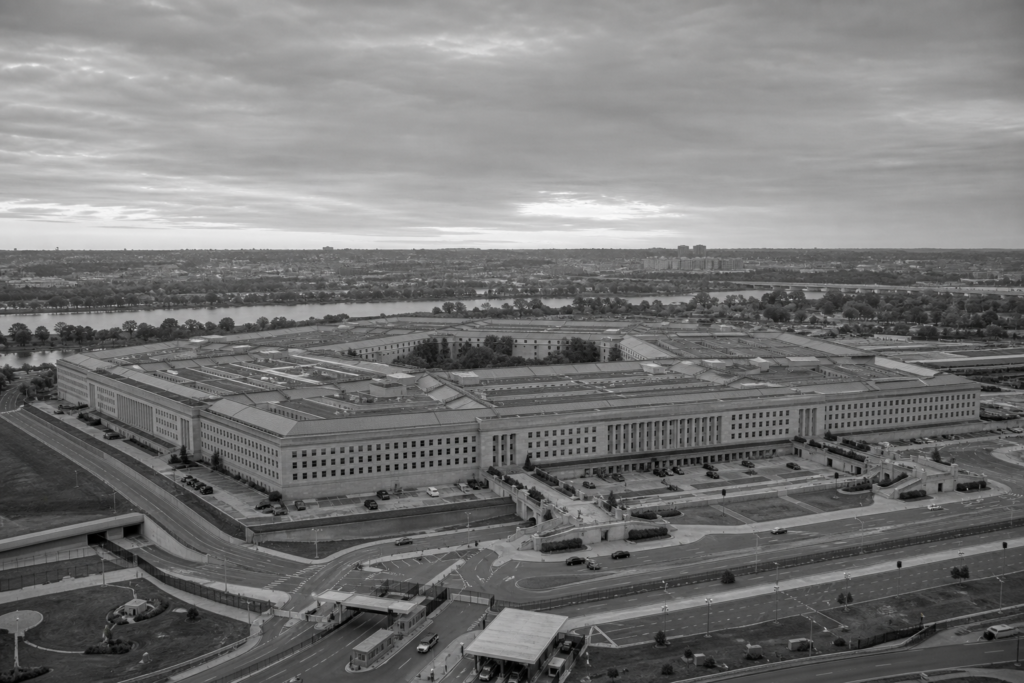
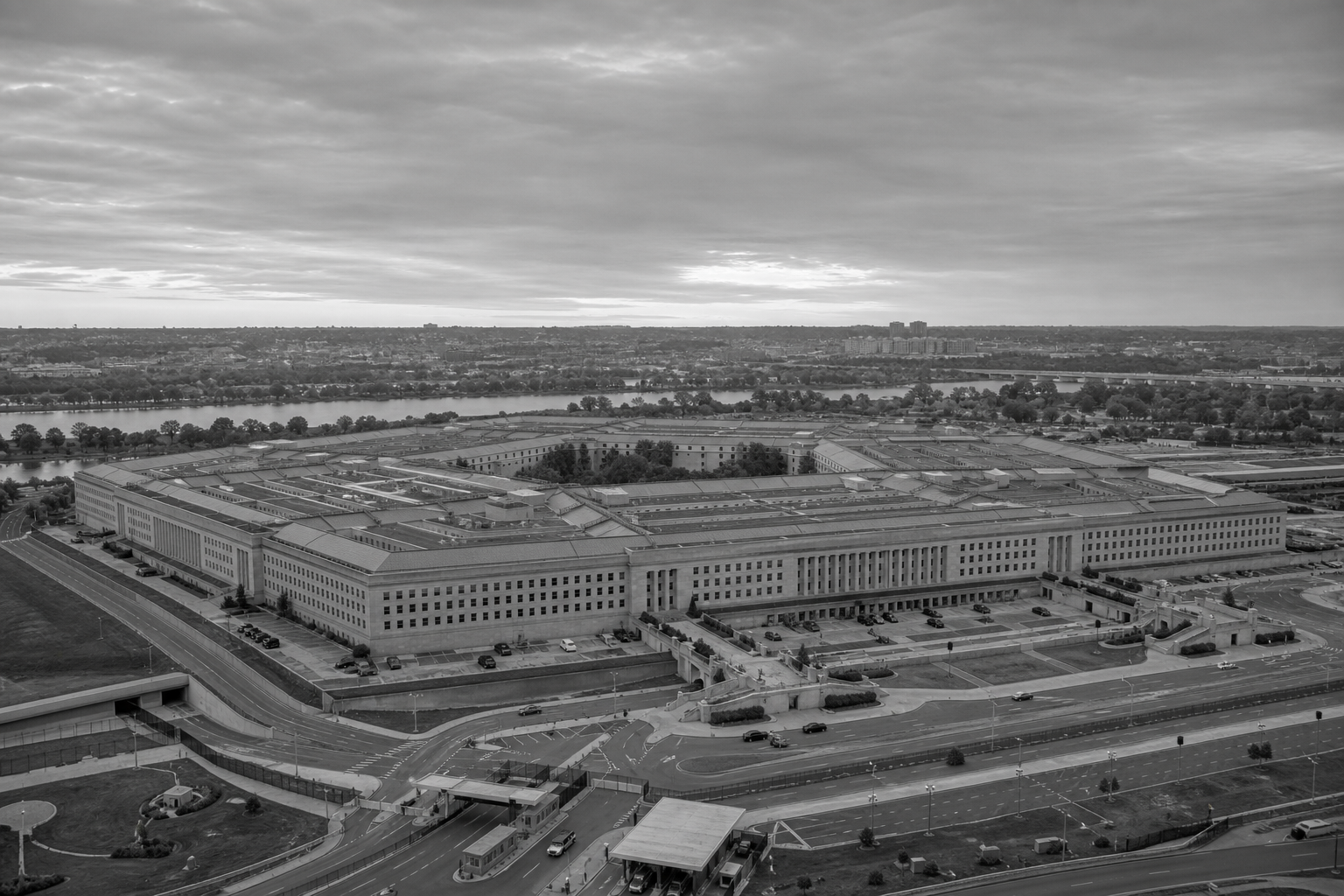
A proposed Pentagon briefing on military encounters reaching back to 2004 would give Congress a defined way to ask whether the Department of Defense can account for its own UAP intercept records across more than two decades. That is an oversight question: it concerns what was detected, how an intercept was recorded, which offices hold relevant information, and whether lawmakers receive a coherent account, not proof of any extraordinary explanation for those events.
The legislative status is decisive. The material available for this article does not include a verifiable FY2026 NDAA bill number, section number, chamber action, or enacted public-law text for the reported requirement. Accordingly, the FY2026 NDAA UAP provisions should be treated here as a proposal that would require a briefing, rather than as a binding Pentagon duty, unless the operative text establishes otherwise.
The distinction has practical consequences. A statutory briefing mandate identifies the responsible official, congressional recipients, deadline, subjects to be covered, and any classified-annex arrangement; a member’s statement or committee discussion may signal interest but does not itself compel a report. The sections that follow separate those possibilities, define the claimed 2004 lookback, and explain what a congressional briefing could illuminate, and what it would not automatically make public.
FY2026 NDAA UAP Intercepts Provision: What the Pentagon Would Have to Brief Congress On
The materials assembled for this article identify no FY2026 NDAA bill number, section heading, chamber-passed text, committee report, conference agreement, or enacted public law containing this requirement. They also do not name a responsible Defense Department official, a briefing deadline, or the House and Senate committees that would receive it. The reported Pentagon UAP intercept briefing therefore remains a proposed oversight concept, not a confirmed enforceable reporting duty.
In its described form, the proposal would require a retrospective briefing on specified military UAP intercept activity from 2004 forward. That 2004 cutoff is the concrete boundary of the claimed review; it does not establish that every UAP report, sensor detection, or military encounter during the period would be included. A Congress-facing briefing would have officials assemble an account of relevant events and records, rather than require the Pentagon to publish incident files, declassify intelligence, or release underlying sensor data.
The distinction is central to discussion of FY 2026 NDAA UAP intercepts. Even if Congress later enacted language substantially matching the description, a briefing would show that lawmakers sought an accounting of departmental recordkeeping and operational response across the post-2004 period. It would not itself determine what any encounter was, substantiate claims involving crash retrievals or non-human intelligence, or turn classified material into public disclosure. Only operative legislative text can establish the briefing’s actual recipients, scope, deadline, and handling of classified information.
First, Verify the Legislative Status and the Exact Operative Language
The first checkpoint is whether an operative sentence exists in an enacted FY2026 measure: as of August 5, 2026, the materials assembled for this article identify no versioned statutory text requiring a UAP-intercept briefing dating to 2004. Without that language, there is no binding command to quote. An introduced amendment is a sponsor’s proposal; a House or Senate Armed Services Committee mark reflects action by one committee; and a chamber-passed bill has cleared only one chamber. None alone imposes a Defense Department duty.
The decisive comparison would be between House and Senate National Defense Authorization Act texts. In reconciliation, negotiators may retain a proposal, change its 2004 cutoff, substitute a written report for an oral briefing, or omit it. A conference report or joint explanatory statement records the negotiated outcome; identical passage by both chambers followed by presidential signature produces public law. Only final statutory text can establish the responsible official, congressional recipients, deadline, required subjects, and any classified-session arrangement.
The practical test for the reported FY2026 NDAA UFO provision is specificity. A supportable account would identify the bill or public-law number, section location, text version, and Congress.gov action history, then quote or closely paraphrase language directing a particular official to brief particular congressional recipients. This distinction also applies to separate FY2026 NDAA UAP proposals. A general reference to “intercepts since 2004” supplies none of those legal particulars.
For now, the proposed review must remain conditional rather than described as an enacted Pentagon mandate. The absence of identified final language also leaves no confirmed basis to claim coverage of every military UAP report after 2004, public release of records, or treatment of crash-retrieval and non-human-intelligence allegations.
What the Review Covers, and What ‘Intercepts Since 2004’ Does Not Automatically Mean
The phrase “since 2004” supplies only a proposed starting point. No authoritative FY2026 text identified in this record establishes an end date, a fixed lookback method, or the event-by-event criteria that would determine inclusion. It therefore cannot support a claim that every military UAP-related record created after 2004 would fall within the review.
“Intercept” is especially important because it is narrower than a sighting in ordinary operational usage. A sighting can be a pilot, sailor, sensor operator, or member of the public reporting something not immediately identified. An intercept ordinarily suggests an affirmative operational response, such as directing an aircraft or other asset to identify, monitor, approach, or respond to an object. Those categories can overlap, but they are not interchangeable: an unexplained radar return may be recorded without an intercept, while an intercept may produce several records from crews, command centers, and sensors.
Nothing in the presently identified proposal language names particular military services, combatant commands, intelligence elements, platforms, theaters, databases, sensor types, incident dispositions, threat assessments, or reporting gaps. Nor does it provide a statutory definition that resolves whether an attempted response, a visual encounter, a sensor track, or a completed identification effort counts as an intercept.
That absence sets a practical boundary for interpreting “UAP intercepts since 2004.” The phrase describes the subject lawmakers may wish to examine, not a verified inventory category. It should not be expanded into all UAP sightings, all historical military encounters, alleged recovery programs, or public reports marketed as UFO sightings 2025. A meaningful final provision would need to specify the records and qualifying events it reaches; until then, claims about the review’s precise operational scope go beyond the available text.
Who Must Report, Which Offices Contribute, and Which Lawmakers Receive the Briefing
Accountability turns on a simple drafting choice: who is named to deliver the briefing. As of August 5, 2026, the material assembled for this article identifies no responsible official, contributing office, or congressional recipient for the proposed post-2004 UAP-intercept briefing. It therefore does not establish whether the Secretary of Defense, a Deputy or Under Secretary, the Director of the All-domain Anomaly Resolution Office, or another official would be answerable for delivery.
That gap matters because the All-domain Anomaly Resolution Office and a statutory briefer would have distinct roles. AARO is the Pentagon UFO office focused on UAP matters, but its mission alone does not make its director the official required to appear before Congress. A final provision could assign AARO the task of assembling records, require military departments or intelligence elements to supply inputs, and make the Secretary of Defense responsible for the NDAA UAP briefing to Congress. In that model, supporting offices produce the underlying account; the named senior official owns the deadline and the response to lawmakers.
The receiving side is likewise unspecified. The available record does not identify the House Armed Services Committee, Senate Armed Services Committee, House Permanent Select Committee on Intelligence, Senate Select Committee on Intelligence, their chairs and ranking members, or congressional leadership. Nor does it state a delivery date, classification arrangement, or whether the event would be a one-time briefing or a recurring report. Those distinctions determine both who can press for follow-up and whether the obligation ends after one retrospective accounting or continues over time.
What Congress Is Trying to Learn From a Retrospective UAP Intercept Accounting
The central oversight value of a retrospective accounting is its ability to test an institutional trail rather than merely collect memorable incidents. Congress could ask whether an intercept generated a consistent chain of records: initial detection, command notification, aircrew reporting, intelligence review, threat assessment, and final disposition. A complete account would make it easier to distinguish an event that was thoroughly assessed from one whose data, decision-making, or follow-up cannot now be reconstructed.

Lawmakers may also be probing how operational systems performed under pressure. The relevant questions include whether personnel had a clear channel for reporting anomalous activity, whether reports moved between operational and intelligence organizations, whether commanders received timely information, and whether recurring events revealed air-safety, force-protection, counterintelligence, or surveillance concerns. A strong retrospective review would identify both the incident record and the reasons records may be fragmented, such as differing classifications, incompatible reporting practices, or unclear responsibility for retaining material.
That is a narrower and more useful form of UAP disclosure than claims that a briefing would compel public release of every underlying record. It could expose gaps in governance: incidents not entered into a common system, incomplete sensor retention, unresolved cases lacking sufficient data, or reporting channels that discouraged use. It would not establish that any event involved non-human intelligence, a concealed recovery program, or an extraordinary technology. Nor would it amount to UFO disclosure in the popular sense. The oversight question is whether the Defense Department can give elected lawmakers a reliable account of how it recognized, handled, and preserved information about potentially significant airspace encounters.
Will the Public See the Records? Briefing Rules, Classification, and Disclosure Limits
Public access turns on language that is not presently identified. No authoritative FY2026 NDAA text in this record directs that the proposed intercept briefing be delivered in classified form, unclassified form, or a mixed package with a classified annex. Those choices have materially different effects: a classified briefing may give members access to sensitive operational details while leaving the public without a transcript, whereas an unclassified report or summary creates a version that can ordinarily be released and scrutinized outside secure congressional channels.
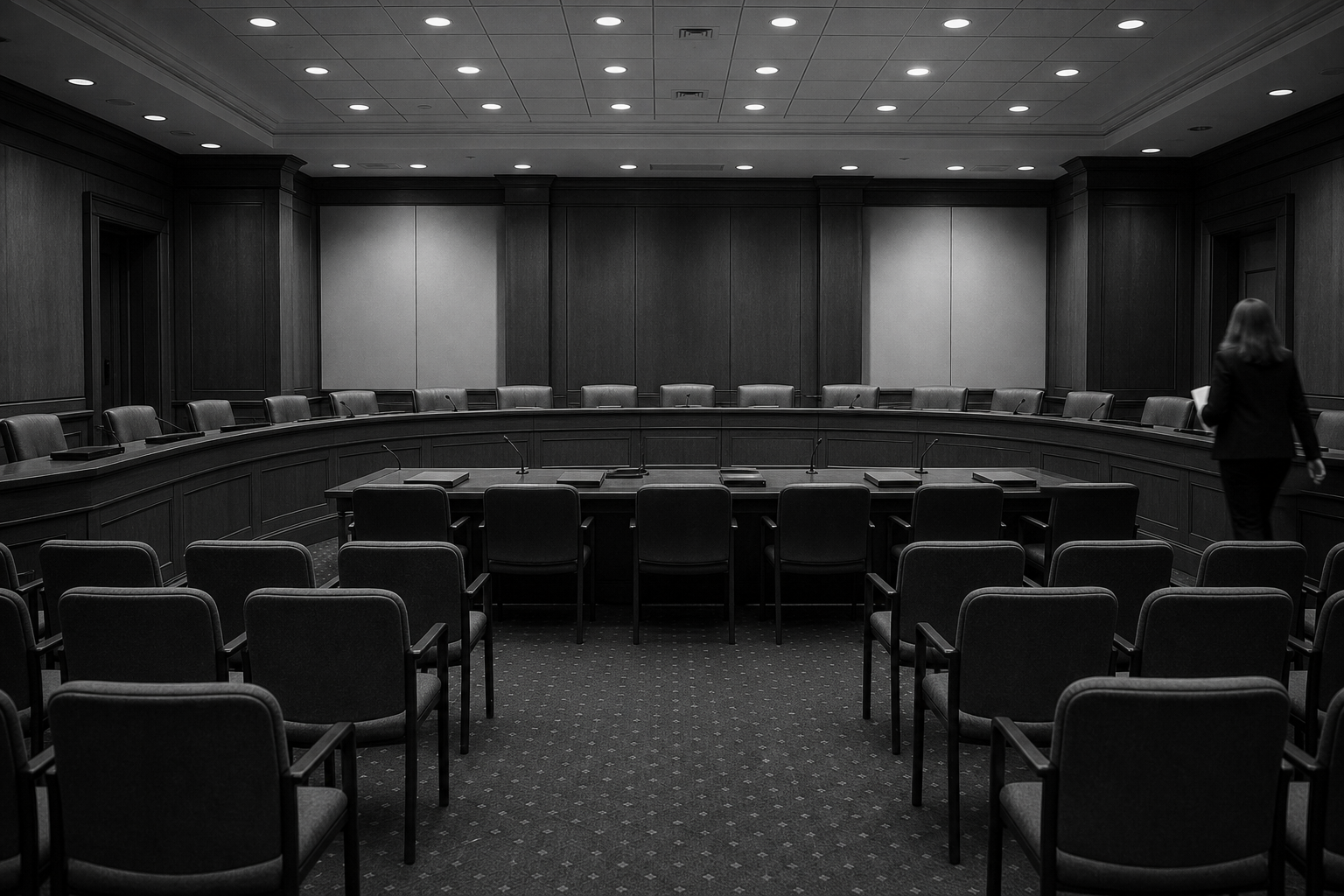
Nor is there verified language requiring an unclassified executive summary, public posting, declassification review, or publication of the underlying incident files. A requirement to brief Congress, even if it ultimately became law, would therefore not itself order the Pentagon to release sensor data, pilot accounts, intelligence assessments, or a consolidated list of cases.
The same limitation applies to records handling. The available proposal contains no identified direction to transfer material to the National Archives, preserve specified files, create a searchable repository, or alter Freedom of Information Act treatment. Those are distinct controls: preservation prevents routine loss or disposal, transfer places records in a designated archival system, and declassification or publication can expand public visibility. None should be inferred from a briefing concept alone.
For readers following UAP news or UFO news, the useful checkpoint is whether final legislative text expressly pairs the briefing with an unclassified deliverable or disclosure mechanism. Without that language, congressional oversight may yield answers for lawmakers without producing a public records release.
Why the 2004 Lookback Matters for UAP Transparency
Choosing 2004 gives the proposed review a reference point near the beginning of the modern public debate over military UAP encounters. For readers who associate that period with prominent naval aviation accounts, the date explains public interest in the lookback; it does not authenticate any particular account, establish its cause, or convert unresolved observations into evidence of non-human intelligence.
The potential contribution to UAP transparency is more concrete: a retrospective request can reveal whether the department can trace records across changing commands, reporting practices, and data-retention systems. A strong result would identify what records exist, where gaps prevent reconstruction, and how those limits affect the assessment. A weak result would rely on broad assurances without clarifying the underlying record trail.
The next checkpoints are straightforward. First, final FY2026 NDAA legislative text would need to contain an operative briefing requirement before any Pentagon duty exists. Next would come completion of any required briefing under its specified terms. Finally, public scrutiny would depend on whether the enacted language authorizes an unclassified report, summary, or other public-facing output. None of those steps, standing alone, establishes a government UFO cover-up or confirms an extraordinary explanation.
What the Proposed UAP Intercept Briefing Would, and Would Not, Establish
The most defensible result would be institutional accountability, not a verdict on the nature of any incident. A properly enacted requirement could compel the Department of Defense to assemble a retrospective account for the congressional recipients named in final text, exposing whether records, analyses, and command decisions can be traced across the stated period. It would not establish that every event was anomalous, that missing records were deliberately withheld, or that any particular explanation is correct.
The proposal’s practical force remains contingent on the enacted FY2026 NDAA language. A concept, amendment, or committee discussion can signal congressional interest; only final statutory text can impose a duty, define its scope, identify the reporting official and recipients, and set a deadline. Implementation is a separate test: an enacted mandate still must be carried out in the form Congress specifies.
Nor does congressional oversight automatically equal public disclosure. A briefing can provide lawmakers information while leaving underlying operational material outside public view. For UAP transparency, the meaningful additional signal would be an express unclassified report, summary, publication requirement, or declassification-review mechanism.
Readers should therefore track three events: enactment of operative language, the deadline and completion of the required briefing, and any final requirement for an unclassified release. Those checkpoints, not the proposal’s title alone, will show what Congress has required and what the public can assess.
Frequently Asked Questions
-
Is the FY2026 NDAA UAP intercept briefing requirement legal now?
No confirmed final FY2026 NDAA text establishes a binding Pentagon briefing requirement on UAP intercepts since 2004. The available material identifies no bill number, section, chamber-passed provision, conference agreement, or enacted public-law text.
-
What would the Pentagon have to tell Congress about UAP intercepts since 2004?
The proposed briefing would provide a retrospective accounting of specified military UAP intercept activity from 2004 forward. It could address records of detection, command notification, aircrew reporting, intelligence review, threat assessment, and final disposition.
-
What counts as a UAP intercept under the proposed NDAA provision?
An intercept generally involves an affirmative operational response, such as directing an aircraft or other asset to identify, monitor, approach, or respond to an object. It is narrower than a sighting, because a sensor detection or witness report may occur without an intercept.
-
What is AARO’s role in Pentagon UAP reporting to Congress?
AARO is the Defense Department office focused on UAP matters and could help assemble relevant records and inputs. Its mission does not automatically make the AARO director the required briefer, because only final statutory language can name the responsible official.
-
What should I look for to know whether a UAP briefing will produce public records?
Look for final statutory language requiring an unclassified report, executive summary, public posting, publication, or declassification review. A classified congressional briefing can give lawmakers sensitive information without releasing sensor data, pilot accounts, or incident files to the public.