David Grusch Tells Congress He Was Informed of Multi-Decade UAP Crash Retrieval and Reverse-Engineering Program in 2023
Explore David Grusch UFO testimony to learn what he told Congress about alleged UAP crash retrieval claims, evidence, and unanswered questions.
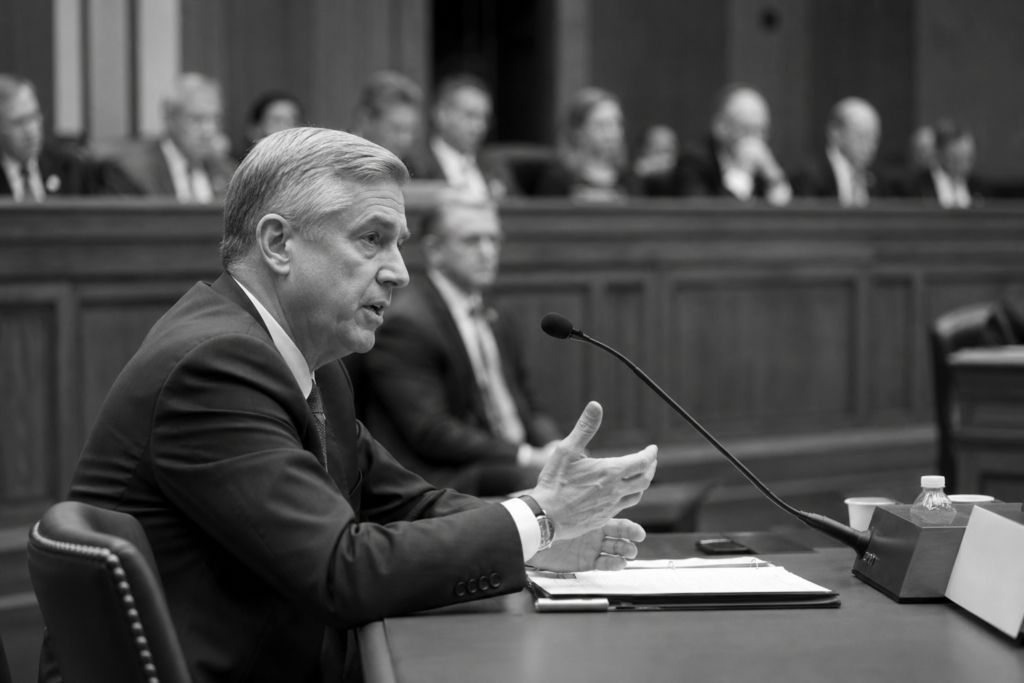
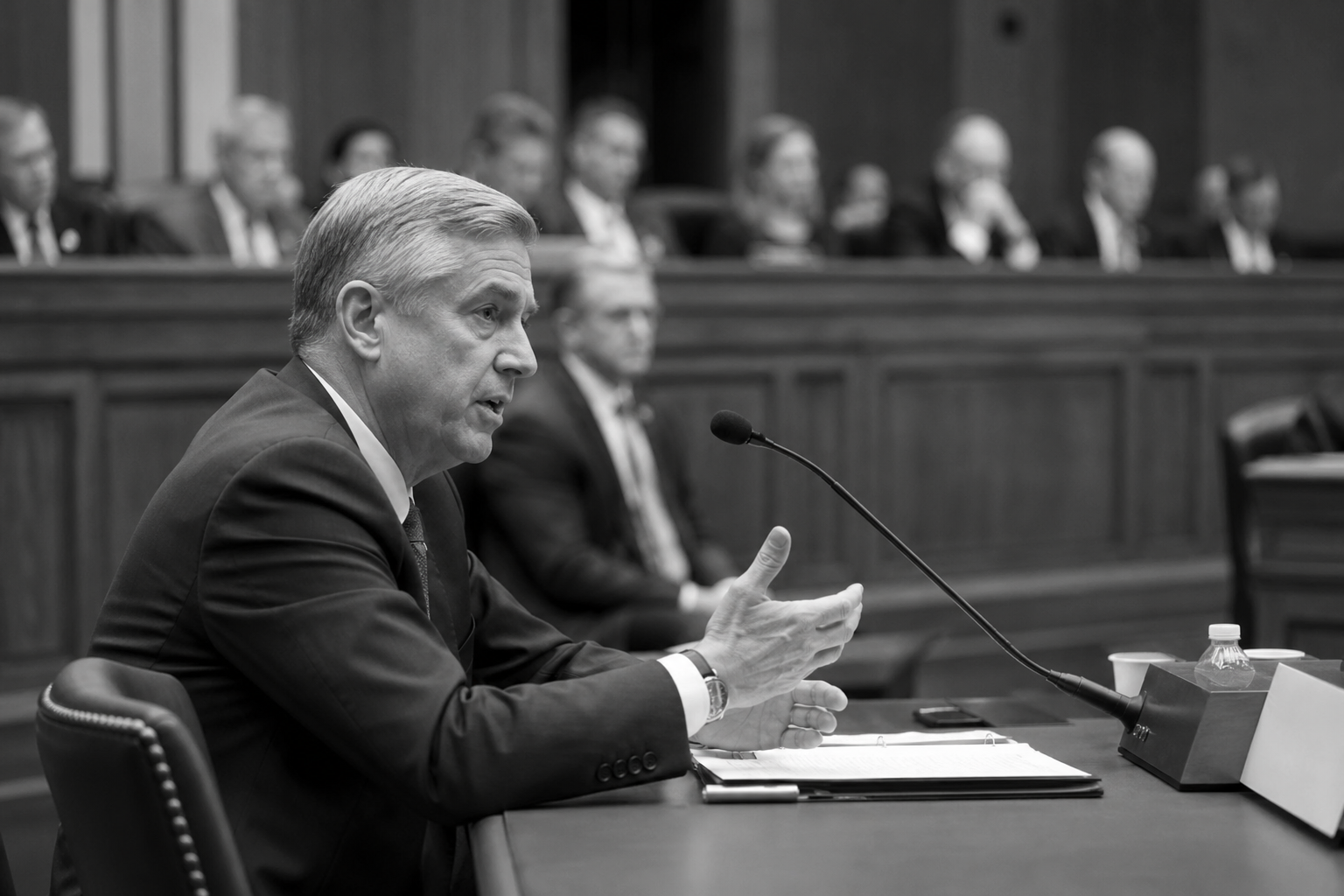
At a July 26, 2023 House Oversight subcommittee hearing, former intelligence officer David Grusch gave sworn testimony that put an extraordinary allegation into the congressional record: he said he had been informed by multiple sources of a decades-long UAP crash-retrieval and reverse-engineering effort. The significance of the David Grusch UFO testimony lies not in a public confirmation of that program, but in the specificity of what a former official said he had reported through government channels and then described, within classification limits, to lawmakers.
This article separates several questions that are often collapsed into one. What did Grusch say he was told about recovered craft, attempts to exploit their technology, and alleged non-human biologics? What support did he say existed, including information he said was provided in classified settings? And what was actually available for the public and Congress to independently assess at the hearing? Sworn testimony records an allegation under oath; it does not itself authenticate the underlying accounts, documents, or materials.
The distinction matters. Grusch did not publicly present verifiable program records or claim that viewers could evaluate recovered technology for themselves. Congress heard a whistleblower’s account of information he said he received, while the Pentagon’s public response and later official review addressed whether such claims had been substantiated. Those are related but different evidentiary questions, and the limits of each are central to understanding what the hearing established and what remained unresolved.
What David Grusch Told Congress in July 2023
The proceeding was the House Oversight Committee’s July 26, 2023 hearing, “Unidentified Anomalous Phenomena: Implications on National Security, Public Safety, and Government Transparency,” held by the Subcommittee on National Security, the Border, and Foreign Affairs. Grusch appeared alongside former Navy pilots Ryan Graves and David Fravor, but his David Grusch congressional testimony addressed a different subject: information he said he had gathered while serving in intelligence roles and reporting concerns through official channels.
Under oath, Grusch said he had been informed by multiple sources, some he described as having direct knowledge, of a long-running effort to retrieve UAP material and attempt to understand or reproduce its technology. He did not tell the committee that he had personally recovered a craft, handled purported material, or observed alleged biological remains. That distinction is the practical test for reading the record: his statements conveyed claims attributed to other people and information, not publicly inspectable physical evidence.
The hearing became a major UAP disclosure event because those assertions entered a congressional hearing record and lawmakers pursued them in public questioning. Yet the public session supplied neither program documents nor identified artifacts for independent examination. Sworn testimony can create an oversight obligation and focus investigative attention; it does not, by itself, establish that the alleged crash-retrieval or reverse-engineering program existed.
The Alleged Crash-Retrieval and Reverse-Engineering Program
Grusch described two linked but distinct alleged activities. The first was recovery: he said the United States possessed a “multi-decade UAP crash retrieval and reverse engineering program,” meaning an effort to collect material associated with unusual craft or objects. The claim did not identify a particular crash, installation, contractor, or item of material in the public hearing; its scope was the existence of a purported long-running program.
The second activity was exploitation of what had allegedly been recovered. In the exchange, “reverse engineering” meant examining material or technology in an attempt to determine how it works and, potentially, reproduce useful capabilities. That is different from merely holding an object in storage. Grusch’s reverse-engineering claim alleged a technical effort following recovery, not a public demonstration that any recovered material had been successfully understood, copied, or deployed.
His account rested on information he said he had obtained from multiple people during his inquiries. Asked whether he had interviewed people with direct knowledge of the program, Grusch answered that he had. He also referred to sources with “firsthand knowledge,” a description that conveys how he characterized their access, not an opportunity for the public to assess their identities, records, or assertions. The David Grusch crash retrieval claims therefore placed a specific alleged chain before Congress, recovery followed by analysis, but left the underlying evidence outside the open hearing record.
What Grusch Said He Knew Firsthand, and What He Said He Was Informed About
The key evidentiary boundary is between reporting an account and personally observing the event it describes. In the July 26, 2023 hearing, Grusch presented himself as a recipient and investigator of information: he said he had interviewed multiple people and regarded some as having direct knowledge of the alleged activities. That made his testimony a sworn account of what sources told him, rather than eyewitness testimony about a recovery operation.
In the public session, Grusch did not testify that he had seen a recovered craft, worked on reverse engineering, or personally examined material or alleged non-human biologics. Nor did he place documents, photographs, physical material, or named firsthand witnesses into the open record. He indicated that some details involved classified information and could be addressed outside the public hearing, but material not aired publicly cannot be independently assessed from the hearing video or transcript.
This distinction changes the weight readers should assign to the David Grusch whistleblower testimony. Firsthand evidence would come from a witness describing direct observation or participation, ideally accompanied by records or physical evidence that can be tested. Secondhand testimony can still be significant, especially when it identifies claims warranting congressional investigation, but its reliability depends on the underlying sources, their access, the consistency of their accounts, and corroboration not available to the public. The hearing established that Grusch made these allegations under oath; it did not itself establish that the alleged program or non-human intelligence existed.
The “Non-Human Biologics” Exchange and Other Important Testimony
One brief exchange gave the hearing its most widely repeated phrase. Representative Nancy Mace asked Grusch whether “biologics” had been recovered from alleged crashes. He replied that he had been told biologics “came with some of these recoveries,” then answered “non-human” when asked whether they were human or non-human. He immediately located that assessment with people he said had direct knowledge of the alleged program, not with his own examination of specimens.
That wording matters. “Non-human biologics” was an attributed characterization of information Grusch said he received; it was not a public forensic finding, a claim that he had tested material, or independently available proof of alien life. The exchange intensified alien-disclosure coverage, but the hearing record did not supply samples, laboratory results, chain-of-custody records, or identified firsthand witnesses for public scrutiny.
The two pilot witnesses described a separate category of evidence. Ryan Graves testified about recurring UAP sightings by Navy aviators operating off the U.S. East Coast and the professional obstacles that could discourage reporting. David Fravor recounted his 2004 encounter with the object commonly called the “Tic Tac” during the Nimitz events. Their accounts support the proposition that military personnel reported unusual aerial encounters and reporting concerns; neither man testified to participating in, seeing, or validating the crash-retrieval and reverse-engineering activities Grusch alleged.
What Evidence Did Grusch Say Supported His Account?
Grusch identified several categories of material that he said informed his reporting: interviews with current and former officials, accounts from people he characterized as having firsthand knowledge, and information he said he had conveyed through protected government channels. He also told lawmakers that additional details, including identities, locations, and the alleged structure of compartmented access programs, could be discussed only in a classified setting.
Those categories serve different evidentiary functions. An interview can show what a source reported; documentation can potentially establish dates, authorities, custody, or program activity; and classified testimony permits members with appropriate access to pursue sensitive details. But none of those underlying materials was entered into the public hearing record. Viewers were not given source names, interview notes, documents, photographs, physical material, laboratory analyses, or testimony from the people Grusch said had direct knowledge. That leaves the public able to assess his sworn description of his inquiry, rather than the underlying claims themselves.
His whistleblower-complaint and reprisal allegations are relevant because they describe the route through which he said he raised concerns and the treatment he said followed. They are not, by themselves, corroboration that a crash-retrieval program existed. Likewise, an intelligence community inspector general’s consideration of a complaint can address whether a disclosure or reprisal allegation warranted review; it does not automatically authenticate every substantive allegation contained in, or associated with, that disclosure.
The strongest public signal would have been independently examinable material: identified firsthand witnesses under oath, records whose provenance could be assessed, or physical evidence available for qualified testing. The July 2023 session offered none of those items publicly, while preserving Congress’s option to seek more detailed information behind closed doors.
What the Pentagon Said, and What the Hearing Did Not Establish
The Department of Defense did not publicly validate Grusch’s allegations. In response to the 2023 claims, Pentagon officials said they had not found verifiable information supporting the proposition that the U.S. government possessed extraterrestrial technology or operated a concealed program to reverse-engineer it.
The All-domain Anomaly Resolution Office, or AARO, is the Pentagon office tasked with investigating UAP reports and coordinating their review across government. Its position is a finding of non-confirmation: it reported no verified evidence of an extraterrestrial craft or a hidden reverse-engineering effort. That is materially different from a public finding that every allegation relayed through classified channels has been exhaustively disproved.
Nor did the July 26, 2023 hearing make such a finding. The House subcommittee heard sworn testimony and questions from members, but it did not publicly authenticate records, receive testimony from named alleged firsthand participants, inspect a purported craft or material, or vote on a conclusion that Grusch’s account had been established. A hearing can place allegations before Congress and create an oversight record; it does not itself adjudicate the underlying facts.
A later assessment should likewise be kept separate from the event itself. In March 2024, AARO released its historical report and its finding of no extraterrestrial evidence, which said its review had found no verifiable evidence that the U.S. government or private industry had access to extraterrestrial technology, or that information had been unlawfully withheld from Congress. It is an official assessment based on AARO’s review, not public disclosure of every classified lead referenced by Grusch.
Why the 2023 Testimony Still Matters for UAP Disclosure
The practical consequence was to sharpen the oversight questions that surround classified UAP claims. Protected reporting channels matter because officials who believe they have relevant information need a way to bring it to inspectors general and Congress without making unauthorized public disclosures. Classified briefings matter for a different reason: they can allow members and cleared staff to test identities, records, access claims, and chains of custody that cannot be aired in an open hearing.
Records preservation is equally important. A claim about a long-running hidden activity can be assessed more rigorously through dated memoranda, contracting trails, security-access records, interview notes, and provenance for any alleged material than through repetition of the claim itself. That is the distinction between a useful lead for congressional scrutiny and publicly assessable corroboration. It also explains why UFO disclosure is not simply a question of releasing dramatic assertions; it requires a process that preserves evidence and permits accountable review.
In that sense, the David Grusch UFO testimony remains consequential. Under oath, Grusch relayed source-based allegations of crash retrieval, reverse engineering, and biologics, while leaving the public without direct, testable proof of those allegations. The appropriate standard remains measured: authoritative findings or evidence that independent reviewers can assess, not the hearing alone, would be needed to resolve the major factual questions.
What David Grusch’s Testimony Established, and What It Did Not
The record therefore has two different evidentiary consequences. Grusch’s July 26, 2023 testimony established that a former intelligence official, under oath, reported receiving allegations from multiple sources about a long-running UAP recovery and exploitation effort. It also established that he said some sources had firsthand knowledge and that he had supplied further information through protected channels for inspectors and lawmakers.
It did not establish, in the public record, that such a program existed. Grusch did not present an identified recovered craft, authenticated program records, physical material for testing, or his own eyewitness account of retrieval work, reverse engineering, or alleged non-human biologics. His answers supplied a lead for investigation: source-based testimony can justify requests for names, records, access histories, and classified briefings, but it is not equivalent to independently verifiable corroboration.
The Pentagon did not publicly confirm the allegations, and AARO’s March 2024 historical report said its review found no verifiable evidence that the U.S. government or private industry had access to extraterrestrial technology or had concealed such access. That finding does not itself settle every claim made outside public view. The clear takeaway is narrower: the hearing’s broader UAP testimony intensified questions about UAP oversight, classification, and congressional access, but it did not independently prove the alleged crash-retrieval program or non-human technology.
Frequently Asked Questions
-
What did David Grusch tell Congress about UAP crash retrievals?
At the July 26, 2023 House Oversight subcommittee hearing, David Grusch testified under oath that multiple sources had told him of a multi-decade UAP crash-retrieval program. He said the alleged effort also involved attempts to analyze and reverse engineer recovered material.
-
Did David Grusch say he personally saw an alien spacecraft?
No. Grusch did not testify that he personally recovered, handled, or observed a craft, alleged biological remains, or reverse-engineering work. His public testimony described information he said he received from sources, including some he characterized as having firsthand knowledge.
-
What did David Grusch mean by non-human biologics?
Grusch said he had been told that biologics came with some alleged UAP recoveries and answered “non-human” when asked whether they were human. He attributed that assessment to people with direct knowledge of the alleged program, not to his own examination of specimens or public laboratory testing.
-
Was David Grusch’s UAP testimony verified by Congress?
No public congressional verification occurred at the July 26, 2023 hearing. The public record contained no authenticated program documents, identified firsthand witnesses, physical material, laboratory results, or chain-of-custody records for independent assessment.
-
What evidence should people look for when evaluating UAP crash-retrieval claims?
Look for identified firsthand witnesses under oath, dated records with assessable provenance, documented access and contracting trails, and physical material available for qualified testing. The Pentagon did not publicly validate Grusch’s claims, and AARO’s March 2024 historical report said it found no verifiable evidence of U.S. or private-industry access to extraterrestrial technology.