David Grusch Alleged Hidden U.S. UAP Programs, Crash Retrievals, and Non-Human Biologics Claims in 2023
Examine David Grusch UFO testimony, 2023 UAP allegations, crash retrieval claims, biologics remarks, and official evidence reviews.
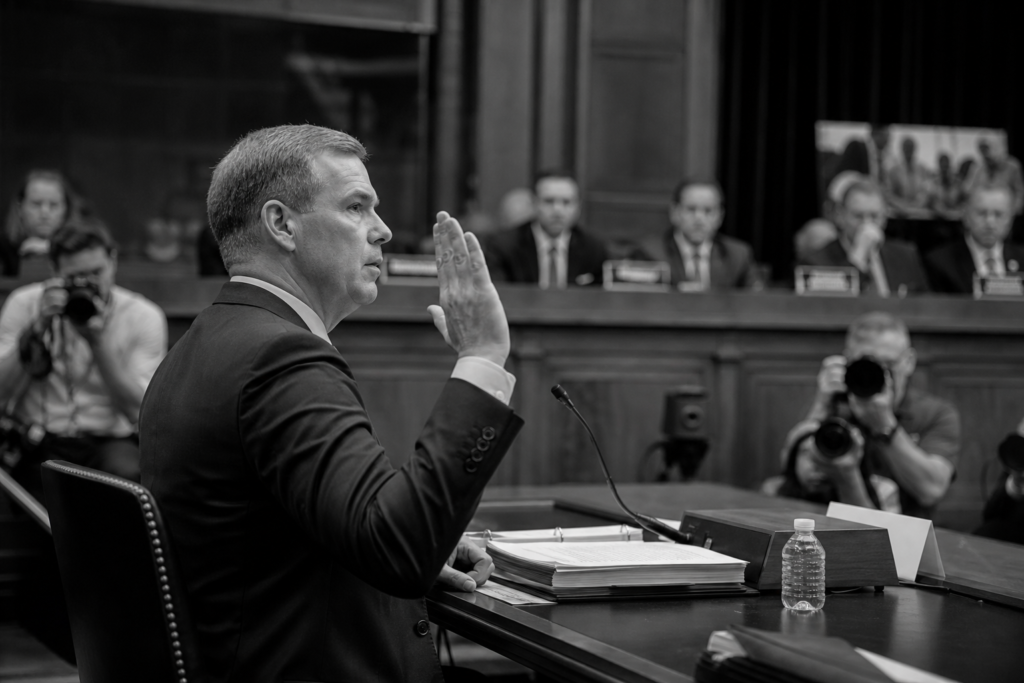
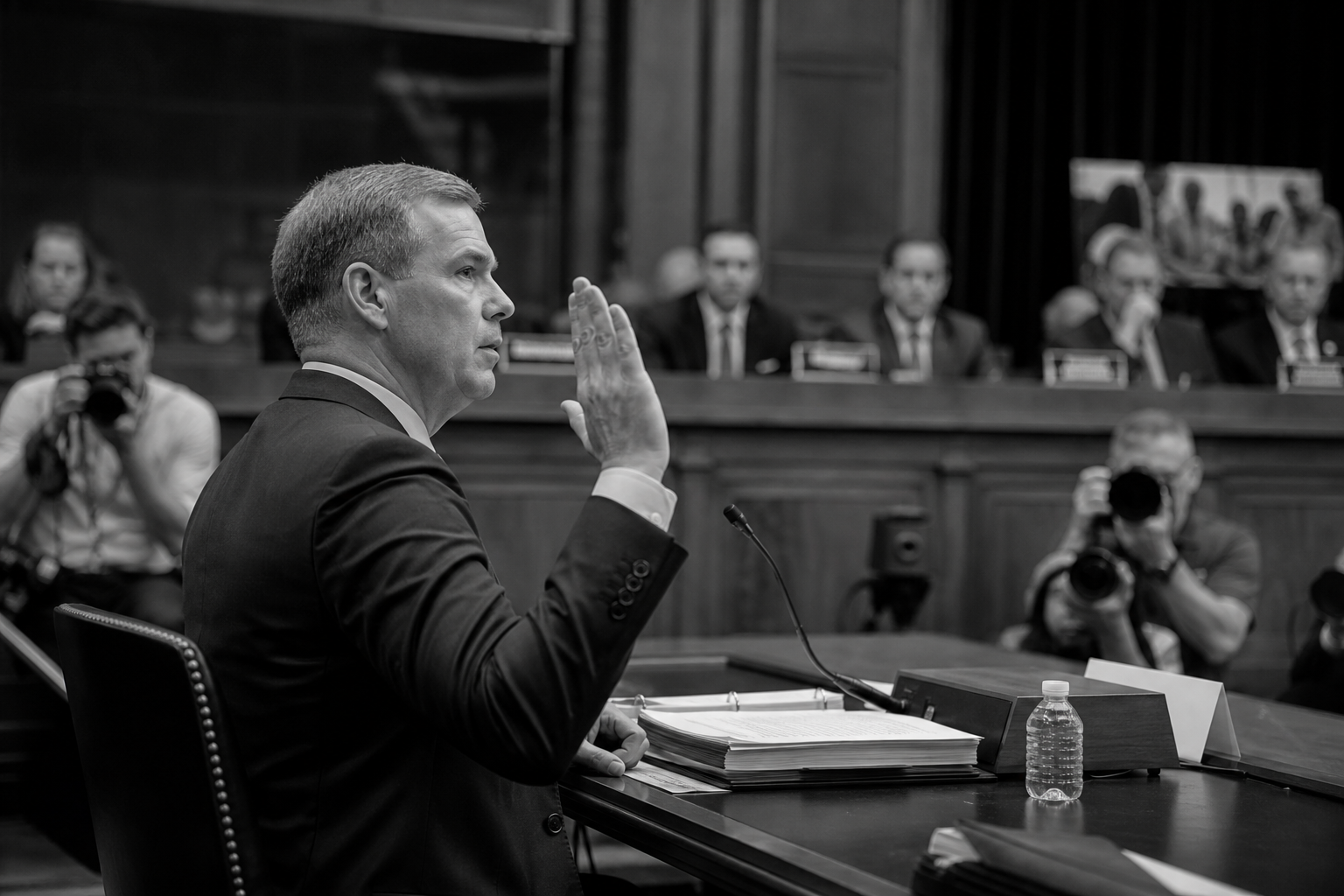
David Grusch’s 2023 allegations brought extraordinary claims about secret U.S. activity into a public congressional setting. In his July 26 testimony to the House Oversight Committee, the former intelligence officer alleged that the government had concealed a long-running UAP program involving recovered craft, attempted reverse engineering, and “non-human” biologics. The David Grusch UFO testimony was sworn testimony, but it was not, by itself, public proof that those programs or materials existed.
That distinction shapes this account. A witness can describe what he was told by current or former officials; those reported accounts differ from firsthand observation, documents the public can inspect, or findings independently confirmed by an agency. Grusch said much of the most consequential material had been provided to him by other people, while maintaining that he had supplied information through official channels.
The sections that follow separate the claims into their component parts: the alleged hidden programs, crash-retrieval efforts, reverse-engineering work, and biologics statement. They also place the hearing in context and compare Grusch’s assertions with the public record and later government responses, identifying what was alleged, what was documented, and what remained unverified.
What David Grusch Alleged in 2023, and What the Record Does and Does Not Establish
Grusch’s account combined four related propositions: that a secret UAP effort existed, that it held retrieved physical material, that personnel had tried to exploit or reproduce that material, and that recovered material included biologics he described as “non-human.” In June media interviews and again at the July 26, 2023 House hearing, he located the alleged activity across government and defense-contractor channels and portrayed it as insulated from meaningful congressional oversight. Those descriptions were allegations; no craft, biological sample, program record, or technical result was publicly produced that established an extraterrestrial origin or non-human intelligence.
The evidentiary status also varied within Grusch’s presentation. His sworn testimony records what he told Congress, while his public interviews provide fuller accounts of some assertions. For the central retrieval and biologics claims, he indicated that he was relaying information from people he regarded as knowledgeable rather than describing personal observation of a recovered vehicle or body. Classified material may be relevant to an investigation but cannot be independently evaluated by the public; an official finding or publicly inspectable evidence would be a different, and stronger, form of substantiation. That separation is essential to assessing the 2023 UAP disclosure debate without converting an allegation into confirmation.
Grusch’s Background, Whistleblower Complaint, and the Firsthand-versus-Secondhand Divide
Grusch’s professional background matters chiefly because it identifies the limits of his personal knowledge. He described work at the National Geospatial-Intelligence Agency and the National Reconnaissance Office, along with a UAP-related role that put him in contact with officials who said they had knowledge of restricted activities.
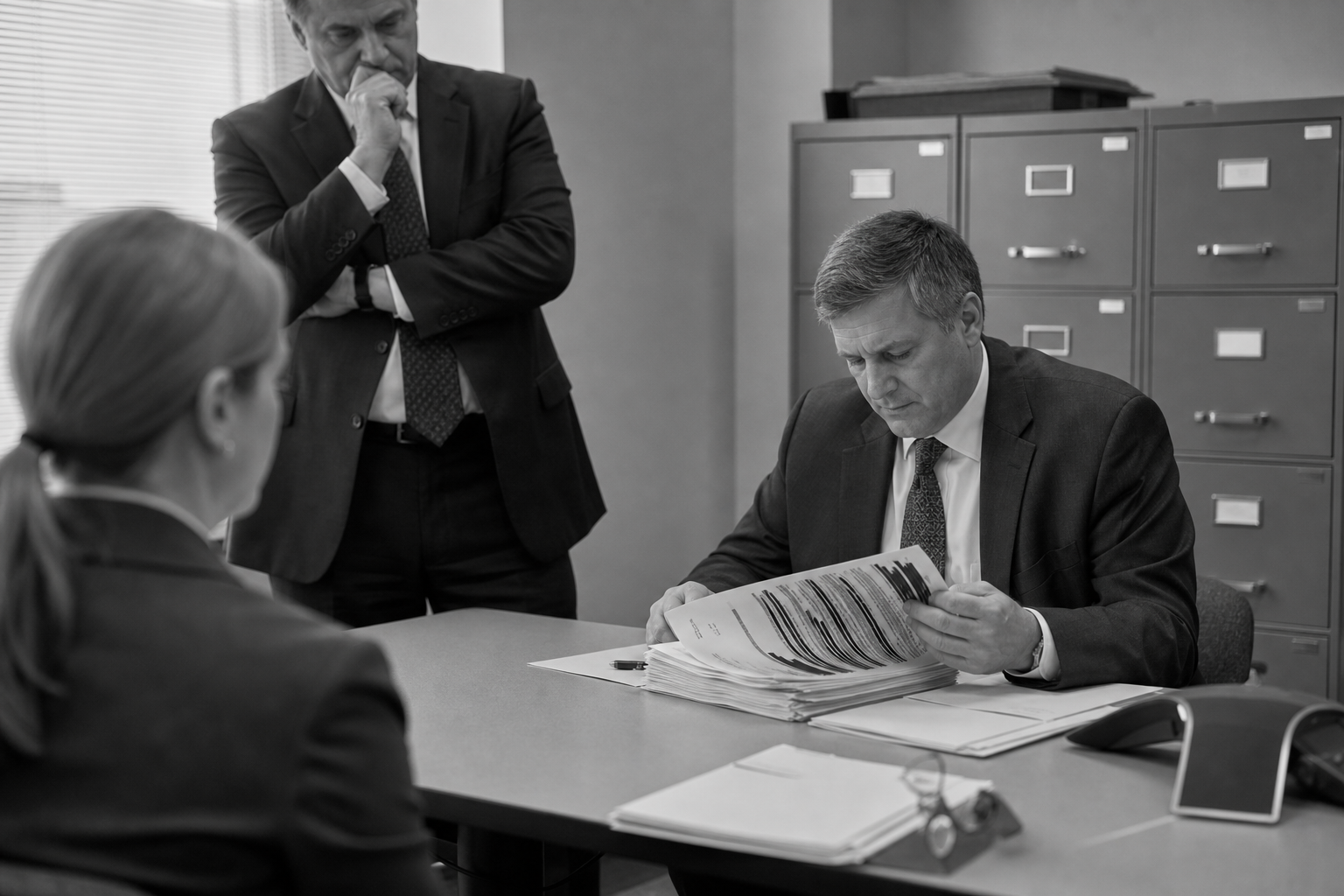
That access is not the same thing as direct observation. In the July 2023 hearing, Grusch distinguished his own experience from information he said he collected through interviews with current and former officials. His employment, interactions with oversight channels, and concerns about alleged retaliation were matters he could describe firsthand. The claims about concealed programs, recovered material, and biologics were, by his account, reports supplied by others.
This firsthand-versus-secondhand evidence divide changes what the testimony can establish. A witness may reliably report that people made particular statements to him; that does not independently establish that the underlying events occurred. Classified information submitted to investigators may be important to an inquiry, but it is not evidence the public can assess unless records, physical material, or official findings are released.
Descriptions of Grusch’s intelligence-community inspector-general complaint as “credible and urgent” should be read narrowly. Such language concerns the handling of a complaint and alleged reprisals, not public validation of the David Grusch whistleblower claims about crash-retrieval or reverse-engineering programs. The two questions require separate evidence.
The Alleged Hidden U.S. UAP Programs: What Grusch Said
At the July 26, 2023 House Oversight subcommittee hearing, Grusch characterized the alleged activity as a “multi-decade UAP crash retrieval and reverse-engineering program.” He also referred to a purported “legacy UAP program”: in this usage, a continuing or inherited effort rather than a newly created UAP office. His claim was not that every UAP report belonged to that effort, but that a restricted program had allegedly retained information and material outside ordinary disclosure channels.
Grusch further alleged that information had been “illegally withheld from Congress” and that the program had avoided proper oversight. That is the core of the government UFO cover-up allegation: not merely secrecy for a classified project, but secrecy that, he contended, prevented lawfully authorized congressional overseers from receiving relevant information. The hearing did not determine whether that withholding occurred.
When members asked for details, Grusch said he could identify specific locations and people in a secure setting, rather than in open session. His written opening statement said he had provided classified information to the Intelligence Community Inspector General and to appropriate congressional committees. That assertion describes where he said he sent information; it does not disclose the contents, establish the accuracy of the underlying accounts, or show that an investigator accepted his program allegations.
Public corroboration would require assessable material beyond the allegation itself: for example, authenticated program records, named witnesses able to give verifiable firsthand accounts, testimony from responsible officials, or physical material accompanied by a documented chain of custody and independent analysis. None of those items was publicly introduced at the UAP congressional hearing. Grusch said the relevant details were classified, which limited what he would discuss openly, but classification also meant viewers could not independently test the claimed legacy program from the hearing record alone.
Crash Retrievals and Reverse Engineering: The Scope of the Allegations
The retrieval allegation was about possession: Grusch told the House panel that the United States had recovered “intact and partially intact” UAP vehicles. A recovered craft would mean an object purportedly obtained after an incident or operation; retrieved materials could also mean fragments or components. In public, however, he did not display an artifact, release a chain-of-custody record, identify a program by name, or offer a firsthand account of taking part in a recovery.
His answers also marked a boundary between what he would say openly and what he said he could provide in a classified setting. Asked whether he had personally seen a recovered craft, Grusch said he had not. He maintained that he had interviewed people with direct knowledge and had provided specifics to oversight authorities, but the public hearing did not put those people before Congress or make their underlying accounts available for independent assessment.
The reverse-engineering allegation was distinct. Retrieval concerns whether an object or material was acquired; UAP reverse engineering concerns a subsequent attempt to understand its design, reproduce its capabilities, or derive usable technology from it. Grusch alleged that such analysis had occurred over decades, including through government and defense-industry channels. He did not publicly identify a laboratory, contract, technical result, or document showing that an alleged recovered material had been analyzed or successfully exploited.
That distinction matters when weighing the David Grusch UFO testimony. A witness reporting what informed contacts told him can raise a serious oversight question, especially when the claimed details are classified. It is not the same as publicly verifiable proof of a UAP crash-retrieval effort, and it does not independently establish that any reverse-engineering project existed or produced technology.
What Grusch Said About Alleged “Non-Human Biologics”
Rep. Nancy Mace pressed the point during the July 26 hearing when she asked whether bodies of pilots had been recovered with the alleged craft. Grusch answered that “biologics came with some of these recoveries,” then, when Mace asked whether they were human or non-human, said, “Non-human.” He immediately qualified the assertion: that description reflected the assessment of people with direct knowledge of the purported program whom he said he had interviewed, including people still involved with it.
That qualification is central to the David Grusch non-human biologics claim. Grusch did not tell the panel that he had personally examined remains, observed a recovery, or conducted biological analysis. Nor did the public hearing include samples, laboratory reports, pathology findings, provenance or chain-of-custody records, or public testimony from the alleged firsthand witnesses. His sworn answer therefore documented a reported account, not a publicly testable biological finding.
“Non-human” was an allegation about the reported assessment of material, not a scientific classification established in public. Establishing an extraterrestrial origin, identifying a species, or showing the existence of non-human intelligence would require independently assessable evidence, such as authenticated material, transparent testing methods, reproducible results, and qualified analysis. The exchange was consequential because it put the allegation before Congress; it was not alien disclosure or public verification of what the purported biologics were.
What Happened at the July 26, 2023 House UAP Hearing
At the witness table, three distinct categories of evidence and allegation were presented. At the July 26, 2023 House UAP hearing of a national-security subcommittee, former Navy pilots Ryan Graves and David Fravor described encounters and recurring observations from military service. Graves focused on reported UAP activity in East Coast training airspace; Fravor recounted the 2004 “Tic Tac” encounter associated with the USS Nimitz.
Those accounts concerned unexplained objects and flight-safety or national-security questions. They did not independently substantiate Grusch’s separate assertions about a concealed crash-retrieval program, reverse-engineering work, or alleged biologics. Grusch, a former intelligence officer, presented those assertions as information obtained from people he regarded as direct participants or knowledgeable sources, while reserving names and specific locations for a secure setting.
Sworn testimony gives Congress a formal public record: members can question witnesses, preserve their answers, request classified follow-up, and use a hearing to pursue oversight. Its evidentiary limit is equally important. Taking an oath makes a witness accountable for what he says; it does not authenticate each underlying report, document, or alleged material that the witness describes.
The public hearing record included the witnesses’ opening statements and their responses to members’ questions. It did not include publicly displayed recovered craft, debris, biological samples, laboratory results, chain-of-custody records, or firsthand testimony from the individuals Grusch said could discuss the alleged program directly. The hearing therefore documented consequential allegations and pilot encounter accounts, rather than publicly resolving the origin or existence of the materials Grusch described.
Official Responses, AARO’s Findings, and the Evidence Status of the Claims
Later government reviews addressed the historical-program allegation directly. In March 2024, the Pentagon’s All-domain Anomaly Resolution Office (AARO) released its Historical Record Report, a review of U.S. government investigations and alleged UAP-related programs from 1945 through 2023. AARO reported that it found no verifiable evidence that the U.S. government or private industry had possessed extraterrestrial technology, recovered extraterrestrial craft, or operated a concealed reverse-engineering program.
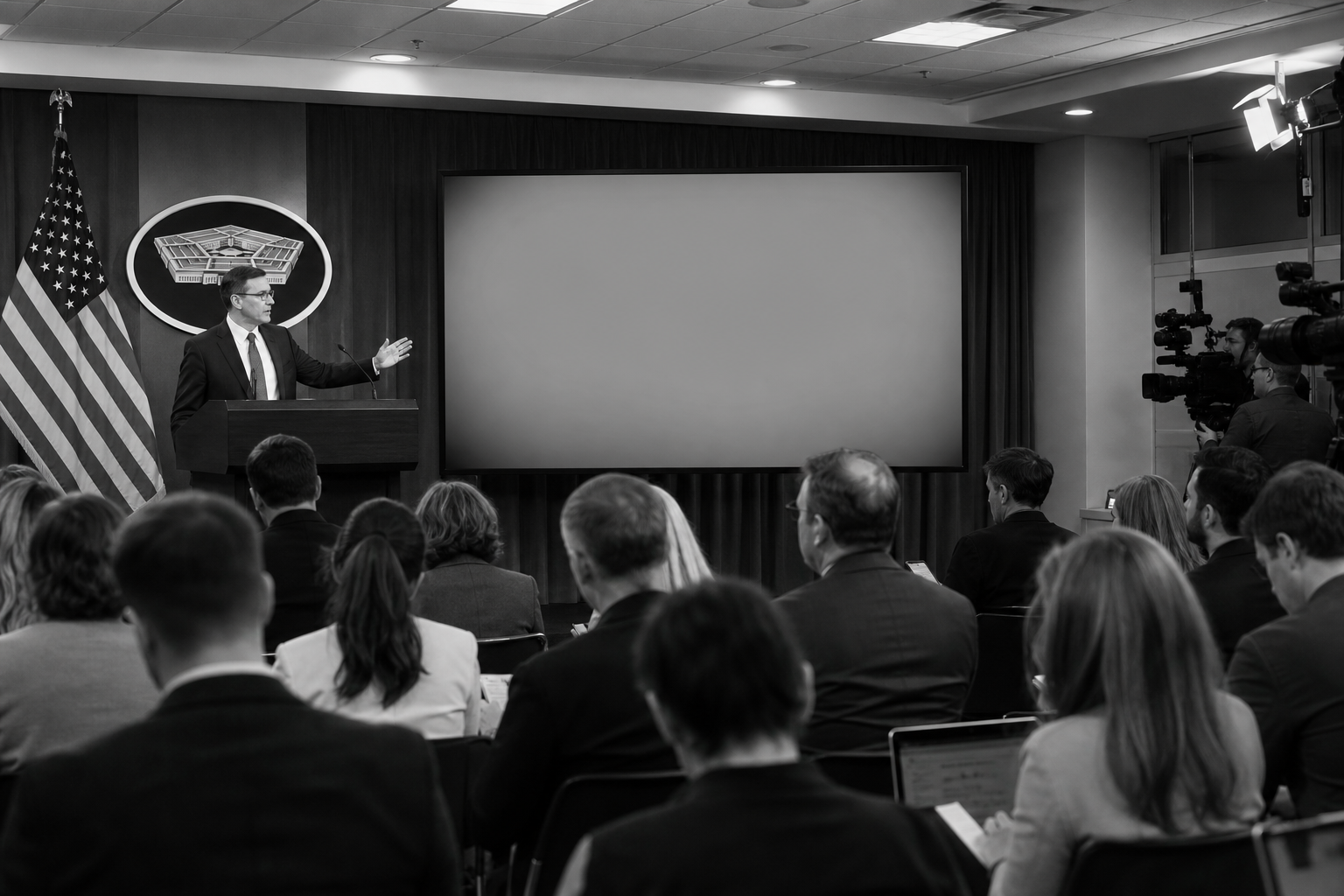
That finding is an official assessment of the records, interviews, and leads AARO reviewed; it is not a scientific demonstration that every unproduced allegation is impossible. It does, however, differ sharply from public confirmation. A confirmed program or recovered object would ordinarily supply assessable records, accountable firsthand witnesses, physical material with provenance, and test results that independent reviewers could evaluate.
As of August 5, 2026, the evidence status remains unchanged in public: Grusch’s alleged hidden program, recovered vehicles, reverse-engineering activity, and non-human biologics were serious sworn claims and potential oversight matters, but none has been publicly verified through such evidence. The David Grusch UFO testimony established a congressional record of allegations, not public proof of the extraordinary facts alleged.
What David Grusch’s 2023 Claims Established, and What They Did Not
The lasting significance of Grusch’s account lies in the oversight questions it put squarely before Congress. His July 2023 sworn allegations created a formal record alleging concealed UAP programs, retrievals, reverse-engineering work, and reported non-human biologics; they also gave lawmakers a basis to seek classified briefings, records, and testimony from people with claimed direct involvement.
But those are different outcomes from factual confirmation. A sworn witness can establish that he made an allegation under penalty of perjury. An inspector-general complaint can establish that a complaint and alleged reprisals warranted handling. Neither category, by itself, establishes that a program existed or that its purported material was non-human. The stronger evidentiary standard would be independently assessable firsthand testimony, authenticated records, traceable physical samples, and reproducible technical or scientific findings.
That gap remains decisive. Grusch described key assertions as information provided by others rather than artifacts or events he had personally observed, while AARO’s 2024 historical review reported no verifiable evidence of concealed extraterrestrial technology or a secret reverse-engineering program. The David Grusch UFO testimony therefore sharpened demands for accountable investigation and transparent records; it did not publicly prove the extraordinary claims at issue.
Frequently Asked Questions
-
What did David Grusch claim under oath at the July 26, 2023 UAP hearing?
David Grusch alleged that the United States had a multi-decade UAP crash-retrieval and reverse-engineering program that was improperly withheld from congressional oversight. He also said alleged recoveries included “non-human” biologics, based on accounts from people he interviewed.
-
Was David Grusch’s UAP testimony based on firsthand knowledge?
No. Grusch said he had not personally seen a recovered craft, observed a recovery, examined biologics, or participated in a retrieval program. His central claims were based on information supplied by current and former officials he considered knowledgeable.
-
What did Grusch mean by non-human biologics?
Grusch said “biologics came with some of these recoveries” and identified them as “non-human” when questioned by Rep. Nancy Mace on July 26, 2023. He said this was the assessment reported by people with direct knowledge, not a conclusion from his own examination or scientific testing.
-
Did David Grusch provide public evidence of a UFO crash-retrieval or reverse-engineering program?
No. The public hearing included no recovered craft, debris, biological samples, chain-of-custody documentation, laboratory results, authenticated program records, or firsthand witnesses to the alleged program. Grusch said specific names and locations could be provided only in a classified setting.
-
What evidence should people look for when evaluating Grusch’s UAP claims?
Look for authenticated program records, accountable firsthand witnesses, physical materials with documented provenance and chain of custody, and independently reproducible scientific or technical testing. AARO’s March 2024 Historical Record Report said it found no verifiable evidence that the U.S. government or private industry possessed extraterrestrial technology or operated a concealed reverse-engineering program.