Christopher Mellon’s Role in UAP Disclosure
Explore Christopher Mellon UAP disclosure efforts, his policy influence, Navy video role, and the evidence behind transparency claims.
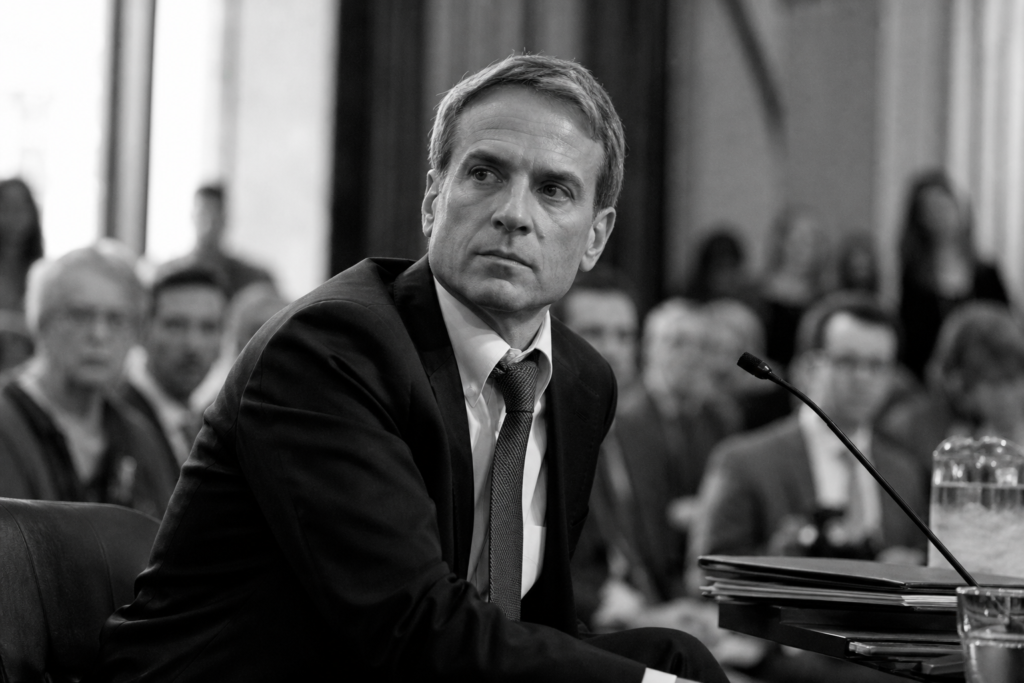
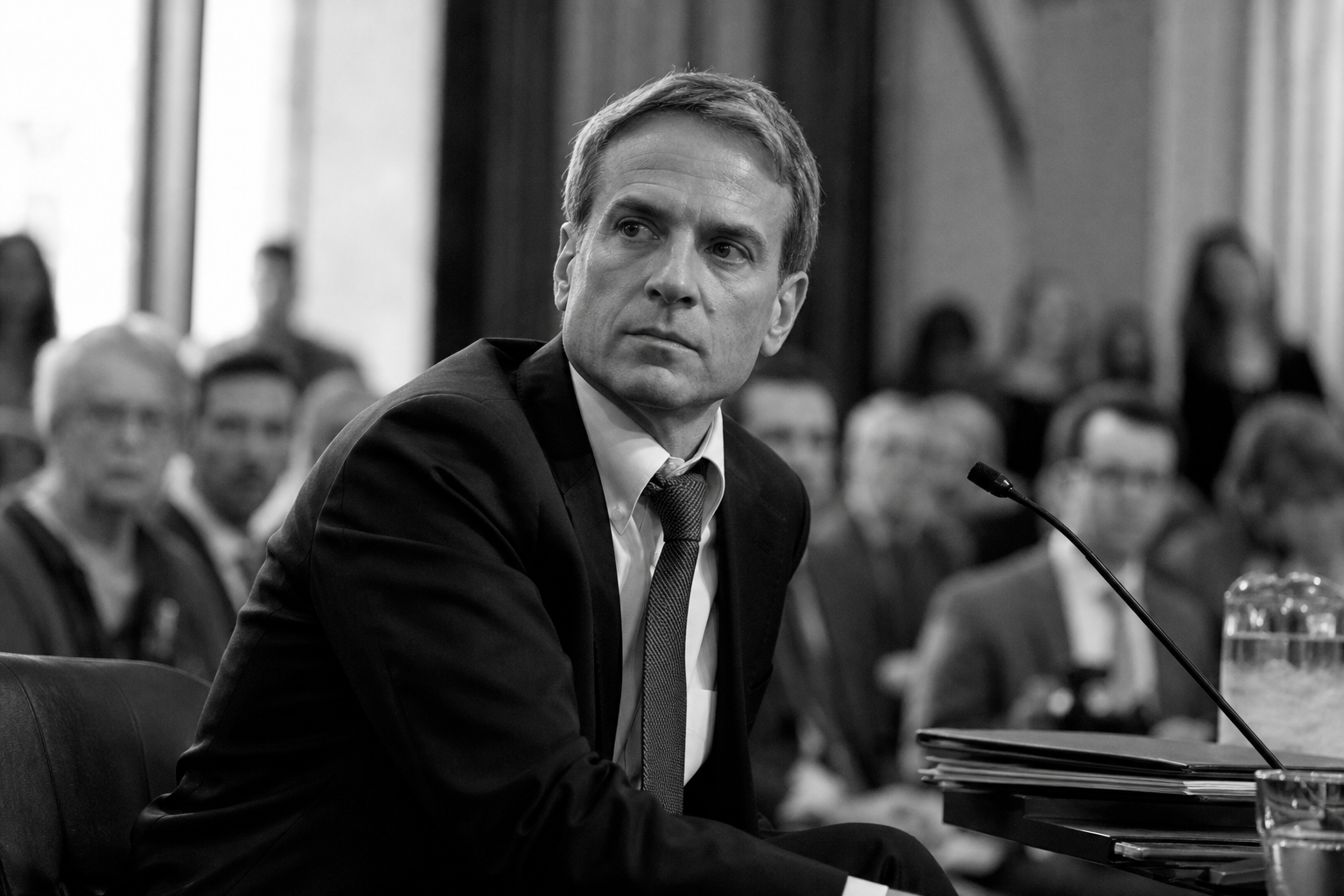
A former Deputy Assistant Secretary of Defense for Intelligence, Christopher Mellon brought an insider’s understanding of defense bureaucracy to a public campaign for closer scrutiny of military UAP reports. After leaving government, he became a prominent advocate for more candid reporting, congressional oversight, and public access to information about unidentified incidents.
That combination, experience inside the defense establishment followed by sustained engagement with journalists, lawmakers, and the public, gives Mellon an unusual role in UAP disclosure. His importance lies in identifiable actions: helping elevate attention to military-origin material, arguing that unidentified incidents can pose intelligence and aviation-safety questions, and supporting mechanisms intended to bring historical records and protected testimony into formal review.
Those contributions require careful boundaries. Official acknowledgement that an incident was recorded or remains unresolved is not evidence for a particular explanation; whistleblower allegations are not established findings; and Mellon’s assessments, however informed, are not equivalent to declassified proof. This article examines the Christopher Mellon UAP record on those terms: what he demonstrably did, how it shaped the policy conversation, and what the public evidence still cannot establish.
Christopher Mellon’s Place in the UAP Disclosure Debate
A useful checkpoint is the difference between an unresolved military report and a claim about what produced it. After military UAP footage became a major news subject in 2017, Mellon used essays, interviews, and policy discussions to translate classification, intelligence-collection, and congressional-oversight questions for a broader audience, drawing on his earlier Pentagon intelligence work.
His interventions are consequential, but not self-validating. Advocacy can identify why a service member’s report merits review, expose gaps in reporting channels, or press Congress to seek records and protect lawful testimony. It cannot establish an object’s origin, authenticate an uncorroborated account, or demonstrate that a concealed program exists.
The essential distinction is between disclosure as an accountability process and disclosure as a conclusion. The process concerns whether agencies preserve records, brief elected overseers, protect witnesses, and release information that can responsibly be made public; the All-domain Anomaly Resolution Office, created in 2022, put UAP review within a formal government structure. A conclusion that non-human intelligence is involved would require independently examinable evidence. Mellon has helped keep the first question in public view; his public advocacy does not resolve the second.
Why Mellon’s Government Background Carries Weight
The relevant checkpoint is whether a person can distinguish the office that holds a classified record from the body able to demand an account of it. Mellon’s career included senior Pentagon intelligence leadership and work connected to Senate Intelligence Committee staff. Those posts sit on different sides of the accountability system: defense offices manage collection, analysis, operations, and protected information; committee staff help members test whether agencies have provided adequate information and used authorized funds.
That background plausibly equips him to recognize why a public file can be incomplete without assuming that its contents support an extraordinary explanation. An encounter report, the sensor’s capabilities, the collecting platform, and the operational setting may reside in separate offices or classification compartments. It also illuminates bureaucratic incentives: personnel can hesitate to report unusual events, while agencies can answer broad requests narrowly unless overseers identify the records, programs, or decision-makers at issue.
The meaningful signal, then, is not simply that Mellon once held a clearance. It is his ability to frame institutional questions, who possesses relevant information, which oversight channel can seek it, and whether an acknowledged incident has been separated from an inferred conclusion.
Former service has a firm limit. Mellon is a private citizen and advocate, not an acting Pentagon spokesperson or authorized representative of current intelligence assessments. His later interpretations may be informed by experience, but they are not Defense Department findings and cannot substitute for released records, sworn testimony, or independently examinable evidence.
His Role in Bringing Navy UAP Material Into Public View
The public breakthrough turned on a chain of custody and publication, not on Mellon having witnessed an encounter. In his own account, he received copies of Navy cockpit footage from a defense contact and shared the material with journalists. The December 2017 mainstream-media reporting placed two clips alongside accounts of the Pentagon’s then-little-known Advanced Aerospace Threat Identification Program, while To The Stars Academy published and promoted the footage. Mellon’s contribution was to help move material from a restricted institutional setting into a form reporters could investigate and the public could see.
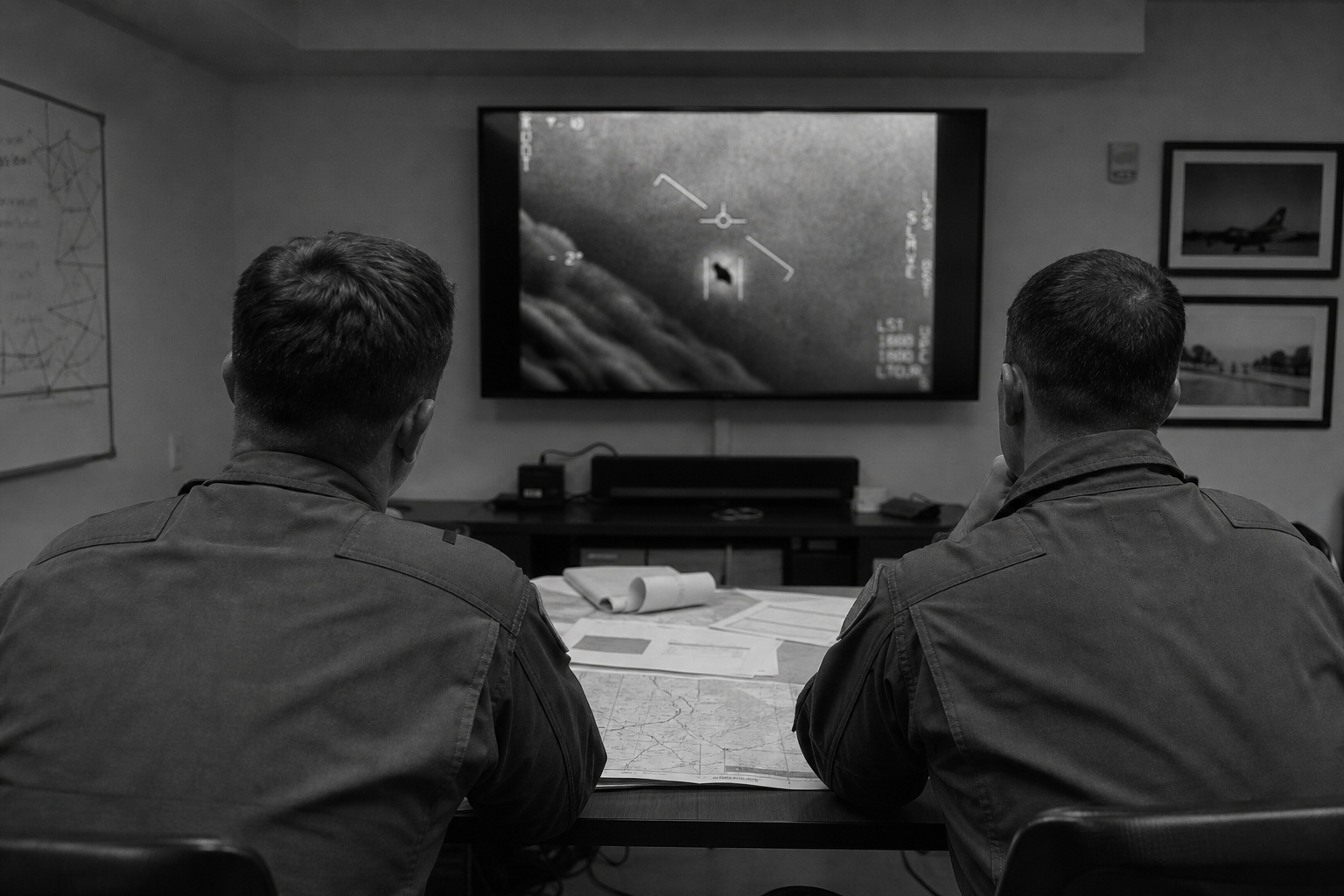
That distinction matters. The Navy UAP videos were recorded through military aircraft sensor systems during separate operations; Mellon did not operate the sensors, create the imagery, interview every aviator involved, or conduct the underlying investigations. His role was that of an intermediary and advocate who recognized the material’s public-interest value and helped facilitate reporting. The result was substantial visibility for a subject that had largely been handled inside defense channels, as well as pressure for clearer official responses.
The later Defense Department acknowledgments established a narrower point than many public discussions implied: the released clips were government-origin footage, and the department had authorized their release. That is different from an official conclusion about what the observed objects were. “Unidentified” describes the status of identification in the available record; it does not itself demonstrate an exotic craft, foreign system, sensor error, or any other specific explanation. Christopher Mellon’s UAP role in this episode therefore rests on a documented disclosure pathway, connecting material, media attention, and official acknowledgment, rather than on proving the nature of the incidents shown.
How Mellon Reframed UAPs as an Oversight and Safety Issue
That public visibility gave Mellon a platform to argue for a more disciplined question: whether the military was collecting, connecting, and reporting the information needed to assess an encounter. In a May 2019 Washington Post essay, he pointed to Navy aviators’ 2014–15 encounters off the U.S. East Coast as an intelligence and flight-safety concern. Across essays, interviews, public appearances, and conversations with reporters and policymakers, he emphasized trained observers, military sensor data, and the risk that relevant evidence could remain divided among operational, intelligence, and aviation-safety channels.
The distinction is practical. A pilot report preserves time, location, aircraft-system readings, and mission context; sensor fusion tests those details against radar, electro-optical imagery, and other collections to determine whether separate observations concern the same event. Mellon’s argument was that reporting stigma and compartmented information can leave commanders unable to distinguish an ordinary object, a sensor effect, a possible foreign capability, or a genuinely unresolved occurrence. The Navy’s April 2019 acknowledgment that it was updating guidance for aviators and other personnel to report unexplained encounters illustrated why the issue could be discussed as a reporting-and-analysis problem rather than a cultural curiosity.
Christopher Mellon and UAP transparency are thus linked to a case for accountable collection, analysis, and congressional briefings, not to a claimed final explanation. The Office of the Director of National Intelligence’s June 2021 preliminary assessment identified 144 military reports from 2004 through 2021 and noted that 80 involved multiple sensors, giving oversight institutions a concrete reason to address unidentified anomalous phenomena as an airspace and intelligence issue. That framework widened discussion inside national-security institutions, while preserving an essential limit: unverified public claims about non-human technology or concealed programs remain allegations, and an unresolved report establishes only that the available information did not yet support identification.
Mellon’s Influence on Congress and the UAP Disclosure Act Debate
Congress’s July 2023 consideration of the annual defense authorization bill gave the disclosure debate a specific legislative vehicle. Mellon acted as a private advocate, publicly supporting stronger channels for protected testimony, systematic declassification, and a historical review of compartmented UAP material; he did not exercise executive authority or hold a congressional office.
Senate Majority Leader Chuck Schumer and Senator Mike Rounds introduced the UAP Disclosure Act language as an amendment to the fiscal year 2024 National Defense Authorization Act. Mellon endorsed the Schumer UAP Disclosure Act’s central premise: agencies should identify and transfer relevant records for an organized review rather than leave potentially related material scattered across separate offices. The proposal would have created an independent UAP Records Review Board and a controlled-disclosure process, separating collection of records from decisions about continued withholding.
That separation is consequential. A records collection can require federal bodies to locate and preserve material; classification review determines whether particular information may remain protected; public release is a further step. The NDAA enacted on December 22, 2023, created a UAP Records Collection at the National Archives, but Congress removed the proposed Review Board, controlled-disclosure plan, and eminent-domain provisions during negotiations. The enacted framework therefore did not implement the original proposal in full or guarantee public access to every record.
Mellon has also pressed for credible public-interest disclosure routes for people with relevant information. Protected reporting procedures can allow current or former personnel to bring claims to authorized inspectors general, congressional committees, or designated offices without making the testimony self-proving. They do not authenticate an allegation, declassify corroborating files, or establish that an asserted program exists; those remain evidentiary questions for investigators and overseers.
The legislative record sets the boundary on claims about his influence. Public endorsement, policy arguments, and engagement with lawmakers may help sustain attention, but they do not demonstrate that Mellon wrote the amendment, controlled the final compromise, or can obtain classified archives. His documented contribution was to advocate for a durable oversight and records process, not to promise that it would validate extraordinary claims or produce unrestricted disclosure.
Mellon, David Grusch, and the Limits of Publicly Available Evidence
David Grusch brought the stakes of protected reporting into sharper public view. In sworn congressional testimony, Grusch alleged that he had been told of crash-retrieval and reverse-engineering activities involving material of non-human origin. Mellon has supported taking such allegations seriously enough to investigate through protected channels and congressional oversight, rather than dismissing them because the relevant claims may involve classified programs.
That support is not an endorsement of every conclusion drawn from Grusch’s account. A protected disclosure process is designed to let officials provide information without retaliation and to give authorized overseers a route to pursue it. It can establish that an allegation deserves examination; it does not establish that a crash-retrieval program exists, that purported non-human biologics were recovered, or that a government UFO cover-up has been proved.
The distinction is especially important because much of the David Grusch UFO testimony concerned information he said he received from others, rather than physical material or events he personally observed. Secondhand testimony can identify witnesses, documents, locations, and program names for investigators to test. It becomes stronger when those leads produce independent corroboration; it remains an allegation when the underlying evidence cannot be assessed publicly or by cleared overseers.
Moving from assertion to a defensible finding would require converging evidence: authentic records whose provenance can be established, firsthand witnesses examined under oath and compared against one another, and physical or technical data available for independent analysis. Mellon’s role has been to argue for the institutional conditions in which that testing can occur. Publicly available evidence does not establish that these extraordinary claims are verified findings, regardless of how influential his advocacy has been.
What Christopher Mellon Has, and Has Not, Changed
One measurable result is institutional: the Defense Department created the All-domain Anomaly Resolution Office in 2022, while the National Archives now maintains a UAP Records Collection under the fiscal year 2024 defense authorization law. Those mechanisms do not settle what any incident was, but they create places to report, review, preserve, and contest the release of relevant information, the procedural terrain on which Mellon has sought influence as a private advocate.
Christopher Mellon’s UFO disclosure role should not be confused with proof of a confirmed non-human presence. The 2017 publication of Navy footage, the 2021 intelligence assessment of 144 reports, and continuing records debates increased visibility and congressional scrutiny; none established an extraordinary cause. Readers assessing UAP news, including future “UFO sightings 2025” or 2026 claims, should prefer authenticated provenance, corroborating sensor context, and independently testable data over attention, testimony, or an unresolved label alone.
Mellon’s Enduring Impact on the UAP Debate
What remains is a change in the terms on which the subject is debated. Mellon helped make Navy encounters and their underlying handling a legitimate subject for major reporting, while his later interventions kept attention on whether institutions collect reports, retain relevant data, brief elected overseers, and permit protected accounts to be evaluated.
That is a meaningful but bounded legacy. It has widened the audience for UAP disclosure beyond enthusiasts to include national-security officials, aviation-risk analysts, journalists, and members of Congress. It has also made a weak response, an assertion detached from records or context, less satisfactory than a clear account of what data exist, who assessed them, and what remains classified.
The appropriate standard for the continuing debate is therefore evidentiary rather than reputational. Officially released material can establish provenance without identifying an object; credible witness testimony can justify investigation without settling the underlying allegation; and dramatic claims still awaiting corroborating records, firsthand evidence, or independently assessable technical data remain unresolved. Christopher Mellon’s UAP impact lies chiefly in pressing that distinction into public and oversight conversations, not in supplying a final answer to the phenomena themselves.
Sources
Frequently Asked Questions
-
Was Christopher Mellon a Pentagon official?
Christopher Mellon was a former Deputy Assistant Secretary of Defense for Intelligence and also worked in connection with Senate Intelligence Committee staff. He is now a private citizen and advocate, not a current Pentagon spokesperson or representative of intelligence assessments.
-
Did Christopher Mellon release the Navy UAP videos?
Mellon says he received copies of Navy cockpit footage from a defense contact and shared them with journalists, helping enable the December 2017 reporting. He did not record the footage, operate the sensors, or investigate the encounters; the Defense Department later confirmed the clips were government-origin and authorized for release.
-
What did Christopher Mellon do for UAP disclosure?
Mellon advocated for better military reporting channels, congressional oversight, preservation of records, and lawful protected testimony. He also helped elevate public attention to Navy UAP footage and framed unidentified incidents as intelligence and aviation-safety issues.
-
What does Christopher Mellon support in the UAP Disclosure Act?
Mellon supported the proposal’s goal of requiring agencies to identify and transfer relevant UAP records for organized review. The fiscal year 2024 NDAA created a UAP Records Collection at the National Archives, but Congress removed the proposed independent Review Board and controlled-disclosure plan.
-
What should you look for when evaluating claims about non-human intelligence and UAPs?
Look for authenticated records with clear provenance, corroborating sensor data, firsthand witnesses examined under oath, and technical evidence available for independent analysis. Officially released footage or unresolved reports can establish that an event was recorded, but they do not prove a non-human origin or a concealed program.