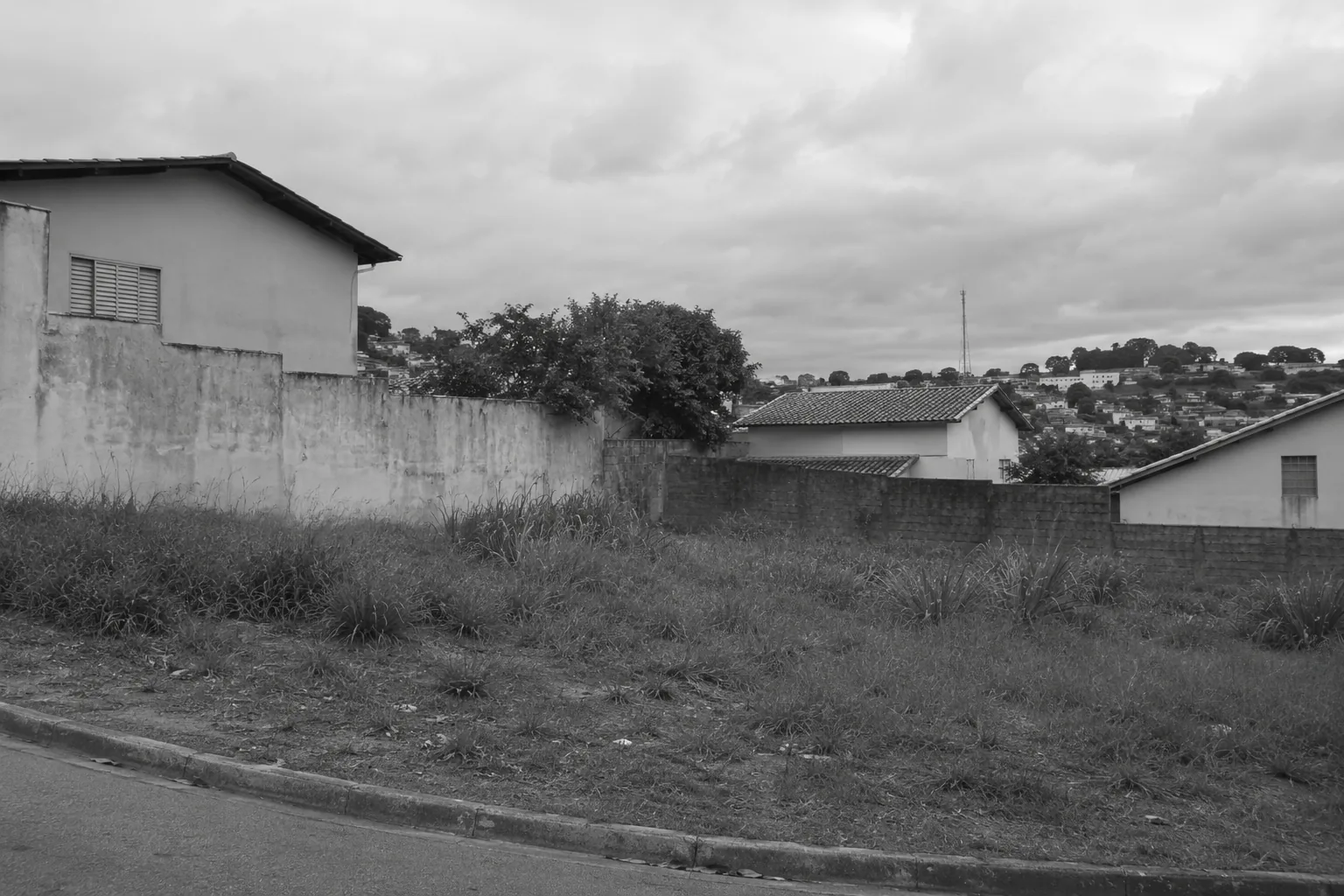
The Varginha UFO incident of 1996 centers on a January 20 report by three women in Varginha, Minas Gerais. Contemporary reporting distinguished their sighting from ufologists’ subsequent allegations of military captures. The central question is not whether the witnesses told a story, but what evidence supports the explanations attached to it.
What did the witnesses report?
Folha de S.Paulo’s August 18, 1996 account names sisters Liliane and Valquíria Silva and their friend Kátia de Andrade Xavier. It places their encounter in a vacant lot on January 20. Liliane described a crouching figure with dark, oily-looking skin and red eyes.
In a 1996 interview with UFO magazine, Liliane estimated a distance of seven to eight metres. She said she initially thought she was looking at something made of wood, then noticed an oily appearance. Valquíria described a dark-brown body and prominent veins, but said she fled rather than taking a prolonged look.
The interview preserves differences between the witnesses’ perspectives. Liliane said she noticed the figure first and alerted the others; Valquíria said Liliane and Kátia saw more than she did. It should not be read as three independent, equally detailed descriptions.
Where did the capture story come from?
The same Folha report said ufologists claimed to possess recordings of military witnesses describing two captures and transport to Campinas. It also reported denials from the Army and firefighters. The three women’s encounter was a sighting account, not their eyewitness testimony to those alleged operations.
What about aerial sightings and radar?
At a September 16, 2025 congressional hearing, ufologist Vitório Pacaccini invoked an aerial-sighting account involving the farming couple Eurico and Oralina while disputing the military explanation of Varginha. His remarks show how advocates connect aerial reports with the ground encounter; the hearing transcript is a record of his argument, not confirmation of that connection.
Neither that argument nor the women’s descriptions supplies a radar track. Eyewitness accounts and instrument records are different kinds of evidence; an aerial report alone cannot establish the origin of a figure seen on the ground.
What did the military investigate?
An Army letter dated March 11, 2010 distinguishes a preliminary inquiry opened on May 10, 1996 from an IPM opened on January 29, 1997 concerning the book Incidente em Varginha – Criaturas do Espaço no Sul de Minas. It says the earlier inquiry was incorporated into the IPM.
The court-hosted file identifies it as IPM No. 18/1997, archived as Autos Findos No. 908/1997. Its report records the police commander’s statement that no request to capture a strange creature was logged that day.
What ordinary explanations did it propose?
The inquiry report, folios 334–335, proposed a local man known as “Mudinho” as a possible misidentification. It also treated firefighter activity and Army-truck movements as ordinary events unrelated to a captured creature. These were the investigators’ explanations, not identifications made by the women.
What did the court decide?
The July 4, 1997 decision ordered the case archived, finding no indication of a crime by the book’s authors. That disposition concerned criminal allegations, not a scientific determination of every sighting.
The documented encounter, alleged captures and official explanations should therefore remain separate. For comparison with another recovery narrative, see the Kecksburg incident briefing. The site’s guide to evaluating UAP claims provides a broader reading framework.