ODNI Preliminary Assessment on UAPs (2021): 144 Military Reports Mostly Unexplained Due to Limited Data
Explore the ODNI UAP report 2021: why 143 of 144 military sightings remained unresolved, its data limits, categories, and safety concerns.
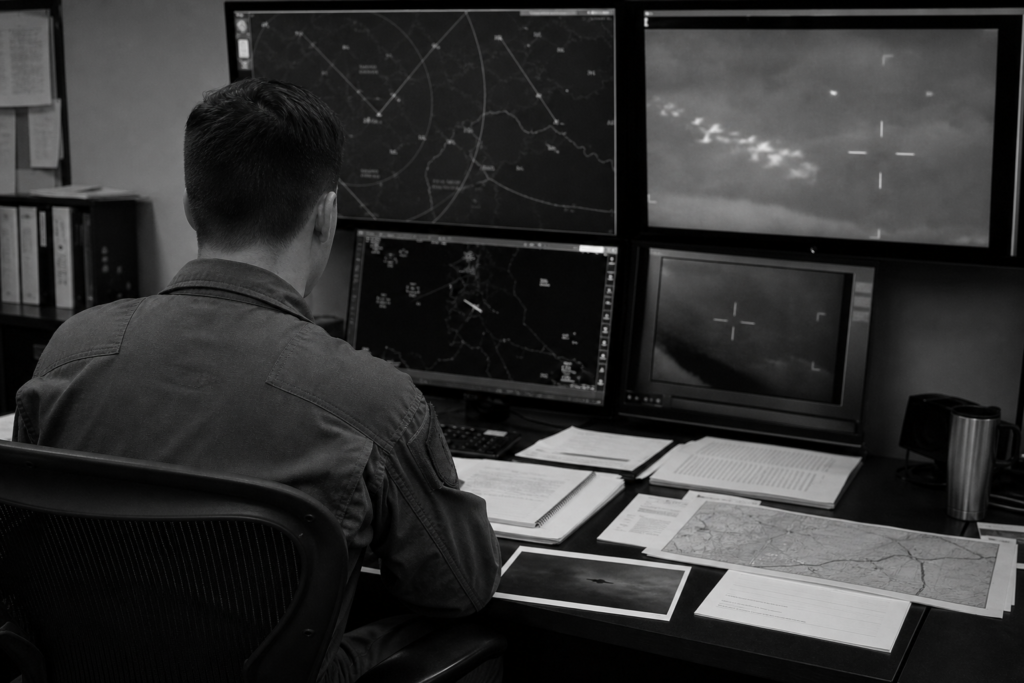
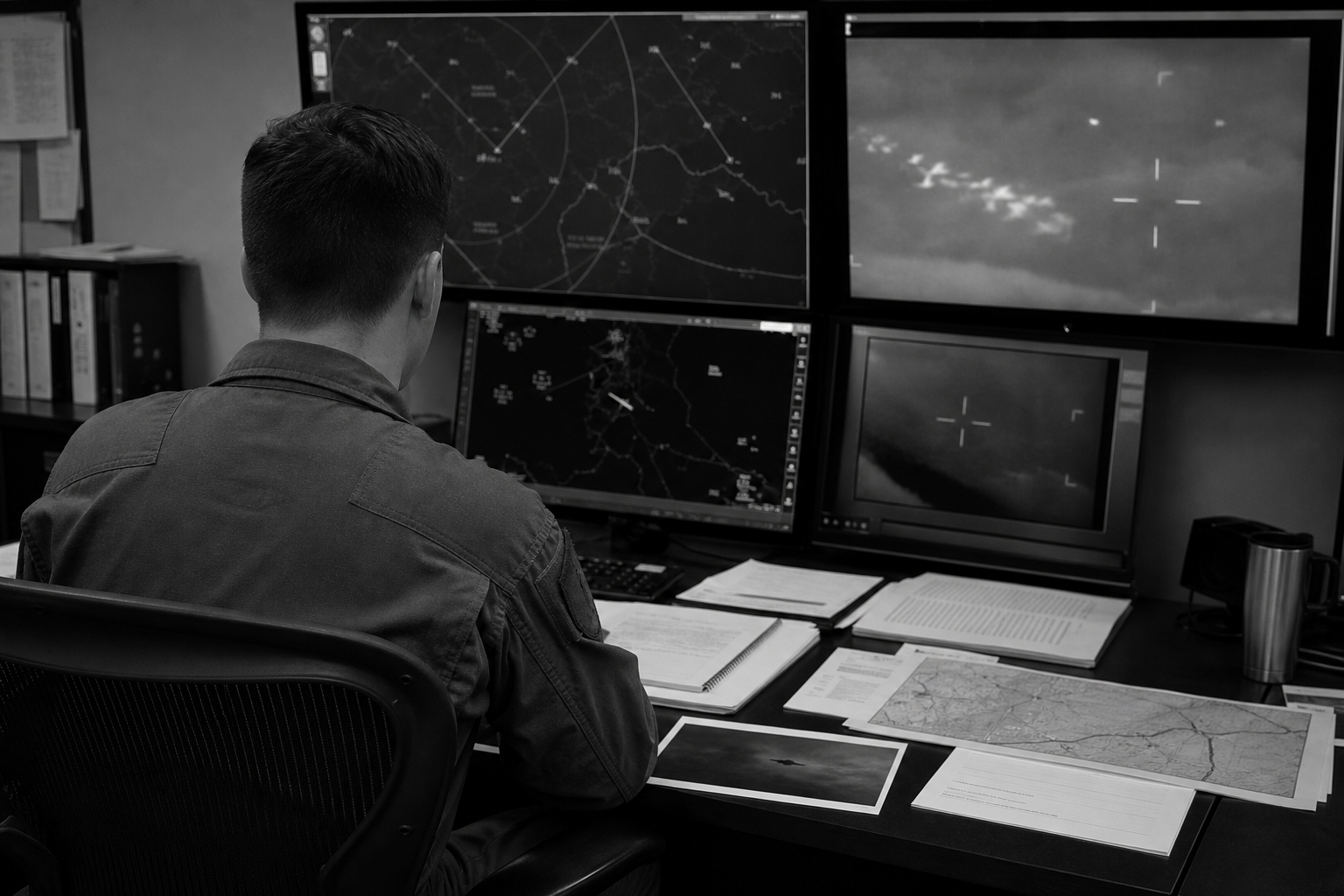
An unresolved sighting is not evidence that the object had an extraterrestrial, non-human, or otherwise extraordinary origin. It means the available record did not support a confident identification. That distinction is essential to reading the ODNI UAP report 2021: a preliminary assessment released in June 2021 that examined a defined set of military observations, not a final explanation for unexplained phenomena.
The Office of the Director of National Intelligence reviewed 144 reports from 2004 through 2021. One reported object was identified with high confidence as a large, deflating balloon; the others were generally not characterized reliably because the information varied in quality and completeness. A pilot’s visual account, radar return, infrared image, or several sensors observing the same event can each add useful evidence, but none automatically establishes what an object was or what it could do.
The assessment used five broad analytical categories, ranging from airborne clutter and natural phenomena to U.S. developmental programs, foreign systems, and an “other” bin, to organize future investigation, not to assign settled explanations. Its practical concern was equally grounded: unidentified objects near military operations can present flight-safety issues and, in some circumstances, national-security questions. The report’s central lesson was therefore about better reporting and collection: uncertainty narrows when observations are consistent, sensor coverage is adequate, and analysts have enough context to test competing explanations.
What the June 2021 ODNI Preliminary Assessment Was, and Was Not
Published on June 25, 2021, the preliminary assessment was an intelligence product rather than a disclosure narrative. The Office of the Director of National Intelligence prepared it in consultation with the Department of Defense and the Unidentified Aerial Phenomena Task Force (UAPTF), the Defense Department group then tasked with improving the collection and analysis of such incidents. Its subject was unidentified aerial phenomena reported by U.S. government sources, not every civilian UFO account, historical claim, or alleged recovered material.
“Preliminary” matters here. The document was designed to describe the information available to analysts, identify gaps that prevented firmer judgments, and outline a framework for sorting future cases. It did not announce that the remaining reports shared a single cause, nor did it determine that any represented alien craft, non-human intelligence, or a particular foreign system. A reported observation can be genuine while its identity, distance, speed, or behavior remains uncertain when the underlying record lacks the sensor coverage and contextual information needed to test alternatives.
The assessment therefore belongs in the narrower category of a government evaluation of reporting quality and analytical limits. Its conclusions should be read as a baseline for more systematic collection: what was observed could not always be confidently characterized, and better data, not speculation filling the gaps, was the stated path toward resolving more cases.
The 144 Military UAP Reports: Timeframe, Sources, and What Was Reviewed
The dataset was bounded by time and provenance. ODNI reviewed 144 UAP military reports made between 2004 and 2021, drawn from U.S. government sources and largely involving military aviators. The assessment also noted that most of those reports arrived during the final two years of the period, a pattern consistent with the growing emphasis on formalizing UAP reporting rather than evidence that the underlying phenomenon necessarily began only then.
A “report” in this count means an observation or incident record submitted for review. It is not the same thing as a fully verified, distinct physical object. One record might include a pilot’s visual account, a sensor return, or both; another might preserve only partial information about what was seen and under what conditions. The 144 UAP military reports therefore measure the cases available to analysts, not 144 confirmed vehicles or 144 independently established events.
The difference matters when reading claims about UAP sightings. A strong record can combine observations from more than one sensor and supply useful context such as time, location, and operating conditions. A weak record may leave key questions unanswered: whether separate observations concerned the same object, how reliably its position could be determined, or whether an ordinary explanation could be tested. The assessment’s review population was consequently a defined body of military and government incident reporting, not a census of public UFO claims.
One Case Was Provisionally Identified; the Rest Were Not Reliably Characterized
Only one entry crossed the assessment’s threshold for a specific identification. ODNI reported that the UAP Task Force identified one reported object with high confidence as a large, deflating balloon. That was a case-specific finding, not a claim that balloons explained the rest of the review population.
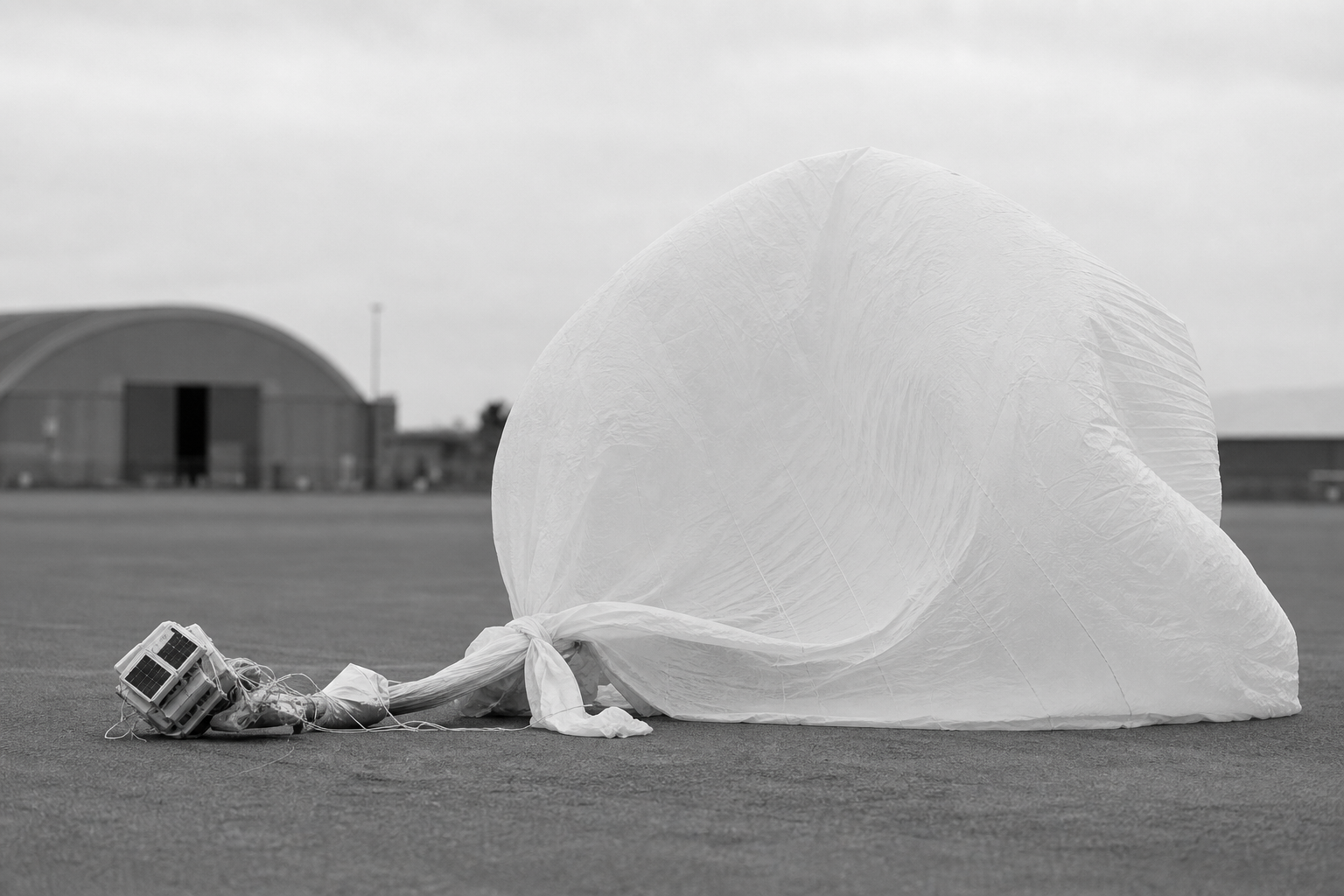
Subtracting that one identified report from the 144 reviewed incidents that remained largely uncharacterized leaves 143 that the preliminary assessment did not reliably characterize. “Unresolved” describes the state of the evidence: analysts could not confidently determine what those reported objects were from the information then available. It does not elevate each case into proof of extraordinary technology, extraterrestrial craft, non-human intelligence, or a foreign adversary’s system.
The distinction between an identification and a non-identification is the report’s central discipline. A confident identification ties an observation to a particular object or phenomenon, as the balloon determination did. A non-identification leaves competing possibilities open because the available record cannot discriminate among them. The 2021 UAP preliminary assessment therefore reported a substantial analytical gap, not 143 confirmed mysteries with a single implied explanation.
Its five explanatory categories should be read in that same light. They were working bins for future analysis, including ordinary airborne clutter, natural atmospheric phenomena, U.S. developmental programs, foreign adversary systems, and a residual “other” category. Assigning a report to none of those categories at that stage did not establish that it belonged to the last one; it meant the assessment lacked a sufficiently reliable basis to assign it at all.
Why Most Reports Remained Unresolved: Limited, Inconsistent, and Uneven Data
The obstacle was not simply that some incidents were difficult to label. The assessment described a reporting environment in which observations had often been collected inconsistently, without a standardized process designed to preserve the same contextual details from case to case. That makes comparison difficult: an analyst needs to know not only what a crew saw, but when and where it occurred, which systems recorded it, how those systems were configured, and whether separate records describe the same object.
ODNI noted that 80 of the 144 reports involved observation with multiple sensors. That is potentially valuable because different systems capture different kinds of information. Radar can register range, direction, and changes in position; electro-optical systems record imagery in visible light; infrared systems detect heat-related contrast. Agreement across such systems can strengthen an observation. But “multiple sensors” does not mean every system produced a complete, synchronized, or equally clear record. A radar track without adequate imagery, or imagery without reliable range and contextual data, may establish that something was detected while still falling short of identifying its source or character.
Operational conditions further complicate interpretation. Military aircrews and sensor operators work in fast-moving environments, where an observation may be brief, distant, partly obscured, or recorded from shifting vantage points. Apparent speed, size, altitude, or maneuver can be hard to infer when distance, viewing angle, atmospheric conditions, and sensor behavior are not fully resolved. Sensor data can document an event without independently establishing the physical capabilities of the object that prompted it.
The preliminary assessment therefore called for more consistent reporting and better collection. Its practical distinction is straightforward: a strong case contains comparable, time-linked information from several sources and enough surrounding context to test alternatives; a weak case may contain a real observation but too little usable detail to separate airborne clutter, atmospheric effects, technical artifacts, or other possibilities. The resulting uncertainty was an analytical limitation, not a finding that every unresolved report shared one cause.
ODNI’s Five Potential Explanatory Categories
The five categories functioned as an analytical sorting framework: they identified explanations investigators should be prepared to test, rather than conclusions already attached to individual reports. “Airborne clutter” covered familiar objects that can appear anomalous under particular viewing or sensor conditions, including birds, balloons, recreational unmanned aircraft systems, and debris. “Natural atmospheric phenomena” covered effects such as ice crystals, moisture, or thermal fluctuations that may produce unusual visual or sensor signatures.
Two categories addressed human-made systems with different implications. U.S. government or industry developmental programs referred to the possibility that an observation involved a domestic test, prototype, or classified activity; the assessment noted that available information did not permit confirmation of that explanation for a report. Foreign adversary systems covered the possibility that a reported object represented a platform or technology fielded by another country. This was a possibility to investigate, not a determination that any reviewed object was foreign equipment.
The final category, “other,” was not shorthand for alien technology or a verified unknown craft. It was a residual bin for cases that could not be placed confidently in the first four categories and that might require additional scientific knowledge to characterize. In practical terms, the category preserved uncertainty instead of forcing a premature label. That restraint is easily lost in UFO news coverage: an object can remain in “other” because the record cannot distinguish among ordinary clutter, atmospheric effects, sensor interpretation problems, or less common explanations, not because analysts established an extraordinary one.
Why the Assessment Treated UAPs as a Flight-Safety and National-Security Data Problem
Military training ranges and other restricted airspace change the significance of an unidentified observation. An object whose identity, origin, or intent is unclear can complicate aircrew decisions and create a flight-safety concern, particularly when it appears near aircraft operating at speed or during demanding training activity. The issue is not that every report represents a physical hazard; it is that personnel cannot assess separation, intent, or risk reliably when the available information is incomplete.
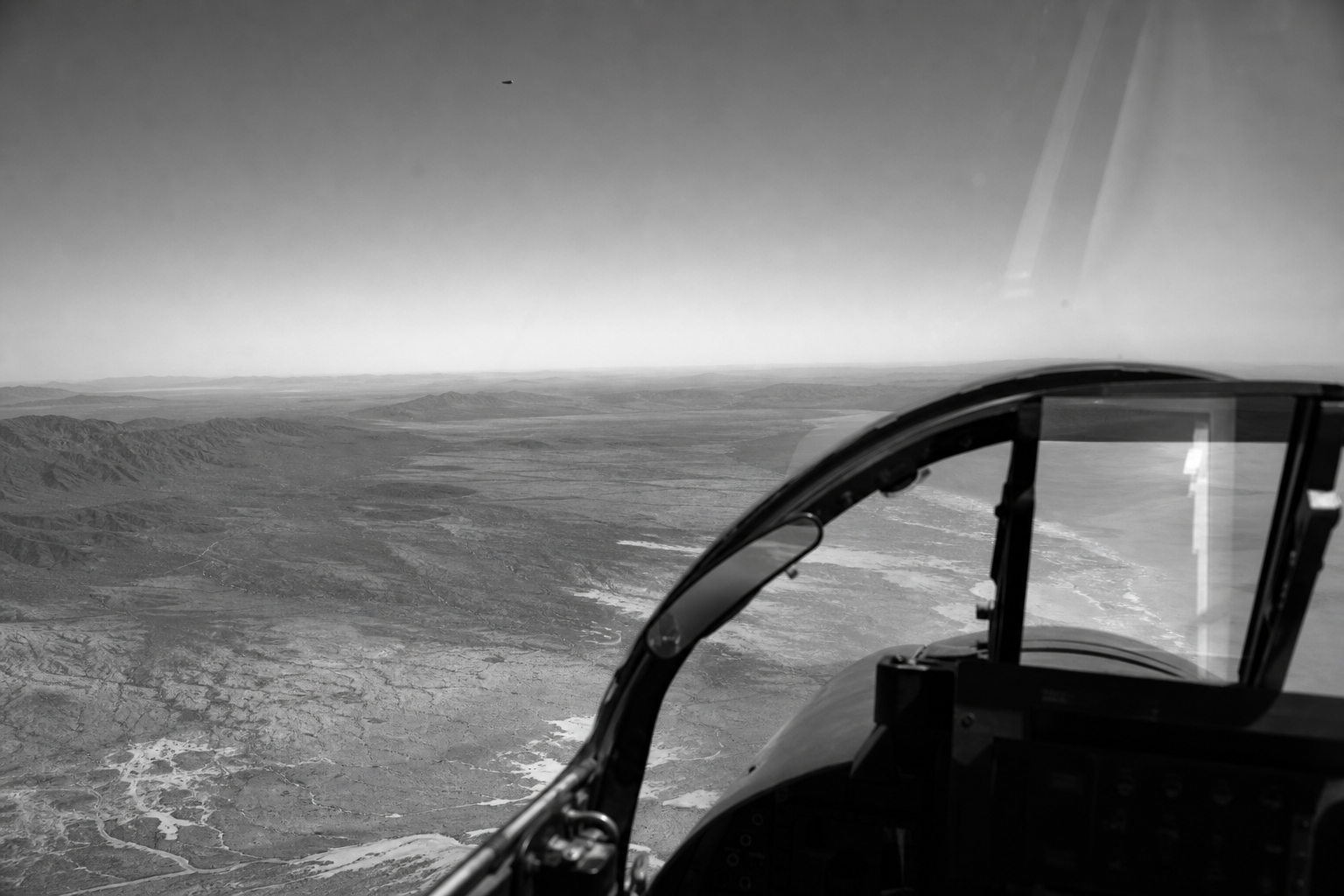
The ODNI assessment also treated such incidents as a potential national-security and counterintelligence matter. An unknown object near sensitive operations could, in principle, be ordinary clutter, a domestic activity, or a foreign collection platform. Those possibilities require different responses, but none can be responsibly distinguished from a thin or poorly preserved record. Unknown source and unknown purpose are therefore risk-assessment problems, not evidence that a report describes extraordinary technology.
Its institutional recommendation followed directly from that gap: establish more consistent reporting, standardize the data collected, and strengthen analysis. A useful report links the observation to time, location, aircraft activity, sensor records, and relevant environmental conditions; a weak report may preserve only an impression or fragmentary track. By making reports comparable and retaining more sensor context, the Defense Department could identify routine explanations faster, recognize recurring hazards, and investigate the smaller set of incidents that still warranted attention.
What the 2021 Report Does Not Settle, and How It Differs From Later UAP Work
The assessment’s silence is as important as its findings. It did not determine that any reviewed object was alien, evidence of non-human intelligence, a recovered craft, or proof of a government UFO cover-up. Nor did its residual “other” category establish any of those propositions. That category marked cases needing more information or potentially additional scientific understanding; it was not a finding about origin, intent, or capability.
Readers should also keep the document in its institutional and chronological lane. This was a UAP Task Force-era preliminary assessment of 144 military reports from 2004 to 2021, not the later AARO framework and mandate, later annual public reporting, or congressional testimony. Those later materials may raise different questions, use different datasets, or describe subsequent investigative work, but they cannot retroactively add conclusions to the June 2021 assessment. Claims associated with alien disclosure or crash-retrieval allegations were outside the report’s stated review.
Its actual record was narrower: one object was identified with high confidence as a large, deflating balloon, while the remaining cases generally lacked sufficient information for reliable characterization. The enduring takeaway is straightforward: unresolved is a data-status conclusion, not an extraordinary-origin conclusion.
The Key Takeaway From the 2021 ODNI Assessment
A practical checkpoint is whether a case record permits alternatives to be tested. Across the 144 military reports reviewed from 2004 to 2021, the assessment found that available material generally did not permit reliable characterization; only one object received a specific identification. That result does not turn unresolved UAP cases into evidence for any particular origin, technology, or actor.
The five explanatory categories were therefore hypotheses to test, not a scorecard of settled answers. Better reporting changes what analysts can do: time-linked sensor records, location and flight-context information, and consistent incident reports make it possible to compare observations and eliminate alternatives. The ODNI UAP report 2021 framed that collection problem as relevant to flight safety and national security, while calling for standardized reporting and stronger analysis.
Its conclusion should remain bounded to that June 2021 review. Later investigations and public claims may concern different evidence, but they do not alter what this assessment established: one identified object, many records too limited or uneven to resolve, and a practical need for better data rather than speculation.
Frequently Asked Questions
-
What did the 2021 ODNI UAP report say about the 144 cases?
ODNI reviewed 144 U.S. government and military UAP reports from 2004 through 2021. It identified one object with high confidence as a large, deflating balloon, while the other 143 reports generally lacked enough information for reliable characterization.
-
Did the 2021 ODNI UAP report confirm aliens?
No. The June 2021 preliminary assessment did not conclude that any report involved alien craft, non-human intelligence, extraordinary technology, or a specific foreign system.
-
Why were most military UAP reports unresolved in 2021?
Most reports had limited, inconsistent, or incomplete data, making it difficult to test competing explanations. Observations could be brief or lack synchronized sensor records, reliable distance data, environmental context, or flight information.
-
What were the five UAP categories in the 2021 ODNI assessment?
The five analytical categories were airborne clutter, natural atmospheric phenomena, U.S. government or industry developmental programs, foreign adversary systems, and other. They were investigation categories for testing explanations, not final labels assigned to individual cases.
-
What should investigators look for to identify a UAP more reliably?
Investigators should seek time-linked records from multiple sensors, including radar, visible-light imagery, and infrared data, along with location, aircraft activity, and environmental conditions. ODNI noted that 80 of 144 reports involved multiple sensors, but multi-sensor coverage still needed complete and consistent context to support identification.