David Fravor Recounts 2004 Nimitz ‘Tic Tac’ Encounter and Sensor Corroboration in 2023 Congressional Hearing
Learn what David Fravor said in the 2023 congressional hearing about the Nimitz Tic Tac, radar reports, FLIR1 footage, and unanswered questions.


The July 26, 2023 House Oversight hearing returned the 2004 USS Nimitz “Tic Tac” episode to public view when retired U.S. Navy Cmdr. David Fravor described the encounter under oath. Fravor was not offering a theory of what the object was; he was recounting what he and fellow aviators experienced during a training deployment.
This account separates evidence that is often compressed into a single story. Fravor’s testimony concerns a firsthand visual encounter. Reports associated with the broader incident include radar observations from the USS Princeton, accounts from other personnel, and the later FLIR1 recording made by a different Navy crew. Those categories can reinforce the importance of an event, but they do not carry the same evidentiary weight or document the same moment.
“UAP,” the current U.S. government term for unidentified anomalous phenomena, describes an object or event not yet identified; it does not establish origin, technology, capability, or intent. The following review of the David Fravor 2023 congressional hearing therefore follows the public record carefully: what Fravor said he saw, what sensor-related observations were reported, how the video fits the sequence, and why the Nimitz Tic Tac encounter remains unidentified rather than conclusively explained.
What David Fravor’s 2023 Congressional Testimony Did, and Did Not, Establish
The hearing record places Fravor in the role of a fact witness: a retired Navy commander describing an operational event he experienced in 2004 and the reporting culture he believes can discourage aviators from raising unusual encounters. At the July 26, 2023 hearing of the House Committee on Oversight and Accountability, formally titled “Unidentified Anomalous Phenomena: Implications on National Security, Public Safety, and Government Transparency,” he appeared alongside former Navy pilot Ryan Graves and former intelligence official David Grusch.
That distinction matters. Fravor could testify directly about what he saw and did during the Nimitz episode, and he could recount information relayed to him about related activity. He was not presenting an instrument-data analysis, a formal Pentagon identification, or a forensic finding about the object’s construction. A firsthand account is strong evidence of a witness’s reported experience; it is not, by itself, proof of an object’s origin or performance limits.
Nor did the hearing issue a finding that the “Tic Tac” was non-human technology. Its UAP disclosure and oversight focus concerned reporting, transparency, and possible national-security implications. The public record preserves an unresolved incident, not a confirmed explanation, a boundary that remains essential when weighing later discussion of radar reports and video.
What Fravor Said He Personally Saw During the 2004 Tic Tac Encounter
Fravor’s account begins with a routine training mission involving the USS Nimitz Carrier Strike Group in November 2004. He testified that he was flying an F/A-18 with a weapons systems officer when the cruiser USS Princeton directed his flight toward an area of interest. A second Navy F/A-18 crew was also involved. That direction is part of the incident’s setting, not something Fravor presented as his own radar observation.
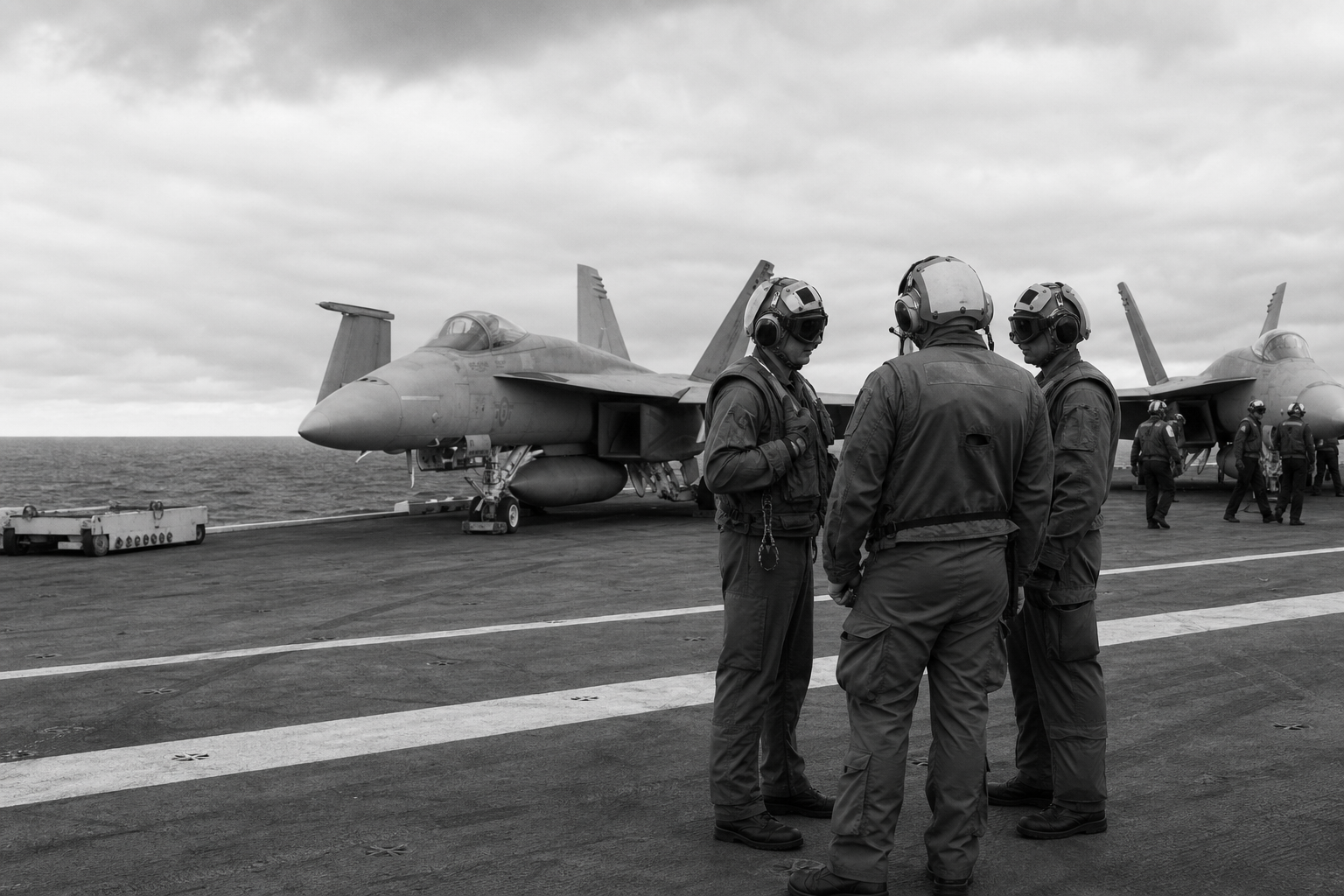
Upon arriving, Fravor described seeing a patch of disturbed, foaming water that looked, in his words, like a “whitewater” area. Above it, he said, was a white, oblong object with the appearance of a Tic Tac candy. In his David Fravor Tic Tac testimony, the visual description was notably specific: he described a smooth white shape without visible wings, rotors, exhaust, or conventional control surfaces. Those are observations about its apparent appearance from his aircraft, rather than proof of what the object was made of or how it functioned.
Fravor said he maneuvered his F/A-18 downward toward the object while it moved in a manner he found unusual. He described it as reacting to his approach and then departing rapidly from view. His account is the basis for many retellings of extraordinary acceleration or maneuverability, but an important distinction remains: Fravor personally saw an object move and disappear from his view; conclusions about its exact speed, acceleration, propulsion, or intent require measurements and analysis beyond a pilot’s visual impression.
The 2004 Nimitz Tic Tac encounter therefore contains a visual sequence that can be stated plainly without inflating it. Fravor and the other aviators were directed to an area, Fravor saw the water disturbance and the white oblong object, and he attempted an intercept. The object’s identity remained unknown to him. The later FLIR1 recording and reported shipboard sensor activity belong to the broader episode, but they were not the same thing as Fravor’s direct visual sighting.
How Radar, Other Witnesses, and Military Systems Fit Into the Broader Incident
The broader account includes more than the cockpit observations, but its components do not carry the same evidentiary weight. Fravor was a direct witness to the visual intercept. Reports of earlier radar activity came from personnel associated with the USS Princeton, the cruiser that directed the fighters toward the area.
Those accounts have linked unusual contacts to the ship’s AN/SPY-1 radar, a phased-array system designed to detect and track objects over a wide area for air-defense operations. In practical terms, radar tracks and visual observations can provide a time-and-location record distinct from what a pilot sees through a canopy. They can support the proposition that operators detected something warranting attention; by themselves, however, they do not establish the tracked object’s identity, precise performance, or cause.
Former Princeton personnel have publicly described observing anomalous contacts before the fighter intercept and attempting to assess whether the returns reflected a real object, a system issue, or another explanation. That reported operational context helps explain why Fravor’s flight was sent to investigate. It remains different from a publicly released archive of raw sensor data: the underlying radar returns, processing settings, and full contemporaneous logs have not been made available in the public record for independent analysis.
Other aviators also form part of the incident record. Fravor’s account involved a second F/A-18 crew, while later accounts describe additional naval personnel encountering or attempting to observe the object through airborne systems. Such overlap matters because independent observers and systems can reduce the chance that the episode rests on one person’s perception alone. It does not turn separate recollections and reported detections into a single, fully reconstructed measurement set.
The useful distinction is between a strong pattern of reported corroboration and a definitive technical conclusion. Witness testimony, reported shipboard radar activity, and later airborne observations can collectively support the view that an unexplained operational event occurred. They do not, on the public evidence, demonstrate a confirmed origin, propulsion method, intent, or extraordinary capability. The FLIR1 recording belongs to that wider chain of events, but its separate timing and evidentiary limits require their own examination.
Why the FLIR1 Video Is Related to, but Not the Same as, Fravor’s Visual Sighting
The video most often paired with Fravor’s testimony comes from a later flight, rather than from the visual intercept he described to Congress. Fravor and the other aviators returned from their earlier encounter without recording the scene from their cockpit; a subsequent Navy F/A-18 crew was directed to investigate, and its encounter produced the clip generally called the FLIR1 video.
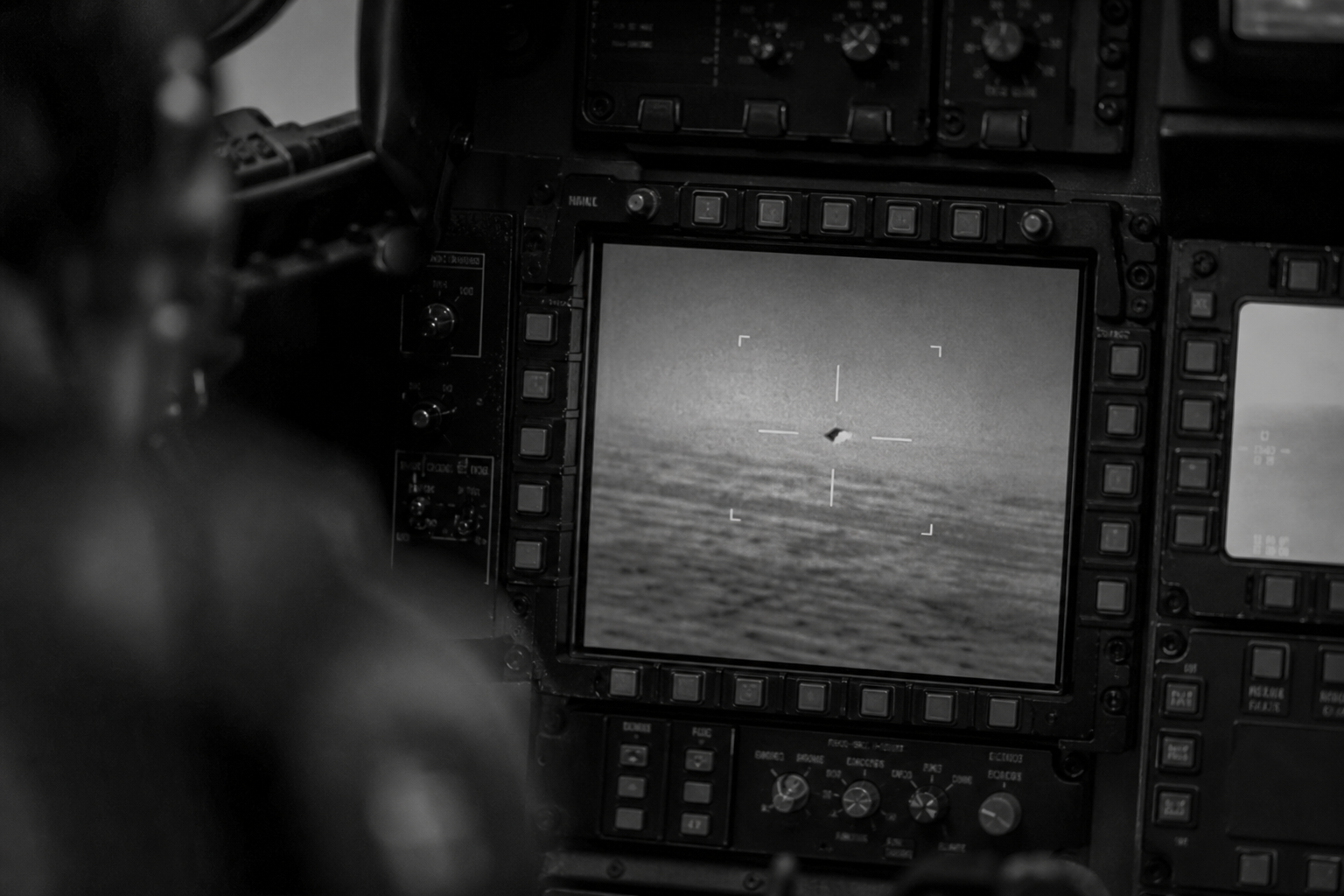
Public accounts of that later sortie associate aviator Chad Underwood with the recording. That sequence matters: the video is connected to the same broader Nimitz episode and investigation, but it is not Fravor’s personal footage, nor does it depict the exact close-range maneuvering event he recounted. Treating it as if it were collapses two separate observations into one.
FLIR1 is imagery from a forward-looking infrared sensor, which renders differences in infrared energy as a monochrome image rather than providing an ordinary daylight camera view. The short clip shows a small airborne object through the aircraft’s targeting display, along with changing on-screen symbology as the crew attempts to maintain the sensor’s track. It supplies a recorded instrument view of a later contact; it does not, by itself, disclose the object’s size, range, speed, construction, or origin.
The Department of Defense formally released the footage in 2020 as one of three Navy videos showing unidentified aerial phenomena. Formal release established that the video was authentic government material, not that the object had received an extraordinary explanation. Its value lies in preserving a separate piece of the Nimitz UAP footage record that can be compared with witness accounts and reported sensor activity while retaining its own limits.
The strongest reading is therefore chronological and evidentiary: Fravor’s testimony concerns his firsthand visual sighting, while FLIR1 records a later crew’s infrared encounter during the wider event. Their relationship adds context, but it does not make the recording a personal video confirmation of every detail Fravor described.
What the Hearing and AARO’s Public Record Say About Identification
The hearing’s published title sets the institutional boundary: “Unidentified Anomalous Phenomena: Implications on National Security, Public Safety, and Government Transparency.” On July 26, 2023, the House Oversight panel heard from Fravor, Ryan Graves, and David Grusch, but it did not conduct a formal adjudication of the 2004 Nimitz object’s identity or issue a finding identifying the Tic Tac.
That distinction changes how to read the Nimitz UAP congressional hearing. A congressional hearing can create a public record on pilot reporting, aviation safety, classification, oversight, and transparency without serving as a technical reconstruction of a two-decade-old incident. The proceeding did not present a complete body of raw USS Princeton radar data, aircraft mission records, and classified collection for a formal case determination. Testimony can warrant scrutiny while an object remains unidentified.
AARO, the Defense Department office that analyzes unidentified anomalous phenomena, has a different role from Congress. Its public reports distinguish between cases resolved through available information and cases left unresolved because the available data cannot support a reliable identification. In that framework, “unidentified” describes the evidentiary status of a case; it is not a determination that the object was advanced foreign technology, a novel vehicle, or non-human intelligence.
The public record does include concrete official actions. The Department of Defense released FLIR1 in 2020 as Navy footage of an unidentified aerial phenomenon, while AARO has published broader reviews of historical UAP-related claims. Those actions acknowledge government material and investigations associated with this subject area, but they do not authenticate every reported Princeton radar detail or establish the Nimitz object’s origin, performance, or intent.
AARO’s 2024 historical report said it found no verifiable evidence that any U.S. government investigation had confirmed extraterrestrial technology. That conclusion does not identify the Nimitz object as ordinary, either. The narrower public-record result is an incident involving Fravor’s firsthand account, reported shipboard radar activity, and a later infrared recording, an important evidentiary pattern, but not a confirmed non-human explanation.
Why the Nimitz Case Remains Important Without a Final Answer
The value of the Nimitz record lies in keeping each evidentiary strand in its proper lane. Fravor’s July 26, 2023 sworn testimony addressed what he personally saw during the 2004 visual encounter. Additional personnel offered accounts of the broader episode; former USS Princeton personnel have described associated radar contacts; and FLIR1 is a separate infrared recording from a later intercept. Together, those strands describe an event reported by more than one observer and system, but they are not interchangeable forms of proof.
That distinction is why David Fravor’s UFO testimony retains an unusual place in UAP news. Firsthand recollection records a witness’s experience. Radar reports can indicate tracked returns, while infrared footage preserves a limited sensor view. Neither category, alone or combined in the public record, identifies the object’s origin, propulsion, capability, or intent. The Nimitz event is among the most discussed military UAP cases because its record is layered, not because it supplies a final answer.
The same discipline applies when assessing new UFO sightings 2025 or UFO sightings 2026 claims: start with the original hearing record, the Defense Department’s video-release context, and AARO’s public materials, then separate an original file or contemporaneous account from later retellings and interpretation. A strong claim preserves provenance, timing, and limits; a weak one treats an unresolved label as a conclusion. This approach also informs official attention on UAP intercepts and reporting since 2004.
What Fravor’s Testimony Means for the Nimitz Case
Read as an evidentiary record rather than a single anecdote, the July 26, 2023 House hearing gave the Nimitz incident its clearest public lesson: a trained witness’s sworn recollection deserves to be preserved, but it must remain distinct from later interpretation. David Fravor described his own visual encounter; accounts from other personnel add context; reported Princeton radar activity concerns a separate tracking layer; and FLIR1 is a later infrared recording from another crew.
Those categories matter because they answer different questions. Visual testimony describes what aviators perceived in the moment. Radar reports can support that personnel detected unusual returns, while infrared video records a sensor’s limited view during a later intercept. Together, they make the Nimitz incident more substantial than an unsupported sighting report. They do not publicly establish a single object across every observation, nor do they demonstrate its origin, propulsion, performance, or intent.
The David Fravor 2023 congressional hearing therefore reinforced the case for credible military reporting and meaningful UAP oversight: military personnel need channels to report unusual operational encounters without pre-judging the result. Its central limit is equally important. The public record still leaves the Tic Tac unidentified; the hearing did not provide a final identification for the object.
Frequently Asked Questions
-
What did David Fravor testify about the Tic Tac UFO at the 2023 congressional hearing?
At the July 26, 2023 House Oversight hearing, retired Navy Cmdr. David Fravor described his 2004 visual encounter during the USS Nimitz training deployment. He said he saw disturbed whitewater and a smooth white, oblong object with no visible wings, rotors, exhaust, or control surfaces.
-
What sensor evidence was associated with the 2004 Nimitz UAP incident?
Personnel associated with the USS Princeton reported unusual contacts on its AN/SPY-1 phased-array radar before fighters were directed to investigate. The public record does not include raw radar returns, processing settings, or complete contemporaneous logs for independent analysis.
-
Did David Fravor personally record the Tic Tac object on video?
No. Fravor and the other aviators returned from their visual encounter without recording it from their cockpit. The commonly circulated FLIR1 clip was recorded during a later intercept by another Navy F/A-18 crew, publicly associated with aviator Chad Underwood.
-
What is the difference between the Nimitz Tic Tac encounter and the FLIR1 video?
Fravor’s Tic Tac encounter was a firsthand visual sighting during an earlier 2004 intercept, while FLIR1 is a later forward-looking infrared recording from a separate Navy crew. FLIR1 shows a small object on a targeting display but does not independently establish its size, range, speed, construction, or origin.
-
How should you evaluate claims that the Nimitz Tic Tac was non-human technology?
Separate Fravor’s visual testimony, reported USS Princeton radar activity, other witness accounts, and the later FLIR1 recording because they document different observations. The July 26, 2023 hearing did not identify the object, and AARO’s 2024 historical report found no verifiable evidence that any U.S. government investigation had confirmed extraterrestrial technology.