Commander David Fravor Describes 2004 USS Nimitz ‘Tic Tac’ Encounter
Explore the Commander David Fravor Tic Tac encounter, witness accounts, FLIR video, and what the 2004 Nimitz evidence can prove.
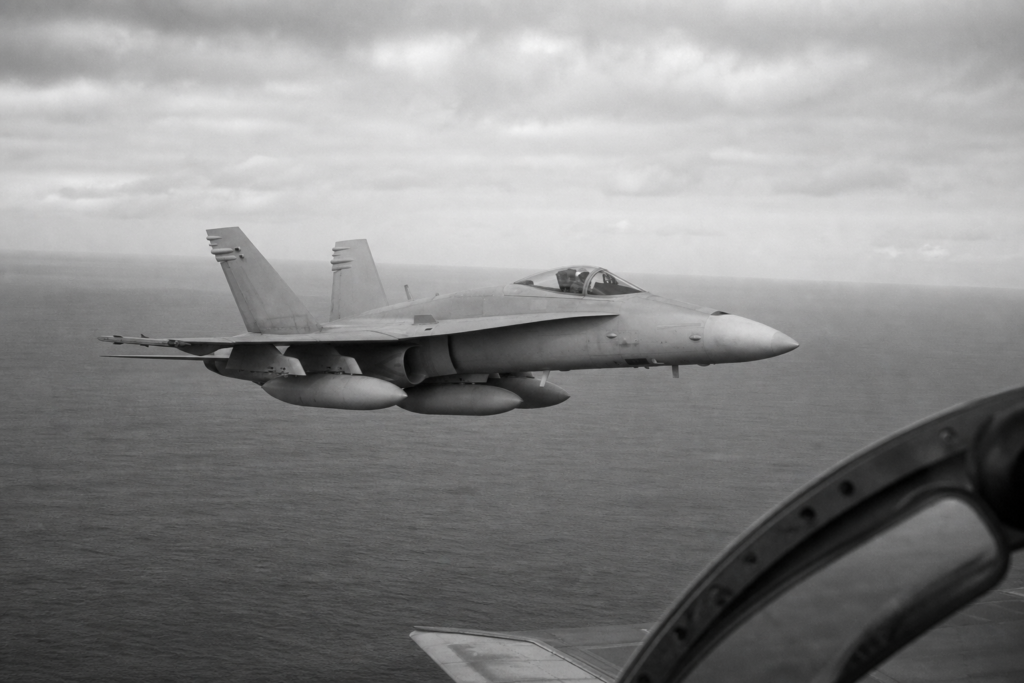
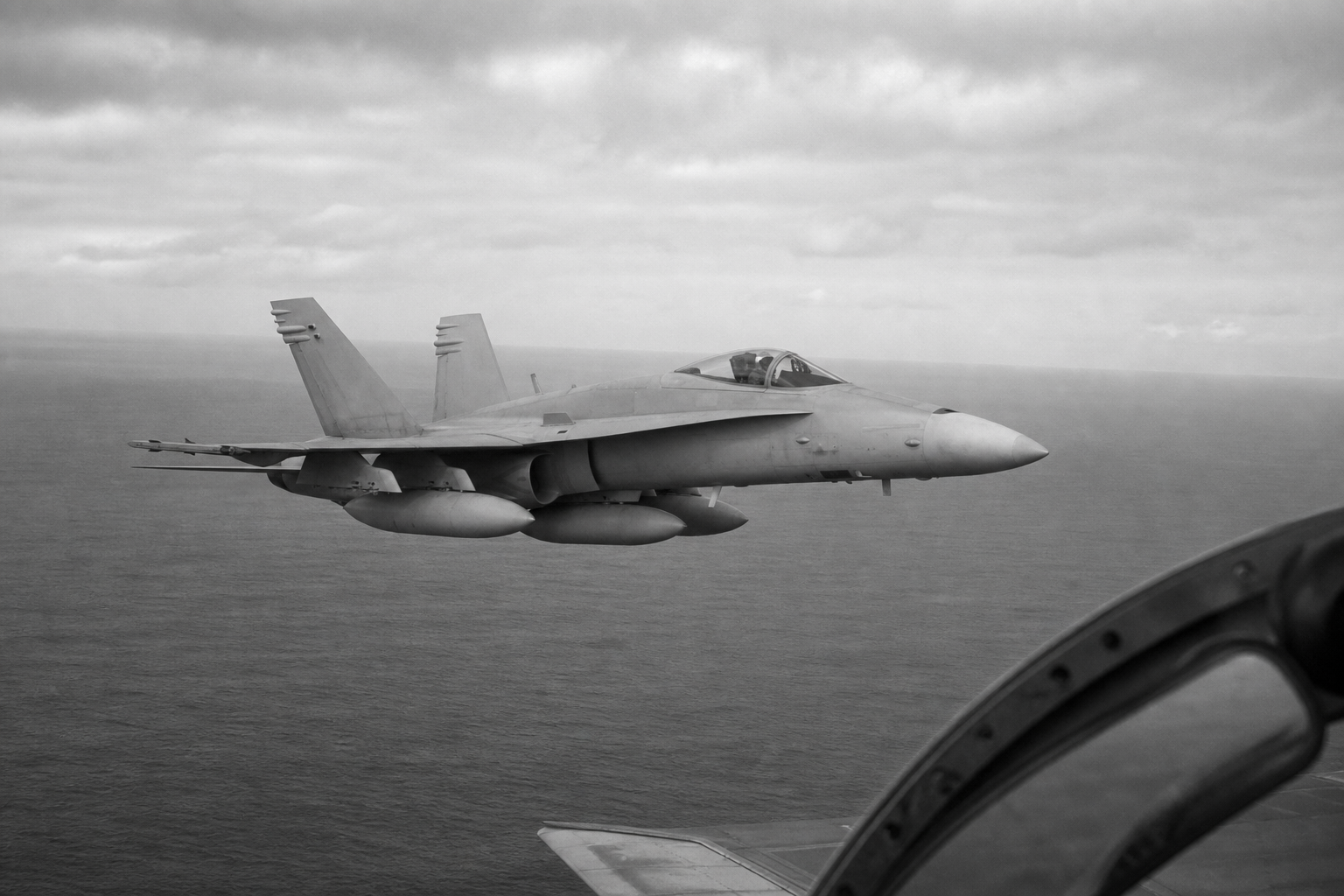
The Commander David Fravor Tic Tac encounter endures because it places a trained naval aviator’s account at the center of an event that remains publicly unexplained. Fravor, a retired U.S. Navy commander and former F/A-18 pilot, has described being diverted during November 2004 training operations involving the USS Nimitz carrier strike group to investigate an unusual object over the ocean. His description is significant firsthand testimony, not a demonstrated identification of what he saw.
This account follows the event in sequence: the operational tasking, Fravor’s visual observations, the attempted intercept, and the reports that followed. It also separates categories of evidence that are often blurred together. A pilot’s recollection concerns what that pilot perceived; radar reporting concerns instrument returns interpreted by operators; and the later-released FLIR1 infrared video is a separate record from the wider Nimitz episode, not a recording of Fravor’s own visual encounter. Other witnesses and reported sensor activity add context, but public evidence does not establish an alien origin, a foreign technology, or a cover-up. The question is not whether the account is striking, but what its available evidence can, and cannot, support.
What Commander David Fravor Has Said About the 2004 Tic Tac Encounter
Fravor’s public narrative is most useful when read as a bounded witness account rather than a complete explanation of the incident. He has described a mission during the November 2004 training period involving the USS Nimitz strike group, drawing on his experience as a Navy F/A-18 pilot and later as a retired commander. For more detail, see Commander David Fravor’s public account.
That distinction matters because several records are commonly merged into a single story. Fravor’s testimony addresses what he recalls seeing and doing from his aircraft. Radar-related accounts address what operators reported from their systems. The Nimitz-associated FLIR1 imagery is an infrared recording from the broader episode, with its own crew, timing, and limitations. Each can be relevant, but none is interchangeable with the others.
The chronological account that follows therefore treats a direct visual recollection differently from a reported sensor track or a later interpretation of video. An object can remain unidentified within the public record without that uncertainty establishing alien or non-human intelligence, secret foreign technology, or deliberate concealment. The evidentiary question is narrower: what did Fravor say happened, and which parts of the wider narrative can be independently separated from his firsthand observations?
The Operational Setting: Training Exercises and a Combat Air Patrol Tasking
The immediate setting was a Navy training period at sea, not a mission launched in response to a publicly identified threat. Fravor has described flying a combat air patrol with another F/A-18 crew. A combat air patrol is an airborne assignment intended to keep fighters available to investigate, protect airspace, or respond quickly when a ship directs them to an area of interest; it does not itself identify what prompted the tasking.
In accounts of the USS Nimitz Tic Tac incident, personnel aboard the guided-missile cruiser USS Princeton had reported unusual radar activity before Fravor’s flight was redirected. That reported sensor picture formed the tasking context. It was not something Fravor personally observed from his cockpit, and the public record does not make every underlying radar detail available for independent assessment.
Fravor has said the Princeton radar crew asked whether his aircraft carried weapons and then directed his section toward a designated location. The practical significance is straightforward: he and the accompanying crew were sent to investigate a reported point, rather than dispatched with an established identification or explanation for a target.
Before reaching that area, Fravor’s knowledge was therefore limited to the ship-to-air information and instructions he received. The account changes evidentiary category only after the fighters arrived overhead: what the radar operators reportedly tracked remains a separate claim from the visual scene Fravor later described seeing for himself.
Fravor’s Firsthand Visual Intercept: Water Disturbance and a White Oblong Object
At the assigned location, Fravor recalled looking down and seeing an area of unusually disturbed water: a roughly circular patch of churning, foaming surface amid otherwise calm ocean. He described it as resembling whitewater or a shallow-water break. What mattered to him was what he did not see: no clearly identifiable ship, submarine, aircraft, or other conventional craft visibly explaining the disturbance.
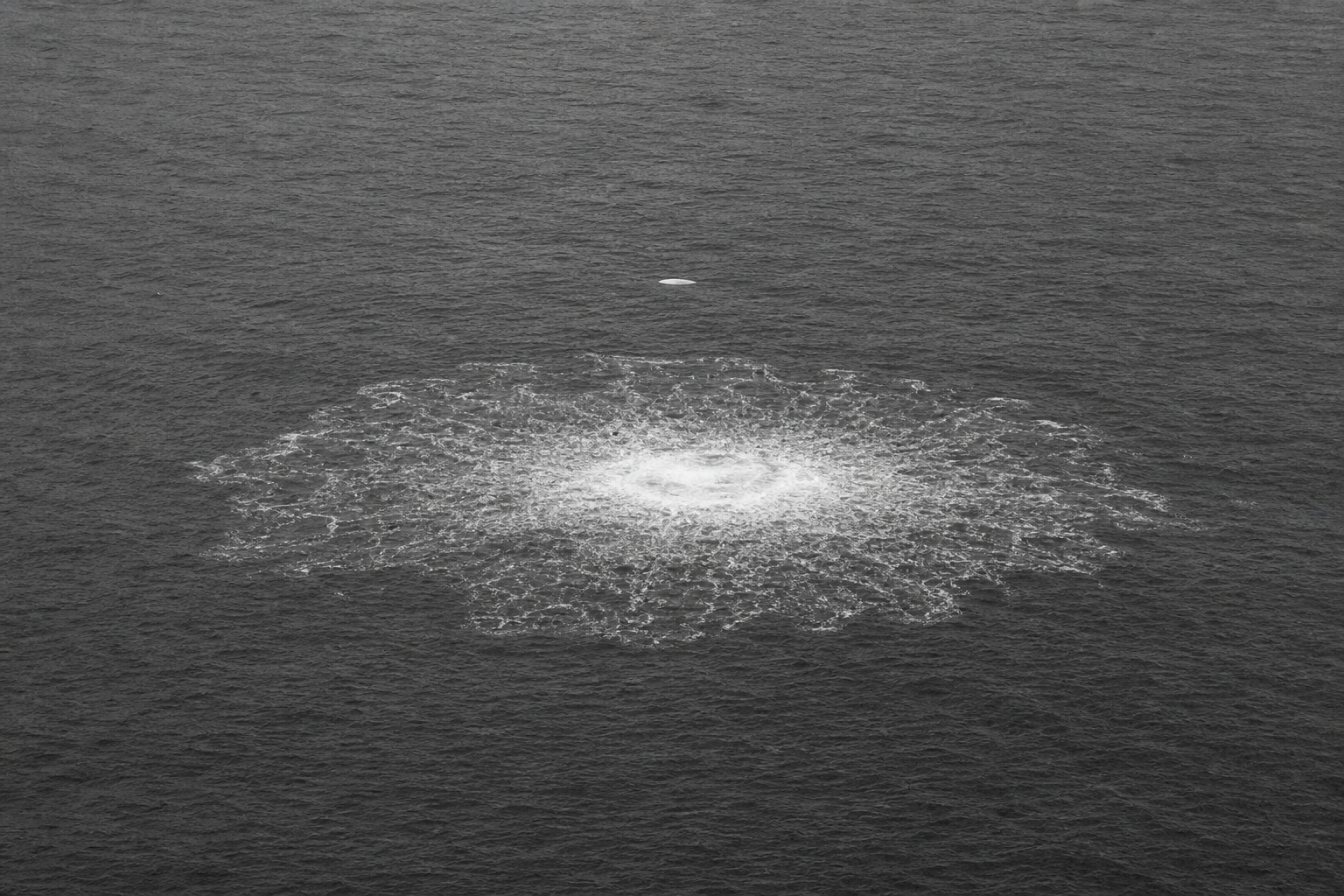
Above that patch, Fravor said he saw a small white oblong object. In his retellings, it had the shape that later supplied the incident’s familiar nickname, smooth, elongated, and “Tic Tac”-like, rather than the recognizable profile of a winged aircraft or helicopter. He recalled no visible wings, rotors, exhaust plume, or obvious means of propulsion. Those are descriptions of appearance from his cockpit, not a determination of the object’s construction, origin, or capabilities.
The visual intercept was not a solo observation. Fravor was flying with another F/A-18 crew: Lt. Cmdr. Alex Dietrich and her weapons systems officer, Lt. Cmdr. Jim Slaight, were in the accompanying aircraft. Their presence is important because it places more than one Navy aircrew over the scene, but their individual recollections should remain their own; Fravor’s description of the disturbed water and white oblong object is firsthand military aviator testimony by Fravor.
In Fravor’s account, the object appeared to move above the turbulent area while the water disturbance remained below it, creating the impression of a possible relationship between the two. An apparent spatial relationship, however, is not proof of causation. The publicly available account does not establish what produced the disturbed water, whether anything was submerged beneath it, or whether the airborne object caused it.
That boundary is central to the David Fravor Tic Tac encounter: the visual report supplies a specific scene and a trained observer’s description, but not a verified identification. The next part of his recollection concerns what happened when he tried to close the distance.
The Attempted Intercept and the Reported Rendezvous-Point Surprise
Fravor has said he began a descending, turning maneuver intended to bring his F/A-18 closer to the white object while keeping it in view. In his retelling, the object responded by climbing as he descended, then abruptly changed direction and moved away before he could complete an intercept. He did not describe seeing a conventional control surface, exhaust, or propulsion system during that departure. That is a pilot’s account of an observed maneuver, not an instrument-derived measurement of speed, acceleration, or the means by which the object moved.
After the object was no longer visible, Fravor has recalled contacting the USS Princeton and being told that it had appeared near the section’s planned rendezvous point. A rendezvous point is a prearranged location where aircraft can regroup or proceed after a task; it gives crews a common navigational reference rather than identifying anything at that location. The striking aspect of the report was the apparent coincidence between the object’s reported position and that planned point.
That final detail belongs to a different evidentiary category from Fravor’s cockpit observations. Fravor did not visually follow the object to the rendezvous point; the development was relayed through the operational picture, including reported radar tracks. It may strengthen the importance of reconstructing the broader Nimitz Tic Tac UFO incident, but it does not establish that the object knew mission information, possessed a particular technology, or had any non-human origin. The public record supports a reported sequence of events, not a conclusive explanation for it.
Why the Nimitz UAP Footage Is Not the Same as Fravor’s Sighting
The widely circulated FLIR1 video belongs to the broader Nimitz incident record, but it is not a recording of Fravor’s visual intercept. It was captured during a later attempt to investigate the reported object by a different F/A-18 crew. That timing and change of observers matter: Fravor’s account concerns what he saw over the disturbed water, while the video documents a separate sensor encounter in the same operational episode.
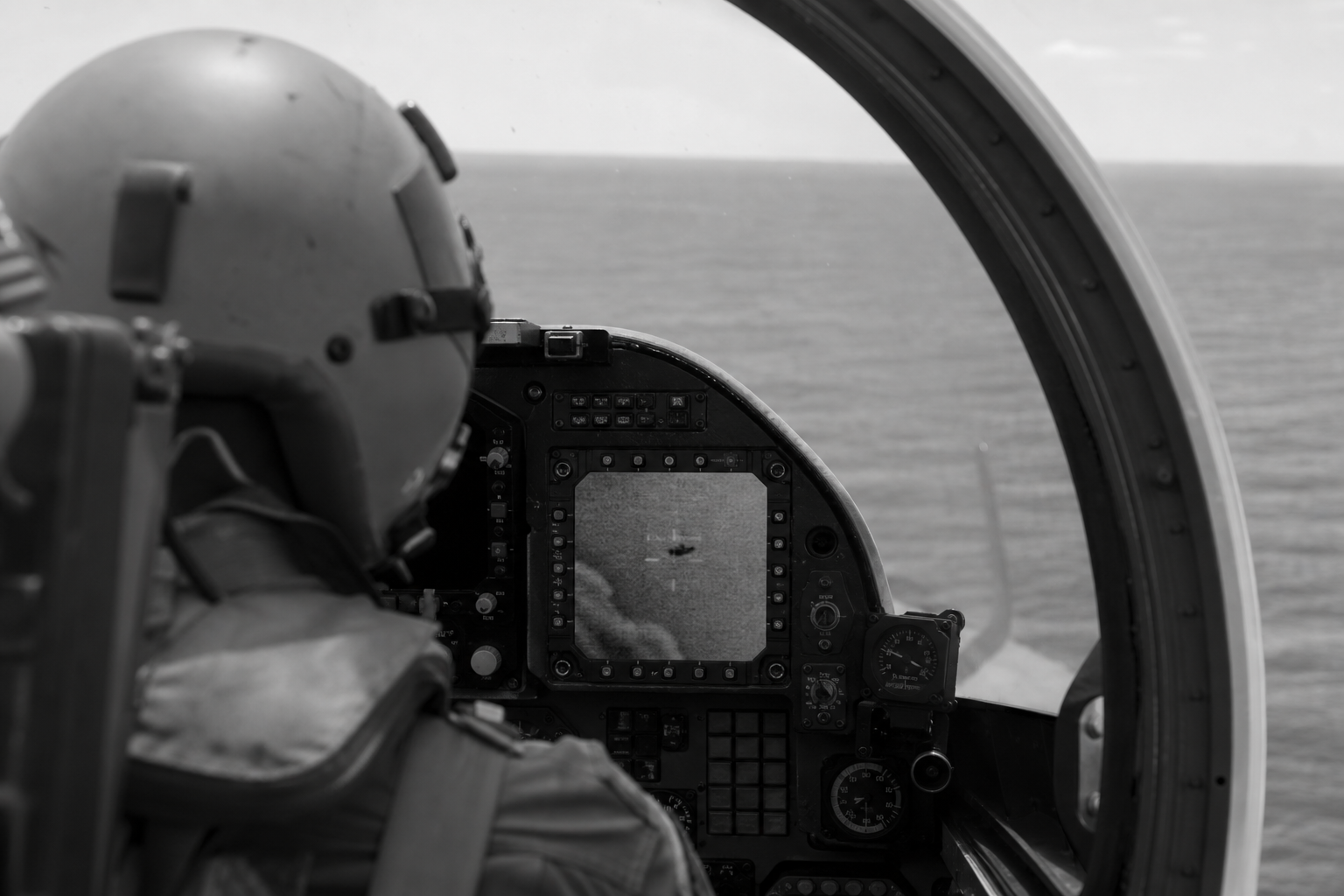
An infrared video displays differences in infrared energy through a targeting-pod image rather than providing an ordinary cockpit view. It can preserve useful context, a tracked airborne target, aircraft-system symbology, and aspects of the crew’s sensor engagement, but it cannot recreate the full geometry, weather, range, sensor settings, or visual scene Fravor described. A short clip also does not independently settle an object’s distance, dimensions, speed, acceleration, or movement relative to the observing aircraft without the underlying tracking and flight data.
That is why the Nimitz UAP footage should be read as related evidence, not as visual confirmation of every part of Fravor’s recollection. The two records may be mutually relevant, yet they answer different questions: one records a later infrared observation; the other is firsthand testimony about an earlier sighting. Neither category alone identifies the object’s origin, and an unresolved identification is not proof of alien, non-human, or foreign technology.
Corroboration, AARO’s Public Record, and the Limits of the Evidence
Corroboration is not a single thing. The Nimitz episode includes overlapping forms of support: more than one aviator described an unusual scene, shipboard personnel reported radar activity, and a later crew obtained infrared imagery. Together, those strands make the event more substantial than an isolated recollection. They do not, however, turn the separate observations into one continuous, independently measured account of a single object’s identity or performance.
The practical distinction is between consistency and verification. Witnesses can independently support that something unusual was reported; radar can support that operators detected tracks; and imagery can preserve a sensor observation. Stronger proof of extraordinary speed, acceleration, construction, or origin would require the underlying data needed to establish range, timing, geometry, calibration, and possible alternative explanations. The publicly available material does not supply all of those elements.
AARO UAP material and other Pentagon UFO office releases are most useful as a record of what has been publicly assessed, released, or left unresolved, not as a shortcut from “unidentified” to a particular explanation. An unresolved case may reflect incomplete data, limited public access to operational records, or disagreement over interpretation. It does not by itself establish alien or non-human origin, advanced foreign technology, or a covert program.
The same restraint applies to cover-up allegations. Records may be unavailable, classified, missing from public release, or disputed in later recollections; each condition can limit outside analysis. None independently demonstrates intentional concealment. The evidentiary value of the Nimitz case lies in the convergence of reports and the seriousness of the witnesses, while its central limitation remains unchanged: the public record does not conclusively identify what Fravor and others encountered.
What Can Responsibly Be Concluded From Fravor’s Account
The durable conclusion is narrow but important. Fravor has consistently described an unusual visual encounter during the November 2004 Navy operations, and that account sits alongside reports from other personnel and later sensor-related material. Those strands warrant serious historical interest and disciplined preservation of the available record.
They do not establish what the object was. An anomalous observation means that the public evidence does not permit a confident identification; it is not proof of extraterrestrial visitation, non-human intelligence, a particular advanced-technology program, or a government cover-up. The gap between a compelling report and a confirmed explanation is filled only by sufficiently complete, testable evidence, not by the absence of a public answer.
That distinction is a useful checkpoint when following UFO news. Fravor’s later congressional testimony, like his cockpit recollection, addresses what he and nearby aviators perceived; FLIR1 preserves a later infrared observation; reported radar activity reflects operators’ tracks. Each can inform the same incident, but none should be made to say more than it records. The responsible account of the Nimitz episode remains one of a notable, unresolved encounter rather than a settled conclusion about its origin.
Frequently Asked Questions
-
When did the USS Nimitz Tic Tac incident happen?
The encounter occurred during U.S. Navy training operations in November 2004 involving the USS Nimitz carrier strike group. Commander David Fravor and another F/A-18 crew were redirected to investigate activity reported near a designated ocean location.
-
What did Commander David Fravor say he saw during the Tic Tac encounter?
Fravor described a roughly circular area of churning, foaming water in an otherwise calm ocean and a small white, smooth, oblong object above it. He reported seeing no wings, rotors, exhaust plume, or obvious propulsion system.
-
What happened when David Fravor tried to intercept the Tic Tac object?
Fravor said he descended in a turning maneuver to close on the object while keeping it in view. He recalled that it climbed as he descended, abruptly changed direction, and departed before he could complete the intercept.
-
Was David Fravor the pilot who recorded the FLIR1 video?
No. The FLIR1 infrared video was captured later in the broader Nimitz episode by a different F/A-18 crew, not during Fravor’s visual intercept over the disturbed water.
-
What should you look for when assessing claims that the Nimitz Tic Tac object was alien?
Look for underlying data that can establish range, timing, geometry, calibration, and alternative explanations, rather than relying only on witness accounts or a short infrared clip. The public record includes aviator reports, reported radar activity, and FLIR1 imagery, but it does not conclusively identify the object as alien, non-human, foreign technology, or evidence of a cover-up.