Commander David Fravor’s 2004 USS Nimitz Tic Tac Encounter Explained
Explore Commander David Fravor’s 2004 USS Nimitz Tic Tac encounter, witness accounts, FLIR1 footage, official facts and unanswered questions.
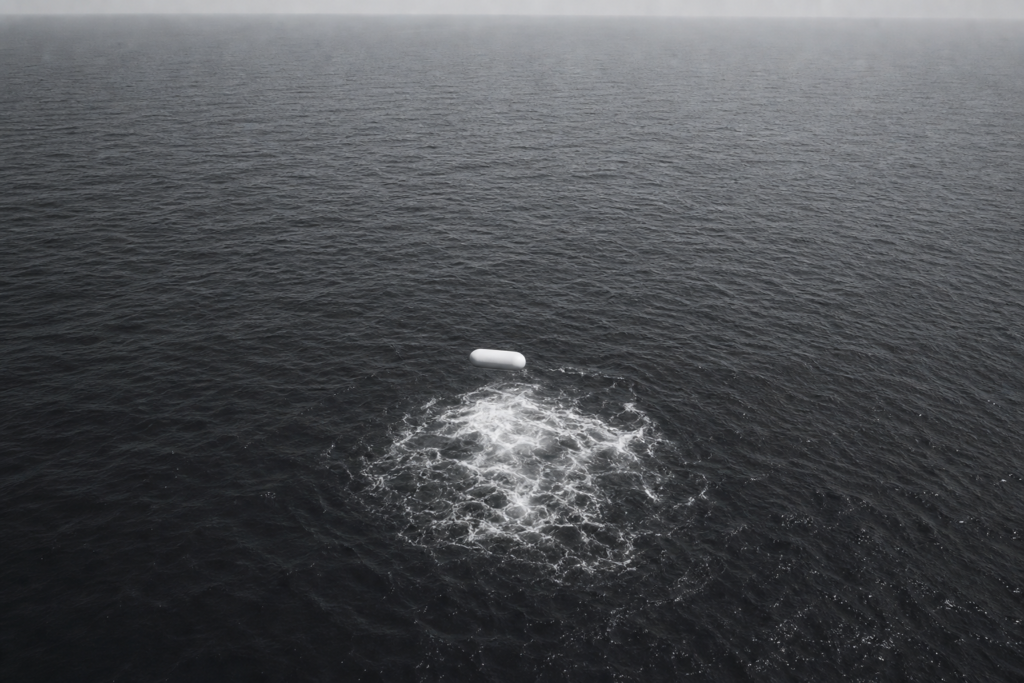
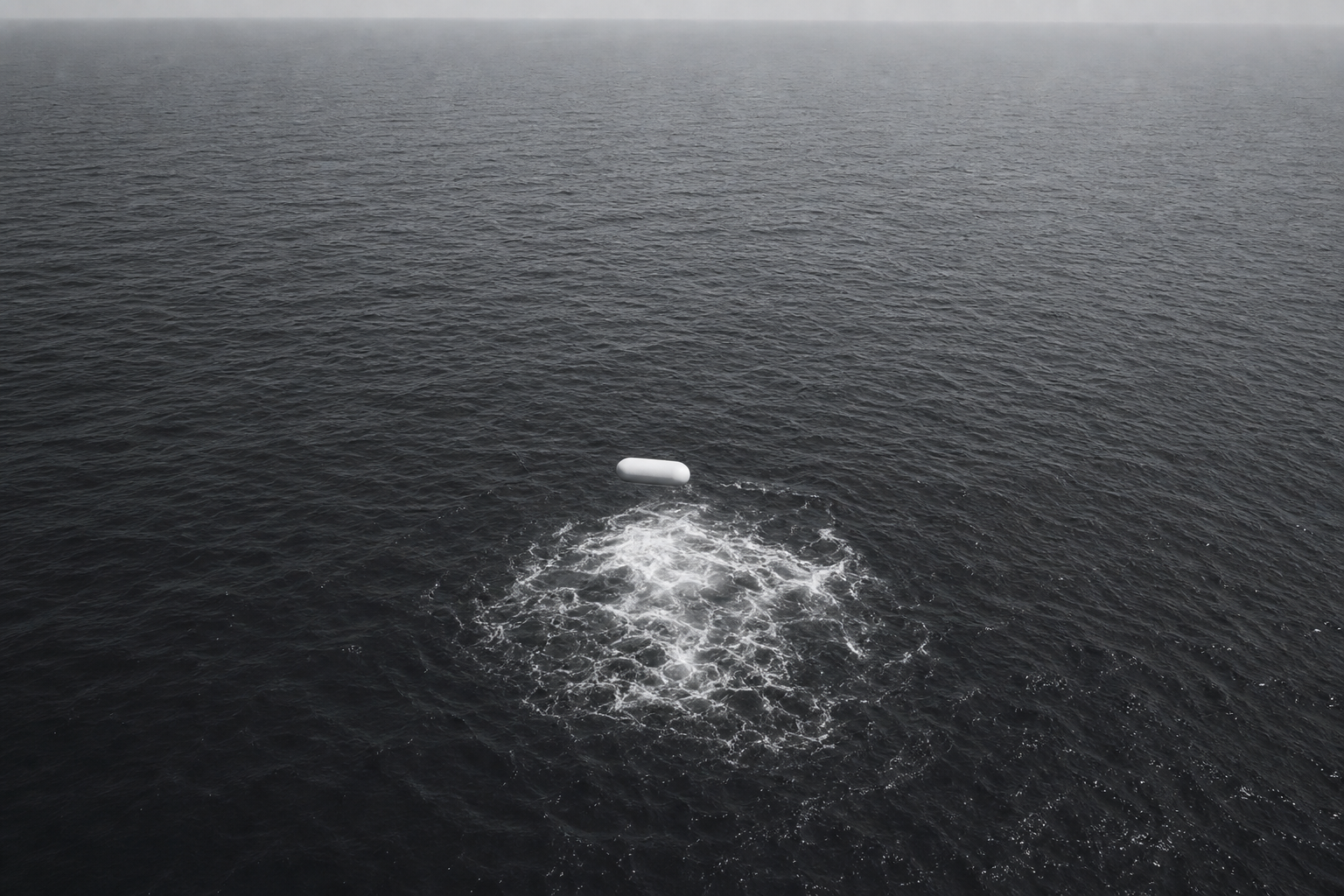
In November 2004, during training operations off Southern California involving the USS Nimitz strike group, Commander David Fravor, a former U.S. Navy aviator and squadron commander, reported seeing an unusual white, oblong object over disturbed water. The Commander David Fravor Tic Tac encounter gained unusual prominence because that firsthand visual account sits alongside later accounts from other personnel, reported sensor activity, and a Navy video released years afterward.
That does not make every part of the story equally established. Fravor’s description is eyewitness testimony: evidence of what he said he observed during the intercept. Radar-related accounts from USS Princeton personnel are a separate category, based on reported instrument tracks and events not fully available in the public record. FLIR1, the familiar infrared clip often called the Nimitz UAP footage, is another category again: it is associated with the broader incident, but it is not a complete recording of Fravor’s own visual engagement.
This explanation follows those distinctions rather than treating “unidentified” as a conclusion. It separates reported observations, supporting accounts, released material, and limited Department of Defense acknowledgment from questions the public evidence still cannot answer. The USS Nimitz incident warrants scrutiny because of its named witnesses and multiple evidence streams, not because it establishes an extraterrestrial or non-human origin.
Why the 2004 USS Nimitz Tic Tac Encounter Still Matters
Its importance lies in the combination of evidence streams that can be compared rather than collapsed into a single story. The November 2004 training episode drew later accounts from named Navy witnesses: aviators described visual observations, USS Princeton personnel reported radar activity, and a released infrared video was linked to the wider sequence. The Department of Defense’s acknowledgment that released Navy clips depict unidentified aerial phenomena gave the case an official point of reference without supplying a final identification.
That distinction changes how the case should be read. A visual account establishes what a witness reported; a radar account indicates what operators said their systems displayed; and FLIR1 shows what its camera captured during a separate airborne encounter. Agreement among accounts can justify closer scrutiny, but it does not make the underlying event fully reconstructable from public material. “Unidentified” means the available information did not support a confident identification, not that the object was aliens, non-human intelligence, a hidden government program, a cover-up, or advanced secret technology. The unresolved question is narrower: what explanation, if any, best fits the evidence that is publicly available?
The Basic Timeline: From USS Princeton Radar Reports to the Intercept
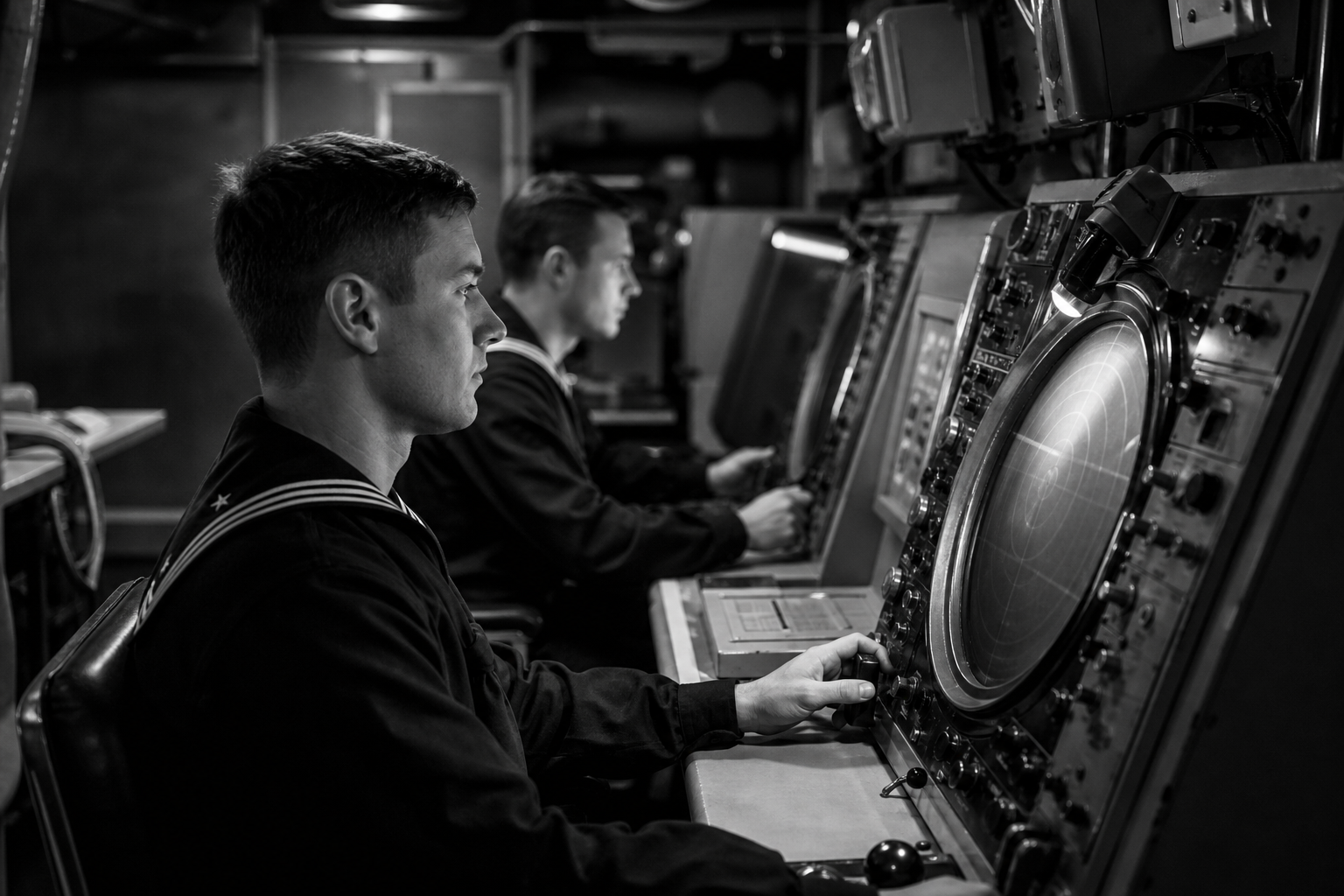
The sequence begins with later public accounts from USS Princeton personnel, including radar operators Kevin Day and Gary Voorhis. They described anomalous returns on the ship’s AN/SPY-1 radar, a system used to detect and track objects in the surrounding airspace, during the days before the visual encounter. Those reports are important context for the Nimitz UAP incident, but the complete raw radar record and operational logs have not been publicly released.
On the day of the encounter, Fravor and fellow aviator Alex Dietrich were among the pilots directed to investigate an area of interest while flying F/A-18s from the USS Nimitz. In their later recollections, the crews were given a location without being told a conventional aircraft type or mission to expect. They arrived over the ocean, saw disturbed water, and then observed the object that Fravor would describe as resembling a white “Tic Tac.” The visual engagement itself is best separated from the earlier radar reports: Fravor and Dietrich can speak directly to what they saw, while the radar narrative comes from Princeton personnel.
A later Navy flight, commonly associated with aviator Chad Underwood, encountered an unidentified object and recorded the footage now known as FLIR1. That video belongs to the broader event sequence but is not a continuous recording of Fravor’s intercept. Public reconstructions place it afterward, yet precise times, communications, and handoffs rely heavily on witness recollections and later accounts rather than a fully public official timeline.
What Commander David Fravor Reported Seeing
Fravor’s own description begins below his aircraft, where he saw a patch of churning, foamy water that he compared to something large moving just beneath the surface. Above it, he said, was a small white, oblong object, roughly the shape of a Tic Tac mint, with no visible wings, tail, canopy, rotor, intake, or exhaust plume. Those are visual observations from his later interviews and sworn 2023 congressional testimony, not measurements that publicly establish the object’s size, altitude, propulsion, or identity.
He described turning toward the object and descending in a wide, circling maneuver while it appeared to respond by moving around the disturbed-water area. In Fravor’s retelling, the interaction became more direct as he attempted to close the distance: the object mirrored or countered his movement, then abruptly accelerated away. “Abruptly” is the important evidentiary boundary. Fravor reported a departure so rapid that he could not follow it visually; the public record does not provide independently released instrument data from his aircraft that converts that impression into a verified speed or acceleration figure.
Alex Dietrich, flying in the second F/A-18 associated with the visual event, has likewise recalled seeing unusual water disturbance and a white, featureless object in the area. Her account supports the core point that more than one aviator reported an anomalous visual sighting. But readers should not treat every detail as equally shared: the closest-maneuver narrative, the attempt to engage the object, and the characterization of its sudden departure are chiefly associated with Fravor’s extended accounts of the Commander David Fravor Tic Tac encounter. Neither aviator’s testimony, by itself, establishes an extraterrestrial or non-human origin; it establishes what trained witnesses said they observed during a brief, difficult-to-document encounter.
What Corroborates the Account, and What Does Not
The strongest support comes from overlap, not from a single all-purpose record. Dietrich’s account aligns with Fravor’s on the unusual water disturbance and the presence of a white object without ordinary aircraft features. Other personnel have separately described being involved in the operational response. That agreement makes it more credible that Navy personnel experienced an unusual event in the same general sequence; it does not establish that every witness saw the same details, nor does it identify the object.
Accounts from USS Princeton personnel add a second category: radar operators later described tracks that preceded the flights and, in some retellings, an object appearing near the fighters’ prearranged CAP point, the rendezvous location programmed for the patrol. If accurate, that reported point is notable because it links the sensor narrative to the aircrew’s mission plan rather than merely to a distant unexplained return. But public descriptions of USS Princeton radar tracks are testimony about what operators recall seeing, not the underlying radar files.
That distinction sets the evidentiary threshold. Independently validating claims about altitude, speed, or acceleration would require the preserved raw sensor returns, timing information, track history, system settings, calibration and maintenance context, and enough metadata for outside analysts to reproduce the calculations. Publicly available accounts do not supply that complete chain. Later statements by sailors and aviators can reinforce the consistency of the broader 2004 Nimitz UFO encounter, but mutually supportive testimony cannot by itself prove an exact trajectory, extraordinary performance, or a non-human origin.
How the FLIR1 Video Relates to Fravor’s Encounter
The clip’s evidentiary value begins with a crucial separation: FLIR1 is not cockpit video of Fravor’s close-range visual encounter. It was recorded on a later Navy flight, commonly identified in public accounts with pilot Chad Underwood, after Fravor and the other aviators had returned. It is linked to the same broader USS Nimitz sequence, but it documents a separate attempted intercept rather than preserving what Fravor saw over the disturbed water.
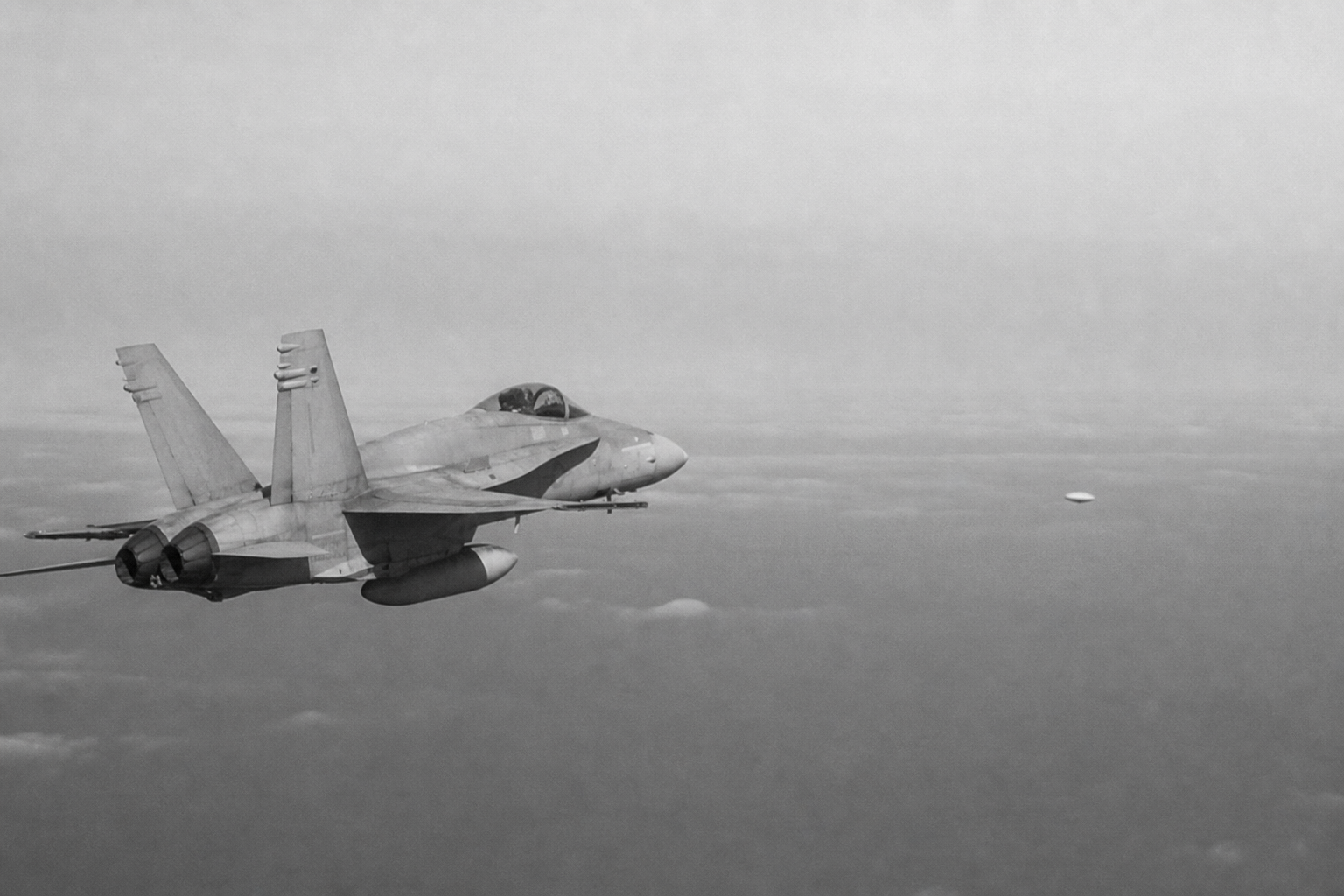
The FLIR1 video is an infrared recording from an F/A-18’s FLIR pod, a sensor that renders differences in infrared energy rather than an ordinary daylight image. The released clip shows a small, bright object against a darker background while targeting and aircraft-display symbols remain visible around it. Near the end, the object moves out of the frame as the sensor’s track is lost. That is a real limitation of the short clip: it shows an object the crew could not identify from the available view, but it does not itself reveal its shape, size, range, altitude, propulsion, or intent.
Apparent motion in infrared footage is not a direct speed measurement. A camera’s viewing angle, aircraft motion, zoom level, tracking behavior, and distance to the target can all change how movement appears on screen. A strong analysis would pair the video with synchronized range data, aircraft position and attitude, sensor settings, weather and sea-state information, and the complete recording before and after the excerpt. Those materials are not publicly available in a form that permits outsiders to reconstruct the encounter fully. The Nimitz UAP footage therefore strengthens the case’s documentary record without converting the Commander David Fravor Tic Tac encounter into a video-proven explanation, or establishing an extraterrestrial or non-human origin.
What Official Sources Have Confirmed About the Nimitz Case
Official acknowledgment is narrower than a public solution. In 2020, the Department of Defense confirmed that three widely circulated Navy videos, including FLIR1, had been recorded by Navy personnel and characterized the objects shown as “unidentified aerial phenomena.” That confirmation establishes the video’s military provenance and the Pentagon’s decision to describe its depicted target as unidentified at that point; it does not authenticate every later claim associated with the broader Nimitz narrative or identify the object.
The later UAP Task Force, or UAPTF, was created to standardize the collection and assessment of reports that could affect training ranges, flight safety, or national security. Its successor, the All-domain Anomaly Resolution Office (AARO), has a wider remit: it examines reports across air, sea, space, and other domains, and seeks to resolve them through available data. Neither office’s general treatment of unresolved reports amounts to a specific finding that the 2004 object had extraordinary capabilities or a non-human origin.
That terminology matters. “UAP” and AARO’s broader label, “unidentified anomalous phenomena,” are working classifications for observations or data that have not been confidently explained with the information available. They describe an evidentiary status, not a cause. A report can remain unidentified because its record is incomplete, its sensor data are ambiguous, or competing explanations cannot be distinguished, not because an alien explanation has been established.
No public Pentagon statement has supplied a definitive identification resolving the object reported in the Commander David Fravor Tic Tac encounter. The official record therefore supports a limited conclusion: a Navy-origin video was acknowledged, and the relevant object remained unidentified in public official treatment. It does not provide the missing complete data needed to turn that status into a settled explanation.
The Best Evidence-Based Conclusion: Serious Case, No Proven Explanation
The most defensible reading is cumulative but limited. The public record contains named aviators describing an unusual visual event, separate personnel accounts of associated radar activity, and an authenticated Navy infrared clip tied to the wider operational sequence. Those strands make the episode more substantial than an isolated anecdote: they justify careful scrutiny of what occurred during the 2004 training period.
They do not, however, form a complete measurement record. Fravor’s account conveys an experienced pilot’s observation, not independently available figures for the object’s range, dimensions, altitude, or acceleration. The radar reports are significant claims from identified personnel, but the public cannot inspect the full raw returns, track histories, timestamps, calibration context, or associated logs needed to test the most dramatic interpretations. FLIR1 adds a genuine military-origin sensor record, yet its short infrared view and missing public contextual data do not by themselves establish the target’s speed or identity.
That is the practical standard for a Tic Tac UAP explained responsibly: credible testimony and unresolved evidence are not proof of aliens, non-human intelligence, reverse-engineered technology, or a government UFO cover-up. The case remains worthy of investigation precisely because a publicly verified identification has not closed it, not because the absence of an identification establishes any particular extraordinary answer.
What the Nimitz Tic Tac Case Does, and Does Not, Establish
The key question is not whether every strand tells the same story; it is what each strand can legitimately support. Fravor’s testimony establishes his reported perception during the intercept. Dietrich’s account and the later recollections of USS Princeton personnel provide meaningful overlap from other participants. FLIR1 preserves a short, separate infrared observation from the broader sequence, while Pentagon acknowledgment establishes the clip’s Navy provenance and its then-unidentified status.
Those are stronger signals than an unsupported sighting, but they are not interchangeable forms of proof. Multiple witnesses can corroborate that an unusual operational event occurred without independently measuring the object’s performance. Likewise, radar-operator accounts can justify interest in reported tracks without allowing outsiders to reconstruct them when the underlying returns, metadata, and system context are not public.
The Nimitz Tic Tac case therefore establishes a serious unresolved episode involving credible named witnesses and several partially connected evidence streams. It does not establish that the object was a conventional aircraft, a sensor artifact, a secret program, or non-human technology. “Unidentified anomalous phenomena” is a status of unresolved identification, not a finding about origin. The appropriate conclusion is disciplined uncertainty: preserve the distinctions between testimony, reported sensor information, video, and official acknowledgment, and do not let the gaps decide the answer.
Frequently Asked Questions
-
What did Commander David Fravor say he saw during the 2004 Tic Tac encounter?
Fravor reported seeing churning, foamy water below his F/A-18 and a small white, oblong object above it that resembled a Tic Tac mint. He said it had no visible wings, tail, canopy, rotor, intake, or exhaust plume.
-
Was the Nimitz Tic Tac object captured on video?
A Navy infrared clip known as FLIR1 captured an unidentified object during a later F/A-18 flight associated with the broader Nimitz sequence. It was not video of Fravor’s close-range visual encounter over the disturbed water.
-
Is the FLIR1 video the same event Commander Fravor witnessed?
No. FLIR1 was recorded during a later attempted intercept, commonly associated with aviator Chad Underwood, after Fravor and the other aviators returned. The short infrared clip is linked to the wider incident but documents a separate encounter.
-
What did USS Princeton radar operators report before the Tic Tac intercept?
USS Princeton personnel, including radar operators Kevin Day and Gary Voorhis, later reported anomalous tracks on the ship’s AN/SPY-1 radar in the days before the visual encounter. Publicly available accounts do not include the complete raw radar returns, track histories, timestamps, or system data needed to independently verify speed or altitude claims.
-
How should you evaluate claims that the Nimitz Tic Tac was alien technology?
Look for complete, independently testable sensor data, including raw radar returns, timing data, track history, calibration context, aircraft position, and FLIR sensor settings. Named witnesses, reported radar activity, and the authenticated FLIR1 clip support that an unusual event occurred, but they do not establish an extraterrestrial or non-human origin.