Trinity UFO Case: 2003 Claims of an Avocado-Shaped Craft at 1945 New Mexico Test Site
Explore the Trinity UFO case, a late-reported 1945 New Mexico crash claim, its evidence, historical context, and why it remains unverified.
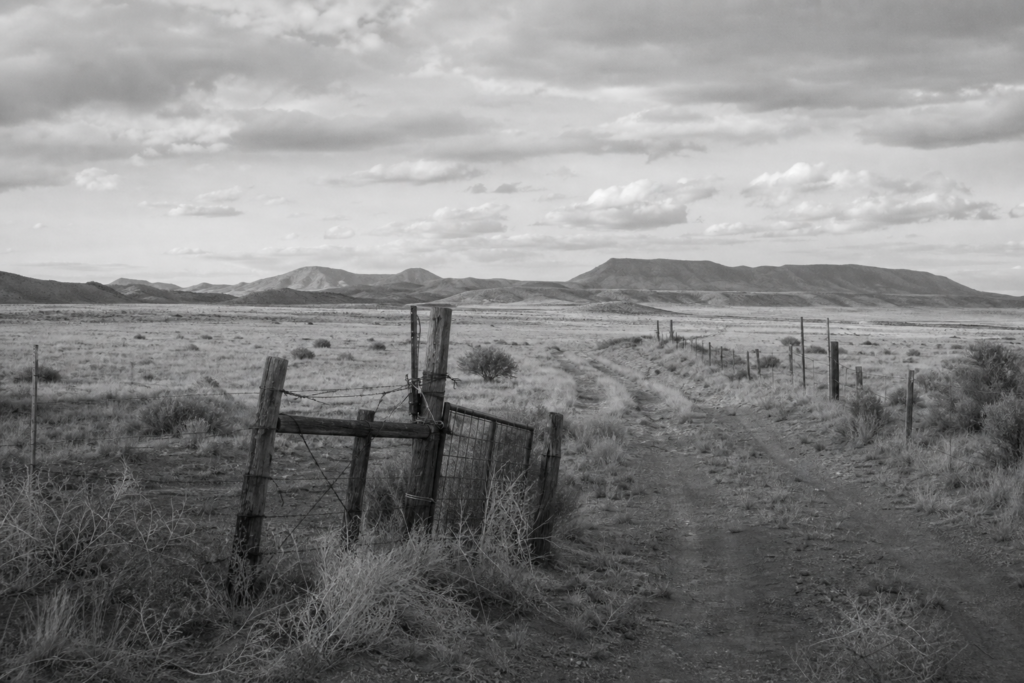
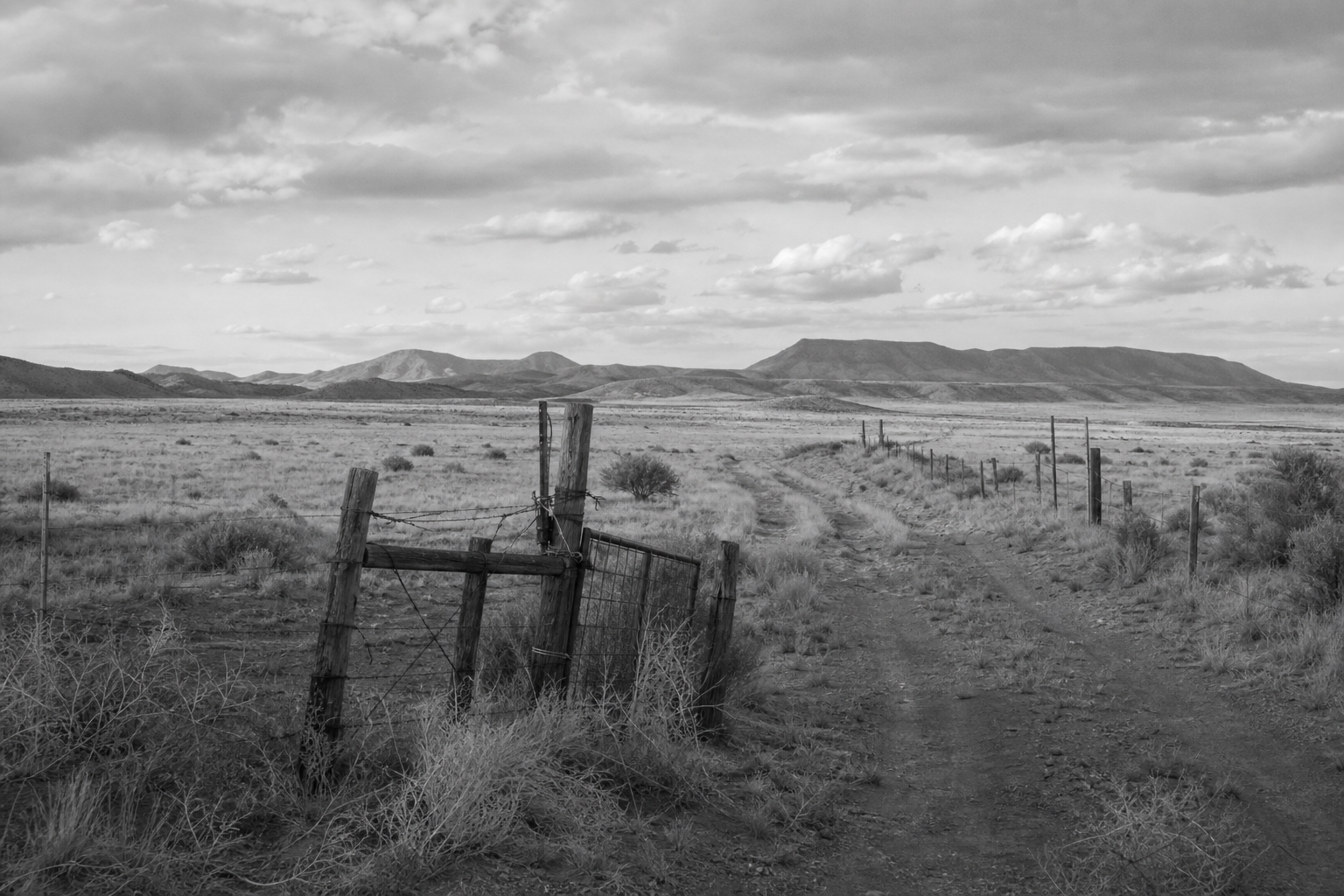
The Trinity UFO case begins with an extraordinary allegation, not a documented chapter of wartime history. Jose Padilla and Reme Baca later said that, as boys in 1945, they encountered a damaged, avocado-shaped craft on ranchland in southern New Mexico, in the broader vicinity of the site where the United States conducted the Trinity atomic test. Their account did not enter public view until 2003, nearly six decades after the event it describes.
That timing changes how the story should be read. The July 1945 nuclear test is an established historical event; the alleged craft, its occupants, and a subsequent military recovery are witness testimony and later researcher interpretation. Researchers including Jacques Vallée and Paola Leopizzi Harris helped bring the account wider attention, emphasizing the witnesses’ shared recollections, claimed knowledge of the landscape, and reported physical traces. None of those points, however, independently establishes that an unconventional craft crashed there.
This article separates the historical setting from the allegation, then examines what Padilla and Baca said, what evidence supporters offer, and what is missing: contemporaneous records, independently authenticated material, and public documentation tying any military activity to a recovery. The result is a fact-conscious account of a notable claim whose proximity to Trinity makes it compelling, but does not make it confirmed.
The Trinity UFO Case: A Late-Publicized Claim About 1945 New Mexico
The chronology is the first and most important test of this claim: the encounter is alleged to have taken place in rural southern New Mexico in 1945, shortly after the July 16 Trinity detonation, but the witnesses’ account was first made public in 2003. That nearly 58-year interval means the story cannot be treated as a contemporaneous report of a 1945 New Mexico UFO crash.
Jose Padilla and Reme Baca said they were children when they came upon a damaged, avocado-shaped object on ranchland and saw small, unusual occupants nearby. In the account later promoted by researchers Jacques Vallée and Paola Leopizzi Harris, military personnel subsequently appeared and removed the object. This is a crash-retrieval allegation: it proposes both an anomalous craft and an official recovery, rather than merely an unexplained sighting.
The distinction matters because the historical record securely establishes the Trinity test, not the alleged encounter. Supporters point to the two men’s shared narrative, their familiarity with the local terrain, and reported traces at the proposed site. Those are leads for investigation, not independent confirmation; a public record created in 1945 that identifies the object, occupants, or a recovery operation has not been established.
Why the 1945 Trinity Test Gives the Story Its Name
The name comes from the setting that frames the allegation, not from a demonstrated location at Ground Zero. On July 16, 1945, the United States detonated the first nuclear device in the Trinity nuclear test at the Alamogordo Bombing and Gunnery Range. That wartime range is now part of the landscape associated with White Sands Missile Range, and the test’s date, place, and military significance are firmly established historical facts.
Padilla and Baca placed their reported encounter elsewhere: on or near the Padilla family’s ranchland in the wider southern New Mexico region around San Antonio. That distinction is essential. The Trinity test site was a defined military installation and detonation area; the alleged craft location was rural family land described in later testimony. Calling the account the Trinity case therefore identifies its temporal and regional association with the atomic test, rather than establishing that the object was found at the test site.
The connection can make the narrative seem stronger than the available evidence permits. A claimed event occurring soon after a historic detonation, within the same broad part of New Mexico, is context, not proof that the blast, the military operation, or any purported recovery were related. A strong evidentiary link would require records or physical material that tie the alleged ranch-site event to Trinity-era authorities. The case’s name supplies a memorable historical reference point; it does not supply that missing connection.
What Jose Padilla and Reme Baca Said, and When They Said It
The decisive feature of the recollection is that it describes a grounded object, not a light or craft observed at a distance. In retrospective accounts, the two men said that, as children, they found an apparently damaged, elongated object on ranchland, later characterized as avocado-like in shape, and encountered small beings near it. Their descriptions have been retold with varying detail over time, but the core allegation is that the object was broken or unable to depart. That distinction matters because a claimed landed craft creates potential points of investigation, a specific location, possible traces, and an alleged response by others, unlike a fleeting aerial observation.
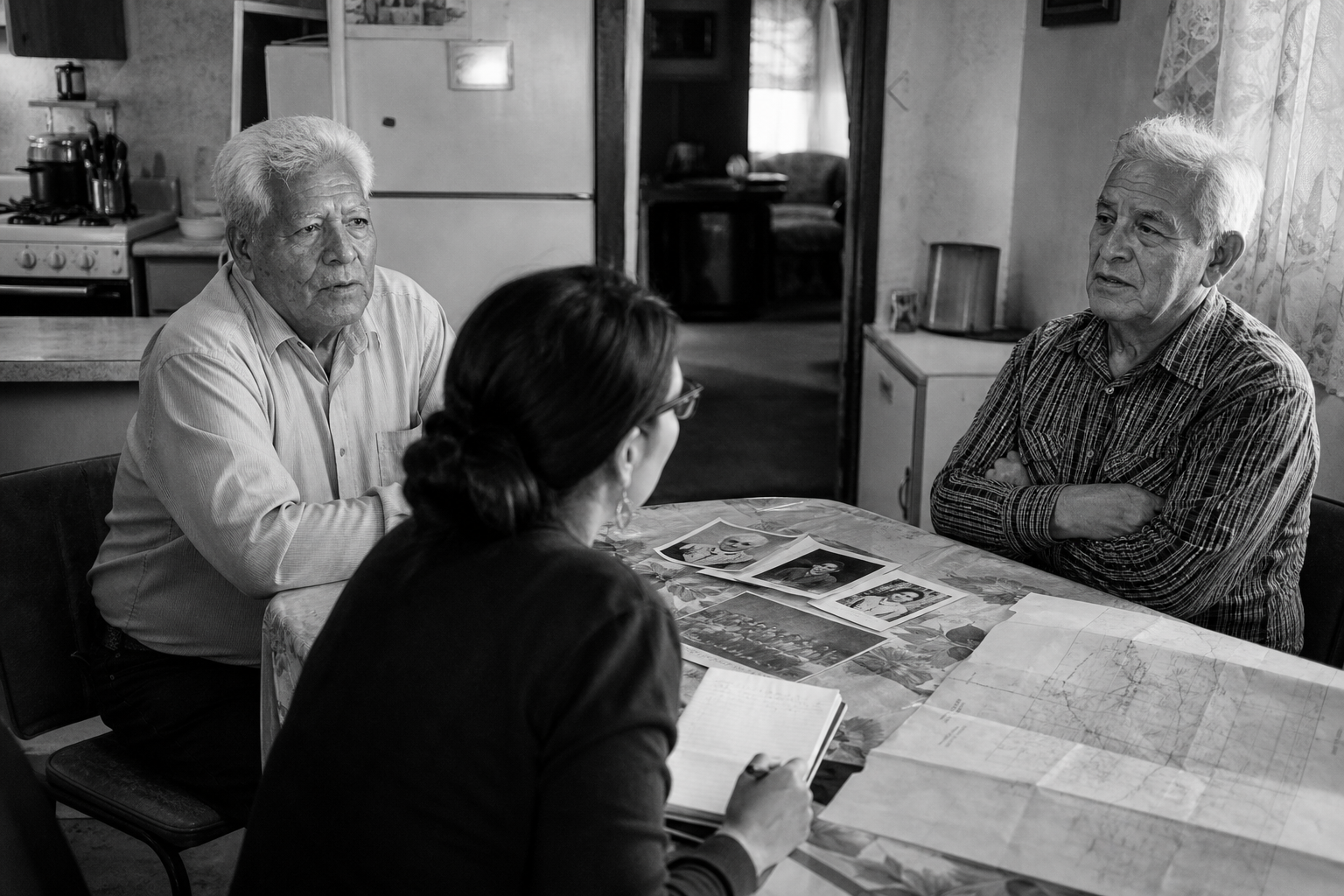
They also alleged that military personnel later arrived, controlled the area, and removed the object. This childhood testimony is the foundation of the recovery narrative; it is not a military record, photograph, or artifact. The reported beings, the avocado-shaped UFO in New Mexico, and the claimed removal therefore remain witness assertions. Familiarity with the ranch country and a shared recollection may help investigators locate the proposed setting and compare the narratives, but neither independently establishes what was encountered or who, if anyone, arrived afterward.
The account entered public circulation in 2003, decades after the event it places in 1945. Researcher Paola Leopizzi Harris played a central role in bringing Padilla’s story to a UFO-interested audience through interviews and later presentations and publications; subsequent researchers, including Jacques Vallée, developed the case further. This provenance matters: a 2003 witness account can preserve a sincere, detailed memory, but it differs materially from a report created in 1945, when dates, participants, and conditions could have been tested against immediate records. No contemporaneous public document has been identified that independently records the alleged discovery, small occupants, or military retrieval at the described ranch location.
The Evidence Offered for the Alleged UFO Crash Retrieval
The affirmative case is strongest as a convergence of testimony and place rather than as a collection of independently authenticated exhibits. Padilla and Baca knew one another, described the event as children from the same ranch-country setting, and retained overlapping elements: an unusual grounded object, small occupants, and a later military presence. That overlap matters because separate recollections can be compared for stable details. It is weaker than independent corroboration, however, because the men’s memories concern the same alleged experience and were developed within a shared social history.
Supporters also treat the witnesses’ ability to indicate a proposed area near the Padilla family’s ranch as meaningful corroboration. Site identification can distinguish a geographically grounded account from a vague story with no investigable setting. It does not, by itself, establish that a craft was there in 1945: terrain familiarity may substantiate where the men believe the episode occurred, while leaving the object, occupants, and alleged recovery dependent on their testimony.
Paola Leopizzi Harris’s interviews and later work by Jacques Vallée gave the narrative its most sustained investigative treatment. Their interpretation emphasizes the apparent consistency of the men’s core recollections, the claimed location, and details they regarded as difficult to invent casually. Those are researchers’ inferences from witness evidence, not independent records of an alleged UFO crash retrieval. Repeated publication, interviews, and retellings may preserve and clarify an account, but they do not become separate eyewitness confirmation merely by circulating it.
Physical evidence would carry a different weight. A material fragment or trace could be assessed through a documented chain of custody, who found it, when, where it was stored, and whether it could have been contaminated, followed by transparent laboratory methods and results. Publicly available presentations of the case do not provide a documented artifact with that full provenance, an independently reproducible laboratory analysis, and a demonstrated link to the alleged 1945 site. Reports of marks, debris, or remembered objects therefore remain leads, not authenticated physical evidence of a UAP crash retrieval.
Why the Trinity Claim Remains Unverified
A rigorous historical test begins with records created close to the alleged event. For this claim, the most probative material would be a 1945 report made before the story’s public emergence in 2003: a local newspaper item, ranch correspondence, a sheriff’s log, a military message, or another dated account describing an unusual object and an operation to remove it. No such contemporaneous record has been publicly produced that independently establishes the reported encounter, the occupants, or a recovery.
The alleged military response presents a separate evidentiary checkpoint. Wartime New Mexico had extensive military activity, so the presence of personnel or vehicles in the broader region would not, by itself, identify a retrieval. A stronger link would connect named units, personnel, orders, transport, security activity, or property records to the proposed ranch location and to the object described by Jose Padilla and Reme Baca. Publicly available material has not confirmed that connection. Missing public records alone do not demonstrate a government UFO cover-up; records can be incomplete, inaccessible, misfiled, or unrelated. But absence cannot be converted into positive evidence for the claimed non-human interpretation.
The account also lacks an unrelated witness who can verify its core elements. A person who merely recalls military activity, an unusual light, or local rumors would be contextual evidence, not confirmation of an avocado-shaped craft. Independent corroboration would require a witness without a shared role in the original childhood experience to identify the event, place, and essential sequence on their own. Likewise, no independently authenticated physical item has tied a recovered material to the alleged site and date.
Long-delayed recollection deserves neither automatic acceptance nor automatic dismissal. Childhood memories may preserve vivid impressions, particularly of frightening or unusual experiences, yet six decades of retelling, later information, and ordinary memory reconstruction can affect sequence, detail, and interpretation. The Trinity UFO crash claim therefore remains a sincere and investigable testimony rather than an established crash: the historic setting is plausible, but setting alone does not validate the extraordinary conclusion.
How Later Researchers and Roswell Comparisons Can Mislead
Publication changes a claim’s reach, not the date or quality of the evidence behind it. Paola Leopizzi Harris helped bring the recollection into public circulation in 2003; Jacques Vallée later joined Harris in developing the case in Trinity: The Best-Kept Secret. Their interviews, site work, and interpretation are research products, not independent 1945 confirmation. The witnesses supplied the firsthand recollections; the researchers assessed and publicized them; neither role substitutes for a contemporaneous record or an unrelated eyewitness.
Roswell is a useful comparison only when the chronology stays precise. The Roswell incident was alleged to have occurred near Roswell, New Mexico, in July 1947 and generated newspaper reporting that same month, including the Army’s initial “flying disc” announcement and rapid retraction. Trinity is alleged to have occurred in 1945 near the ranch country around San Antonio, but its witness account did not become public until 2003. Roswell therefore has a contemporary press and military-paper trail, even though those records do not establish an extraterrestrial crash; Trinity has retrospective witness testimony but no comparable public 1945 record of a recovery.
Both narratives involve New Mexico, military activity, unusual wreckage, and later UFO literature. Those thematic overlaps can guide questions, but they do not demonstrate a shared operation, a direct connection, or the truth of either account. The practical test remains provenance: what each witness independently recalled, when that account was recorded, and whether records created outside the story support its essential details.
What the Trinity Case Does, and Does Not, Add to UFO Disclosure
For UAP disclosure, the relevant standard is not whether a narrative is vivid but whether its central claims can be independently tested. The Trinity account is historically situated and worth preserving as testimony, yet it remains an unresolved, late-reported crash-retrieval allegation rather than a verified historical event on the public record.
That assessment could change with authenticated 1945 records that describe the object or removal operation; an unrelated witness whose contemporaneous account independently matches key details; or material tied to the proposed site through a documented chain of custody, transparent testing, and results open to independent examination. Each would connect the allegation to evidence outside the later recollections.
Claims of recovered technology or non-human intelligence demand that same evidentiary bridge. Provenance establishes where an item came from and how it was handled; testable material permits competing analysts to examine it. Until such evidence emerges, the Trinity UFO case adds a specific claim to the disclosure debate, not confirmation of a recovery program or alien disclosure.
A Notable Claim, Not a Confirmed Crash
That 58-year gap is the decisive checkpoint. Paola Leopizzi Harris brought the account into public view in 2003, long after the alleged 1945 encounter near the Padilla family’s ranchland around San Antonio, New Mexico; Jacques Vallée later collaborated with Harris in developing the case. Interviews and later site investigation preserve the allegation and allow its details to be compared, but neither is a record made when the claimed event occurred.
The narrative remains notable because it links a specific wartime setting, the July 16, 1945 Trinity test in the wider southern New Mexico region, to reported details: an avocado-shaped grounded object, small occupants, and a later military removal. The witnesses’ shared local knowledge and ability to indicate a proposed ranch area are the strongest claimed corroborating points. They do not independently confirm the event, however, because they arise chiefly from the same late-reported recollections. No publicly available 1945 newspaper report, ranch record, military document, unrelated eyewitness account, or authenticated material has established a craft, occupants, or recovery operation there.
The Trinity UFO case therefore belongs in the historical record as a notable UFO crash-retrieval claim, not a confirmed crash. Its significance lies in detailed testimony connected to a consequential moment in American history; evidentiary proof would require independent, contemporaneous support. Historical importance and historical verification are not the same thing.
Frequently Asked Questions
-
What is the Trinity UFO case?
The Trinity UFO case is a claim by Jose Padilla and Reme Baca that they found a damaged, avocado-shaped craft and small occupants on ranchland in southern New Mexico in 1945. They also said military personnel later removed the object.
-
When did the Trinity UFO witnesses first make their claims public?
Jose Padilla and Reme Baca’s account first entered public circulation in 2003, about 58 years after the alleged 1945 encounter. Paola Leopizzi Harris helped bring the story to a UFO-interested audience through interviews and later publications.
-
Why is the Trinity UFO case connected to the 1945 atomic test?
The case is named for its regional and temporal association with the Trinity nuclear test, detonated on July 16, 1945, at the Alamogordo Bombing and Gunnery Range. The alleged craft location was on or near ranchland around San Antonio, New Mexico, not at Trinity Ground Zero.
-
What evidence would verify the Trinity UFO crash claim?
Verification would require independently testable evidence such as a dated 1945 military, sheriff, ranch, or newspaper record describing the event or recovery. An authenticated artifact with a documented chain of custody, transparent laboratory testing, and a proven link to the ranch site would also be significant.
-
Is the Trinity UFO case connected to Roswell?
No direct connection between Trinity and Roswell has been established. Roswell was alleged to have occurred in July 1947 and produced contemporary newspaper and military reporting, while Trinity is a 1945 claim first made public in 2003 without a comparable public-era record.