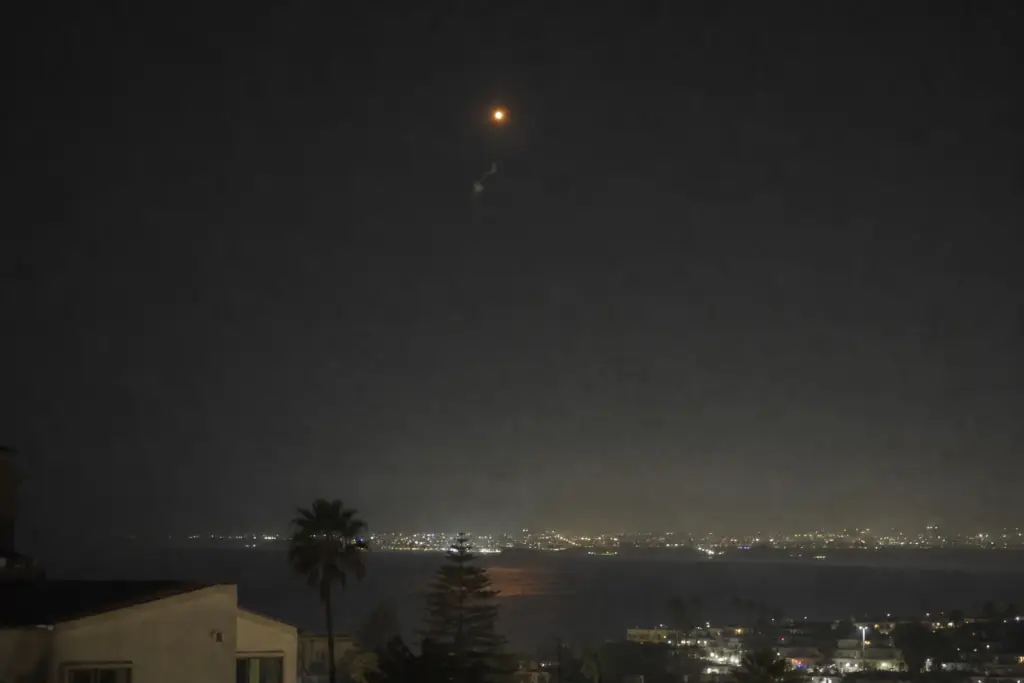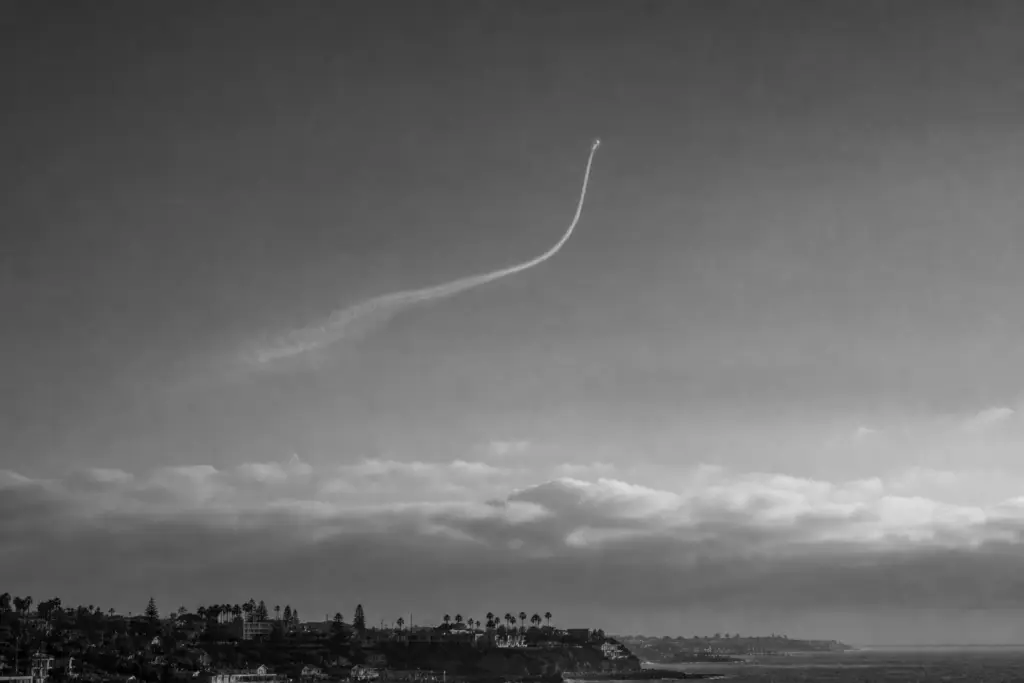
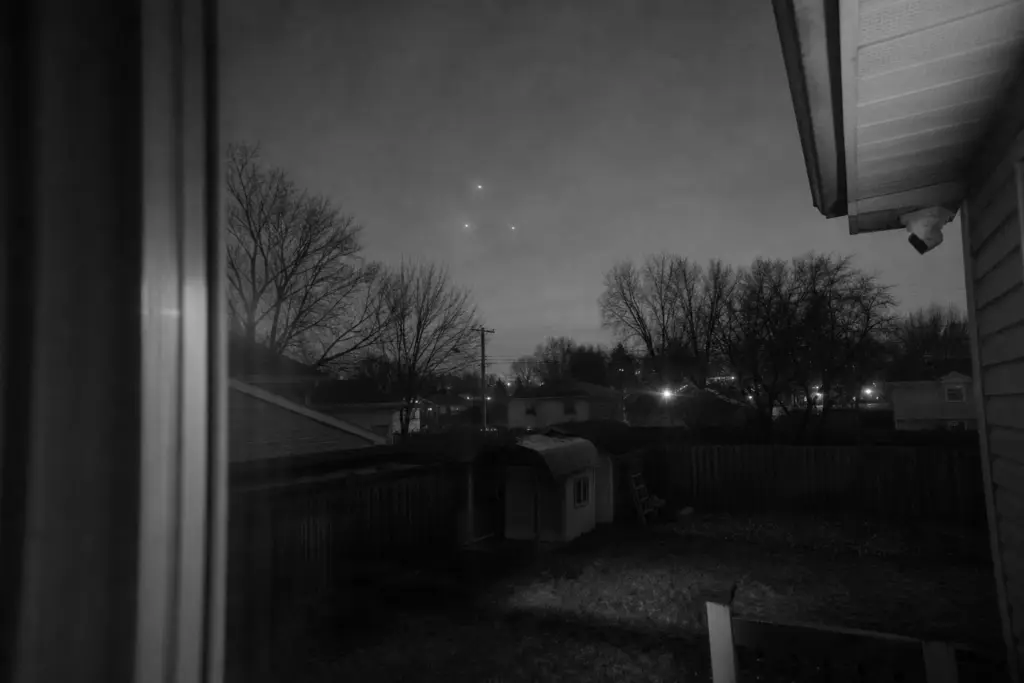
This examination begins with a narrow claim: an Akron, Ohio, triangle sighting was reportedly logged for February 17, 2020, and the account links the observation to a motion-activated security-camera alert. That makes the Akron Ohio triangle UFO sighting February 17 2020 a report worth tracing, not confirmation that a triangular aircraft, or any particular object, was recorded.
A motion alert is a camera-system event: it means the device detected a change within its watched area, such as moving light, a passing object, shifting shadows, insects near the lens, or image noise. It does not by itself identify what caused that change, establish distance or size, or prove that any image depicts the reported shape. Stronger evidence would include original, unedited media with preserved time and camera details, plus independent observations or matching external records; a retold account or isolated still provides much less to assess.
The materials available for this review do not include an authenticated original video or image, an independently documented witness account, or a recorded official investigation. The sections that follow therefore separate the reported details from later retellings, explain what the camera trigger can support, and identify the weather, sky, and aircraft records that could narrow conventional possibilities without overstating the case.
What Was Reported in Akron on February 17, 2020
The usable archival entry is limited to three fields: Akron, Ohio; February 17, 2020; and a triangle-shaped appearance reportedly noticed after a home security system registered motion. No located record adds a street-level setting, observation time, direction of travel, duration, number of lights, weather conditions, or the reporting person’s identity.
No original submission text has been located to preserve the witness’s exact language. “Triangle” should therefore be read as a later-recorded description of apparent shape, not a measured account of an object’s structure. Likewise, the claimed sequence, motion detected and a sighting reported, does not demonstrate that the same thing caused both events; it could reflect a shared moment, or two observations linked only in the retelling.
That leaves the triangle sighting in Akron, Ohio, as an archival report with a stated date and city, rather than a verified capture of a triangular aerial object. No authenticated file, camera make or settings, alert log, unedited still or video, independent witness statement, or documented official inquiry is available here to establish what entered the camera’s field, whether media was retained, or whether any retained image matched the reported shape.
Separating the Original Claim From Later Retellings
An evidence hierarchy prevents a short case description from accumulating details merely through repetition. At the top would be the original witness submission: its complete wording, submission date, any attached files, and metadata such as the observation time, camera timestamp, location precision, duration, direction, elevation, size estimate, and observer information. None of those underlying materials is available in the record reviewed here.
A sighting database occupies the next tier only as a preservation tool. It can retain the basic claim and make it searchable, but it does not independently establish that an observation occurred or that the entry faithfully reproduces the original report. Reposts, social-media threads, and later UFO-news coverage sit lower still: they may help trace how a story circulated, yet they are not new corroboration when they derive from the same database summary.
- An observation occurred: this is the witness report’s central assertion, not an independently documented event.
- The appearance was triangular: this is a reported visual description; without the witness’s full account or retained media, it does not establish an object’s physical geometry.
- A camera was triggered: this describes a claimed system event, but it does not show what caused the alert or prove temporal coincidence with the observation.
- Media depicts the event: that conclusion requires the original, unedited file and enough technical context to connect its timestamp and field of view to the report. A cropped image, reposted clip, or mention that footage existed would not meet that standard.
The practical checkpoint is whether a later account identifies its direct source and preserves details absent from the surviving summary. If it adds a precise time, multiple lights, a flight path, or an image without linking those details to an original report or file, those additions should be treated as later retelling rather than part of a documented incident.
What a Motion-Activated Camera Trigger Can, and Cannot, Show
A camera trigger is best treated as a boundary marker in the system’s own record, not as a finding about what was in the sky. It may mark the moment a monitored portion of the image changed enough to meet the device’s selected threshold, while leaving the cause unresolved. In this case, no retained alert log, camera model, configuration record, or original security camera footage is available to connect the reported observation to a particular detection event.
Placement changes the meaning of an alert. A camera aimed across a driveway, street, tree line, or reflective surface can include nearby activity and distant sky in the same frame; without its field of view, it is not possible to tell which part of that scene prompted recording. Sensitivity sets how readily a change produces an alert, while a user-defined detection zone can limit, or fail to limit, the area considered. Infrared illumination adds another uncertainty in low light: close movement, reflections, or material near the lens can alter the recorded image independently of anything farther away.
- A stronger record would preserve the original file, its timestamp and metadata, the full frame, and a continuous clip beginning before the alert. Those elements can show whether a visible change enters the relevant zone and whether the timing is internally consistent.
- A weaker record is an isolated screenshot, a shortened repost, or an assertion that the camera activated. It cannot establish what occurred immediately before or after the selected image, whether an object was actually visible, or whether the alert and sighting were simultaneous.
The missing material matters more than the word “triggered.” Without unedited media and the settings that governed the motion-activated security camera, the reported camera trigger remains a claimed feature of the Akron account rather than evidence identifying an aerial object or its shape.
Why a Triangle Shape Alone Does Not Identify an Object
A triangle-like appearance becomes meaningful only if the image distinguishes a physical outline from an arrangement created by the camera. Three isolated points of light can look triangular without showing a solid body between them; conversely, an apparent dark silhouette needs stable edges, discernible scale, and a consistent relationship to background features before it can be treated as a shape rather than an image artifact.
The most useful test is behavior across the complete sequence. A distant object should retain a coherent form as it moves relative to roofs, trees, stars, or other fixed references. A lens-dependent pattern may change shape when autofocus shifts, exposure adjusts, or the camera refocuses. Out-of-focus point lights can spread into polygonal bokeh, while bright lights may produce flare, internal reflections, or repeated geometric marks. Compression can further merge pixels, sharpen edges artificially, or turn several small lights into a structured-looking form.
Distance is equally important. An insect close to the lens can appear disproportionately large and amorphous, especially under infrared illumination; a bird can produce a brief angular blur. Aircraft lights, a drone’s navigation lights, reflections in glass, or lights reflected from a nearby surface are alternative categories worth testing when their timing, direction, spacing, and motion can be compared with the original frames. None follows merely from the term black triangle.
- Stronger visual evidence would include original-resolution video, uninterrupted frames before and after the appearance, stable focus and exposure information, and fixed background references that allow apparent motion and distance to be assessed.
- Weaker visual evidence includes a single enlarged still or a compressed repost, where point-light geometry and camera processing cannot be separated from a physical triangular form.
No original media is available here for that comparison. The reported triangle UFO security camera Akron account therefore preserves a description of appearance, not enough visual material to decide whether it showed a silhouette, lights in triangular geometry, or a lens-dependent pattern.
What Independent Records Could Corroborate, or Narrow, the Report
A useful external-record search begins by fixing a time window, viewing direction, and location precise enough to compare the same patch of sky. Those anchors are absent from the surviving Akron entry, so the records below describe a pathway for narrowing the report rather than results that can be assigned to it.

Weather observations from the nearest reporting stations could establish cloud cover, visibility, precipitation, wind, and whether low clouds might have obscured distance or reflected ground lighting. A broad daily weather summary is weaker than an observation close to the camera-alert time: changing cloud layers can alter how aircraft lights, stars, and nearby illumination appear.
Astronomical reconstruction requires both time and direction. Planet, star, Moon, and bright-satellite positions can be plotted for Akron on February 17, 2020, but only an observer’s bearing and elevation can test whether a recorded object occupied the same part of the sky. A positional overlap would suggest a candidate, not by itself explain a moving or shape-changing image.
Aircraft comparisons work similarly. Public flight-tracking histories may show aircraft broadcasting usable position data, while airport activity records and any available FAA-related records can help establish traffic near the relevant window. Helicopters deserve separate review because their lower altitude, slower apparent movement, and lighting can look different from fixed-wing traffic. A public track’s absence is not evidence that no aircraft was present; coverage and transmitted data vary.
Drone activity should enter the analysis only if a dated local record, identifiable operator account, or independently preserved footage connects it to the event. Nearby doorbell, traffic, or business cameras could provide a more valuable cross-check if their original files preserve synchronized timestamps and overlapping views. Independently recorded witness accounts are stronger when they were made contemporaneously and agree on time, direction, duration, and motion without copying one another.
For this Akron UAP sighting in February 2020, the missing observation time and original media prevent those comparisons from being performed responsibly. No matching independent sensor or tracking record would transform that gap into an extraordinary conclusion; it would leave the reported sighting insufficiently constrained.
The Responsible Conclusion: Reported, Unverified, or Explained
The appropriate status is reported and unverified. The available record preserves an Akron, Ohio, date of February 17, 2020, a triangle-like description, and a claimed motion-activated camera event. It does not preserve the original submission, the camera file, technical metadata, a precise observation time, or an independently recorded account.
Those labels are not interchangeable. A reported sighting establishes that someone made or preserved a claim. An unidentified visual requires visual material sufficient to show that something was present but not identifiable. A technically authenticated recording requires the original file and a defensible chain of custody, including usable timestamp and device information. A corroborated event adds independent accounts or records that converge on the same time, place, direction, and observed behavior. This case does not presently reach the latter three thresholds.
It is therefore not responsible to call the incident explained, either. Aircraft, lighting, image artifacts, nearby motion, and other ordinary categories remain possibilities, but the surviving details cannot weigh one against another. An explanation needs a specific match to evidence, not merely a plausible category.
No documented official response or investigation has been located in the material reviewed. That absence does not establish a government UFO cover-up, and this single report cannot support claims about UFO disclosure, UAP disclosure, alien disclosure, extraterrestrial origin or non-human intelligence.
Any future reassessment would need original media, preserved alert data, location and time anchors, and genuinely independent corroboration. Until then, it should remain dated as a February 17, 2020 Akron report, not relabeled as “UFO sightings 2025” or “UFO sightings 2026.”
What the Akron Report Can, and Cannot, Establish
The decisive checkpoint is whether material exists that can independently connect the reported alert to a visible, time-specific event. The surviving entry preserves an Akron claim dated February 17, 2020, involving a triangle-like appearance, but it does not establish that the camera recorded a triangular object, that an airborne object caused the alert, or that the appearance had an extraordinary origin.
The missing items answer different questions. An original, unedited file could show whether a relevant feature appears before, during, and after the alert. A retained alert log and camera settings could narrow what image change activated the system. A precise time, location, and viewing direction would permit meaningful comparison with weather, astronomical, and aviation records. Independent witnesses or separately recorded footage would test whether the observation extended beyond one account.
A strong future lead would be a contemporaneous original video with intact metadata and a second account independently matching its time and direction. A reposted still, later recollection, or added description unsupported by original material would remain weak evidence. Unless stronger records emerge, the Akron report establishes only that the sighting was reported, not what triggered the system or what, if anything, was present.
Frequently Asked Questions
What was reported in the Akron, Ohio triangle sighting on February 17, 2020?
The surviving report lists Akron, Ohio, February 17, 2020, and a triangle-like appearance noticed after a home security system registered motion. It does not include a precise time, location, direction, duration, number of lights, witness identity, or original media.
Did the Akron security camera capture a triangle UFO?
No authenticated original video, image, alert log, camera settings, or metadata is available to show that the camera captured a triangular object. The case remains a reported and unverified sighting, not verified footage of a UFO.
Can a motion-activated security camera be triggered by something other than an object in the sky?
Yes. Motion cameras can activate from changing light, shadows, insects near the lens, image noise, nearby movement, reflections, or infrared effects. A motion alert only shows that the camera detected a change in its monitored area.
What can make a triangle-shaped object appear on security-camera footage?
Three lights can form an apparent triangle, while out-of-focus lights can create polygonal bokeh and bright sources can produce flare or internal reflections. Compression, autofocus changes, nearby insects, birds, aircraft lights, drones, and reflected light can also create misleading shapes.
What should you look for when evaluating an old UFO security-camera report?
Look for the original unedited video, full-frame footage before and after the alert, intact timestamp and metadata, camera model and settings, precise location, viewing direction, and independent witnesses or recordings. These details allow comparisons with weather, astronomy, aircraft traffic, and other local cameras.