Canada’s Office of the Chief Science Advisor published the Sky Canada Project final report, dated June 2025, on how public UAP reports are handled. Its central finding is fragmented reporting: aviation, police and civilian organizations receive accounts for different purposes, without a coordinated national system. The document’s catalogue number is Iu37-59/2025E-PDF. Read the official report.
This guide follows the reporting routes described in the document. For the broader institutional proposal, see our briefing on the proposed Canadian UAP investigation body.
What the project studied
The project reviewed reporting practices through consultations, documentary research, international comparisons and a survey commissioned in 2024. Its focus was civilian reporting; military sightings and processes were excluded, although defence representatives were consulted. These are the scope and methods described in the report’s executive summary and agency consultations.
The Office was not offering a sighting-reporting service or collecting first-hand evidence. The project was not designed to prove or disprove extraterrestrial visitors. That boundary is explicit on the official project page.
Where aviation reports go
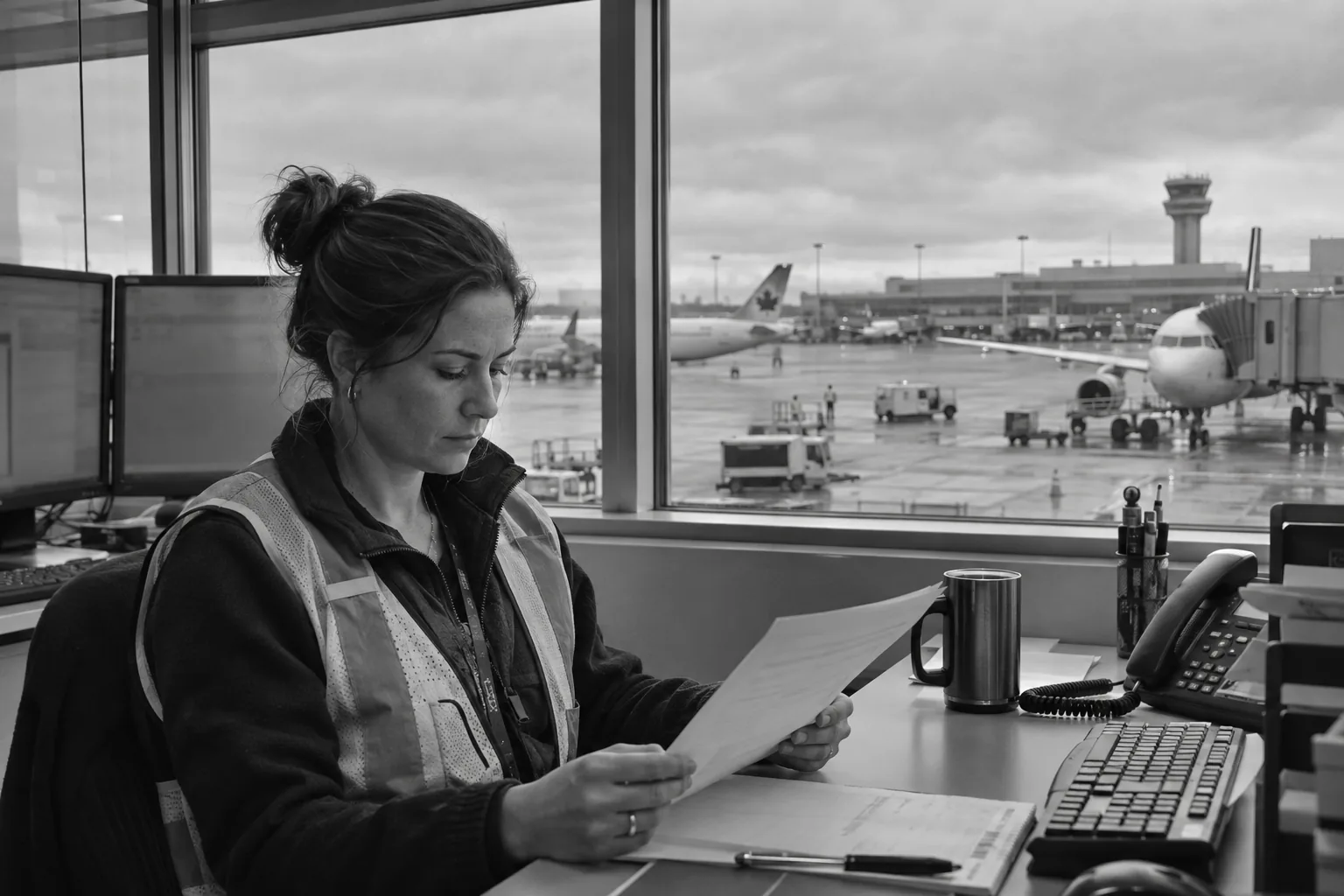
According to the report, pilots typically tell the nearest air traffic control tower, flight service station or other air traffic unit. That unit files an Aviation Occurrence Report with NAV CANADA, which sends it to Transport Canada’s CADORS team for assessment and processing. CADORS is the Civil Aviation Daily Occurrence Reporting System. Reporting route, pages 28–29.

Members of the public can also submit sightings through Transport Canada’s online aviation-incident reporting application. Those reports may appear in CADORS if they meet its inclusion criteria. The report describes follow-up on high-risk events and aggregate analysis for emerging aviation risks; this is not a general-purpose census of Canadian sightings. Transport Canada findings.
What happens to police and civilian reports
The report says the RCMP generally does not investigate UAP sightings unless they concern its public-safety or criminal-investigation responsibilities. At the time of the consultations, it had no formal policy for collecting or disseminating UAP reports and no UAP-specific classification system. Reports could be recorded under broader incident categories, making statistics difficult to retrieve. Police consultations, page 31.
Citizen-led organizations provide another route for receiving and investigating accounts. The report describes their continuing work but says it does not resolve fragmentation across government and nongovernment reporting systems. Executive summary.
Why the separate channels matter
The report identifies inconsistent collection, little coordination, limited follow-up and insufficient scientific involvement. Most departments did not compile the reports they received, making it difficult to establish report totals or describe responses to witnesses. Individuals rarely received follow-up unless safety or security concerns prompted further attention. Findings, pages 4–5.
For readers using these records, the distinction is important: a CADORS search covers an aviation reporting system, while police files and submissions to civilian groups reflect other channels. The report’s finding of scattered records means those sources should not be treated as interchangeable national totals. Reporting landscape.
What would change under the recommendations
The report proposes identifying a federal lead and establishing a dedicated service to collect testimony, investigate cases and publish analyses. It names the Canadian Space Agency as an organization that could be considered for the lead role—not an agency already assigned the job. These are proposals for government consideration, not evidence that a service was established. Recommendations, page 41.
It also recommends that Transport Canada and NAV CANADA encourage aviation reporting without stigma, analyze trends and provide explanations to pilots. Aviation reports could be correlated with public submissions about similar sightings. Other departments would continue receiving reports under their mandates and could forward relevant data to the lead organization. Aviation and collaboration recommendations.
Primary records
The official project page links both the final report and the January 2025 preliminary report. Use the final document’s agency consultations for reporting routes and its recommendations section for proposed changes. Our Sources and Methodology guide explains the site’s approach to evaluating records.
Frequently Asked Questions
Does CADORS count every Canadian UAP sighting?
No. The report describes separate aviation, police and civilian channels and fragmented records. CADORS entries alone cannot represent all of them. Executive summary.
Was the Canadian Space Agency chosen to run the proposed service?
No appointment is made by this report. It offers the CSA as a possible lead for consideration. Recommendation 1.