
The enacted FY2026 NDAA UAP requirements direct the All-domain Anomaly Resolution Office (AARO) to address NORAD and U.S. Northern Command intercepts in classified congressional briefings; require the Director of National Intelligence and Secretary of Defense jointly to ensure relevant intelligence and Defense components make UAP data immediately available to AARO while protecting intelligence sources and methods; and require AARO to account for applicable classification guides. These are information-sharing and congressional reporting duties, not orders to publish intercept records. The FY2026 National Defense Authorization Act is Public Law 119-60, enacted December 18, 2025; FY2026 ran from October 1, 2025, through September 30, 2026.
North American aerospace intercept records
Under Public Law 119-60, § 1671, the AARO Director must address UAP intercepts conducted by the North American Aerospace Defense Command (NORAD) or United States Northern Command during each briefing’s covered period. The Director must make available a summary accounting for all qualifying intercepts, including their number, location and nature, the procedures and protocols followed, and the data collected or analyzed. The first briefing after enactment must also cover qualifying intercepts from January 1, 2004, through the end of its covered period whose details had not previously been provided. That historical lookback is not the start date for every later briefing.
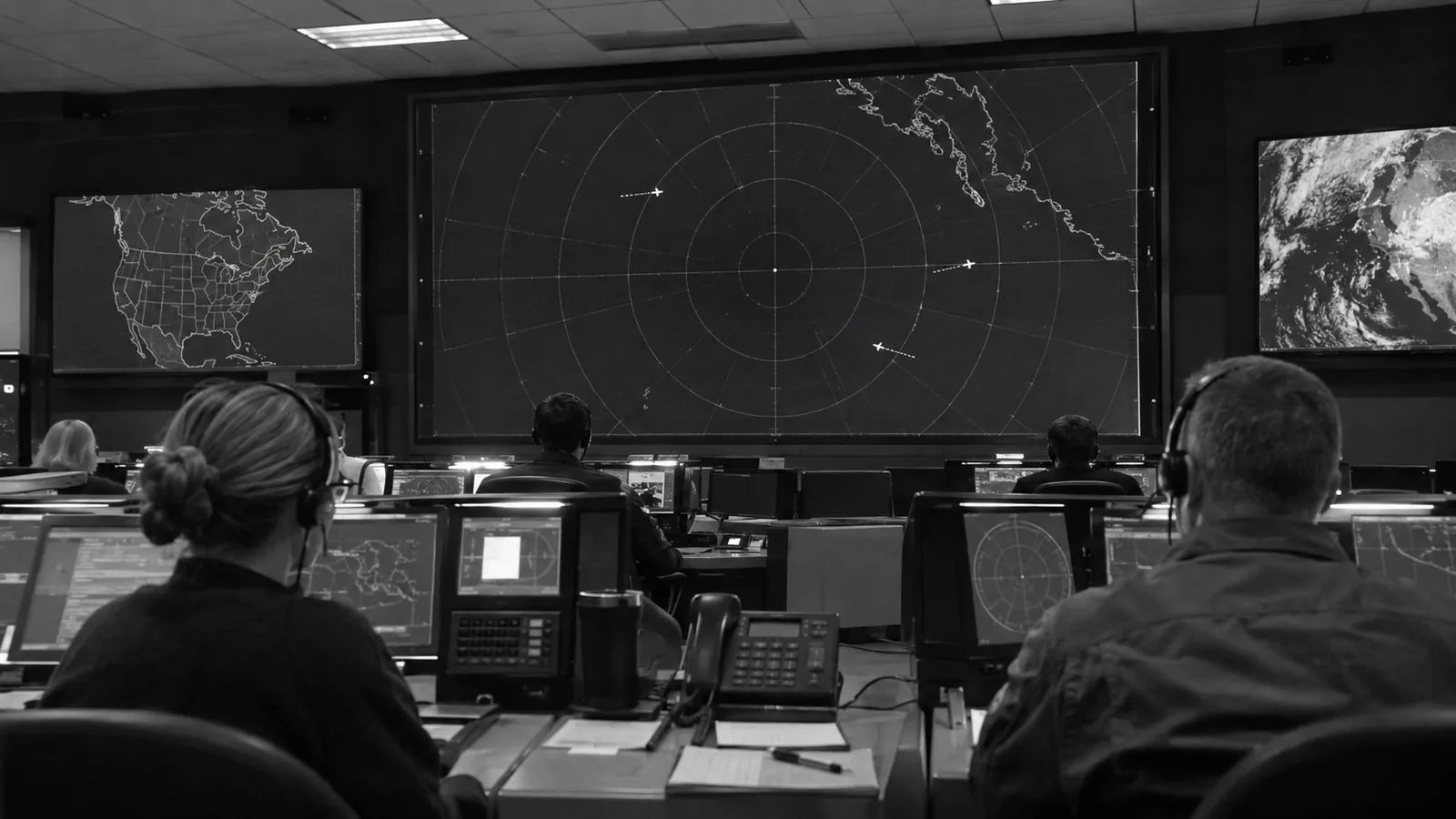
The intercept requirements, previewed in the site’s FY2026 NDAA proposal briefing, add to the existing classified congressional briefing process; the law sets no separate calendar deadline for the first intercept summary. The AARO Director must notify the appropriate congressional committees if either command fails to provide intercept information in time. The law requires a summary to be made available to those committees, but prescribes no separate format for it and no public release. Accounting for an intercept records an operational event and the information gathered about it; it is not a statutory finding about the intercepted object’s origin.
Classification guidance and public access
Section 1673 of the enacted law gives the AARO Director 180 days after enactment to account for classification guides applicable to UAP information. It permits, but does not require, a consolidated matrix. A description of the law as mandating one new, uniform classification guide would therefore overstate the requirement.

The Director must include information on the guides and any consolidated matrix in the report submitted during 2026 under 50 U.S.C. § 3373(k). That provision requires an unclassified annual report, with a classified annex permitted. The annual report is a different product from the classified briefings discussed below. Sections 1673(b) and 3373(k) distinguish the reporting channels.
Briefing requirements and congressional recipients
The AARO Director must provide classified briefings at least twice a year through December 31, 2026 to the “appropriate congressional committees.” That schedule comes from the pre-existing 50 U.S.C. § 3373(l)(1); Public Law 119-60, § 1671 adds intercept details to those briefings rather than creating the schedule. Section 3373(n)(1) lists the House and Senate committees responsible for armed services, appropriations, foreign affairs or relations, intelligence, homeland security, and the specified commerce and science portfolios. The recipients are broader than the armed services and intelligence committees alone.
Data sharing inside government
Section 1672(b) changes who must ensure AARO receives UAP data. The Director of National Intelligence and Secretary of Defense must jointly require each intelligence-community element and Defense component holding relevant data to make it immediately available to AARO, with intelligence sources and methods protected. The section also repeals a separate reporting provision, 50 U.S.C. § 3373a.
The amendment history for § 3373(f)(1)(A) shows the difference: the earlier wording placed the duty on the intelligence director, coordinating with the defense secretary, and referred to intelligence-community elements. The enacted wording expressly includes Defense components and makes the requirement joint.
Reading the mandates together
The three sections serve different purposes: section 1671 adds intercept details to congressional briefings; section 1672 addresses data access and duplicative reporting; section 1673 requires an accounting of classification guides while allowing a consolidated matrix. None is an automatic order to publish the underlying intercept records. The enactment establishes duties, not evidence that every duty has been completed.
This briefing concerns the enacted December 2025 law, rather than the earlier intercept proposal. Its classification-guide and data-sharing provisions explain how information is meant to reach AARO and Congress. For the site’s approach to separating legal requirements from claims about implementation, see Sources and Methodology.
Frequently Asked Questions
What happens if NORAD or U.S. Northern Command does not provide intercept information in time for a briefing?
Under section 1671, the AARO Director must inform the appropriate congressional committees of any failure to provide timely intercept information.
Does the first briefing have to revisit every qualifying intercept since 2004?
Section 1671(b) covers qualifying intercepts from January 1, 2004, through the end of the first post-enactment briefing’s covered period whose details had not previously been provided.
Does the law require a single new classification guide?
No. Section 1673 requires an accounting of applicable guides and permits a consolidated matrix. Those are not the same as replacing every guide with one uniform document.