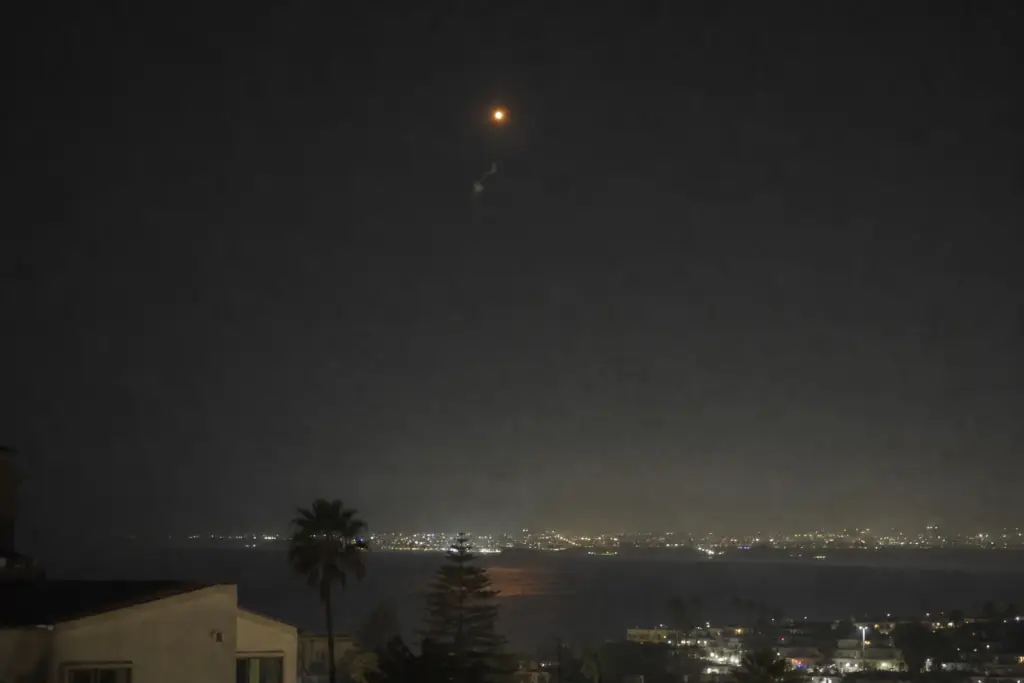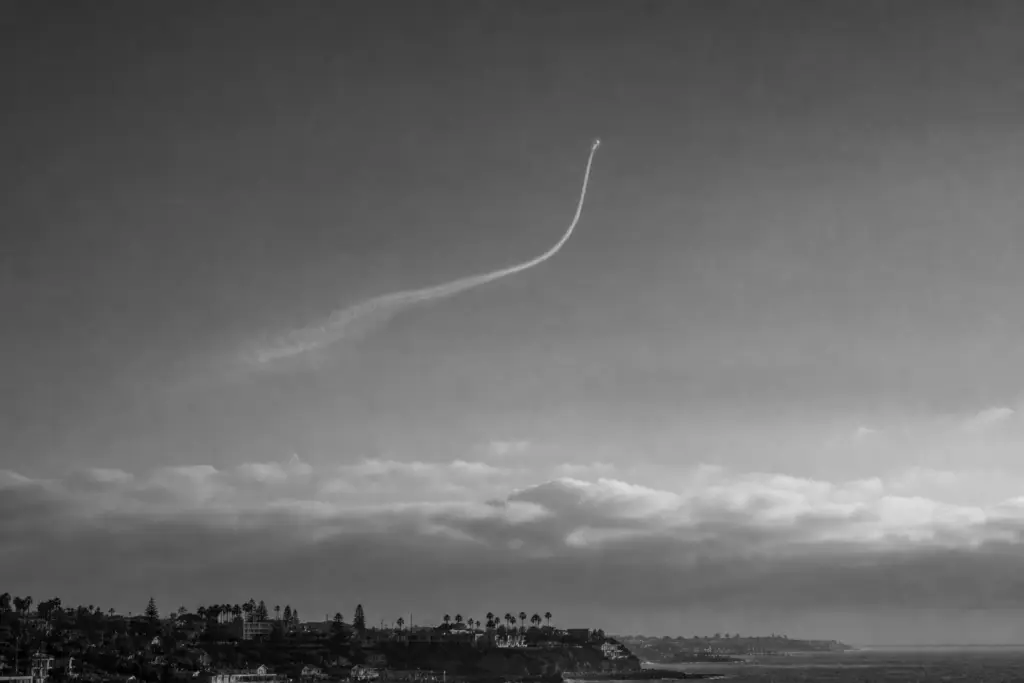
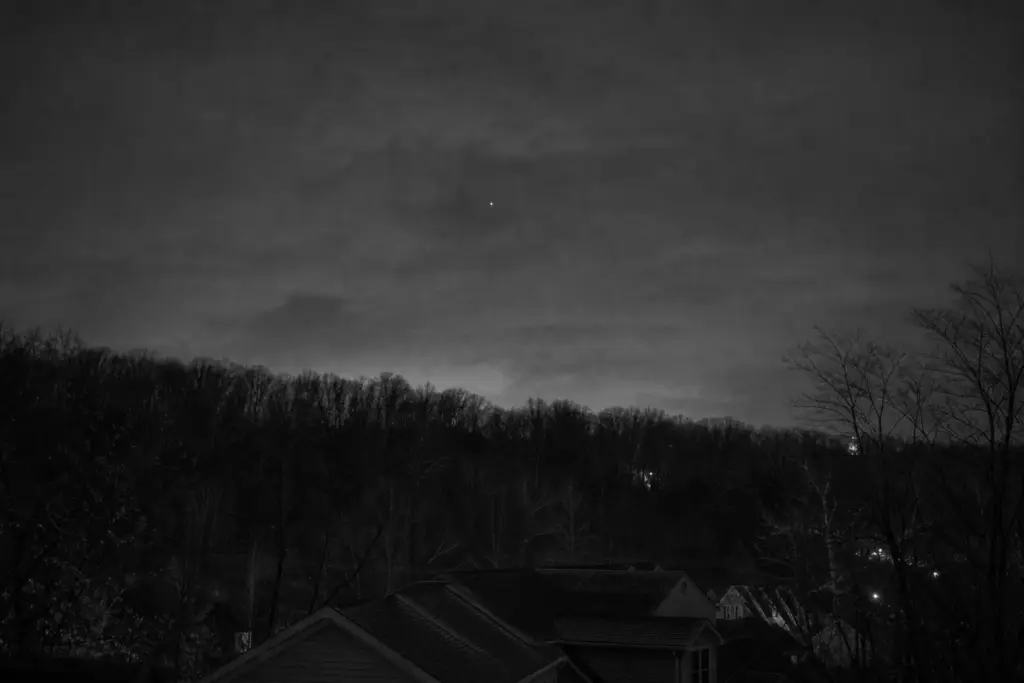
February 22, 2020 is the essential checkpoint for the Clarks Summit UFO crash landing claim, which combines an alleged descent or crash with reports of prolonged military helicopter activity. These are separate propositions, not a single established event: an observer may report an unfamiliar object in the sky; a “crash” adds the interpretation that it came down; and helicopters, even if genuinely observed, do not by themselves identify a mission, an operator, or a connection to the object.
This examination begins with an important limitation: no section-specific primary records, named firsthand accounts, official incident reports, or authenticated imagery were supplied with the initial case material. That gap does not disprove every report, but it prevents the allegation from being presented as a confirmed crash. A strong record would connect a dated firsthand observation to a precise location and independently corroborate it through material evidence, emergency-response records, aviation information, or an attributable official statement. A weak record consists of later retellings, untraceable posts, or an inference that unusual aircraft activity must indicate a recovery operation.
The sections that follow therefore treat the February 22 account as a claim to be tested. They will separate reported observations from witness interpretation, assess whether a reliable timeline can be reconstructed, and consider ordinary explanations for helicopters before drawing conclusions about an extraordinary one.
What Was Reportedly Seen Near Clarks Summit on February 22, 2020
The allegation can be separated into three reported components, each requiring its own evidence trail. First is an unusual aerial object: a sighting can establish only what an observer describes, such as lights, motion, direction, apparent descent, or sound, not the object’s identity or fate. Second is a claimed ground location, where an observation becomes a crash allegation only if the account identifies a place and provides evidence that something actually came down there. Third is the report of helicopters operating for an extended period, which may be independently real without establishing either a military operator or a connection to the earlier claim.
For this alleged Clarks Summit UFO sighting on February 22, 2020, the material provided for this review contains no earliest traceable public post, named interviewee, contemporaneous news report, or authenticated recording that supplies a time, observation point, direction of travel, or specific recovery site. It likewise does not preserve exact attributable wording for the alleged crash or for the duration and identity of the helicopters.
That absence fixes the present evidentiary status: the article examines a localized report, not a confirmed crash landing or military operation. A dated firsthand account would be direct testimony; separate accounts agreeing on time and location would be corroboration; a later claim that helicopters “must have” been recovering a craft would remain interpretation unless independent records link the events.
Reconstructing the Reported Timeline: Object, Ground Response, and Helicopters
A chronology cannot responsibly begin with a presumed crash time. The available case material fixes only the date attached to the allegation, February 22, 2020, not the hour at which an object was reportedly seen, the point at which it was thought to descend, or the time at which any ground response allegedly began.
The proposed sequence therefore has three unfilled stages: an initial observation, an alleged event on the ground, and later helicopter activity. No dated firsthand post or recording currently establishes the first stage. There is no named observer whose account preserves the object’s appearance, direction, duration, or last visible position. Without those particulars, accounts of an object “coming down” cannot be placed before, during, or after the alleged ground event.
The ground-response portion is still less defined. A credible timeline would identify a location and describe observable activity, such as emergency vehicles, a secured area, personnel, debris, smoke, or a documented public-safety call. The supplied material identifies none of those details. Calling any unseen response a recovery operation is an inference, not eyewitness testimony.
Reports of military helicopter activity also lack a usable start time, end time, aircraft description, flight path, photograph, video, or independent local account. “Military” describes an asserted operator, while “helicopter activity” describes an observation; neither establishes mission purpose. Even if helicopters were present, the Clarks Summit helicopter activity UFO narrative does not demonstrate that they responded to an anomalous object.
Later repetition online should not be treated as multiple witnesses unless each post identifies an independent observer and a contemporaneous observation. At present, the timeline has a date but no reliably sourced sequence; distinguishing reports from documented incidents remains essential. The most accurate reconstruction is therefore a set of reported elements whose order, and connection, remains unverified.
The Reported Crash Landing: What Would Count as Evidence?
A crash claim becomes testable only when it points to a physical event at a place that others can examine. A light appearing to drop behind a ridge, a burst of smoke, or a loud report may be sincere firsthand observation, but each is an interpretation-sensitive signal: distance, darkness, terrain, weather, and an unseen source can make an object’s direction or outcome difficult to judge. None, by itself, demonstrates that a craft struck the ground.
Direct evidence for the reported Clarks Summit UFO crash landing would include an identifiable site that can be geolocated; an original, time-stamped image or video showing an object descending, impact effects, debris, fire, or responders; or physical material whose discovery location, handling, and later examination are documented. Such evidence connects the claimed aerial event to a specific ground outcome. A photograph of lights without a fixed location or capture time is weaker: it may support that something was seen, not that anything crashed.
Corroborative evidence would be independent records tied to the same area and time window, such as police, fire, EMS, forestry, utility, or aviation incident entries, or separately documented witnesses describing the same site and observable aftermath. These records would not automatically identify an object as extraordinary, but they could establish whether there was an emergency, fire, damaged infrastructure, search, or recovery activity requiring explanation.
None of those forms of direct or corroborative material is presently available in the case material supplied for this review. There is no recoverable crash-site coordinate, authenticated visual record, named firsthand witness account, incident number, or documented physical evidence. The alleged crash is therefore unverified, while any assertion that an unseen craft was recovered remains unsupported speculation, not an inference warranted by the reported lights, sound, or later helicopter narrative.
Were Military Helicopters Present, and What Else Could Explain Them?
The helicopter strand has no reliable place in the February 22, 2020 sequence beyond the date and the Clarks Summit area attached to the allegation. The case material supplies no named firsthand observer, original video or audio, tail number, call sign, route, altitude, takeoff point, landing point, or archived aircraft-tracking data. It therefore does not independently establish that a helicopter was present, that it was military, or that it followed the reported aerial event.
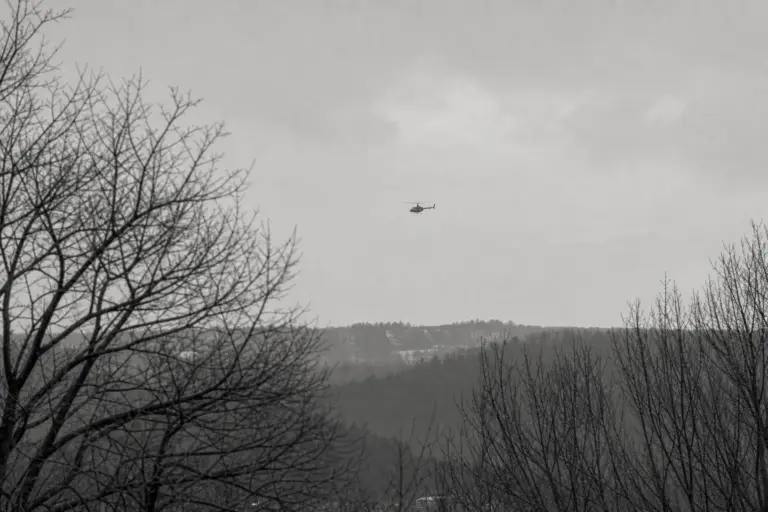
“Military” is a conclusion that requires identifying details, not merely a dark helicopter, loud rotor noise, low flight, or more than one pass. A stronger identification would join a time-stamped track to an aircraft type, registration or call sign, plotted route, altitude, and attributable operator. ADS-B and other aircraft-tracking data can sometimes preserve those fields; a missing public track means only that a public feed did not provide a usable record. It does not identify an aircraft or demonstrate a concealed mission.
Route shape and timing would also matter if an aircraft were identified. Repeated circuits over one small area may fit training or a search pattern, while a point-to-point flight with a brief orbit may fit medical transport or law-enforcement support near a landing site. A transit flight, weather-related diversion, utility work, or private operation could likewise be mistaken for sustained activity. FAA Notices to Air Missions, altitude changes, and independently recorded emergency activity would help distinguish those possibilities from a recovery claim.
For the reported Clarks Summit helicopter activity UFO narrative, none of those mission-level links is present for February 22, 2020. There is no supplied track, operator statement, incident entry, or contemporaneous account tying an aircraft to a particular mission or ground location. The helicopter report remains uncorroborated and cannot serve as evidence that a crash occurred or that a recovery operation followed.
Records That Could Confirm or Challenge the Account
The next useful step is to seek records that can anchor individual parts of the account to a time and place, rather than treating every alleged element as evidence of one event. Emergency dispatch logs can show whether a call for police, fire, EMS, or another response was entered during a defined window; they do not identify an unknown object unless the entry itself records independently observed facts.

A narrowly framed public records request should specify February 22, 2020, the relevant municipality or county service, a time range, and the kind of incident sought. A responsive incident number, call type, dispatch time, and disposition could corroborate emergency activity. A no-record response, a partial release, or an exemption response would instead define what was searched or withheld; none would establish a recovery operation by itself.
Contemporaneous local newspaper, broadcast, municipal, and agency archives are useful because a dated report may preserve who observed something, where it occurred, and whether officials addressed it. An official statement can establish what an agency chose to confirm, deny, or leave unresolved, but its absence should not be recast as evidence of concealment. Archived aviation-position data may similarly support a particular aircraft’s presence only when its time, route, and identification can be tied to the reported area.
Images and video require their own provenance test. The strongest file is an original upload with a preserved creation time, intact metadata where available, a verifiable location, and a clear chain from the person who recorded it. A repost, screen capture, or edited clip may document that a claim circulated, but not necessarily when or where the footage was made. Until records of these kinds converge on a specific location and sequence, they can challenge or refine the Clarks Summit UFO crash landing account without converting it into a verified crash.
How the Clarks Summit Report Fits Into UAP Disclosure Discussions
National attention to unidentified aerial phenomena changes the vocabulary available to discuss a report; it does not raise the evidentiary status of a local allegation. UAP disclosure concerns what public institutions release or discuss about reports in their possession. It is not a finding that every sighting, apparent descent, or claimed recovery elsewhere involved an extraordinary craft.
The distinctions matter here. An unresolved report is one that cannot be settled from the information available. An unidentified report means the object or event has not been reliably assigned to a known category. Neither label means non-human, and an extraordinary explanation becomes plausible only when the evidence rules out more ordinary alternatives rather than merely leaving questions unanswered.
A case-specific statement from a Pentagon UFO office, a dated agency record, or an investigation reference tied to Clarks Summit could materially change the assessment because it would connect an institution to a defined event, place, and time. No such statement or reference was supplied for this review. Broader debates about government review of UAP cases, transparency, or non-human intelligence therefore cannot fill the missing links between the February 22 allegation, an alleged impact site, and the reported helicopters.
The appropriate standard remains local and specific: independently attributable observations, a reconstructable timeline, and records that bear on the same incident. Without those links, the Clarks Summit report belongs in the category of an unverified claim discussed within UAP culture, not a documented example of a crash or retrieval.
Bottom Line: What Is Confirmed, What Is Reported, and What Remains Unverified
The decisive checkpoint is whether any item ties the allegation to a particular time, place, and independently identifiable source. None of the material reviewed does so.
- Confirmed: the reviewed case material contains no named firsthand witness, original photo or video, precise site, dispatch entry, official incident report, aircraft identifier, or agency statement tied to the alleged event.
- Reported: the narrative alleges an unusual object, an apparent crash or ground event, and extended helicopter activity. These remain reported elements rather than independently corroborated observations.
- Unverified: no available record establishes an impact, helicopter presence, a military operator, or a recovery operation.
The absence of a public explanation is not affirmative evidence of a government UFO cover-up. Concealment would require positive, case-specific material, such as authentic records, identified participants, or independently verifiable physical evidence, not merely an evidentiary gap.
The strongest next leads are the earliest original media file, independent witnesses able to give observation details, time-bounded emergency-dispatch records, and aircraft identification through a tail number, call sign, or reliable tracking data. Unless those links emerge, the Clarks Summit UAP report remains unresolved but unsupported as a crash claim, regardless of broader UAP crash-retrieval allegations.
What the Clarks Summit Report Actually Establishes
Repetition can make an allegation seem firmer than the material beneath it. The February 22, 2020 label and the existence of a later narrative are the only fixed points established in this review; neither identifies a witnessed impact, site, aircraft, or responding agency.
Reports of an unusual object, a possible ground event, and helicopters remain separate elements whose connection has not been demonstrated. Even a reliable account of helicopter activity would establish only that aircraft were observed. It would not, without a matching time, location, operator identification, and mission record, establish a crash, recovery operation, military involvement, or nonhuman craft.
A stronger conclusion would require converging evidence for the same place and time: identifiable observers providing contemporaneous testimony, official records showing an emergency or aviation-related response, and physical or visual material with a traceable origin. A repost, an interpretation of distant lights, or rotor noise cannot supply those missing links.
The appropriate conclusion remains narrow: this is an unresolved UAP report, not an independently substantiated crash event. Government interest or classified programs alone do not verify extraterrestrial craft or a local crash claim. Future evidence could change that assessment, but it would need to withstand provenance, timing, location, and independent-corroboration tests rather than be fitted retrospectively to the existing story.
Frequently Asked Questions
Was there a UFO crash in Clarks Summit, Pennsylvania, on February 22, 2020?
No verified evidence establishes that a UFO crashed in Clarks Summit on February 22, 2020. The claim has no named firsthand witness, precise crash site, authenticated media, dispatch record, official incident report, or documented physical evidence.
What was reportedly seen near Clarks Summit on February 22, 2020?
The report combines three unverified elements: an unusual aerial object, a possible descent or ground event, and prolonged helicopter activity. No traceable contemporaneous account provides the object’s time, direction, appearance, last visible position, or a specific impact location.
Why were military helicopters reportedly seen near Clarks Summit in February 2020?
No evidence identifies the reported helicopters as military or establishes their mission. Possible ordinary explanations include training, medical transport, law-enforcement support, transit flights, weather diversions, utility work, or private operations.
What records could confirm helicopter activity near Clarks Summit on February 22, 2020?
Useful evidence would include time-stamped aircraft-tracking data, a tail number, call sign, aircraft type, route, altitude, takeoff or landing point, and an attributable operator record. Emergency dispatch logs, FAA Notices to Air Missions, local news archives, and independently recorded eyewitness media could also help establish activity at a specific time and place.
What should I look for before treating the Clarks Summit UFO report as a real crash or recovery?
Look for converging evidence tied to the same location and time, including identifiable witnesses, original time-stamped media with provenance, a geolocated site, emergency-response records, and aircraft identification. Helicopter sightings or unexplained lights alone do not establish a crash, military involvement, recovery operation, or nonhuman craft.