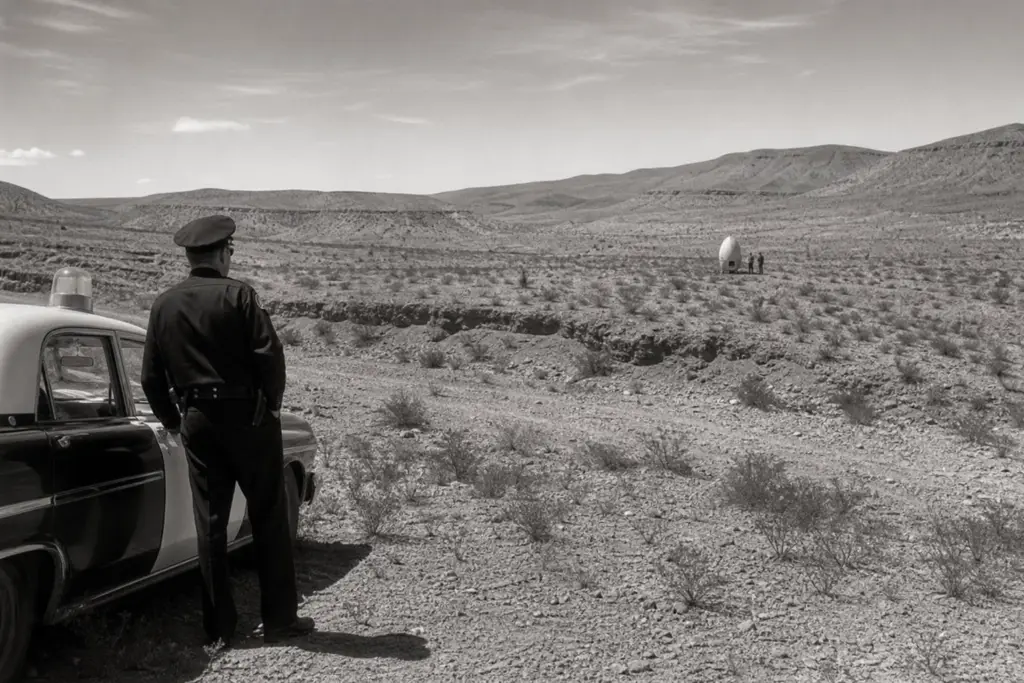
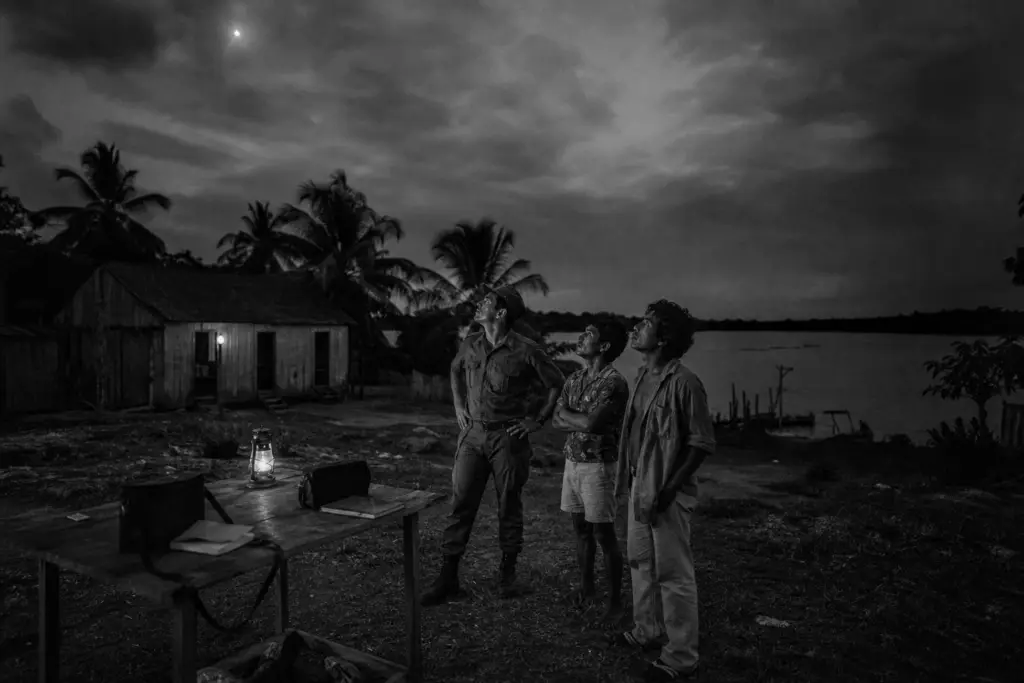
In Pará in 1977, reports of lights in the sky became more than a curiosity for the communities that described them: the accounts carried fear, disrupted ordinary routines, and drew official attention. Operation Prato is best approached not as a self-proving UFO legend, but as the name attached to a Brazilian Air Force field response to that atmosphere of alarm, particularly around Colares and the wider Pará region.
This distinction matters. A witness report records what a person said they experienced; a military photograph, log, interview, or memorandum records that an institution collected material; neither category alone establishes the nature of the reported phenomenon. The investigation’s lasting importance rests on the coexistence of local testimony and a surviving administrative trail. At its operational center was Uyrangê Hollanda, whose field work, collection of observations, and later public recollections helped define how the episode would be remembered. The pages that follow separate those layers carefully: contemporaneous records first, reported experiences next, and retrospective testimony last. That method clarifies both what the case documents, a serious military inquiry into alarming reports, and what its surviving evidence does not prove.
Operation Prato: A Rarely Documented Military UFO Case
The surviving file trail gives the Pará inquiry an unusual place in Brazilian UFO history. Brazilian Air Force and National Archive holdings identify a 1977 operation in Pará, linking the official response to reports from Colares and nearby communities rather than leaving the episode dependent solely on later recollection. That preservation is the case’s strongest feature: it fixes the investigation in a named institution, a defined region, and a specific year.
The records establish that the Air Force investigated reports; they do not settle what witnesses saw or experienced. Descriptions of luminous objects, directed beams, bodily marks, and injuries belong to witness accounts collected amid the 1977 alarm. A photograph or interview shows that material was recorded, whereas an independently established conclusion would require evidence identifying the object or cause. The available record does not provide that final identification.
Uyrangê Hollanda is central because he connected the field inquiry to its enduring public narrative. As the officer associated with on-the-ground work in Pará, he helped gather observations and move them into formal reporting; in later interviews, he also offered retrospective accounts that drew renewed attention to the case. Those later statements matter as testimony from a participant, but they are not interchangeable with the contemporaneous Brazilian Air Force UFO files. That distinction makes Operation Prato important to debates over historical UFO disclosure without treating an investigation as proof of an extraordinary explanation.
What Happened in Colares and Pará in 1977?
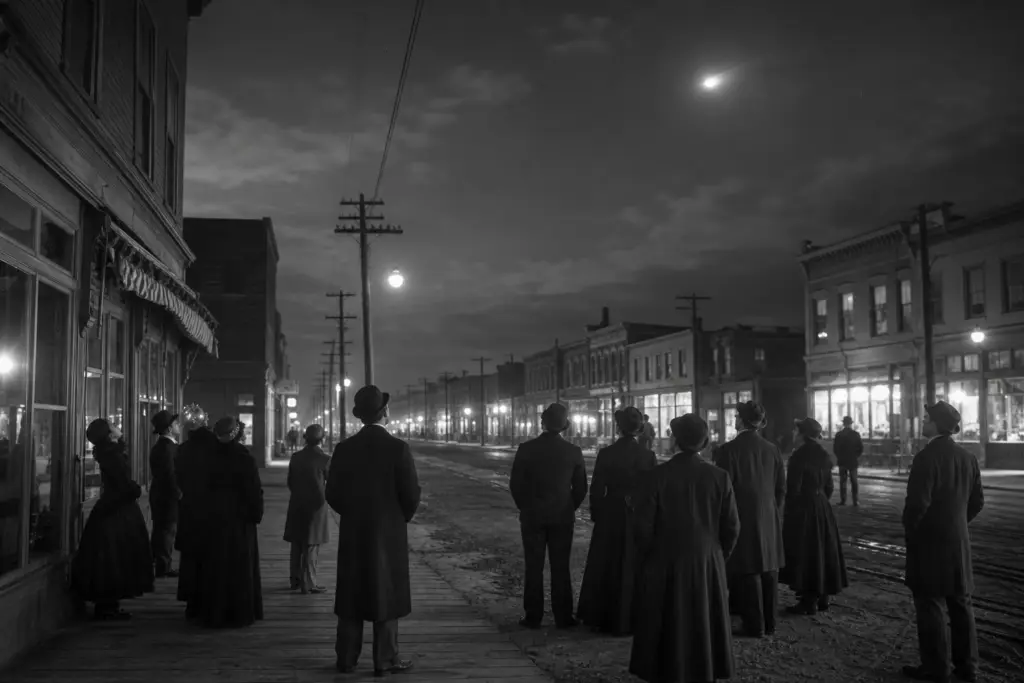
For the people at the center of the episode, the immediate issue was not an abstract aerial mystery but a growing sense that nighttime had become unsafe. In Colares, a riverine island community near Belém, and in other Pará localities, residents described recurring lights and luminous objects during the 1977 Pará UFO wave. Accounts circulated through neighbors, local reporting, and later interviews, giving the reports a shared vocabulary even when descriptions differed.
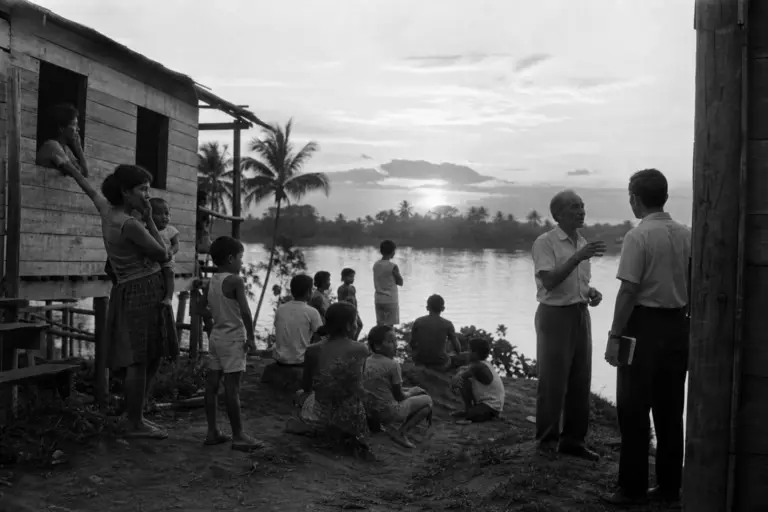
The most alarming label was chupa-chupa: a local name for reported encounters in which witnesses associated a light or beam with bodily effects. Residents variously described weakness, burns or marks, dizziness, and a sensation of being struck or drained. Those claims record reported experiences and the fear they produced; they do not establish that an aerial object caused an injury, nor do they identify the origin of any light.
That distinction is essential to understanding the Colares UFO sightings. A bright object seen at distance, a beam reported during a frightening encounter, and a subsequent physical complaint are different kinds of evidence with different limits. Press accounts and retellings can show that the stories were widespread and consequential, but they cannot independently reconstruct every event or settle its cause.
Fear altered behavior. Later accounts describe residents staying indoors, organizing night watches, using lamps or fires, and gathering in groups rather than remaining alone outside after dark. Belém served as the region’s larger communications center, while concern radiated through smaller coastal and island communities whose reports made the situation appear broader than a single isolated sighting. It was this atmosphere of repeated reports, physical-anxiety claims, and disrupted routines, not proof of an extraordinary attacker, that formed the human setting for Operation Prato.
Who Was Uyrangê Hollanda, and What Was His Role?
The name most closely associated with the field team is Captain Uyrangê Hollanda, a Brazilian Air Force officer whose work in Pará made him the investigation’s most visible operational figure. His importance rests on proximity to the inquiry: he is linked to the personnel who went into the affected area, received accounts, observed conditions, and produced material that entered the military file.
That role should be defined carefully. A field officer can organize day-to-day activity, direct a small deployment, and consolidate observations without being the sole author of an operation or the final authority for its conclusions. The available record supports treating Hollanda as central to the on-the-ground work associated with Operation Prato; it does not justify treating every action, document, or institutional decision as his alone.
The wider structure mattered. Comando Aéreo Regional I, the Brazilian Air Force’s First Regional Air Command, was the regional command framework through which activity in the Belém and Pará area could be organized. Regional command is different from a field detachment: it supplies the military chain of authority, personnel, communications, and reporting route, while officers in the field carry out the practical collection work. This distinction prevents a common error in later retellings, confusing Hollanda’s evident field prominence with exclusive command of the entire response.
Hollanda’s influence also extended beyond the 1977 deployment. The contemporaneous materials associated with the inquiry preserve an institutional record, whereas his later interviews supplied a retrospective account from a participant who had become publicly identified with the case. Both matter, but they answer different questions: the first shows that military personnel documented reports in Pará; the second shows how Captain Uyrangê Hollanda later interpreted his experience. Neither category, by itself, establishes what the reported phenomena were.
How Operation Prato Gathered Evidence in the Field
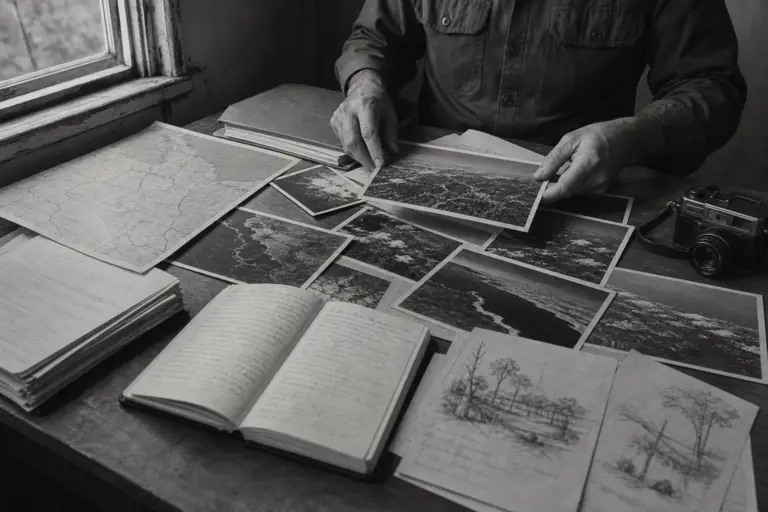
In the field, the inquiry turned fleeting reports into material that could be compared, dated, and passed up the command chain. Personnel deployed to affected Pará communities, heard accounts from residents, watched the sky during observation periods, and assembled photographs, drawings, notes, and formal written reports. This mix matters because each item captures a different part of an event: testimony preserves a claimed experience, while an observation entry records what a team member believed they saw at a particular time and place.
Interviews were necessary because the reports often began with individual encounters. They could preserve descriptions of shape, color, motion, direction, sound, duration, and alleged physical effects, as well as the witness’s location and circumstances. Their weakness is equally clear: memory, fear, darkness, repetition of community stories, and the absence of instrumental measurement can affect how an experience is described. Multiple accounts may show that a concern was widespread; they do not automatically establish that every witness observed the same object.
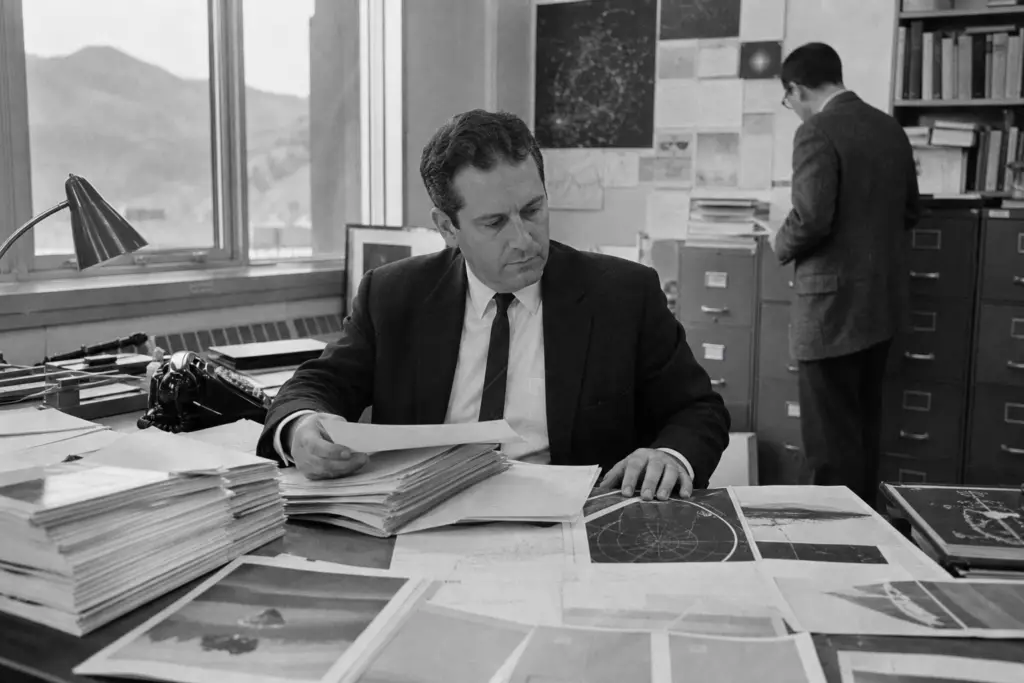
Photographs and sketches added a visual layer. A photograph can preserve an image recorded by a camera, and a sketch can make a witness or observer’s verbal description more specific. Neither is self-interpreting. Without securely recorded camera settings, exposure conditions, a known scale, a chain of custody, or an independently identified reference point, an image may be difficult to date, locate, or identify. A drawing is even more directly interpretive: it documents what someone represented, not necessarily an object’s measured form.
Logs, dated notes, and reports are the strongest evidence for the investigation’s activity itself. They can link observations and collected materials to named personnel, locations, and a reporting sequence, making the Brazilian military UFO investigation historically significant. But military paperwork establishes that personnel documented reports and observations; it does not, by itself, resolve what produced them. Operation Prato therefore left a substantial record of collection, not an official demonstration of extraterrestrial or non-human intelligence.
How Hollanda’s Reporting Shaped the Brazilian Air Force Record
The decisive step was not simply collecting material, but turning it into a reportable chain: an observation or interview had to be associated with a date, place, participant, and accompanying item before it could carry meaning inside a military file. Hollanda’s importance lies in that transition from field encounter to institutional record. His proximity to the team’s work made him a link between what was gathered locally and what could be transmitted through Brazilian Air Force channels.
That distinction helps readers weigh the surviving record. A field report is stronger when it identifies who prepared it, when and where the activity occurred, what its stated purpose was, and whether photographs, sketches, or witness material can be connected to it. A loose image or an undated recollection may still be historically interesting, but it cannot establish the same sequence of custody and reporting.
Public access to declassified records and National Archive holdings changes the case in one important respect: it allows researchers to examine an institutional trace rather than relying solely on later retellings. Catalog descriptions, folders, memoranda, and attached material can show that an official response existed and preserve portions of its administrative context. They do not necessarily preserve every briefing, instruction, negative finding, or item collected in Pará.
For that reason, archival release is not an official endorsement of extraordinary explanations. It supports the narrower, consequential conclusion that Operation Prato generated a formal Brazilian Air Force record of its response to reports in Pará. The surviving Brazilian military UFO documents make Hollanda’s field role historically durable, while leaving the reported phenomena themselves unresolved.
Hollanda’s Later Public Testimony: Valuable but Not the Same as a Field Record
In public interviews recorded after the 1977 Pará deployment, Uyrangê Hollanda returned attention to Colares and the surrounding communities by describing the investigation from the standpoint of a participant. Those appearances mattered because a named member of the field effort was speaking publicly about events that had previously been known chiefly through military folders and local accounts.
That value differs from a field record’s value. A 1977 report can preserve a date, Pará location, author, recipient, and attached photograph, sketch, or interview material; a later interview preserves what Hollanda remembered and chose to emphasize after the operation had ended. The first can establish that a particular administrative or observational act occurred. The second is especially useful for reconstructing his perspective on that act.
The interval between the 1977 fieldwork and later public recollections matters. Memory can merge separate night watches, attach a later interpretation to an earlier sighting, or elevate an unusual episode over routine reporting. A public interview also invites narrative detail and personal meaning in a way that a command-chain report does not. When a later assertion cannot be matched to a dated 1977 log, image, memorandum, or independent witness account, the absence of that corroboration limits its historical weight.
His testimony therefore does not constitute Brazilian Air Force confirmation of extraterrestrial craft, alien disclosure, or a government UFO cover-up. Its real importance is narrower and more durable: it preserves the retrospective viewpoint of a central participant alongside the surviving 1977 material, without allowing a later conclusion to replace the unresolved record of what people in Pará reported seeing.
Why Operation Prato Endures in UFO History
Its endurance rests on an unusual convergence: a concentrated 1977 wave of reports in Colares and wider Pará, a Brazilian Air Force field response, surviving operational material, and the later account of an officer closely associated with the deployment. Most celebrated UFO cases preserve only one or two of those elements; here, the categories can be compared rather than collapsed into a single story.
That makes Operation Prato useful in responsible UAP disclosure discussions. Disclosure, in this limited historical sense, means public access to records that show what an institution received, observed, and did, not a guarantee that every reported object has been identified. A dated report or photograph is a stronger signal of official activity than an unsupported online claim; neither, by itself, resolves the phenomenon behind it.
Hollanda gives the archive its human continuity: his field leadership and reporting connect the Pará inquiry to its paperwork, while his later testimony explains why the episode retained public force. The durable conclusion is narrower and more important than sensational claims: the record demonstrates an investigation and preserves unresolved reports, not verified extraterrestrial activity.
What Operation Prato Ultimately Reveals
A useful checkpoint is whether a claim can be placed at a particular point in the 1977 chain: a Colares resident’s account, a team observation, or an item carried into a formal report. Interviews preserve what local people described; dated observation entries identify what personnel reported at a place and time; photographs, sketches, notes, and transmitted reports show how material moved through an institutional channel. None of these record types, alone or together, identifies the reported phenomenon.
Uyrangê Hollanda matters within that chain because his field leadership connected affected Pará communities to the paperwork generated during the deployment. His later public recollections added the viewpoint of an officer associated with the 1977 effort, but they remain retrospective statements rather than records composed during the operation. Maintaining that distinction takes neither the local reports nor Hollanda’s testimony lightly; it gives each category the evidentiary weight it can bear.
The final takeaway is disciplined rather than dismissive: the inquiry remains historically unusual because an institution responded to reports in Pará and left material open to examination. Its importance rests on that documented response and on careful evaluation of interviews, images, logs, and later testimony, not on treating every reported interpretation as proven.
Frequently Asked Questions
What was Operation Prato in Brazil?
Operation Prato was a 1977 Brazilian Air Force field investigation into reports of lights, luminous objects, and alleged physical effects in Colares and other Pará communities. Surviving files show that the military collected interviews, photographs, sketches, notes, and formal reports.
Who was Uyrangê Hollanda in Operation Prato?
Captain Uyrangê Hollanda was a Brazilian Air Force officer closely associated with the on-the-ground inquiry in Pará. He helped collect observations and move field material into formal reporting, then later gave public interviews about his experience.
What was the chupa-chupa phenomenon in Colares?
Chupa-chupa was the local name for reported encounters involving lights or beams that residents associated with weakness, dizziness, burns, marks, or a sensation of being drained. These accounts documented fear and reported symptoms, but did not establish that an aerial object caused injuries.
Are Operation Prato documents public?
Yes, declassified Brazilian Air Force records and National Archive holdings preserve material from the 1977 Pará operation. The available documents confirm an official response and record collection activity, but they do not identify the reported phenomena.
Did Operation Prato prove that UFOs in Colares were extraterrestrial?
No. Operation Prato established that Brazilian Air Force personnel investigated and documented reports in Pará during 1977, but the surviving evidence does not provide a final identification of the lights or objects. Photographs, witness accounts, logs, and later testimony preserve reports and observations rather than proof of extraterrestrial activity.