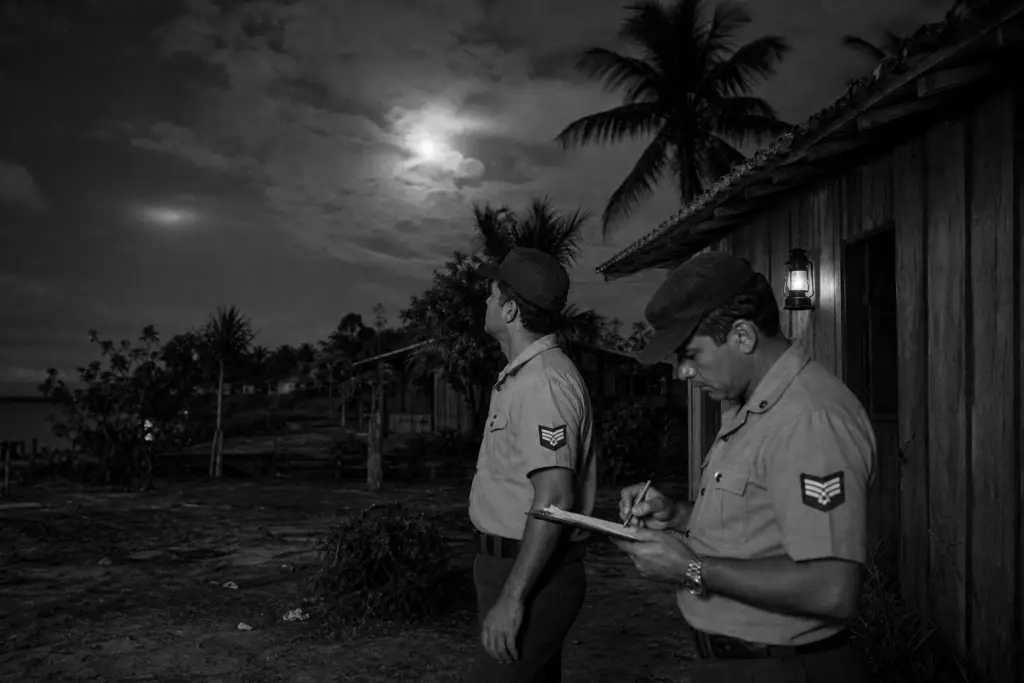
In 1977, reports from communities around Colares, in Brazil’s Pará State, drew an unusual response: the Brazilian Air Force sent personnel into the field to collect information, observe the sky, interview residents, and compile records. Known as Operation Prato, “Operation Saucer”, the mission is historically important not because it settled what people had seen, but because a military institution treated the reports as an operational matter worth investigating.
That distinction guides this account. Official files can establish that an inquiry occurred and show what officers recorded at particular times and places; they do not, by themselves, prove the cause of every reported light, object, injury, or encounter. Residents’ testimony is essential to understanding why the investigation began, yet testimony remains different from an independently verified finding. Later retellings add another layer, especially where they introduce conclusions not present in contemporaneous material.
Captain Uyrangê Hollanda is central to that boundary. He is widely identified with the field operation and later gave public interviews offering far-reaching interpretations of its events. His documented duties and his retrospective claims require separate treatment. The question here is not whether the case confirms a preferred explanation, but what the surviving record can responsibly show about the Air Force mission in Pará, and where certainty ends.
Operation Prato: What Brazil’s Military Investigation Actually Was
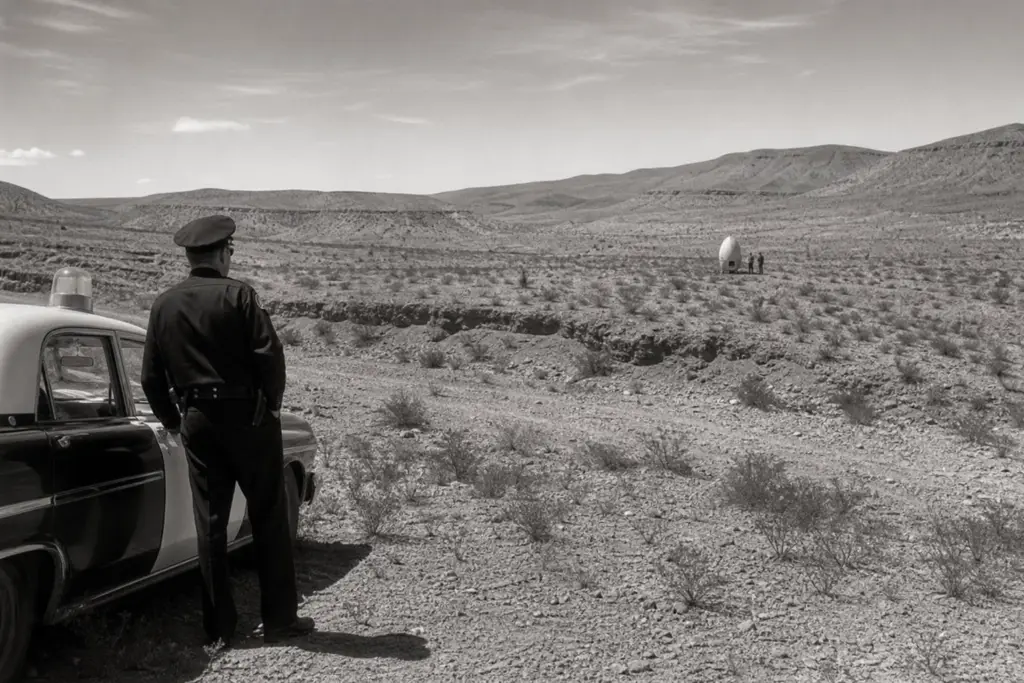
At its most defensible, Operação Prato, often translated as Operation Saucer, was a 1977 Brazilian Air Force fact-finding mission in Pará State. It was opened amid reports of unusual luminous phenomena and residents’ allegations of physical effects. The mission’s significance begins with that institutional response: military personnel were assigned to gather and organize information about a local episode that authorities considered serious enough to investigate.
Its surviving record matters to readers following UFO disclosure because it offers a comparatively visible example of a non-U.S. military inquiry, with operational paperwork and reported observations available for historical scrutiny. That is not the same as official confirmation of what the phenomena were. A report can preserve a witness account, an officer’s observation, a date, or a location; it does not automatically establish the cause of the event it describes. The crucial distinction is between documented investigative activity and an identified object or origin. Hollanda’s field responsibilities, and the much later conclusions he publicly attached to the case, belong on opposite sides of that evidentiary line.
Why the Brazilian Air Force Went to Pará: Colares and the 1977 Reports
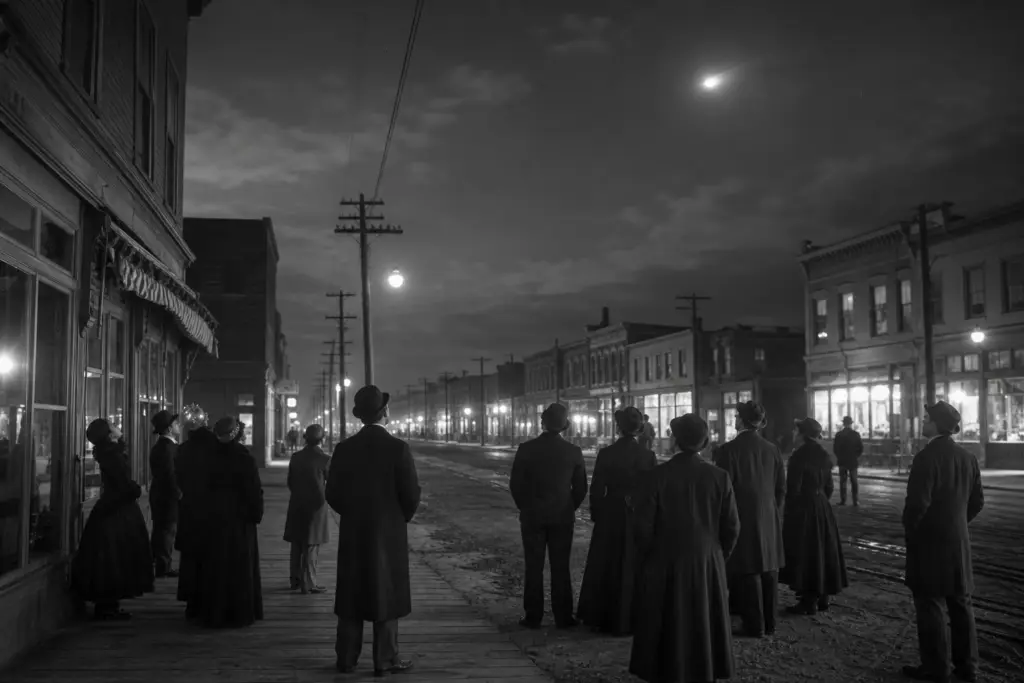
Colares sits in Brazil’s coastal Amazon region, where accounts could move quickly among homes, villages, and nearby communities. In 1977, residents reported recurring nighttime lights or luminous objects in the sky, accounts now commonly grouped as the Colares sightings of 1977.
The immediate concern was not only the reported appearances. Local testimony describes fear disrupting evening routines: some residents gathered together after dark, sought protection, and asked public officials for a response. Similar reports circulated beyond Colares into neighboring parts of Pará, making the episode a wider local concern rather than a set of isolated observations.
Many witnesses used the term Chupa-Chupa, roughly “sucker,” for the alleged phenomenon. In these accounts, lights approached people and were followed by weakness, burns, puncture-like marks, or other bodily symptoms. The term is a local label for a reported pattern; it does not identify one object, mechanism, or cause. Reported symptoms, however sincerely experienced or recorded, also do not independently demonstrate that a luminous object caused an injury.
That distinction explains the practical setting for the Air Force inquiry. Persistent reports of lights, public alarm, alleged physical effects, and requests for assistance gave officials events to collect and assess. The Colares UFO incident therefore began as an investigation into reported experiences and local disruption, not as proof that the phenomenon, or its origin, had already been established.
How Operation Prato Worked: The Mission, Personnel, and Field Methods
Watch logs and interview notes served different purposes in the field. A witness statement preserved what a resident recalled; an observation watch was intended to record what personnel themselves saw at a particular time and place. Teams moved among affected localities, collected accounts, maintained nighttime watches, and relayed information through the regional air-command structure. Neither record type, however, automatically established the cause of an event.
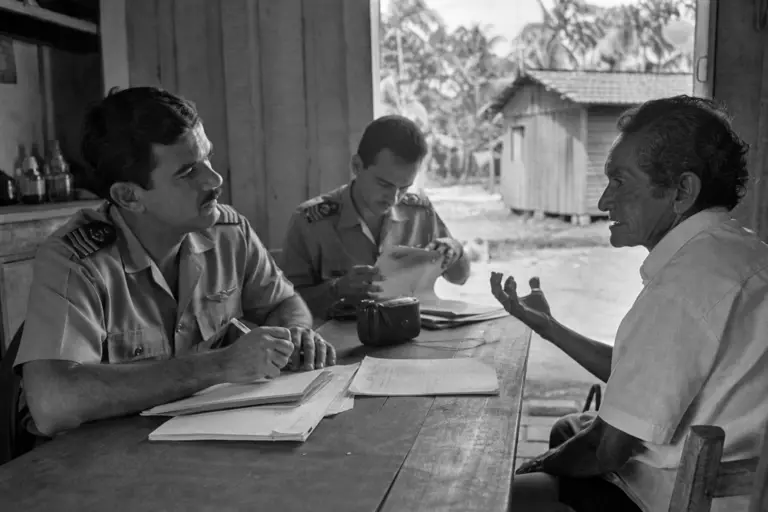
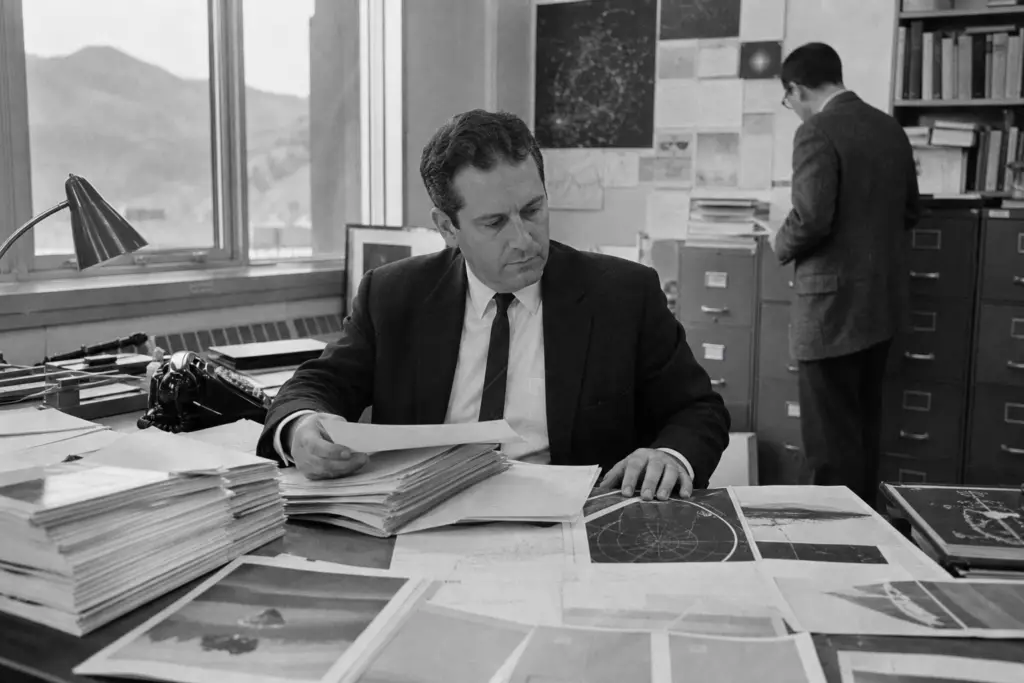
Operation Prato used complementary forms of collection. Written reports organized dates, locations, descriptions, and team activities. Photographs could preserve the appearance of a light or scene, subject to camera capability and exposure conditions; sketches captured reported shapes, paths, and relative positions when photography was unavailable or inconclusive. Communications sent up the regional command chain made this a formal Brazilian Air Force reporting effort rather than an isolated local survey.
The assignment was to document a live, uncertain situation, not to run a controlled scientific experiment or a confirmed contact mission. A controlled experiment measures defined variables under repeatable conditions. The Pará work instead depended on weather, nighttime visibility, travel between communities, witness memory, and the unpredictable timing of reports. Its output was a working dossier of observations and allegations, not a tested explanation.
Captain Uyrangê Bolivar Soares Nogueira de Hollanda is commonly associated with the field mission’s leadership or coordination, but those operational duties must be kept separate from the much later interpretations he offered publicly. The files are valuable for their contemporaneous trail: whom personnel contacted, where they went, what they recorded, and which materials they produced. Their limit is equally important: a report can show that an observer or witness described a light, movement, or effect, but it cannot by itself determine an object’s origin, mechanism, or meaning.
What the Brazilian Air Force Files Describe, and What They Do Not Establish
Memoranda and situation reports are most useful when read as dated administrative records rather than as a single block of proof. They can establish that personnel received information, assigned work, and maintained an internal reporting chain; entries can also connect a particular account or observation to a stated locality and time. That is stronger evidence of an organized inquiry into the 1977 Brazilian UFO reports than a later retelling, but it does not turn every reported observation into an identified physical object.
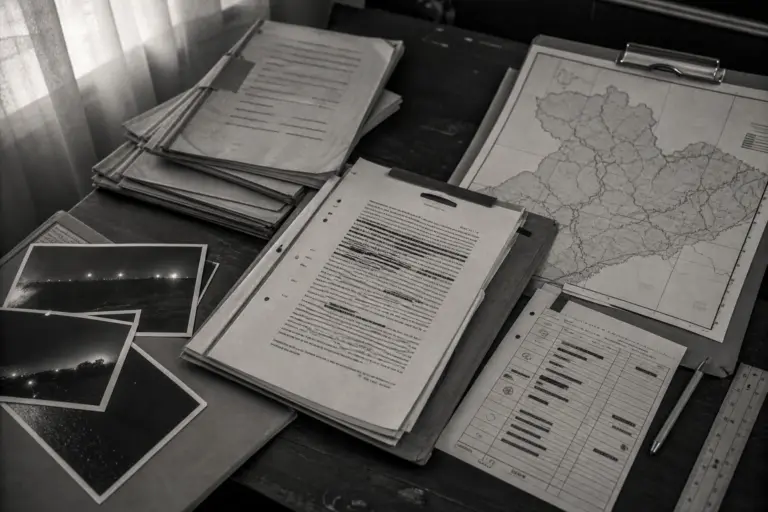
Witness statements preserve descriptions: a person’s recollection of a light, shape, motion, sound, or claimed bodily sensation. Their value lies in recording what that person said at the time and allowing comparisons among accounts. They do not, by themselves, establish distance, speed, source, mechanism, or cause. Similar accounts may indicate a pattern in reporting, without resolving whether observers saw the same event.
Photographs and sketches serve different evidentiary purposes. A photograph preserves image data, but its meaning depends on context such as camera position, exposure, lens behavior, direction of view, weather, and a traceable record of handling. A sketch is not an image of the phenomenon; it is a witness’s or investigator’s visual reconstruction, useful for comparing reported form or trajectory but inherently interpretive.
The compiled Brazil UFO documents therefore support a narrow, important conclusion: personnel recorded reports of unusual luminous phenomena and assembled case material about them. Publicly available pages are a surviving and potentially incomplete archive; copies, translations, and detached images can lose provenance. No released file conclusively identifies the reported phenomena as alien spacecraft or non-human intelligence. The records document an investigation and its reported observations, not a final explanation for them.
Captain Uyrangê Hollanda’s Role: Documented Command Duties and Later Testimony
Captain Uyrangê Bolivar Soares Nogueira de Hollanda is the name most closely associated with field command in Pará. Operational material linked to the mission places him among the personnel directing or coordinating field activity: receiving reports, organizing observation work, communicating through the command structure, and overseeing the collection of statements and visual material. That role makes him an important participant in the military investigation, but it does not make every later account attributed to him an official finding.
The distinction turns on both timing and document type. A 1977 operational report can show what Hollanda’s team was assigned to do, what personnel recorded during a watch, and what information moved through the command chain. It is stronger evidence for the existence and conduct of the mission than an interview recalled decades afterward. It does not, however, preserve a complete personal account of what each officer may have believed privately.
In recorded interviews given in 1997 and later circulated through Brazil’s Revista UFO and related UFO-media coverage, Uyrangê Hollanda described experiences and interpretations far beyond the restrained language of the operational files. He spoke of direct encounters and of an intelligence behind the phenomena. Those statements are historically consequential because they helped shape Operation Prato’s public reputation and Hollanda’s role in Brazilian UFO literature.
They remain retrospective testimony, not contemporaneous FAB conclusions. A strong reading keeps the categories separate: official records establish Hollanda’s participation and command duties; his later interview preserves what he said he experienced and came to believe. The latter may guide questions about gaps in the surviving record, but it cannot by itself demonstrate alien contact or convert an unresolved 1977 report into a verified explanation.
Why Operation Prato Still Matters in the UFO Disclosure Debate
Disclosure is most useful when it lets readers inspect the path from a report to an institutional response. Operation Prato offers that opportunity outside the familiar U.S.-centered UAP disclosure debate: material linked to a Brazilian military inquiry can be compared across operational papers, witness accounts, images, and later recollections. That variety does not produce a single answer, but it makes the evidentiary layers visible.
The key distinction is between release and identification. Transparency can establish that officials received civilian UFO sightings, deployed personnel, and retained records of an unresolved episode. Identification requires something more: sufficiently reliable evidence to determine what produced a particular observation. A file may be authentic and still contain an unverified allegation; a photograph may be contemporaneous and still lack the context needed to identify its subject. Readers interested in UAP sightings should treat provenance, date, author, and purpose as stronger signals than dramatic conclusions attached to a document decades later.
That standard also limits claims of a government UFO cover-up. Gaps, redactions, incomplete archival access, or unresolved reports can justify questions about what material survives and how it reached the public. They do not, by themselves, demonstrate concealment of extraterrestrial evidence. The lasting value of Operation Prato is more disciplined: it shows how an official archive can preserve a serious, still-unidentified historical controversy without converting uncertainty into confirmation.
The Evidence-Led Bottom Line on Operation Prato
The most defensible conclusion is deliberately narrow. Operation Prato remains historically significant because the Brazilian Air Force treated the 1977 Pará reports as a matter requiring a field inquiry, generated and retained material connected to that work, and relied on Captain Uyrangê Hollanda as a central operational figure. Those points establish an official response to a real local controversy and preserve unresolved reported observations; they do not identify the cause of every sighting or demonstrate extraterrestrial visitors.
A sound reading keeps three evidentiary levels distinct. Original operational papers are the strongest basis for reconstructing what the Air Force did and when. Contemporaneous witness accounts show what residents and investigators reported, without independently proving each account. Hollanda’s later interviews are important personal testimony, but their retrospective interpretations carry a different weight from records produced during the mission. For readers encountering dramatic claims in UFO news, that hierarchy is the useful checkpoint: begin with provenance and date, then ask whether a document records an allegation, an observation, or a supported identification. The Pará UFO case is compelling precisely because its remaining questions need not be converted into a final answer.
Frequently Asked Questions
What was Operation Prato in Brazil?
Operation Prato, or Operation Saucer, was a 1977 Brazilian Air Force fact-finding mission in Pará State. Air Force personnel collected reports, interviewed residents, conducted nighttime observation watches, and compiled records about unusual luminous phenomena around Colares.
Why did the Brazilian Air Force investigate Colares in 1977?
The Air Force responded to recurring reports of nighttime lights, public fear, alleged physical symptoms, and requests for help from residents in Colares and neighboring Pará communities. Witnesses often called the reported phenomenon Chupa-Chupa and described weakness, burns, or puncture-like marks after encounters with lights.
Who was Uyrangê Hollanda and what was his role in Operation Prato?
Captain Uyrangê Bolivar Soares Nogueira de Hollanda was a central field leader or coordinator during Operation Prato. His documented duties included receiving reports, organizing observation work, communicating through the command structure, and overseeing the collection of statements and visual material.
What evidence did Operation Prato collect during the investigation?
Operation Prato collected written reports, witness statements, observation watch logs, photographs, sketches, and communications sent through the regional Air Force command chain. These materials record reported lights, locations, dates, observations, and allegations, but do not independently establish an object’s origin or cause.
How should you evaluate Operation Prato documents and claims that UFOs were alien spacecraft?
Prioritize original operational papers with clear provenance, dates, authors, and purposes over detached images or dramatic claims made decades later. Operation Prato confirms that the Brazilian Air Force investigated the 1977 Pará reports, but no released file conclusively identifies the phenomena as alien spacecraft or non-human intelligence.