Nov. 2024 UAP Hearing: Elizondo Reveals Immaculate Constellation Program
Explore the Immaculate Constellation program claim at the November 2024 UAP hearing, what Elizondo said, and what remains unverified.
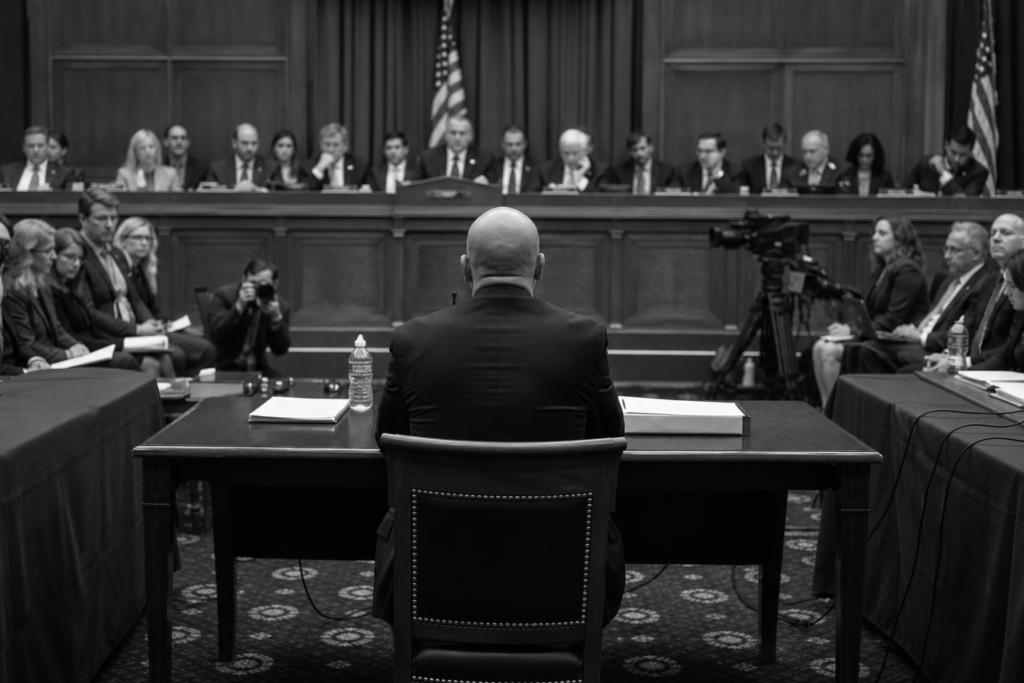
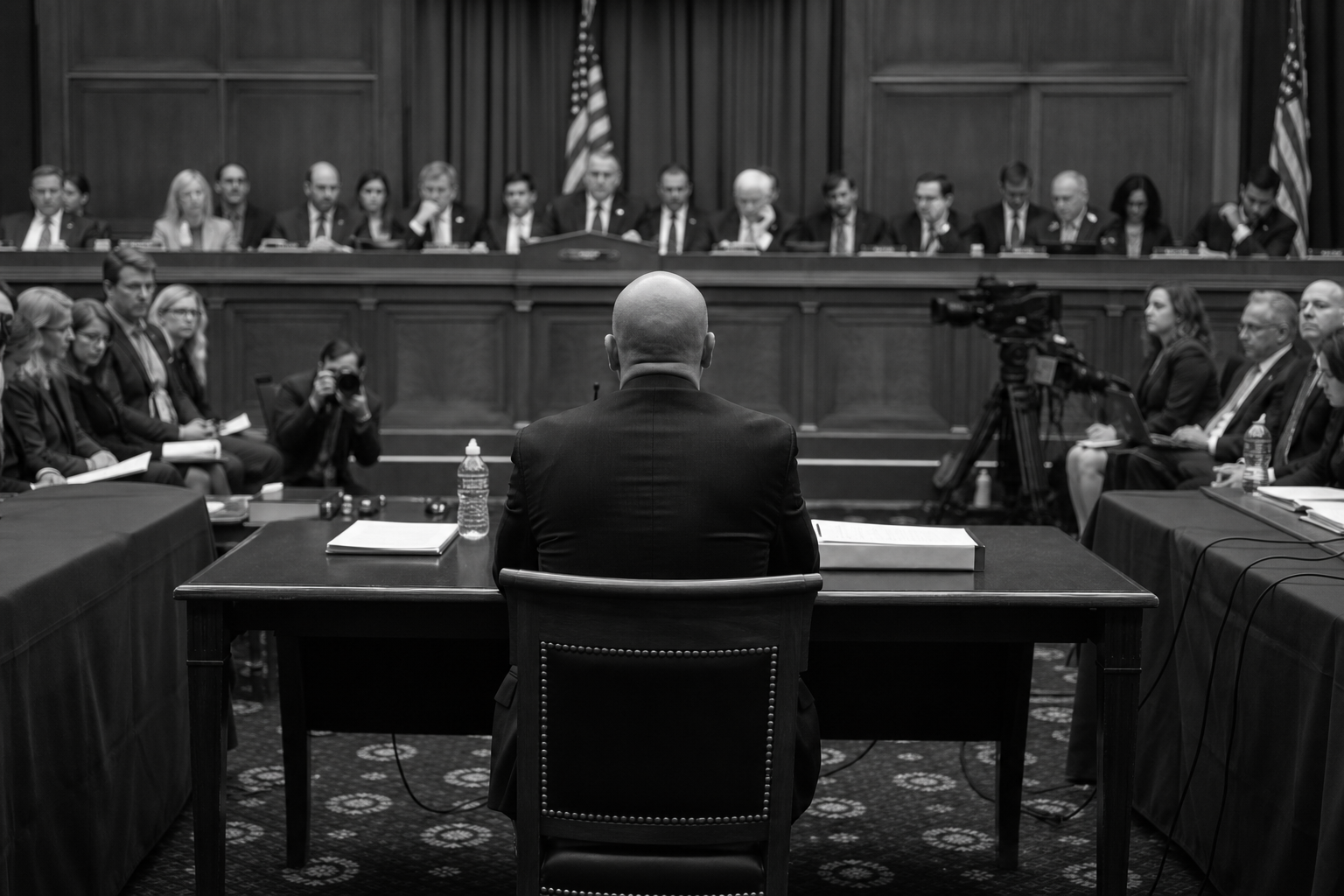
At the House Oversight Subcommittee’s November 13, 2024 hearing on unidentified anomalous phenomena, former Pentagon UAP official Luis Elizondo drew attention to an alleged compartmented effort he called “Immaculate Constellation.” His remarks placed the name in a congressional record, but they did not establish that the program existed, describe its records publicly, or demonstrate any connection to non-human intelligence.
The allegation matters because Elizondo characterized the purported effort as a system for collecting and analyzing UAP-related imagery and sensor information, activities that, if real and withheld from authorized oversight, could raise serious questions about classification and reporting. That is different from proof of recovered craft, a government cover-up, or an extraterrestrial explanation. The Immaculate Constellation program remains an allegation presented in a public hearing, not an officially confirmed program.
This article examines the record claim by claim: the hearing’s setting and witnesses, who supplied the allegation and related material, what Elizondo actually said, and the difference between testimony, publicly available documents, official acknowledgment, and independent corroboration. Those categories are not interchangeable, and the distinction is central to assessing what the hearing changed.
What Happened at the November 2024 UAP Hearing
Formally titled “Unidentified Anomalous Phenomena: Exposing the Truth,” the November 13, 2024 House UAP hearing was held by the House Oversight Committee’s Subcommittee on Cybersecurity, Information Technology, and Government Innovation. It examined UAP reporting, government transparency, and Congress’s ability to obtain information from the executive branch.
The witness panel brought together former Defense Department UAP official Luis Elizondo; journalist Michael Shellenberger; retired Rear Adm. Tim Gallaudet; and former NASA associate administrator Michael Gold. Their roles mattered: the session combined firsthand government experience, reporting about alleged records, scientific-policy perspectives, and arguments for greater institutional openness rather than presenting a single official investigative finding.
During this November 2024 UAP hearing, the name “Immaculate Constellation” entered the public congressional record through witness statements and submitted material. That is a meaningful disclosure event because sworn testimony and committee records can focus oversight attention and create a basis for further inquiry. It is not the same thing as a Pentagon acknowledgment, a released program file, or independent corroboration.
The essential checkpoint is straightforward: the hearing publicly documented that serious allegations were made to Congress. It did not, by itself, establish that a government program existed or support a conclusion about non-human intelligence.
Who Brought the Immaculate Constellation Allegation to Congress?
Authorship is the first point to keep straight. Michael Shellenberger, appearing as a journalist, publicly presented the Immaculate Constellation allegations and submitted a written account and related material for the committee’s record. His presentation attributed the central description to an unnamed source and portrayed the alleged effort as a highly classified UAP intelligence-collection system. That is a reported allegation placed before Congress, not a program description drawn from a released Defense Department file.
Elizondo’s role was different. Testifying under oath as a former Pentagon UAP official, he addressed the name and its alleged function in his own written and oral testimony. His statements gave the allegation added significance because of his past government service, but they should not be merged with Shellenberger’s sourcing. In plain terms, Shellenberger brought forward source material; Elizondo offered his own testimony about what he understood the alleged effort to be.
The distinction matters for reading references to Lue Elizondo Immaculate Constellation accurately. A strong attribution identifies the speaker and basis: “Shellenberger alleged” when referring to the source-derived account, and “Elizondo testified” when referring to Elizondo’s personal assertions. A weak version simply says that “the hearing revealed” a program, obscuring whether the claim came from reporting, testimony, or an official document.
Lawmakers had a third role. Members used questions and remarks to probe whether UAP-related information was being withheld from Congress and whether existing reporting channels were adequate. Those questions signaled oversight interest; they were not congressional findings that the alleged program existed. The hearing record therefore documents who made the Immaculate Constellation allegations and how members responded, while leaving the underlying existence and scope of the alleged system unverified.
What Elizondo Said the Alleged Program Was
Elizondo’s characterization focused on information, not on an announced inventory of exotic objects. In oral testimony, he described Immaculate Constellation as an alleged highly classified UAP-focused intelligence capability: a means of gathering and processing imagery and sensor reporting that could sit outside ordinary channels of access. His account did not publicly identify a sponsoring office, provide program documents, or establish the system’s formal classification status.
Put plainly, the claimed function was to move UAP-related material through a restricted pipeline. That would include collecting relevant imagery and sensor data; retrieving records from military or intelligence holdings; handling them within protected compartments; and disseminating selected reporting to authorized recipients. “Retrieval” in that description concerns obtaining data or records, rather than recovering a physical craft or material. The practical significance is the distinction between a dispersed set of sightings and a purported system capable of aggregating information from multiple sources into a more complete intelligence picture.
Elizondo did not testify that the alleged Immaculate Constellation program proved any particular explanation for the events captured in that information. A system designed to collect UAP imagery could contain misidentifications, conventional aircraft, drones, atmospheric effects, unresolved incidents, or other categories of data. Even if such a system were ultimately documented, its existence alone would not demonstrate extraterrestrial craft, a crash-retrieval effort, recovered materials, or non-human intelligence.
That boundary is especially important in reading the Elizondo November 2024 UAP hearing record. His testimony presented an allegation about how potentially relevant intelligence may have been organized and controlled. It did not publicly supply the underlying imagery, sensor records, chain-of-custody details, budget trail, or official acknowledgment needed to independently establish the alleged program’s existence, scope, or results.
Why the Allegation Matters for UAP Oversight and Disclosure
The oversight issue is not whether every UAP report deserves public release; it is whether authorized reviewers can determine what exists, where it is held, and why particular material remains restricted. If the alleged reporting pipeline operated outside normal review, Congress could face a basic access problem: committees may receive summaries while being unable to examine the underlying imagery, sensor logs, tasking records, analytic products, or the decisions that governed their distribution.
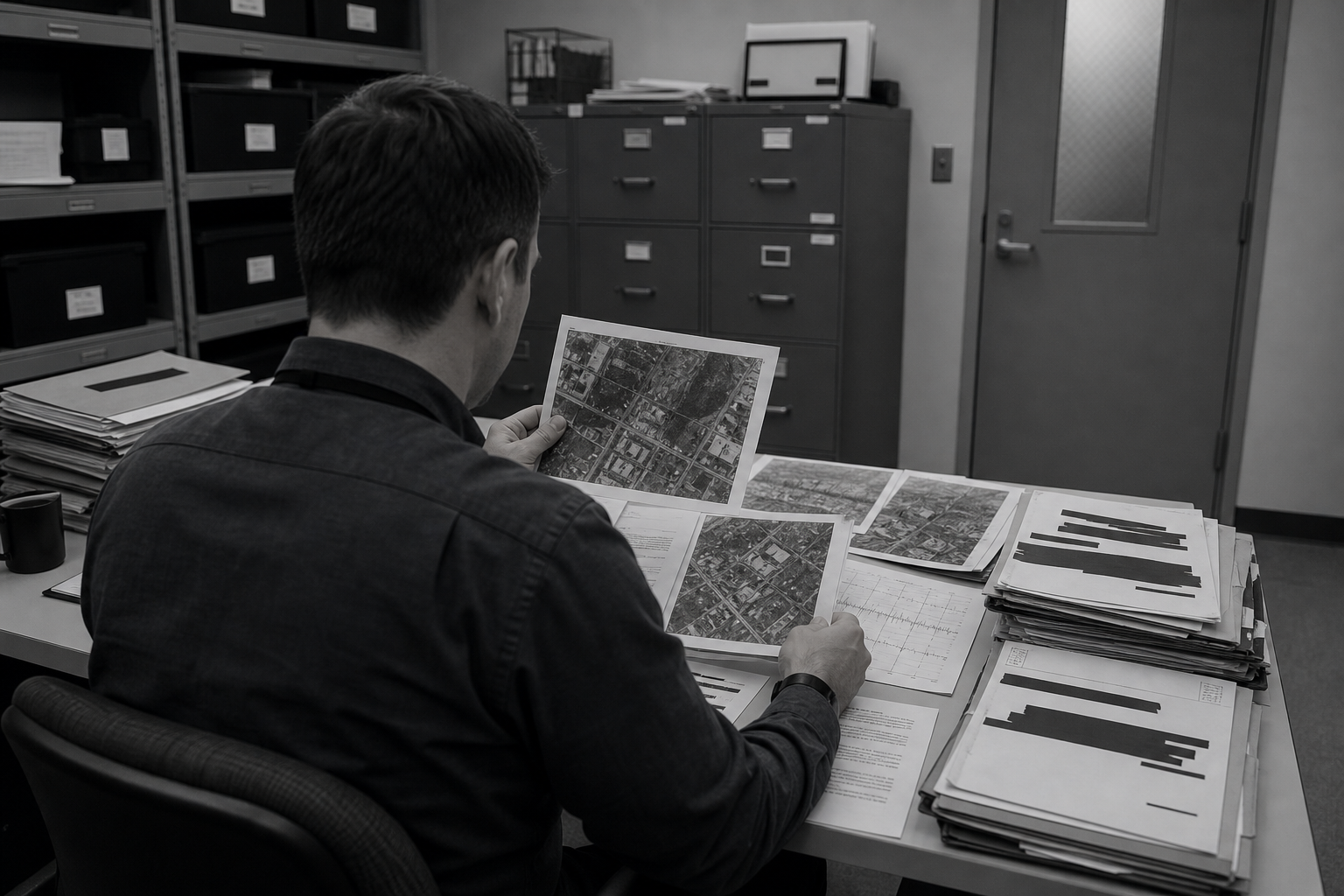
It would also raise a visibility question for the All-domain Anomaly Resolution Office’s UAP mandate. An office assigned to assess UAP cannot produce a complete assessment if relevant holdings are unknown to it, excluded from its remit, or available only through tightly controlled compartments. The important distinction is between data that is classified but discoverable by an authorized review process and data whose existence is itself withheld from the reviewers expected to evaluate it. Classification can protect legitimate national-security sources and methods; compartmentation can additionally limit which cleared personnel know that a collection exists.
Reporting channels matter for the same reason. A useful oversight trail would show how an observation moved from the originating unit through collection, analysis, retention, and eventual disclosure to appropriate officials. A weak trail consists of isolated accounts without preserved records, identifiable custodians, or a clear explanation of who had access. If personnel believed that relevant information was being improperly withheld, protected channels for raising concerns would be central: they allow allegations to reach inspectors general or Congress without requiring public release of classified material.
Record retention is a practical test rather than a rhetorical one. Claims about a centralized capability should, if substantiated, leave some administrative footprint, such as retention rules, access logs, reporting requirements, or accountable offices, even where operational details remain classified. Those are the kinds of questions that can distinguish a warranted disclosure inquiry from an unsupported government UFO cover-up narrative.
None of these implications establishes that the alleged system existed, that AARO lacked access to particular records, or that any information was unlawfully concealed. They explain why the allegation attracted attention in the wider UFO disclosure debate: it challenges the completeness of institutional review, not merely the interpretation of unusual incidents.
What Is Publicly Supported, Officially Acknowledged, and Still Unverified
A useful way to read the record is to treat each level of support as doing a different job. “Alleged” means a claim has been made; it says nothing yet about truth. “Testified” means a witness placed that claim under oath, which adds personal accountability but does not turn secondhand information into independent proof. “Documented in the public record” means the hearing materials, written submissions, or related accounts can be examined publicly; it does not establish that the underlying assertion or document content has been authenticated by the government.

- Documented: the November 2024 hearing occurred, witnesses made statements, and material describing an alleged restricted UAP collection effort was presented to Congress.
- Alleged and testified: Elizondo described a purported intelligence capability involving UAP-related imagery and sensor data, while the more detailed account publicly associated with the name rested on an unnamed-source narrative. Those are distinct forms of evidence, neither of which independently establishes the program’s existence.
- Officially acknowledged: this category requires a Department of Defense or AARO statement identifying the effort, or an authenticated government record that ties the name to a responsible office, mission, funding line, or records system. Congressional interest is not an official acknowledgment.
- Independently corroborated: this would require evidence that can be tested apart from the original allegation, for example, authenticated records, identifiable custodians, released imagery with a verifiable provenance, named firsthand witnesses with consistent accounts, or an inspector-general finding.
The practical gap is therefore substantial. An independently confirmed Immaculate Constellation program would leave more than a compelling description: there would need to be reliable evidence of its formal existence, scope, authorities, holdings, and relationship to other UAP offices or reporting systems. The public materials discussed here do not supply that chain of confirmation.
AARO’s public reporting and historical-record work are relevant official reference points, but an unverified allegation cannot be elevated merely because it concerns a subject those reviews address. Nor does a lack of public detail prove concealment; classified work can be real without being publicly described, while a public claim can remain unsupported. Most importantly, testimony about a purported data-collection mechanism does not establish that any underlying cases involved non-human intelligence.
What to Watch for Next, and How to Evaluate New UAP Claims
The next meaningful development would be evidence that can be examined independently of the original allegation. An official acknowledgment would identify whether an office, mission, records system, or funding authority used the name. Declassified records could establish dates, custodians, tasking, and the scope of any collection activity. An inspector-general finding or court-filed record would add institutional scrutiny rather than another assertion.
Other evidence can strengthen a claim only if its provenance is testable. Named firsthand witnesses should describe their direct role, access, and observations in accounts that remain consistent over time. Imagery or sensor data should come with a traceable chain of custody, metadata where release permits, and enough context for qualified reviewers to determine what the material does, and does not, show. Congressional follow-up also matters: a committee’s documented access to underlying records, or a public account of an agency’s response to a request, is more informative than a member’s general interest.
- Stronger signal: a released primary record that can be authenticated and compared with other records.
- Weaker signal: recycled video, an anonymous account without supporting material, or a headline that converts an allegation into a settled fact.
New UAP news or UFO news should be judged on its own evidence. UFO sightings 2025, however striking, do not corroborate this alleged collection system unless they are demonstrably connected to its records, personnel, or operations. The hearing increased public visibility of the Immaculate Constellation program allegation; it did not establish alien disclosure or verify that the program existed.
What the Immaculate Constellation Claim Means So Far
A decisive checkpoint is still missing: an official record that identifies a program, its custodians, and its authorities. The November 13, 2024 House Oversight subcommittee hearing put a specific allegation before Congress, and Elizondo characterized the alleged capability as a restricted means of handling UAP-related information. That creates an oversight question about access to relevant holdings; it does not establish the capability as fact.
The evidentiary distinction has practical consequences. Testimony and submitted material document that the claim was aired publicly. Official acknowledgment, authenticated underlying records, and independent corroboration are different, and materially stronger, forms of support. The hearing record alone supplies none of them.
For now, the allegation warrants careful attention as a UAP oversight question, not treatment as proof of a covert program, a recovery effort, or non-human intelligence. Useful future developments would include attributable agency responses, congressional accounts of access to underlying records, declassification decisions, and reporting that independently establishes the identity, function, and provenance of relevant material.
That standard also protects the value of genuine UAP disclosure. A released primary document with a traceable origin can clarify a contested claim; repeated assertions without examinable support cannot. Until stronger evidence becomes public, “Immaculate Constellation” remains an unverified allegation aired before Congress.
Frequently Asked Questions
-
What is the Immaculate Constellation program Elizondo described?
Luis Elizondo described Immaculate Constellation as an alleged highly classified capability for collecting, retrieving, and analyzing UAP-related imagery and sensor data. He did not publicly identify a sponsoring office, provide program records, or establish its formal classification status.
-
What did Lue Elizondo say at the November 2024 UAP hearing?
At the November 13, 2024 House Oversight subcommittee hearing, Elizondo testified that Immaculate Constellation was an alleged restricted UAP intelligence pipeline. His description concerned the handling of data and records, not the recovery of physical craft or proof of non-human intelligence.
-
Who introduced the Immaculate Constellation allegation to Congress?
Journalist Michael Shellenberger publicly presented the central Immaculate Constellation allegation and submitted written material to the committee record. His account attributed the detailed description to an unnamed source, while Elizondo gave separate testimony about his understanding of the alleged effort.
-
Was Immaculate Constellation confirmed by the Pentagon or AARO?
No. The November 2024 hearing documented that allegations were presented to Congress, but it did not include a Pentagon or AARO acknowledgment, authenticated program records, a funding line, or independently verified evidence that the program existed.
-
What evidence should I look for to verify an Immaculate Constellation claim?
Look for authenticated government records identifying a responsible office, mission, authority, funding, or records system. Stronger evidence would also include named firsthand witnesses, verifiable imagery or sensor metadata, traceable chain-of-custody records, declassified files, or an inspector-general finding.