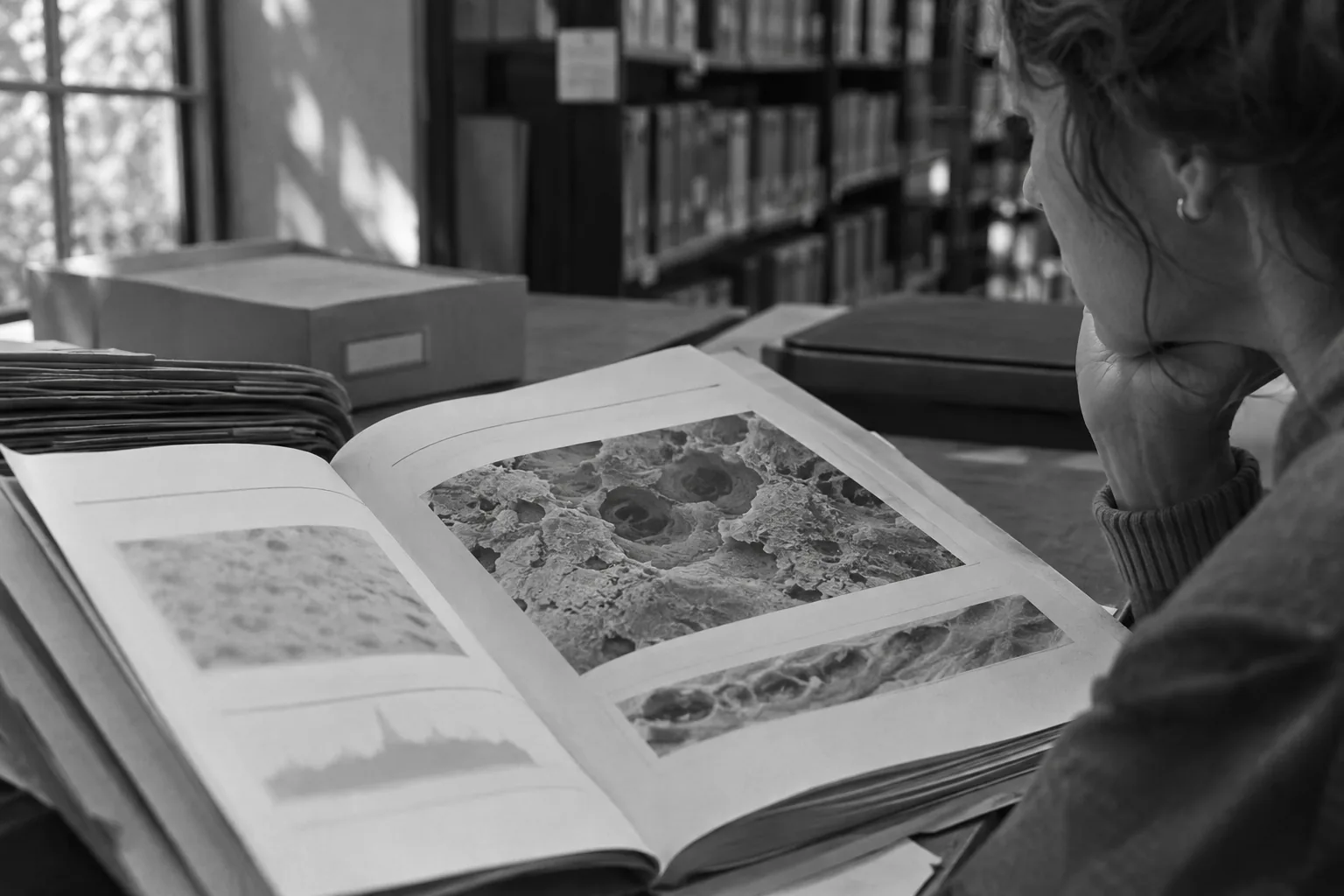
330UAP000012 is the case number on the released copy of Oak Ridge National Laboratory’s Synopsis: Analysis of a Metallic Specimen. ORNL concluded that the material was manufactured terrestrially and was highly unlikely to have functioned as a bismuth-based terahertz waveguide. NARA’s Record Group 615 page provides the Office of the Secretary of Defense collection entry point.
What document is 330UAP000012?
The document type appears in the numbered copy’s cover title: Synopsis: Analysis of a Metallic Specimen. As a synopsis, it presents the laboratory’s analysis in condensed form. The AARO-hosted PDF and numbered copy are versions of the same work, not separate analyses. The cover credits ORNL as the issuing laboratory. The identifier 330UAP000012 distinguishes the copy associated with NARA RG 615 from the document’s title.
The cover bears a July 1, 2024 “Cleared for Open Publication” marking. That dates its clearance, not its publication. It also does not date the item’s transfer to NARA or its public release; neither date for this item in Record Group 615 is established here.
What specimen did ORNL examine?
ORNL’s synopsis describes a layered metallic specimen containing magnesium, zinc, bismuth and trace elements. ORNL gained access to samples through the U.S. Army Combat Capabilities Development Command, or DEVCOM, beginning in February 2023. The synopsis describes public claims of a crash in or around 1947 and antigravity properties. It says the specimen’s long chain of custody cannot be verified.
How did ORNL analyze it, and what did it find?
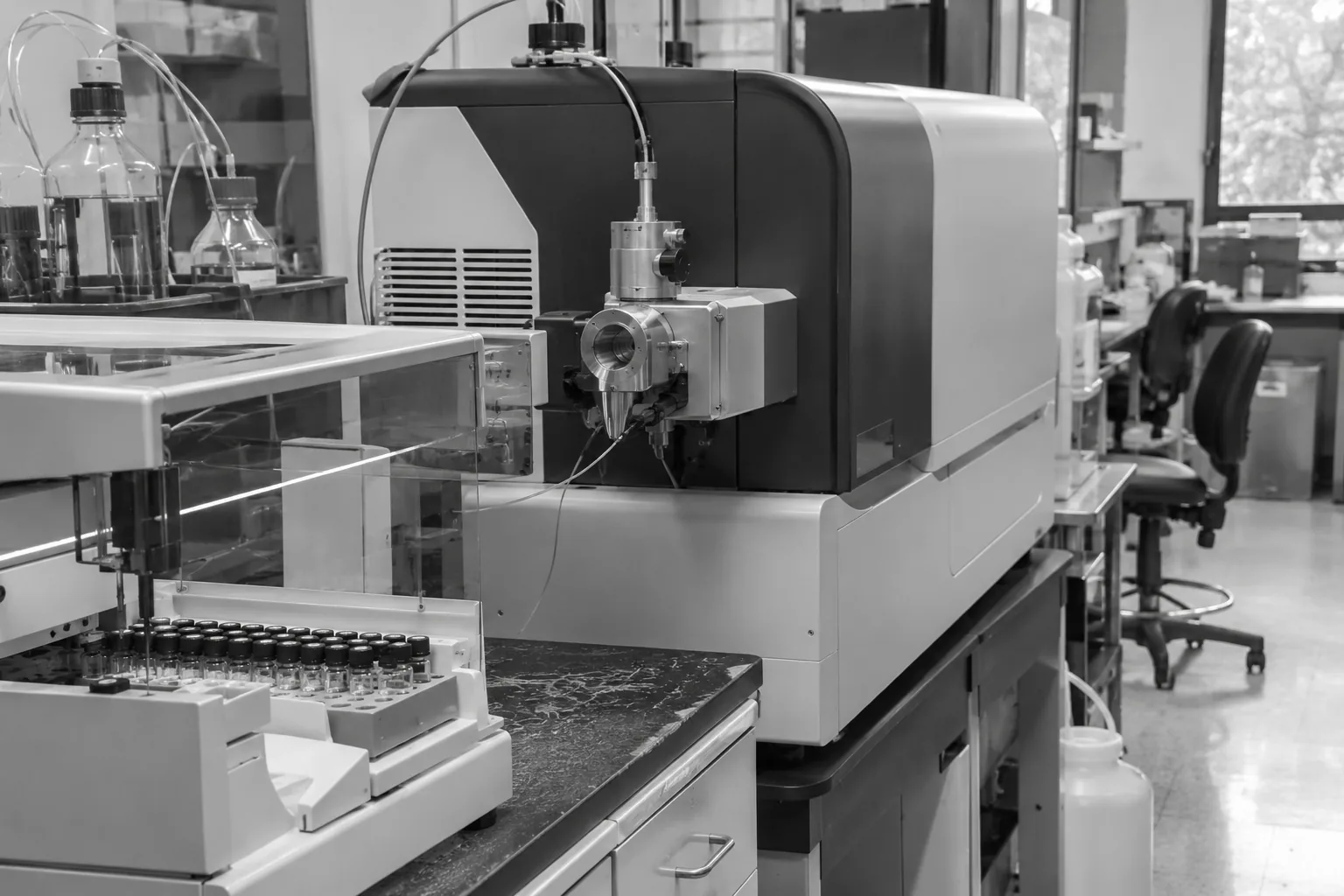
Imaging and microscopy examined the material’s shape and internal structure. They showed a layered structure, with lead and bismuth occurring together in some analyzed regions. Bismuth-rich regions lacked the proposed single-crystal layer, a structural feature relevant to the suggested waveguide design. Scanning electron microscopy–energy dispersive X-ray spectroscopy (SEM-EDS) measured the principal elemental composition: ORNL’s synopsis reports approximately 97.5% magnesium and 2% zinc as the principal elements. Magnesium and lead isotope measurements were consistent with terrestrial materials.

ORNL’s conclusion rests on both structure and isotopic composition, not the magnesium and zinc percentages alone.
How did AARO interpret the findings?
In its separate supplement, the All-domain Anomaly Resolution Office (AARO) concurs with ORNL’s terrestrial-manufacture assessment and its rejection of the proposed waveguide function. AARO places the specimen in the context of mid-20th-century magnesium-alloy research. It assesses that the material was likely a test object, manufacturing product or byproduct, or a component of aerospace performance studies—not an identified artifact from a particular project.
Related records and research guides
For collection context, see our NARA Record Group 615 briefing. For another OSD/AARO record, read the November 2024 Senate hearing slides briefing. Our guide to evaluating UAP claims provides a broader reading framework.
Frequently Asked Questions
Why do lead and bismuth appear in analyzed regions if magnesium and zinc are the principal elements?
ORNL’s chemical-composition section and elemental maps distinguish the magnesium-zinc matrix from localized lead-bismuth bands. A finding in a particular region does not make those elements principal components of the specimen.
Does the February 6, 2025 marking date the record’s arrival at NARA?
No. The numbered copy labels it as an AARO review/release date, not a NARA accession or catalog-posting date.
Could more records be added to NARA’s UAP collection?
Yes. NARA says its online Record Group 615 collection is updated on a rolling basis. That does not mean additional records about this particular specimen will appear.