Japan’s Parliament 2024: Bipartisan Lawmakers Form UFO Research Group
Explore Japan UFO research group 2024: who formed the bipartisan caucus, its security aims, policy proposals, and what comes next.
That shift matters because an object need not have an extraordinary origin to create an ordinary but serious policy problem: uncertain activity in airspace can affect aviation safety, surveillance assessments, military readiness and the handling of public reports.
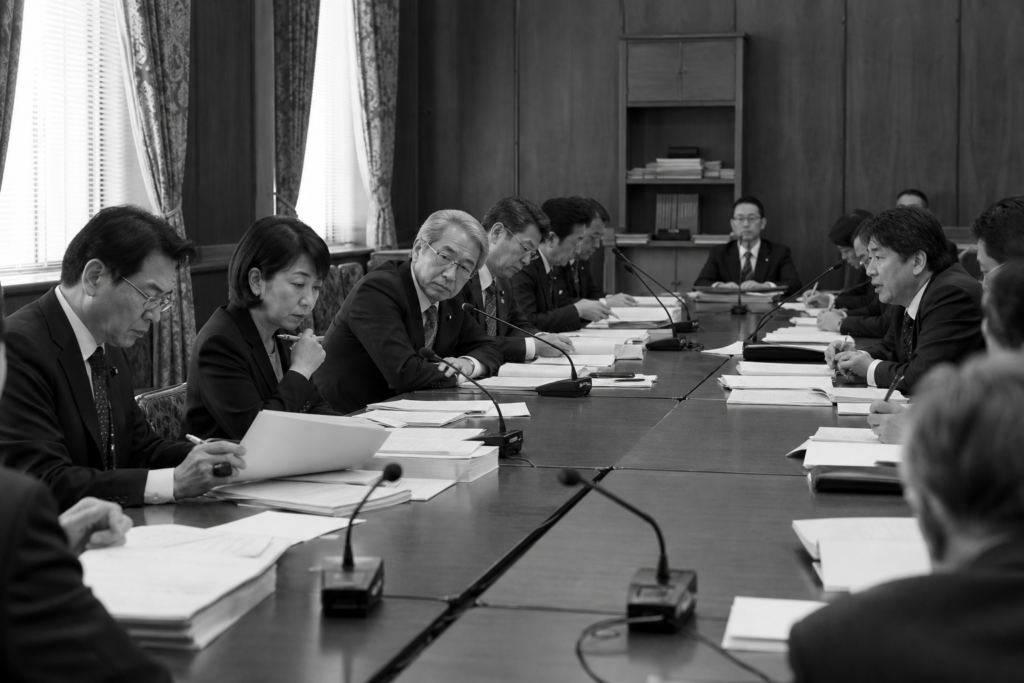
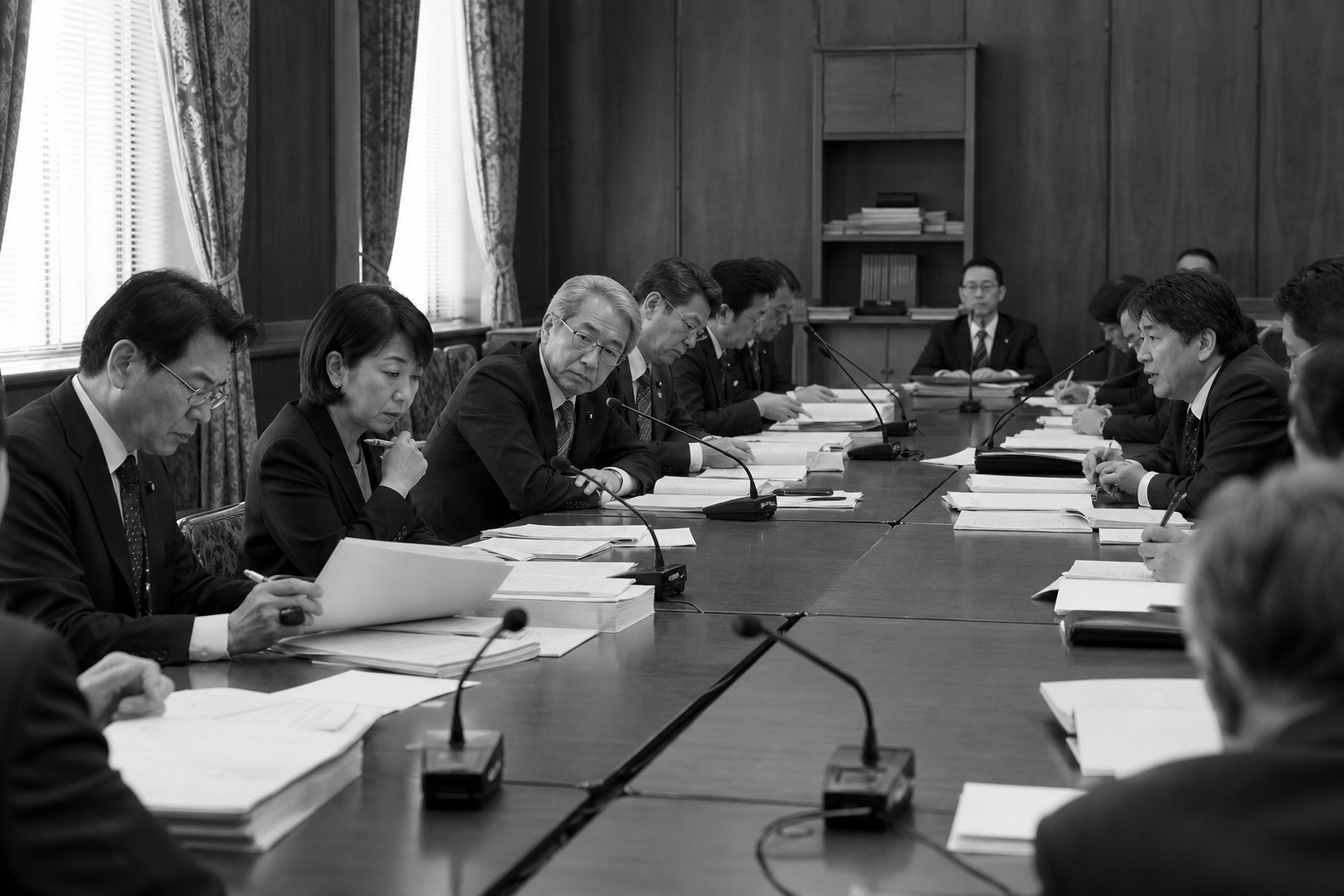
In June 2024, Japanese lawmakers formed a cross-party caucus commonly translated as the Parliamentary League for the Clarification of Unidentified Anomalous Phenomena from a National Security Perspective. The Japan UFO research group 2024 was not a government investigative agency, a new law or a finding that extraterrestrial craft exist. It was a voluntary Diet group seeking more organized attention to unidentified aerial phenomena, or UAPs, through a security and information-policy lens.
The distinction is central. “Unidentified” describes the status of an observation or report, not its cause; a parliamentary caucus can press for study, coordination and discussion, but it cannot by itself compel ministries to investigate or establish official conclusions.
This article examines who organized the group, why Japanese lawmakers put the issue on the agenda, and what they said they hoped to accomplish. It also separates proposals from enacted policy and identifies the practical signs of follow-through: public meetings, requests to government bodies, formal reporting arrangements and sustained cross-party work.
Japan’s Bipartisan UAP Group: What Formed in 2024
The organization’s long Japanese title is often rendered in English as the Parliamentary League for the Clarification of Unidentified Anomalous Phenomena from a National Security Perspective. Translation varies slightly, some coverage uses “unidentified anomalous phenomena,” while other accounts retain “UFO”, but the institutional point is unchanged: legislators created a forum inside the Japan National Diet to put questions to one another and press the executive branch for a more coherent policy response.
That makes the group a parliamentary league, not an operational office. A ministry or Self-Defense Forces unit can collect data, direct personnel and conduct investigations within its authority; a statutory body is created through law and has duties defined by that law. A caucus instead organizes interested elected members across party lines, develops proposals, holds study meetings and can seek briefings or action from relevant agencies. Its influence depends on the participation of lawmakers and on whether government bodies respond.
The June 2024 launch was therefore newsworthy as a political signal rather than an evidentiary finding. The Japan parliament UFO group treated unexplained reports as an issue potentially involving information collection, airspace awareness and national security. It did not identify a phenomenon, establish an official investigative program or validate claims about non-human activity. Those limits are essential when assessing what the group’s formation did, and did not, change.
Who Formed the Group and How Bipartisan It Was
Leadership gave the league a distinctly establishment profile. Former Defense Minister Yasukazu Hamada of the governing Liberal Democratic Party became chair, while fellow LDP lawmaker Shinjiro Koizumi was named secretary-general. Those posts matter: the chair provides the group’s senior political face, while the secretary-general normally handles its day-to-day parliamentary coordination, including meetings, member outreach and policy work.
The Japanese lawmakers UFO group was described at its launch as a cross-party UAP clarification league rather than an LDP-only initiative. Reporting identified participation from the LDP alongside lawmakers from opposition parties including the Japan Innovation Party and the Democratic Party for the People. That is a narrower and more defensible description than treating every party as represented or repeating a membership total that varied across early coverage.
In practical political terms, cross-party participation changes the signal. A ruling-party study group can point toward access to ministers and the security bureaucracy; opposition participation makes it easier to frame questions about reporting, analysis and accountability as parliamentary concerns rather than a single faction’s campaign. It does not guarantee consensus, government action or a shared interpretation of any incident. Nor does it turn the league’s officers into investigators. The important fact is that recognizable figures from more than one party agreed that unidentified aerial reports warranted organized Diet attention.
Why Japanese Lawmakers Put UAPs on the Security Agenda
Hamada placed the issue in Japan’s immediate security setting rather than in science fiction. At the league’s June 2024 launch, the former defense minister pointed to the increasingly severe environment around Japan, including concerns involving China, Russia and North Korea, and argued for stronger capacity to collect and analyze information about unknown objects.

A report becomes operationally important before its origin is known. An object detected near an airport, military facility or coastal approach might prove to be a commercial drone, a foreign surveillance platform, a conventional aircraft operating unexpectedly, a balloon, or a sensor misreading. Those possibilities call for different responses: aviation authorities need to protect flight operations, while defense and intelligence bodies need to determine whether the activity suggests observation, electronic collection or a threat to readiness.
Unidentified anomalous phenomena is therefore a category for unresolved reports, not a finding that an object is extraterrestrial. A useful assessment has a time and location, sensor data or corroborating witnesses, and enough detail to compare with flight records and other observations. A single ambiguous image without those basics is a weak signal; a report supported by several independent data points is more suitable for security analysis. The practical question behind UAP sightings is whether Japan can sort those cases quickly without treating every unknown as hostile.
That need for timely judgment explains the link to Japan security policy. Air and maritime activity around the archipelago can have surveillance, deterrence and intelligence consequences, while a delayed handoff of information between aviation, defense and other authorities can leave decision-makers with an incomplete picture. The caucus’s emphasis was not an alien-craft claim. It was a case for organized attention to reports that intersect with airspace awareness, military preparedness and public accountability.
What the Caucus Said It Wanted to Do
Its practical agenda was a policy framework rather than a field-investigation plan. The Japan UAP research group proposed studying reported incidents in a way that could distinguish useful evidence from incomplete or ambiguous accounts, then consider how relevant public institutions might collect, retain and analyze information more consistently.
That emphasis on intelligence gathering matters because a report can be operationally useful even before its cause is settled. Location, time, flight characteristics, sensor records and corroborating observations can help analysts determine whether an event belongs with ordinary aviation activity, drone monitoring, possible foreign surveillance or an unresolved category. The aim was not to attach an extraordinary explanation to every report, but to improve the quality of material available for assessment.
The caucus also pointed toward coordination: how defense, aviation, security and other relevant bodies might exchange information when an incident crosses their responsibilities. Better coordination would mean fewer isolated reports and a clearer route for deciding which cases warrant further attention. Lawmakers could also discuss policy choices involving national security, reporting practices and government transparency, particularly the balance between informing the public and protecting sensitive operational details.
Those objectives should not be confused with powers the league did not publicly establish. The proposals did not create a confirmed nationwide UAP investigation, enact a disclosure law, or give the caucus executive authority to compel agencies to investigate cases. A parliamentary league can organize debate, request explanations and advocate changes; it cannot itself operate an investigative program or direct the Self-Defense Forces. The meaningful test was whether its discussions later produced formal requests, hearings, published findings or government action.
UFO Disclosure, Transparency, and What Japan Did Not Confirm
Transparency is not the same thing as a verdict. In UFO disclosure debates, it can mean publishing aggregate incident data, explaining which agencies receive reports, preserving radar or observation records where appropriate, and accounting for why some material remains restricted. Those measures help the public assess how institutions handle uncertainty; they do not determine what an object was.
That distinction explains both the interest in the Japanese caucus and the limits of the news. A request for clearer reporting channels or more coherent public explanations can test whether information is being lost between agencies, whether cases are assessed consistently, and whether secrecy is being used more broadly than operational needs require. UAP disclosure, in that policy sense, concerns government process and available records, as with a legislative declassification proposal. It is not alien disclosure: releasing a report, image, or case summary may show that an event was unresolved at a particular time, not that it had an extraordinary origin.
The league’s formation did not confirm extraterrestrial craft, alleged crash-retrieval programs, a Japanese government UFO cover-up, or non-human intelligence. Nor did the existence of a parliamentary forum transform claims about any of those subjects into established findings. A strong transparency signal would be a dated public account that identifies the responsible body, describes the evidence examined, distinguishes known from unknown elements, and explains any redactions. A weak signal is an assertion that material must prove a hidden explanation simply because it has not been released.
For readers following disclosure coverage, the consequential question is therefore narrower and more testable: whether lawmakers can produce clearer accountability for how Japan records, evaluates and communicates genuinely unexplained aerial reports.
How Japan’s Move Fits the Wider UAP Debate
The international comparison is useful because it separates political attention from institutional authority. In the United States, congressional scrutiny can include hearings, requests for records and pressure for public reporting, while executive-branch UAP processes are designed to receive, assess and coordinate incident information. Those are different functions: legislators oversee and question; executive bodies operate programs and handle information within government.
Japan’s league more closely resembles the first function. It gives Diet members a venue to examine whether existing agencies are prepared to deal with ambiguous aerial reports and to press for a more coherent approach, but it is not itself an intelligence office, military command or statutory investigative program. The practical distinction is important: a caucus can elevate an issue and seek answers without possessing the machinery to collect sensor data or determine the cause of an event.
Broader UAP news has helped make this subject less politically unusual by centering reporting standards, interagency coordination and airspace security rather than extraordinary explanations. For Japan, the relevant lesson is not that overseas debate validates any particular claim. It is that uncertainty in the air can be treated as an accountable policy problem, with clear lines between parliamentary scrutiny, executive action and evidence-based conclusions.
What to Watch Next in Japan’s UAP Policy Debate
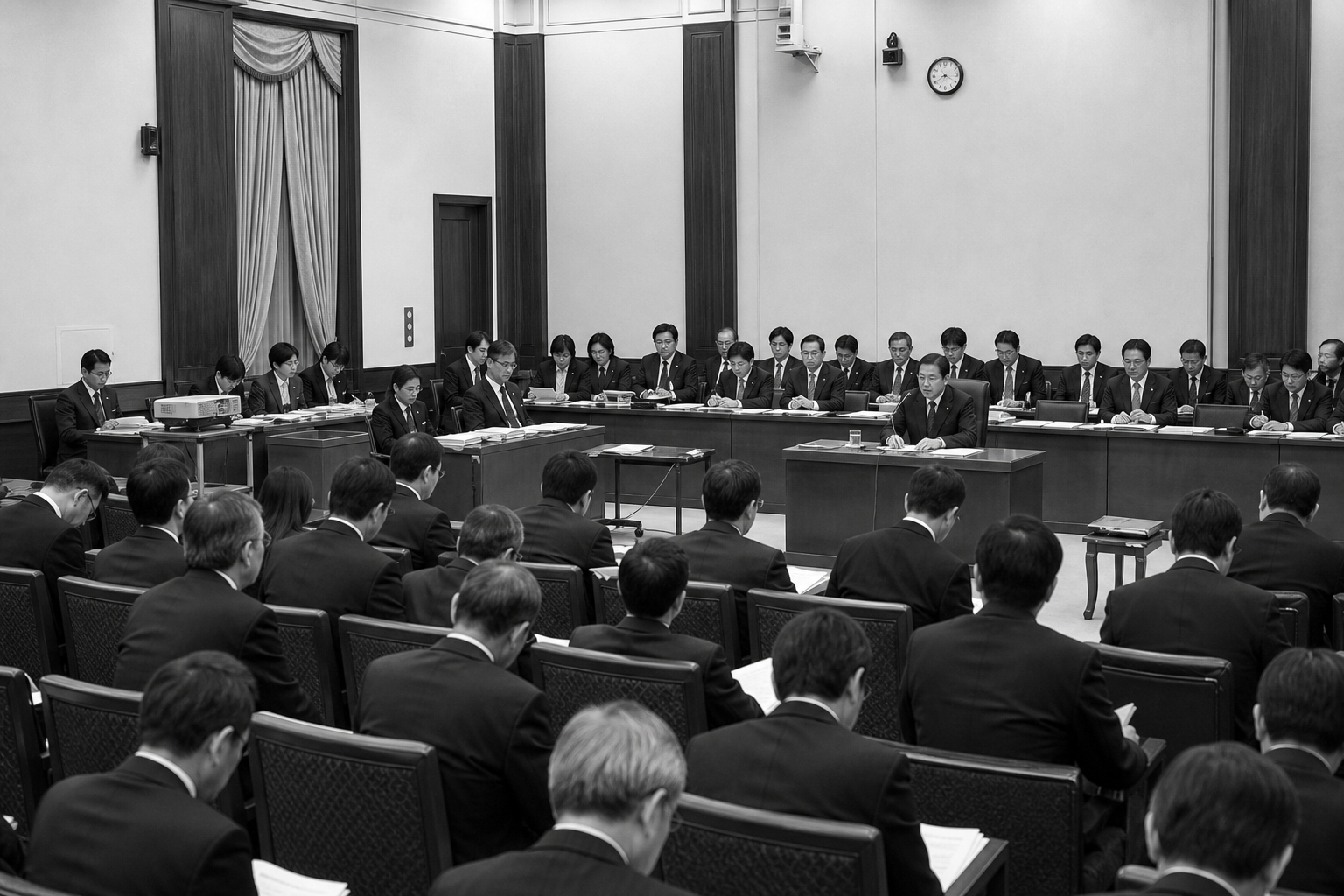
The clearest test of momentum will be a public trail of parliamentary work. Meeting agendas or minutes would show whether members are examining specific reporting gaps; written requests to the Ministry of Defense or other ministries would reveal the questions put to the executive; and committee hearings would place official answers on the Diet record.
Policy output matters more than publicity. A cross-party paper proposing defined reporting channels, common incident categories, retention rules for relevant data, or an interagency point of contact would be a substantive next step. By contrast, broad calls for “investigation” without a responsible agency, timetable or reporting standard would offer little way to measure change.
Readers should also distinguish transparency from unrestricted release. A useful transparency measure could be a regular public summary of how many reports were received, how they were categorized and what could be explained, while still withholding operational details that would expose sensors or defense methods. The stronger signal would be an announced administrative practice or formal policy proposal, not isolated comments about UFO sightings.
Absent those markers, the Japan UFO research group 2024 remains principally a visible parliamentary intervention: it elevated UAPs as a security and accountability subject, but did not confirm aliens or complete a Japanese government disclosure program.
A Parliamentary Signal, Not a UFO Verdict
What remains is a test of institutional seriousness. The caucus made it politically legitimate for Diet members from more than one party to ask whether unexplained aerial reports are being handled consistently, whether relevant agencies can share usable information, and whether the public receives an adequate account of that process. That is a governance question: it concerns responsibility, oversight and decision-making under uncertainty, not a conclusion about what any reported object ultimately was.
The announcement did not establish a new operational unit, release a body of hidden evidence, or reach an official finding on UFO origins. Its significance lay in putting reporting, analysis, security coordination and possible policy discussion into a parliamentary forum. A lasting Japanese UAP policy would require more than that signal: defined reporting routes, an accountable body to analyze incidents, procedures for interagency exchange, and public-facing summaries that distinguish resolved cases from those that remain unexplained.
Those are observable commitments against which the Japan UFO research group 2024 can be judged. If they emerge through formal proposals, ministry responses or sustained Diet scrutiny, the league may have helped shape policy. If they do not, its principal achievement will remain narrower but still notable: placing an often sensationalized subject within a sober debate about national security and democratic accountability.
Frequently Asked Questions
-
What is Japan’s UFO research group formed in 2024?
Japan’s group is a cross-party Diet caucus commonly called the Parliamentary League for the Clarification of Unidentified Anomalous Phenomena from a National Security Perspective. Formed in June 2024, it is a parliamentary forum for UAP policy discussion, not a government investigative agency or a new law.
-
Which Japanese lawmakers led the bipartisan UAP group?
Former Defense Minister Yasukazu Hamada of the Liberal Democratic Party became chair, and LDP lawmaker Shinjiro Koizumi became secretary-general. Participants also included lawmakers from the Japan Innovation Party and the Democratic Party for the People.
-
Why did Japan’s parliament create a UFO research group?
Lawmakers framed unidentified aerial reports as national security and airspace-awareness issues amid concerns involving China, Russia and North Korea. They sought stronger collection, analysis and coordination of information about unknown objects that could affect aviation safety, surveillance or military readiness.
-
Is Japan officially investigating UFOs or UAPs?
The June 2024 caucus did not create a nationwide UAP investigation program or give lawmakers authority to direct the Self-Defense Forces. It can request briefings, advocate policy changes and seek coordination, but ministries and defense bodies retain operational investigative authority.
-
What should people look for to judge whether Japan’s UAP group produces real policy changes?
Look for public meeting records, written requests to ministries, Diet committee hearings and formal ministry responses. Substantive progress would include defined reporting channels, common incident categories, data-retention rules, an interagency contact point or regular public summaries of reported cases.