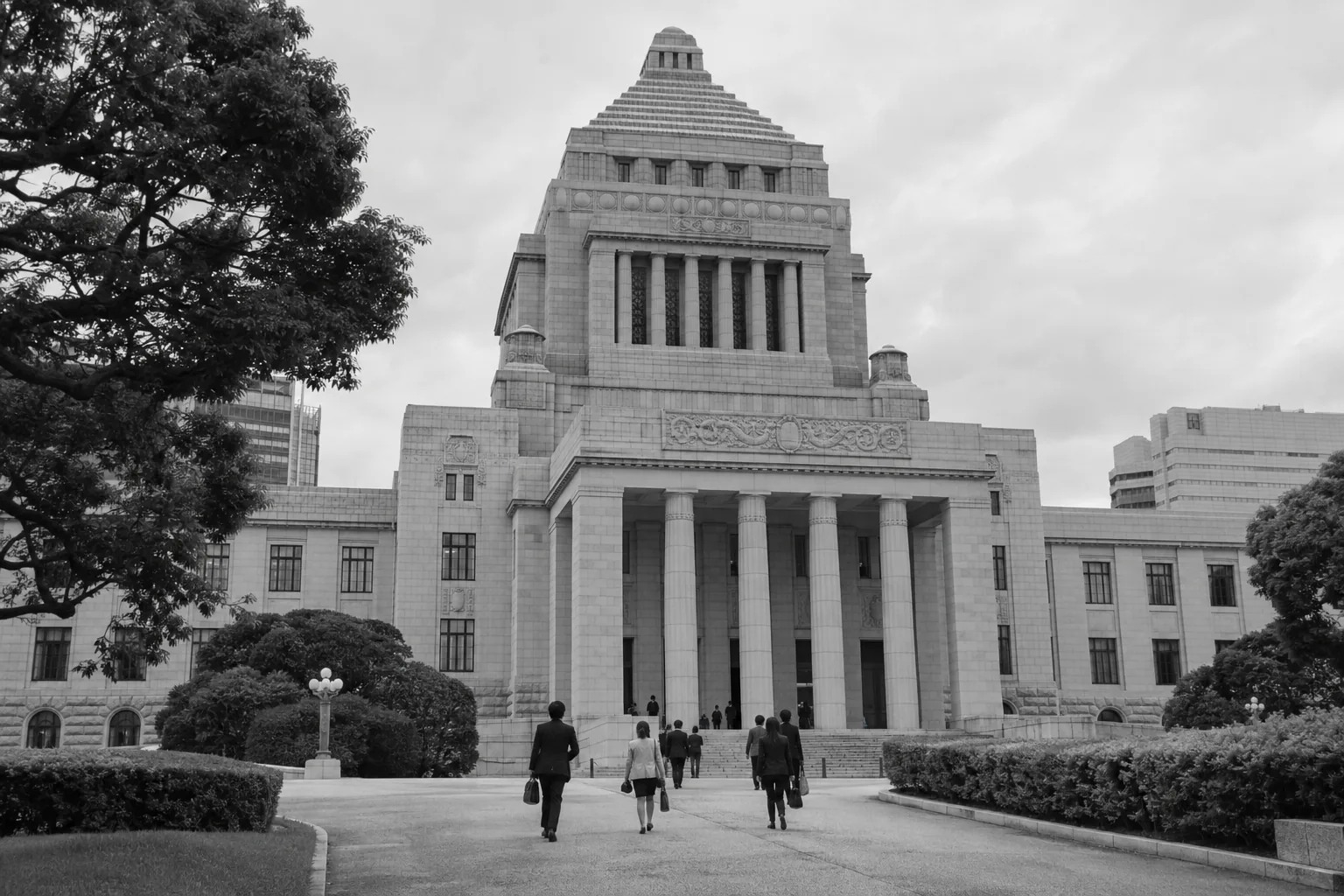
Japan’s cross-party UAP parliamentary league scheduled its founding general meeting for June 6, 2024, with more than 80 Diet lawmakers having applied to join, according to organizer Yoshiharu Asakawa’s announcement. The group sought a specialist government body to investigate unidentified anomalous phenomena as a national-security issue.
Who joined the initiative?
Asakawa’s June 6 notice named Yasukazu Hamada as the founders’ representative and listed participants from several parties, including the Liberal Democratic Party, Constitutional Democratic Party and Japan Innovation Party. The notice described applications from more than 80 lawmakers across the Diet’s two chambers; that figure was not an attendance count.
The announcement placed the founding meeting at 10 a.m. on June 6. That is the date given in the organizer’s primary record, rather than June 5. It also advertised an online presentation by Christopher Mellon as part of the meeting’s planned program. Asakawa’s founding-meeting notice provides the participant list and program.
What did the league want?
In a June 11 statement on Asakawa’s website, the league called for a specialist UAP institution to improve Japan’s information collection, analysis and identification capabilities and deepen cooperation with the United States. It pointed to the Pentagon’s All-domain Anomaly Resolution Office (AARO) as the counterpart Japan lacked.
The statement argued that unidentified objects could represent foreign technology or surveillance equipment and therefore warrant security attention. Those were the lawmakers’ reasons for seeking an investigative body, not findings about the origin of particular sightings. The proposal was a request to government, not an announcement that Japan had established an AARO equivalent.
For the U.S. institutional context, see our briefing on AARO’s public transparency website. Our international UAP topic cluster collects related coverage beyond the United States.
What reporting procedure already existed?
Japan’s Defense Ministry had already issued an instruction on unidentified airborne objects. In a September 15, 2020 press conference, Defense Minister Taro Kono said he had issued it the previous day.
Kono described reporting, recording through photographs where possible, and analysis when personnel confirmed unidentified airborne objects potentially affecting Japan’s defense or security. He also said information obtained outside airspace-enforcement, surveillance and intelligence-gathering missions should be analyzed.
That procedure concerned how the ministry and Self-Defense Forces handled observations. The league’s later request concerned a dedicated institution. They addressed different organizational questions: instructions for personnel encountering an object versus a specialist body for collecting and assessing UAP information.
Why did identification matter for airspace security?
Japan’s 2024 Defense White Paper, in its section on responses to airspace violations, described measures to make foreign aircraft land or leave Japanese airspace. It also stated that foreign unmanned aircraft, including balloons, entering without permission constituted airspace violations.
This existing framework helps explain the security context for the league’s proposal. Identifying an observation can distinguish an airspace-security incident from another kind of report. The political question raised in 2024 was whether a dedicated UAP institution should supplement those existing arrangements.