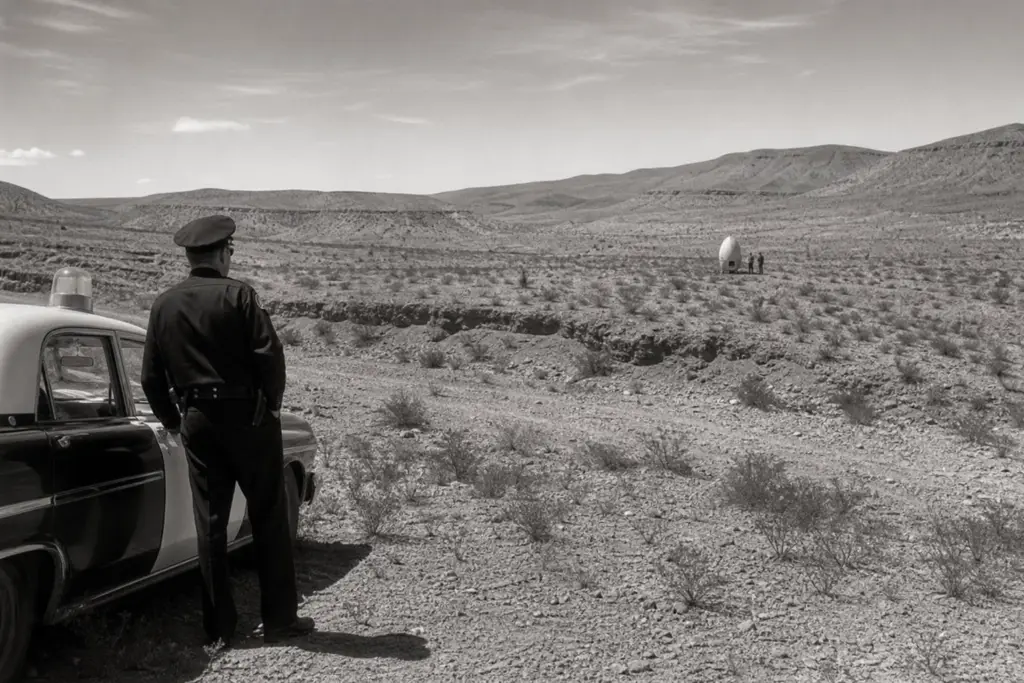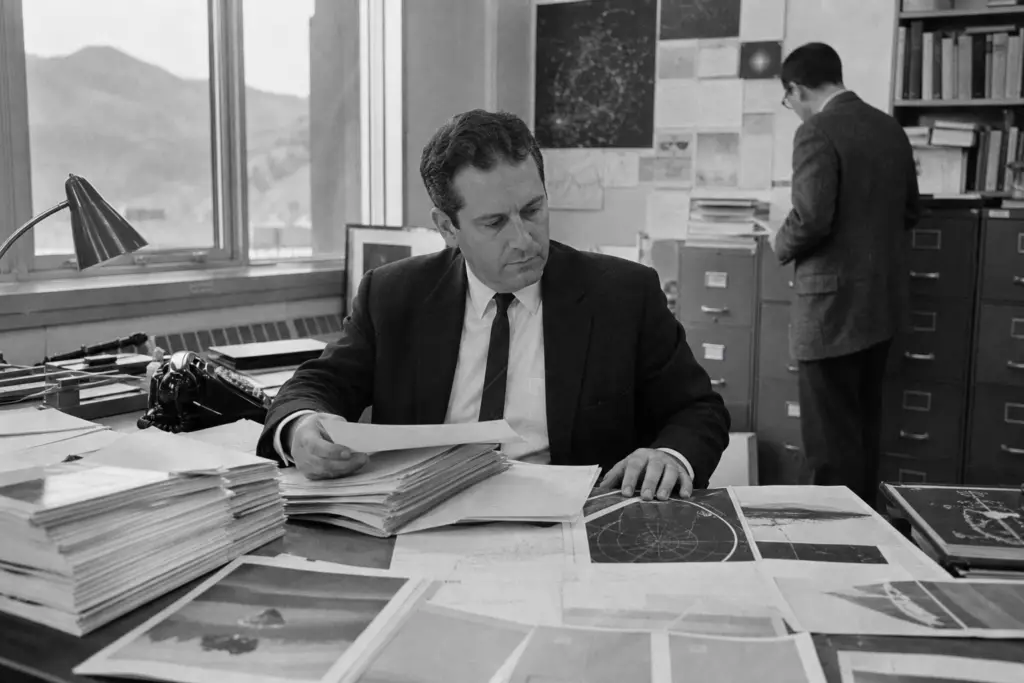
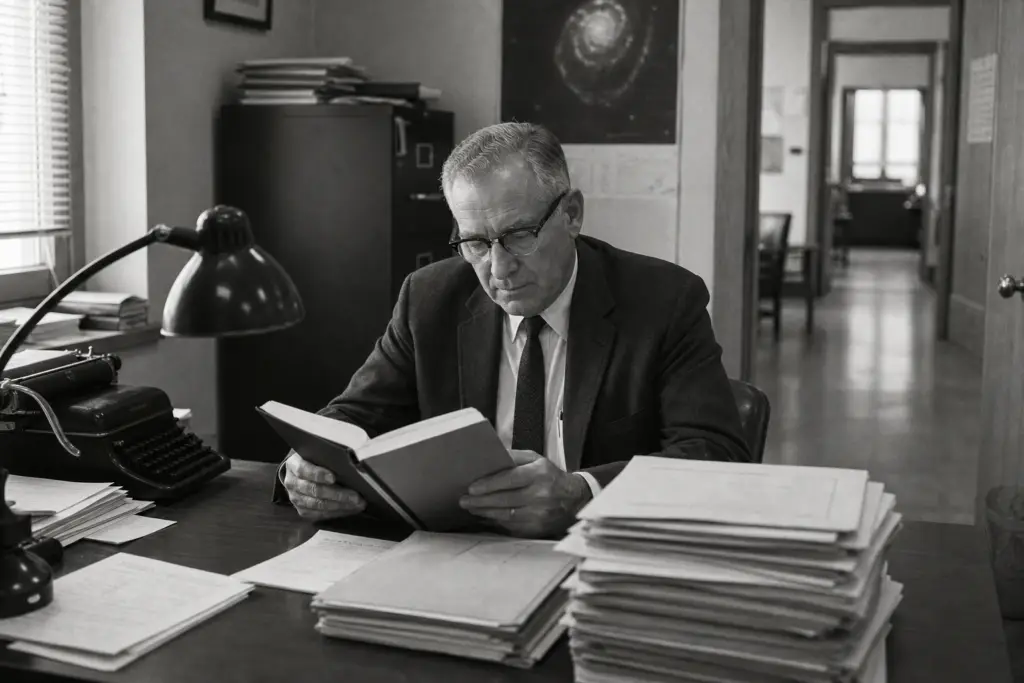
Published in January 1969, the final volume led by physicist Edward U. Condon answered a policy-defining question: whether a continuing, broad program of UFO investigation was likely to produce important scientific results. Known as the Condon Committee Report, it emerged from an Air Force-sponsored review begun in 1966 and completed in 1968. Its broad judgment, that further extensive study was unlikely to yield major scientific gains, gave federal officials and scientific institutions a defensible basis for changing priorities.
That change mattered most for Project Blue Book, the Air Force’s public-facing system for receiving and assessing UFO reports. The report did not establish a single explanation for every observation, nor did its conclusion erase cases its investigators left unresolved. Instead, it influenced an institutional decision: routine public inquiry no longer appeared worth sustaining as a major scientific undertaking. The chapters that follow trace the report’s reasoning, the support that amplified its authority, the criticisms that kept it disputed, and the longer legacy of a policy turn that modern UAP programs have revisited under substantially different aviation-safety and national-security concerns.
The Condon Committee as an Institutional Turning Point
The decisive shift was institutional rather than evidentiary: a federally sponsored university assessment made it easier for officials to treat the question of continued investigation as a question of scientific return. The committee worked from 1966 through 1968, and its final report appeared in January 1969. Its central judgment was not that every reported object had been identified, but that a further extensive UFO study was unlikely to produce major advances in science. That distinction mattered. Unresolved reports could remain in the record while a permanent, broad Air Force inquiry was judged a poor use of scientific resources.
This was a turning point because it supplied a respected academic framework for official disengagement from routine UFO investigation, helping to clear the policy ground for the end of Project Blue Book. It was not, however, a final scientific ruling on every case or on every possible cause of sightings; the gap between the report’s general conclusion and some unresolved case analyses would remain central to later criticism. Modern UAP efforts therefore should not be read as a reversal that proves any particular explanation. They reflect a different institutional test: whether specific reports carry usable evidence relevant to aviation safety, intelligence, or national security, rather than whether a standing public UFO program promises broad scientific discovery.
Why the Air Force Turned to the University of Colorado
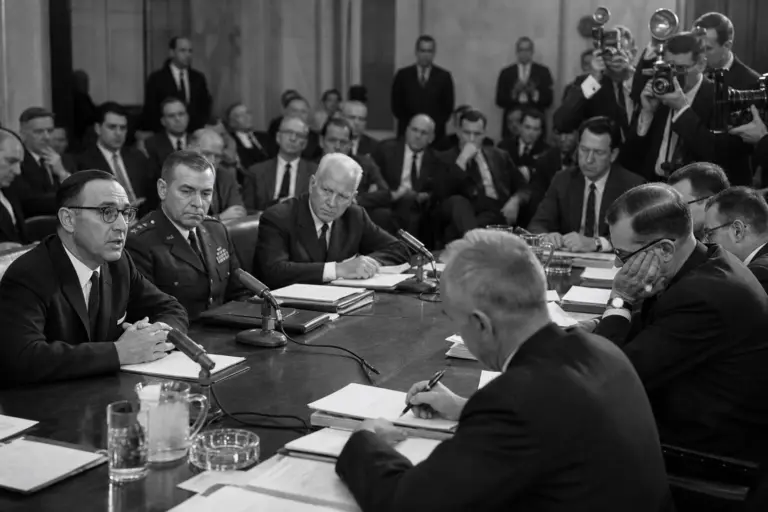
Pressure for an outside review had been building well before the committee began work. UFO sightings drew sustained public attention, while Project Blue Book faced criticism that an Air Force unit charged with receiving reports was not well placed to provide a persuasive scientific assessment of them. The issue reached Congress in 1966, when hearings brought the program’s methods and scientific credibility into open dispute.
The resulting University of Colorado UFO study was designed to answer a narrower institutional question than Blue Book’s day-to-day work. Project Blue Book functioned as an operational reporting program: it collected accounts, sought explanations where possible, and maintained an official record. The Colorado team was asked to assess whether the subject, considered as a field of inquiry, justified further substantial scientific effort. That distinction meant the study was not commissioned because officials had already settled what all sightings were; it was commissioned because the existing arrangement no longer commanded broad confidence.
Physicist Edward U. Condon directed the university project under an Air Force contract, giving the review an academic setting separate from the reporting system under criticism. The team’s work ran from 1966 through 1968, though the final Edward Condon UFO report was published in January 1969. Its independence was meant to make its eventual judgment more credible to both federal officials and the scientific community, especially on the practical question of whether routine Air Force UFO investigations should continue.
What the Report Concluded, and What It Did Not
The report’s governing conclusion was a recommendation about the likely return on research effort. Its summary held that further extensive scientific study of unidentified flying objects probably could not be justified in the expectation that science would be advanced thereby. In other words, the committee judged the field unlikely to yield major new knowledge commensurate with a large, continuing program; it did not announce that every report had received a conventional identification.
That distinction is visible in the 1968 Condon Committee report‘s structure. Alongside its broad assessment were detailed investigations of selected sightings, including files in which the available testimony, photographs, radar information, or environmental data did not permit a firm conclusion. An unresolved case meant that the record was too limited, ambiguous, or difficult to reconcile for the investigators to assign a confident explanation. It was not a positive finding that the object was extraterrestrial or otherwise non-human. “Unexplained” describes the state of the evidence, not the proven nature of the event.
Nor did the Condon Report establish a definitive debunking of all UFO accounts, make a finding about concealment, or purport to rule out every imaginable cause of an observation. Its consequential claim was narrower and more administrative: broad additional investment in the scientific study of unidentified flying objects was unlikely to be productive. That research-priority judgment gave later officials a basis for changing the status of routine investigation even while uncertainty remained in individual files.
How the Report Helped Clear the Way for Project Blue Book’s Closure
An external scientific review gave that administrative judgment added force. The National Academy of Sciences examined the University of Colorado study and endorsed its general assessment that another large-scale UFO research program was unlikely to produce commensurate scientific returns. Its approval mattered because it distinguished acceptance of the program-level recommendation from a claim that every individual report had been solved.
That endorsement provided a key institutional basis for the Air Force’s change of course. On December 17, 1969, the service announced that Project Blue Book would end on January 30, 1970. Its closure memorandum set out three conclusions: no reported UFO had posed a threat to national security; no report had provided evidence of technology beyond contemporary scientific knowledge; and continued investigation was unlikely to contribute to science. These were policy criteria for retaining or ending a standing reporting-and-review operation, not findings that every witness had been mistaken.
The January 1969 publication of the Condon Committee Report therefore did not mechanically terminate Blue Book by itself. The program’s history, the Air Force’s own accumulated assessments, and the Academy’s review all formed part of the decision environment. But the Colorado study supplied the most authoritative public rationale for ending routine Air Force UFO investigations while leaving particular unresolved files in the historical record.
Why the Condon Report Remained Contested
Criticism centered less on a single disputed sighting than on whether the inquiry had approached its assignment with an open enough mind. The most enduring flashpoint was the “Trick Memo,” an early planning memorandum by project coordinator Robert Low. Its language about presenting the study so that the public would accept a conventional conclusion gave critics reason to fear that the result had been anticipated before the research was complete. Defenders stressed that the memo was a proposal written before the full staff and case work were in place; critics regarded its tone as damaging evidence of institutional skepticism.
Method also mattered. A broad review can support a program-level judgment only if its cases, investigative standards, and treatment of uncertainty persuade readers that difficult reports received serious attention. Skeptics argued that the 1968 Condon Committee gave uneven weight to cases and too readily treated gaps in evidence as grounds for dismissal. They pointed especially to technically complex reports, such as radar-visual incidents, where contributors sometimes retained uncertainty even as the report’s introductory conclusion advised against further extensive study.
That is the crucial distinction: unresolved cases did not logically require a permanent national investigation program, but their presence made the report’s confident overall recommendation vulnerable to challenge. The dispute fostered lasting public distrust because it joined a troubling internal document to a visible gap between some case-level ambiguity and the final policy message. It does not, by itself, demonstrate a government UFO cover-up or establish an extraordinary explanation for any sighting. Mainstream institutions could still accept the report’s practical recommendation while critics continued to contest whether its process had earned that confidence.
The Policy Legacy: From Routine UFO Files to Modern UAP Review
After Project Blue Book closed, no comparable public-facing federal program remained dedicated to collecting civilian UFO reports and asking whether they justified broad scientific investment. Official attention did not disappear, but a permanent, general-purpose inquiry became harder to sustain within mainstream scientific and defense institutions.
Later UAP efforts operate on a different rationale. “UAP” is an administrative term for objects or phenomena not immediately identified; the operational question is whether a report signals a flight hazard, a sensor limitation, foreign surveillance, or unfamiliar technology. A Pentagon UFO office can therefore treat an object near military aircraft as an intelligence and safety problem even when it offers no evident prospect of a major scientific discovery. This approach places greater weight on the provenance and quality of radar, infrared, visual, and other sensor data than on maintaining a public catalogue of unexplained sightings.
AARO UAP work marks a bounded return of official scrutiny, not a restoration of Blue Book or a repudiation of the Colorado study. Its national-security and intelligence remit supplies reasons to resolve anomalous observations without presuming an extraordinary explanation. Modern UAP disclosure debates consequently concern what records, methods, and findings institutions should release. They reopen questions of transparency and accountability; they do not settle the historical cases left unresolved or establish the cause of every current report.
What the Condon Legacy Actually Means
Its enduring significance lies in the standard it set for allocating institutional attention. The Condon Committee Report treated a large, standing UFO program as something that had to demonstrate a credible prospect of scientific return, not merely respond to public interest or preserve every unresolved file. The National Academy of Sciences’ favorable review and the Air Force’s 1969 closure of Project Blue Book made that standard consequential policy rather than an isolated academic opinion.
That policy legacy should not be mistaken for a universal factual verdict. An unexplained case is a record with insufficiently decisive information; it is not, by itself, proof of any particular cause. Conversely, the committee’s conclusion that another broad survey was unlikely to advance science did not identify every sighting or settle what every witness, photograph, radar return, or other observation represented.
This distinction remains useful in arguments about transparency. Strong public evaluation requires enough underlying information to assess how an observation was collected, what alternative explanations were tested, and why an agency reached its conclusion. A weak claim treats the mere existence of an unresolved report as an answer. The historical record instead shows a change in research priorities: the Colorado study helped end routine official UFO investigations, while leaving the evidentiary questions raised by particular cases open to scrutiny.
That is the Condon legacy in its most precise form: an institutional recommendation about whether to maintain a broad program, not a final judgment on the reality or cause of every UFO or UAP report.
Frequently Asked Questions
What did the Condon Committee Report conclude about UFOs?
The report concluded that another extensive scientific study of UFOs was unlikely to produce major advances in science. It did not claim that every UFO report had been identified or explained.
Why is the Condon Report called the 1968 UFO report if it was published in 1969?
The University of Colorado study ran from 1966 through 1968, which is why it is often called the 1968 Condon Report. Its final volume was published in January 1969.
Did the Condon Committee explain every UFO case it examined?
No. Some case files remained unresolved because witness accounts, photographs, radar data, or environmental evidence were insufficient for a firm conclusion. An unresolved case meant the evidence was inconclusive, not that a non-human origin had been proven.
Did the Condon Report cause Project Blue Book to close?
The report helped provide the main public rationale for ending Project Blue Book, but it was not the sole cause. After the National Academy of Sciences endorsed its general assessment, the Air Force announced on December 17, 1969 that Blue Book would close on January 30, 1970.
What should agencies look for when deciding whether to investigate modern UAP reports?
Agencies should prioritize reports with reliable, well-documented radar, infrared, visual, or other sensor data that could indicate an aviation hazard, foreign surveillance, or unfamiliar technology. Modern UAP review is focused on safety, intelligence, and national security rather than maintaining a broad public UFO research program.