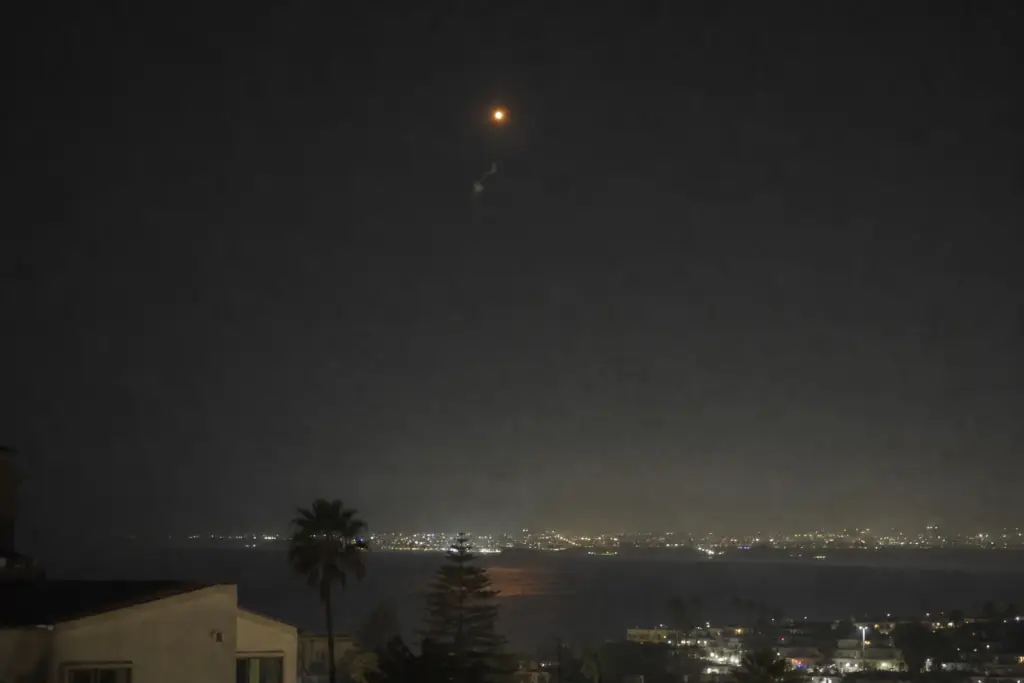
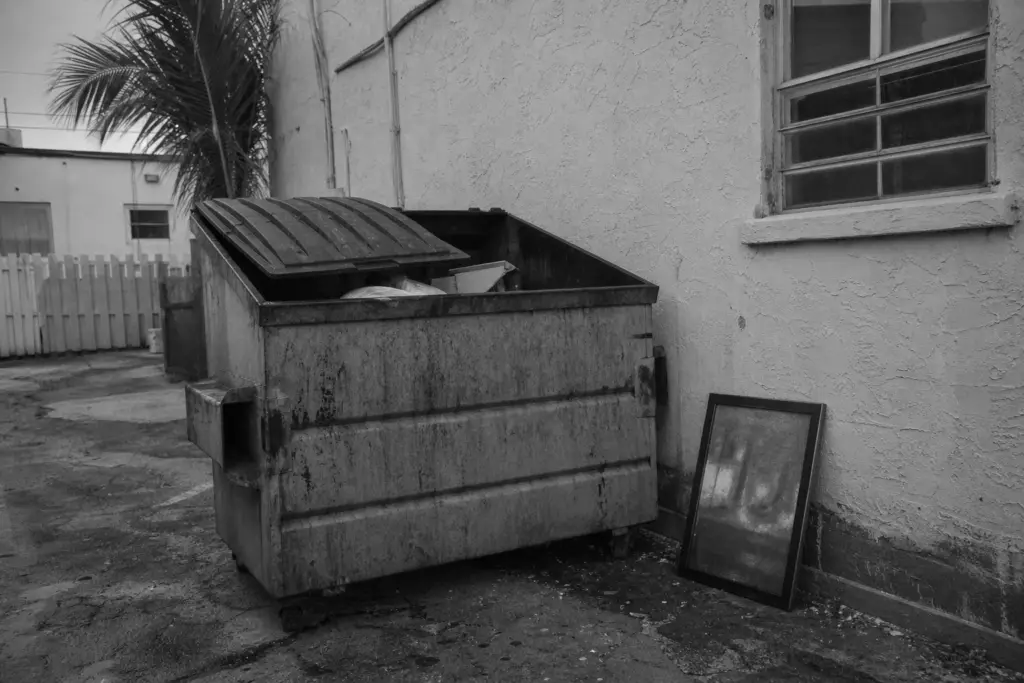
The first checkpoint is simple: can an original WSVN, Miami’s Channel 7, broadcast, station page, transcript, or authenticated recording place this item on air or online on January 17, 2010? The available material for this assessment does not include a directly reviewed original broadcast, station page, transcript, or authenticated recording. The date, outlet, location, discovery account, and object description therefore remain claims to be tested rather than established facts.
This inquiry separates three different levels of evidence. A broadcast record could establish that Channel 7 covered a local item on a particular date; clear footage or photographs could establish only what was visibly shown in the frame; and a documented chain of custody could begin to establish where the picture came from and whether it is authentic. These are not interchangeable. A reposted clip, recollection, caption, or cropped image may help locate a lead, but it does not independently prove the underlying event or complete the ambiguous text “Space Sh.”
The sections that follow assess the Miami dumpster find Space Sh Channel 7 News claim through broadcast records, contemporaneous coverage, available imagery, and provenance standards. They also keep a necessary boundary in view: even if a local-news segment and discarded framed item are verified, neither alone supports a UFO/UAP disclosure claim. That would require independently verifiable provenance and corroborating documentation beyond an object’s appearance or an online interpretation.
What Is Actually Claimed About the Miami Dumpster Find
The allegation has a specific, limited form: on January 17, 2010, Channel 7 Miami reportedly showed or discussed a framed picture said to have been recovered from a dumpster in Miami, with “Space Sh” visible on the item or used to describe its subject. That wording preserves the uncertainty at every point. It does not establish that the station broadcast occurred, that the date is correct, that the item was found where claimed, or that “Space Sh” is complete text rather than a cropped or blurred fragment.
Three propositions must remain separate. First is the broadcast claim: WSVN aired or published a local report. Strong support would be a station-hosted video, dated story page, transcript, or an intact recording with identifiable Channel 7 branding and broadcast context. Second is the object claim: a physical framed picture existed and was displayed. A clear, contemporaneous image could support visible features, frame, print, lettering, damage, or setting, without proving who owned it or where it came from. A caption or repost alone joins neither claim securely.
The third proposition is interpretive: that the picture has UFO/UAP significance. This is the weakest claim because a space-themed, unusual, or ambiguously labeled image is not evidence of an anomalous event. No independently verifiable provenance, finder account, recovery record, authentication, expert analysis, or corroborating reporting has been supplied here. The reported Space Sh framed picture Miami account may therefore be a lead for archival research, but it does not, on its own, support a disclosure or extraterrestrial interpretation.
How to Verify the January 17, 2010 Channel 7 News Broadcast
A broadcast attribution becomes reliable only when the record ties the footage to a particular outlet, program, and date rather than merely displaying familiar graphics. The best result would be a complete WSVN segment preserved on the station’s own site or in an intact recording: its opening and closing context, reporter or anchor identification, lower-thirds, and surrounding newscast material can show whether the item was editorially presented by Channel 7 and whether it aired on January 17, 2010.
An original WSVN story URL is the next strongest form of publication evidence. A preserved station-domain page can establish the outlet’s attribution and, if it retains a publication timestamp, headline, byline, video player, or associated text, the reported subject and online publication date. Archive metadata and contemporaneous documentation add separate checkpoints. A library, commercial television-news database, or web archive record is most useful when it identifies the station, broadcast date, program, segment title, and duration; a date alone is weaker if it could refer to the upload, capture, or repost date rather than the newscast.
A transcript or closed-caption record can independently preserve wording that is hard to read in video, including whether “Space Sh” appeared in narration or on screen. Contemporaneous posts from an identifiable station account, or local reporting published at the time that links to or describes the segment, can corroborate that a Channel 7 News January 17 2010 Miami dumpster find report was promoted or discussed. They remain supporting records, however: a short post rarely preserves the full editorial context.
- Strong signal: a complete recording or station-hosted page whose date and identity are supported by matching archive metadata.
- Useful lead, not proof: a reposted clip with a WSVN logo. Branding can survive copying, while the clip may be shortened, retitled, or assigned a later upload date.
- Weakest lead: a cropped still, forum reference, or unsourced video description. These may guide searches for names, wording, or visual details, but cannot independently establish the air date, station, or what the report actually said.
No directly reviewed original broadcast, station page, transcript, or authenticated archive entry has been provided in the available record. Until one is located, the claimed January 17 broadcast remains unverified rather than disproved, and it provides no independent basis for a UFO/UAP conclusion.
What the Framed Picture Can, and Cannot, Be Described as
Medium matters because a frame identifies only the outer presentation, not the image-making process inside it. A framed photograph ordinarily shows a photographic image on paper; a framed print may be a reproduced illustration, map, or graphic; a poster is generally a mass-produced display sheet; and original artwork may show brushwork, drawing marks, or other unique surface features. Each description carries a different implication for later identification, so none should be assigned from a thumbnail, a compressed clip, or a verbal retelling alone.
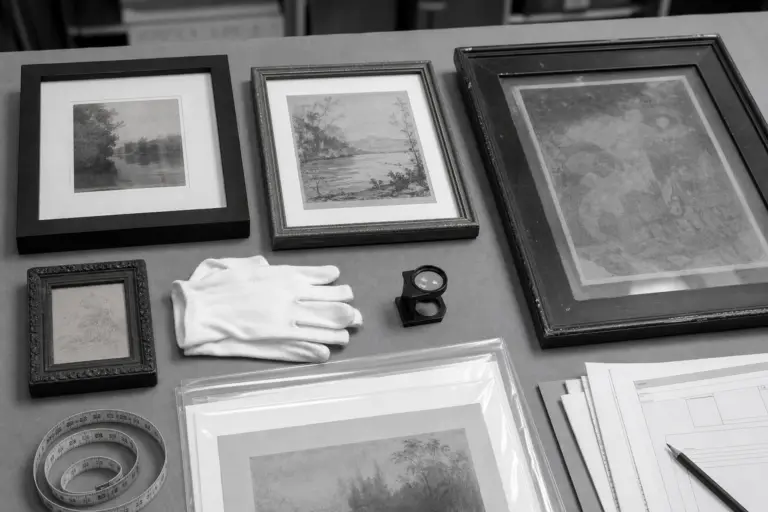
No high-resolution footage, still photograph, or contemporaneous written description of the item has been supplied for review here. The defensible description is therefore limited to the reported characterization of a framed item or picture. The available record does not establish that it was a framed photograph, framed print, poster, painting, or any other particular format; nor does it establish its dimensions, frame material, condition, maker, date, signature, label, or whether anything was visible on its reverse.
The only wording that can be preserved without expansion is “Space Sh”. It should be treated as a partial visual transcription or reported fragment, not as a completed title, an identified subject, or an acronym. Missing letters could lie outside a crop; glare or low resolution can alter the apparent final characters; and words elsewhere on the image, frame, caption, or backing could change its meaning entirely. In particular, “Space Sh” does not justify reading “space ship” into the object.
- Good visual support: a sharp, uncropped image showing the full face, frame edges, and any captions or inscriptions at readable scale.
- Weak visual support: a screen capture in which lettering is blurred, partly blocked, reflected in glass, or visible for only a few frames.
Until such material is recovered, the Space Sh picture Channel 7 account supports only a cautious report of an alleged framed image with ambiguous wording. It supplies no visual basis for treating an unusual appearance as a credible identification or for classifying the subject as UFO/UAP-related.
The Missing Provenance: Why a Dumpster Discovery Is Hard to Authenticate
Provenance is the item’s traceable history: where it was recovered, who handled it, what records connect it to an earlier owner or maker, and what happened afterward. For this reported dumpster discovery, a usable chain would begin with a precise address or property, the finder’s identified account, and a recovery date and circumstance that can be independently placed in time. None of those details has been supplied in the available record.
The next links are equally important. Item custody means a record of who retained the framed picture after recovery and whether it was photographed, transferred, returned, sold, discarded, or examined. Owner records, a property-manager account, sanitation or police paperwork, and contemporaneous photographs could corroborate the discovery narrative. Physical inspection could also reveal a signature, publisher line, edition mark, gallery label, backing-paper notation, or framing-shop sticker. Those details serve different purposes: an artist or publisher identifier may date or identify the image, while a custody record may establish only where the object was after it was found.
- Stronger signal: an identifiable finder, location, dated recovery image, uninterrupted custody, and a maker or ownership trail that can be independently tested.
- Weak signal: a television appearance or reposted clip showing that someone presented an item, without preserving where it came from or where it went.
A local-news report can document a reporter’s encounter with a person and an object; it does not, by itself, authenticate the object’s age, origin, ownership, or intended meaning. In this case, no on-air identification of the finder, property owner, recovery location, custody history, artist or publisher information, or later disposition is available for review. The Miami dumpster framed picture UFO association therefore rests on unknown provenance, not positive evidence of an extraordinary origin.
Is There Any Verified Connection to UFO or UAP Reporting?
An ambiguous framed image belongs at the cultural-artifact end of the evidentiary scale, not the investigative end. It may be space-themed, and its visual subject may be unidentified to a viewer, but neither point makes it a reported aerial or spaceborne event. A sighting report would require a witness account describing an observation at a place and time; the available material contains no identifiable witness account connecting “Space Sh” to such an event.
The distinction matters in UFO news and UAP news alike. “Unidentified” can describe an object in an image that has not been recognized; it does not mean the object was observed in flight, tracked by an instrument, or assessed as anomalous. Evidence for non-human intelligence would require much more: reliable provenance, a defined claim about the object or event, and independent records capable of testing that claim. A discarded picture, even if its Miami recovery and television appearance were eventually confirmed, would not meet that threshold.
- Potentially relevant evidence: an original segment explicitly using UFO, UAP, alien, military, or government language; a named sighting report; or a traceable case file that identifies the picture as an exhibit.
- Insufficient on its own: a space-like motif, the incomplete text “Space Sh,” a local-news mention, viewer speculation, or a reposted clip detached from its broadcast context.
No directly reviewed WSVN recording, transcript, agency record, police report, military record, or recognized investigation has been provided that links this item to UFO sightings or a formal UAP inquiry. Nor is there a record tying the alleged find to government concealment or alien disclosure. Those are separate, much larger claims that cannot be inferred from an unexplained image and an unverified broadcast attribution. The proportionate conclusion is therefore direct: the reported picture has no verified UFO/UAP connection without independently corroborating records.
A Practical Research Trail for the Original Report and the Picture
A reproducible inquiry begins with a search log, not a screenshot. Record each WSVN search using January 17, 2010, a surrounding seven-day window, and variants including dumpster, framed picture, Space Sh, Miami find, and any visible reporter, anchor, or lower-third name. Save the URL searched, access date, query, and result, even when nothing is returned.

- Ask WSVN’s archive or assignment desk for the relevant newscast, story slug, rundown, transcript, and any surviving raw or aired news footage. A rundown can establish whether a story was scheduled; a complete segment is stronger because it preserves the broadcast context.
- Search television-news databases and Miami-area library news collections by date, station, and program time. Preserve any original upload with its page URL, upload timestamp, uploader identity, file name, and a cryptographic hash; reposts are leads, not independent confirmation.
- Request an uncompressed copy or station-derived stills where possible. Compression can erase text, framing details, captions, and edit boundaries needed to assess “Space Sh.”
Use four labels: verified for an authenticated, date-linked WSVN record; partially verified for a traceable fragment lacking full context; unverified for unsupported online attribution; and disproven or misdated when a primary record identifies a different outlet, date, or story.
Bottom Line: A Local Discovery Claim, Not Established UFO Evidence
The appropriate final label is unverified: no directly reviewed WSVN broadcast, station publication, transcript, or authenticated recording establishes that Channel 7 aired the alleged report on January 17, 2010.
The framed picture can responsibly be described only as an alleged recovered item associated online with the incomplete wording “Space Sh.” Its medium, imagery, origin, finder, recovery location, custody, and present whereabouts remain unknown.
That leaves the Miami dumpster find Space Sh Channel 7 News account worth preserving as a local-media research lead, not treating as a resolved event. A recovered station segment or independently documented provenance could change that assessment. Without either, it is not evidence of UFO disclosure, UAP disclosure, alien activity, or a government program.
What Can Be Established From the Available Record
The record separates into three evidentiary layers that should not be collapsed. The broadcast layer has not been directly reviewed: no original WSVN video, station article, transcript, or authenticated archive entry is available here to establish the claimed January 17, 2010 air date. The object layer is narrower still: no high-resolution image permits a reliable identification of the framed item’s medium, imagery, or complete wording beyond the preserved fragment “Space Sh”.
- Supported as an online attribution: a claim associates a Miami dumpster discovery, a framed picture, Channel 7, and the fragment “Space Sh”.
- Not established: the segment’s existence, exact date, broadcast wording, finder, location, ownership history, and the object’s present custody.
- Not supported by the available record: an association with a reported aerial event, a UAP investigation, governmental disclosure, or nonhuman activity.
Those distinctions matter because a local television report, if recovered, would document that a newsroom presented a claim at a particular time; it would not automatically authenticate the item or explain its origin. Authentication would require independently traceable recovery details and a chain connecting the picture to a maker, owner, event, or record. The stronger signal would be corroborating evidence with a verifiable origin; the weaker signal is a detached image or reposted attribution.
The responsible conclusion is therefore limited: this remains an unresolved archival lead. Extraordinary UFO/UAP interpretations require independent, verifiable provenance or corroborating documentation beyond a reported dumpster find.
Frequently Asked Questions
What did Channel 7 News reportedly show about the Miami dumpster find on January 17, 2010?
The claim is that WSVN, Miami’s Channel 7, showed or discussed a framed picture reportedly recovered from a Miami dumpster, with the fragment “Space Sh” visible or referenced. No original WSVN broadcast, station page, transcript, or authenticated recording has been reviewed to confirm the report or date.
What does “Space Sh” mean on the framed picture found in Miami?
“Space Sh” is only an incomplete reported text fragment, not a confirmed title, acronym, or subject description. It cannot reliably be expanded to “space ship” because missing letters, cropping, glare, or low resolution may change the wording.
Was the Miami framed dumpster picture ever authenticated or traced to an owner?
No authenticated provenance has been provided for the framed picture. The available record lacks an identified finder, precise recovery location, recovery date, custody history, owner records, maker information, and current disposition.
Where can I find the original Channel 7 Miami report from January 17, 2010?
Search WSVN archives, television-news databases, Miami-area library news collections, and web archives using January 17, 2010 plus terms such as “dumpster,” “framed picture,” “Space Sh,” and “Miami find.” The strongest evidence would be a complete WSVN segment, a dated station-hosted story page, or an archive record identifying the station, program, segment, and duration.
How can you tell whether a reposted Channel 7 clip proves the Miami dumpster story?
A reposted clip with a WSVN logo is only a lead because branding can remain after editing, retitling, or later uploading. Look for intact broadcast context, including anchors or reporters, lower-thirds, surrounding newscast footage, a station URL, and matching archive metadata that confirms the January 17, 2010 date.