DoD Releases Three Declassified UAP Videos FLIR, GIMBAL, GOFAST Confirmed as Authentic Navy Footage
Explore DoD declassified UAP videos, including FLIR, GIMBAL, and GOFAST, and learn what their Navy authentication confirms, and what remains unknown.
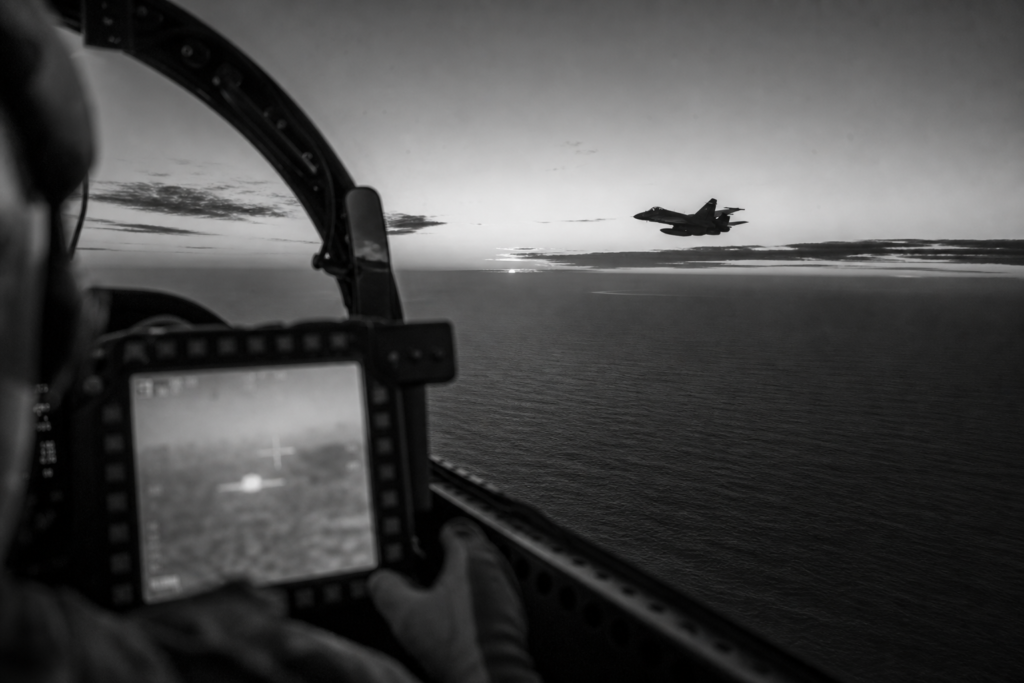
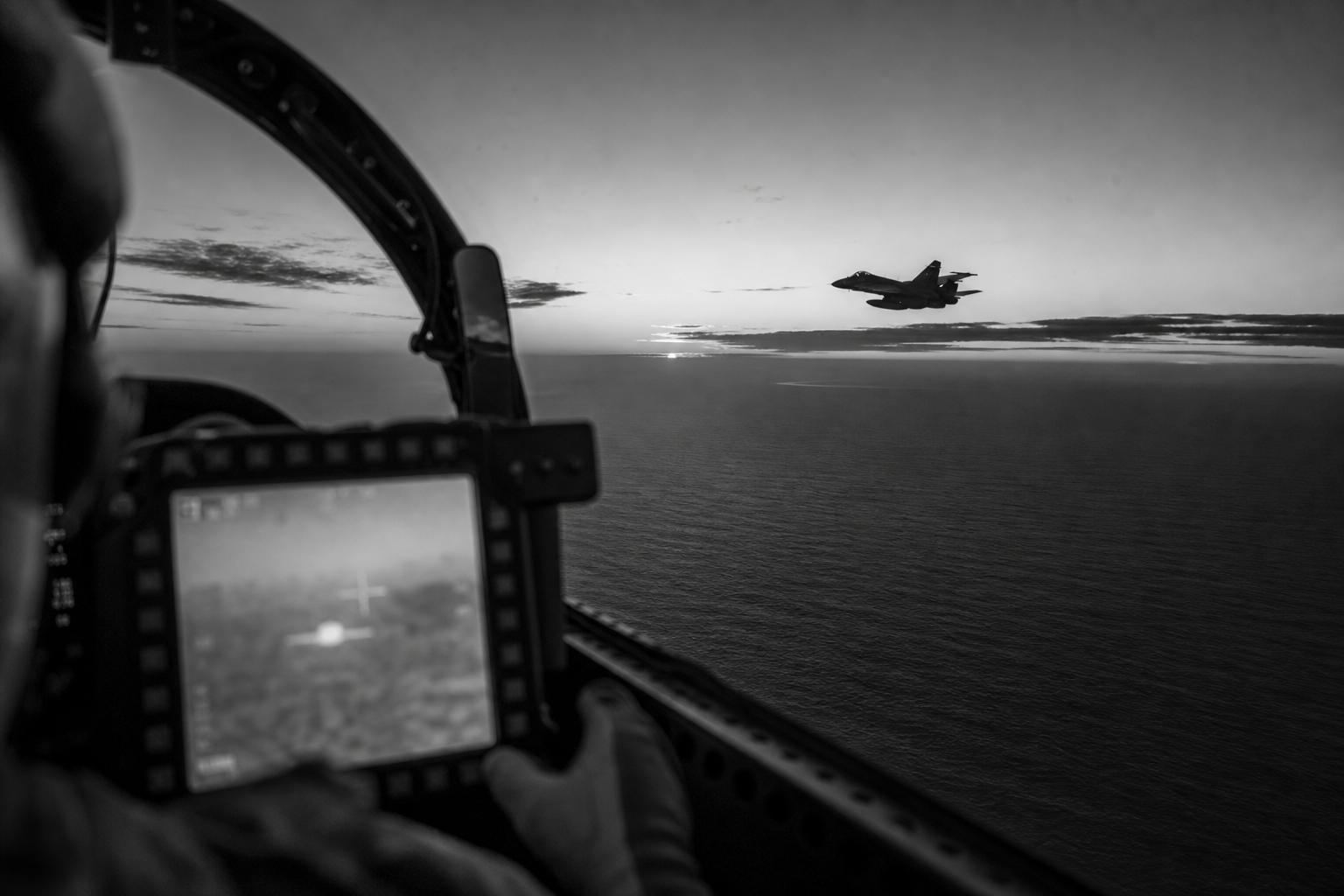
When the Pentagon published the three now-famous clips on April 27, 2020, it was not unveiling previously unseen footage. FLIR, GIMBAL, and GOFAST had circulated publicly before then. What changed was the status of the material: the Department of Defense formally released the Navy-origin videos and confirmed they were authorized for public dissemination. That official act established provenance, these were genuine military recordings, not a final explanation of every object or apparent motion visible on screen.
The distinction matters because authenticity and identification answer different questions. The first asks whether the footage came from the claimed military source; the second asks what, precisely, was observed. The DoD declassified UAP videos address the former. They do not, by themselves, establish an alien origin, extraordinary capabilities, or a single explanation for the phenomena depicted.
This account separates the clips and their timelines: FLIR is tied to the 2004 Nimitz-era incident, while GIMBAL and GOFAST relate to 2015 Navy encounters. It also explains what the release confirmed, what each recording visibly contains, and where the official record stops short of identifying the objects.
What DoD Officially Released, and What It Confirmed
The operative checkpoint in DoD’s April 27, 2020 announcement was authorization: the department said it had cleared the recordings for public release after determining that publication would not disclose sensitive capabilities or interfere with subsequent investigations. DoD said it released the material to address public misconceptions about whether the footage was real and whether additional videos existed.
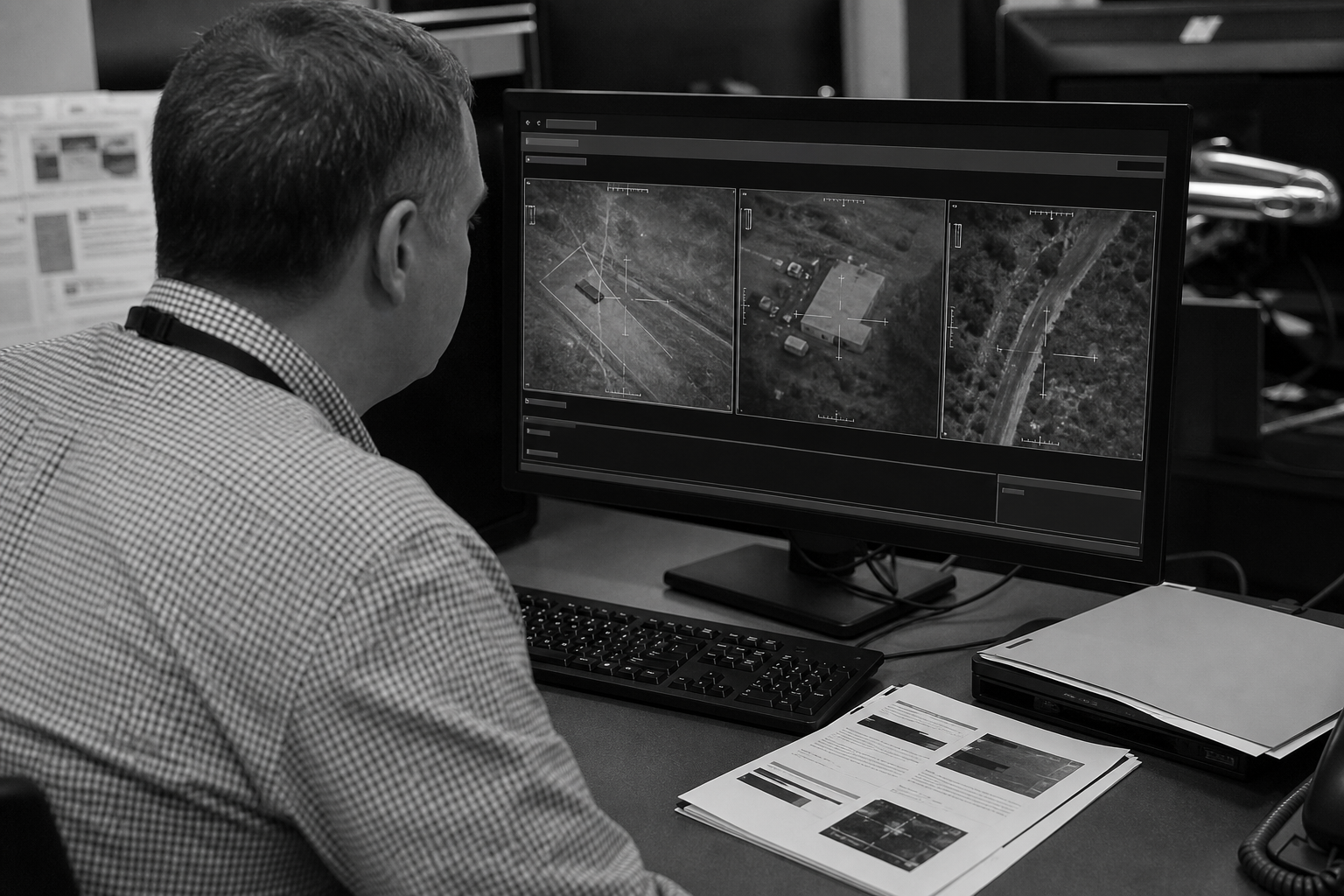
DoD described the imagery as depicting “unidentified aerial phenomena.” That label records an unresolved identification in the released material; it does not assign a cause, origin, technology, or extraordinary capability to the objects shown.
The published files carried the labels FLIR, GIMBAL, and GOFAST. FLIR is associated with the November 2004 Nimitz-era events, while GIMBAL and GOFAST are associated with January 2015 Navy encounters. The names distinguish separate recordings and incident contexts, not separate official explanations. Grouping them in a single 2020 publication did not establish that they depicted one confirmed phenomenon. It established that DoD had released Navy-origin footage for public viewing, not that the department had identified the objects as alien, extraterrestrial, or non-human.
The Timeline: Earlier Public Circulation, Navy Acknowledgment, and DoD’s 2020 Publication
The sequence begins with the events recorded, not with the Pentagon’s web post. FLIR is associated with the November 2004 Nimitz encounter, while GIMBAL and GOFAST stem from separate Navy encounters off the U.S. East Coast in 2015. Those dates locate the recordings in two different operational contexts; they are not three videos made during a single 2020 event.
Before the DoD UAP video release, To The Stars Academy had posted the clips publicly after obtaining authorized releases. DoD’s April 2020 statement explicitly recognized that prior circulation. The significant change in 2020 was therefore institutional: the Department published the videos itself, under its own labels and explanation, rather than making material newly visible for the first time.
The intervening Navy acknowledgment also matters. In September 2019, Navy spokespersons described the clips as genuine Navy videos and used “unidentified aerial phenomena” for the objects depicted. That was a provenance statement: it addressed where the recordings came from and the Navy’s treatment of the observed objects. It was not an announcement that the Navy had identified an object, established its capabilities, or endorsed an extraordinary explanation.
A precise timeline avoids a misleading shorthand sometimes attached to declassified Navy UAP footage. “Previously nonpublic” is not interchangeable with “classified until 2020,” and a private company’s authorized posting is not identical to a formal Pentagon publication. The useful reading order is straightforward: 2004 and 2015 incidents; authorized public circulation before 2020; Navy confirmation in 2019 that the recordings were authentic; then DoD’s April 27, 2020 publication. Each step answers a different question about date, release channel, and official acknowledgment.
FLIR: The 2004 Nimitz Encounter Footage
Among the three released recordings, FLIR reaches furthest back: it is tied to the November 2004 events involving the USS Nimitz carrier strike group and the 2004 Nimitz encounter. The DoD’s FLIR label refers to forward-looking infrared imagery, a targeting-pod view that renders infrared contrast as a monochrome image rather than as ordinary daylight video.
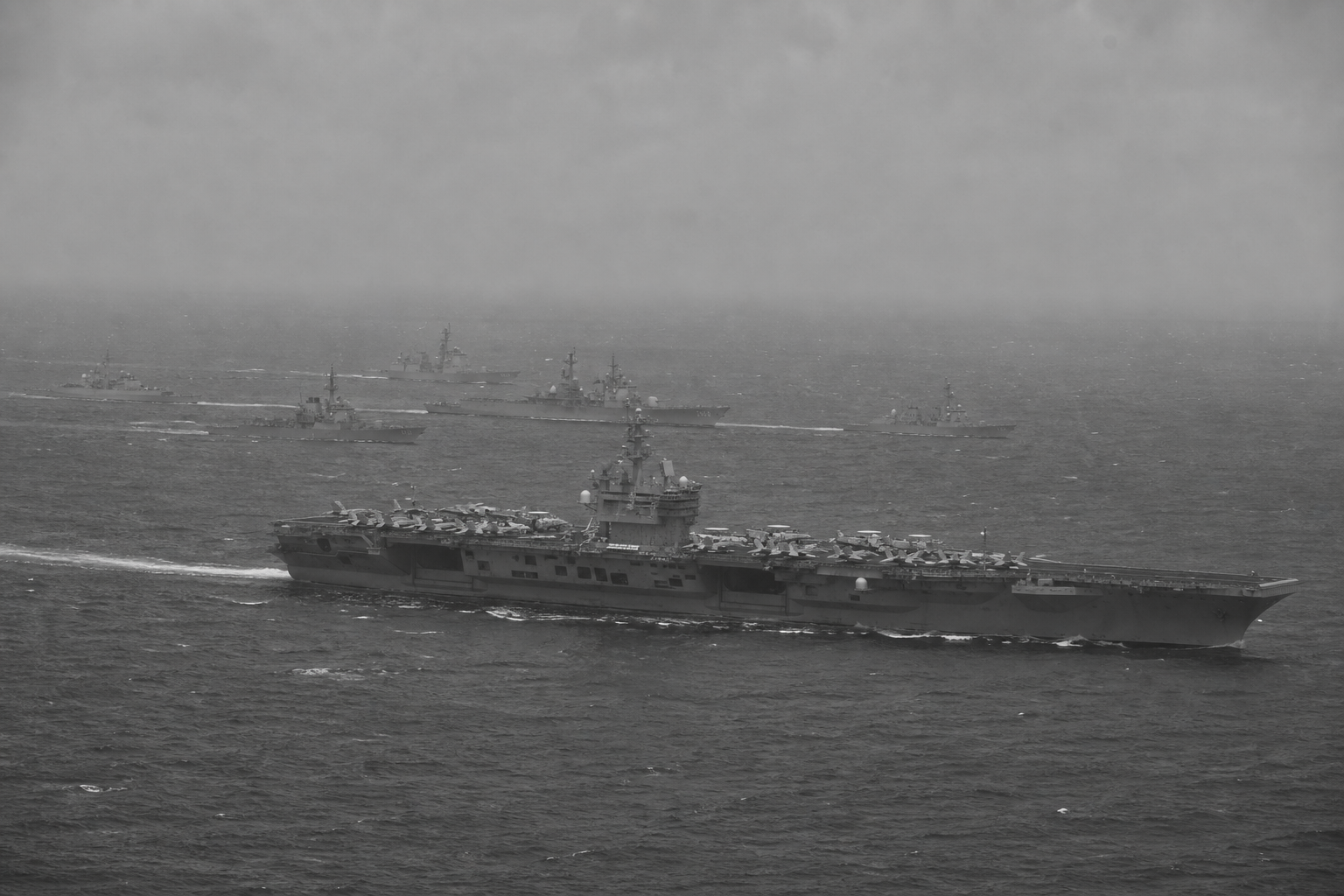
Recorded from an F/A-18 Super Hornet, the public Nimitz UAP footage shows an aircrew using the aircraft’s infrared targeting system to hold a track on a bright object over a darker background. The display includes a tracking box, targeting-pod symbology, and cockpit audio, placing the observation in a Navy flight operation. Those features establish the recording’s sensor-based military context; they do not supply a complete physical profile of the tracked object.
That limitation is central to reading infrared footage. A bright patch in FLIR is the system’s depiction of an infrared contrast, not a direct daylight outline that independently establishes shape, dimensions, or material. The short clip also does not provide viewers with a confirmed range to the object. Without that range and the underlying flight and sensor data, apparent motion on screen cannot alone establish the object’s distance, true speed, acceleration, or direction of travel.
The supportable conclusion from the Nimitz UAP footage is narrower than claims often attached to the wider 2004 episode: Navy aircrew tracked an unidentified object through an F/A-18’s infrared targeting system. The released FLIR segment preserves part of that encounter, but the video by itself does not identify the object or demonstrate its size, origin, technology, or extraordinary performance.
GIMBAL and GOFAST: What the 2015 East Coast Clips Show
The two East Coast clips differ most clearly in the kind of view they provide. GIMBAL is an infrared targeting-pod recording of a heat-contrast target, accompanied by cockpit conversation from the observing aircrew. The display preserves the sensor’s track and viewing mode while the audio captures the crew reacting in real time; neither element, however, supplies a complete independent account of the object’s distance, dimensions, or identity.
The GIMBAL UAP video is often discussed because the target appears to rotate as it is held in the pod’s field of view. That visible change is an observation in the recording, but its cause cannot be settled from the short clip alone. A rotating image can reflect target orientation, camera or gimbal behavior, changing viewing geometry, or a combination of factors. The audio adds operational context, not a measurement of the object’s performance.
GOFAST presents a different visual problem. The tracked object appears against the ocean below, with the targeting display and cockpit audio again providing the setting for an airborne observation. In the Go Fast video UAP, the apparent speed across the frame is especially easy to overread: a target’s motion relative to water depends on its range, altitude, aircraft motion, sensor angle, and wind conditions. Without the broader flight-data record and a resolved range, screen motion is not a direct speed reading.
Both recordings arose from 2015 Navy activity off the U.S. East Coast, but they should not be treated as interchangeable proof of one event or one set of characteristics. GIMBAL emphasizes an infrared signature and an apparent change in orientation; GOFAST emphasizes a tracked object seen over water and an apparent rapid traverse. In each case, the useful conclusion is limited to what the clip records: a military sensor observed an object that was not identified within the footage itself. Extraordinary capability requires more than a compelling short video; it requires contextual data sufficient to separate an object’s true motion from the aircraft, sensor, and viewing geometry.
Authentic Footage Does Not Mean an Identified Phenomenon
Three separate questions are often collapsed into one. Authenticity concerns provenance: whether a recording genuinely came from the military system and context attributed to it. Authorized public release concerns permission: whether the government could publish that material without disclosing protected information or disrupting its work. Identification is a different and higher evidentiary threshold, the ability to determine what produced the observed signature or object.
The Navy’s acknowledgment and the Pentagon’s April 2020 publication answered the first two questions for FLIR, GIMBAL, and GOFAST. They did not answer the third. Neither action concluded that the objects were aliens, non-human intelligence, foreign aircraft, or advanced U.S. technology. Those explanations are possibilities people may debate, not findings established by the release of authentic Navy footage.
The practical distinction is visible in the clips themselves. A sensor recording can reliably show that an aircrew tracked something without containing enough contextual information to establish its size, range, propulsion, route, or physical nature. Provenance makes the footage valuable evidence of an observation; it does not turn a short recording into a complete identification record.
Later Pentagon and AARO UAP work uses unresolved in that limited sense. It describes reports for which the available data do not support a confident attribution, rather than serving as evidence for a preferred extraordinary explanation. A case can remain unresolved because key measurements are absent, incomplete, ambiguous, or insufficiently corroborated. That is an evidentiary limit, not confirmation of a UFO disclosure narrative or a government conclusion about what the objects ultimately were.
Where to Find the Official Videos and the Bottom Line
The publication date and the wording of the Department of Defense’s April 27, 2020 release are the most useful starting points. The page preserves the original announcement and the three video files, allowing readers to distinguish the Pentagon’s formal publication from the recordings’ earlier public circulation.
Read April 27, 2020 as the date of the official release, not the date of the observations. The Nimitz-related infrared clip is linked to 2004, while the two East Coast recordings concern 2015 Navy encounters. A sound account keeps those incident dates separate from the later Pentagon publication rather than describing the material as footage recorded in 2020.
For later institutional context, the All-domain Anomaly Resolution Office publishes reports and case material under the current UAP framework. Those records show how the Pentagon UFO office handles unresolved reports, but they do not alter the limited conclusion of the 2020 announcement for these recordings.
The bottom line is narrow: the DoD declassified UAP videos are officially acknowledged Navy-origin recordings published by the Pentagon in 2020. The release establishes their provenance and public-release status; it does not make a final identification of the objects depicted. Treat the clips as sensor evidence of observations, and separate what appears on a display from claims about an object’s nature that require additional evidence.
Frequently Asked Questions
-
Did the Pentagon confirm the FLIR, GIMBAL, and GOFAST videos are real?
Yes. On April 27, 2020, the Department of Defense officially released the three Navy-origin videos and confirmed they were authorized for public dissemination. This established that the recordings were authentic military footage, not that the objects had been identified.
-
When did DoD officially release the FLIR, GIMBAL, and GOFAST videos?
The Department of Defense officially published FLIR, GIMBAL, and GOFAST on April 27, 2020. The clips had circulated publicly earlier, while the recorded incidents date to November 2004 for FLIR and 2015 for GIMBAL and GOFAST.
-
What is the difference between the FLIR, GIMBAL, and GOFAST UAP videos?
FLIR is infrared targeting-pod footage connected to the 2004 USS Nimitz events and recorded from an F/A-18 Super Hornet. GIMBAL and GOFAST are separate 2015 East Coast Navy recordings: GIMBAL shows an infrared target that appears to rotate, while GOFAST shows a tracked object over the ocean.
-
Do the Pentagon UAP videos prove aliens or extraordinary aircraft capabilities?
No. The official release confirmed the videos’ Navy provenance and public-release status, but did not identify the objects as alien, non-human, foreign, or advanced U.S. technology. Short sensor clips without confirmed range, flight data, and full sensor context cannot establish true speed, size, acceleration, or origin.
-
What should viewers look for when evaluating FLIR, GIMBAL, and GOFAST footage?
Separate what the sensor visibly records from claims about the object’s physical characteristics. Look for confirmed range, altitude, aircraft motion, sensor angle, wind data, and broader flight records before treating apparent screen motion or infrared contrast as proof of speed, shape, or extraordinary performance.