DoD Releases Three Declassified Navy UAP Videos, FLIR, GIMBAL, and GOFAST Confirmed Authentic (2020)
Explore DoD declassified Navy UAP videos, FLIR, GIMBAL, and GOFAST. Learn what the Pentagon confirmed in 2020 and what remains unresolved.
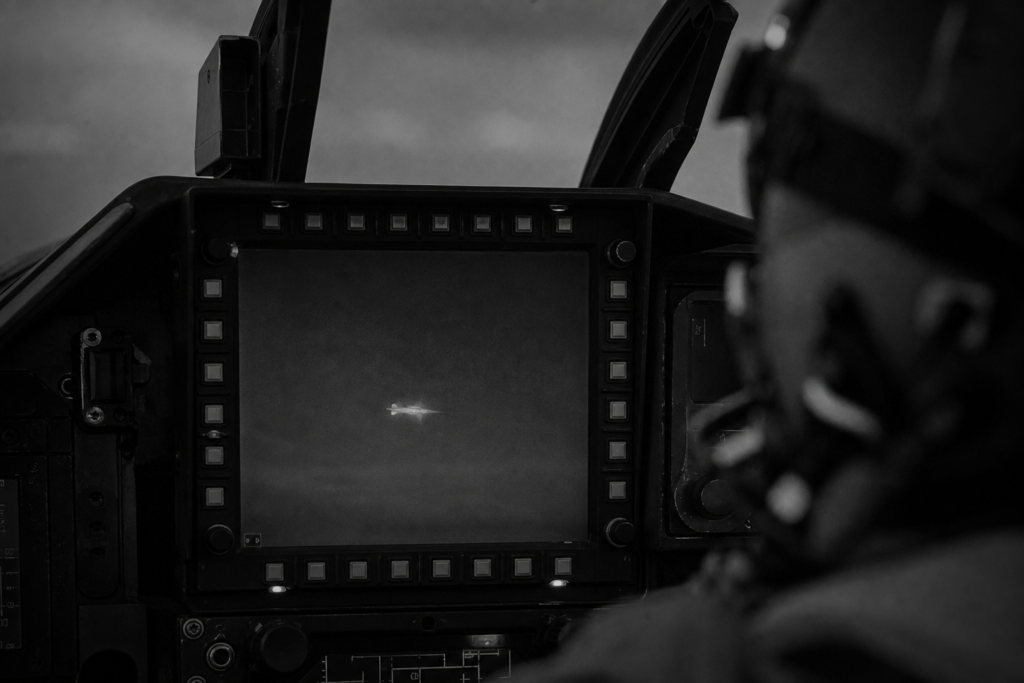
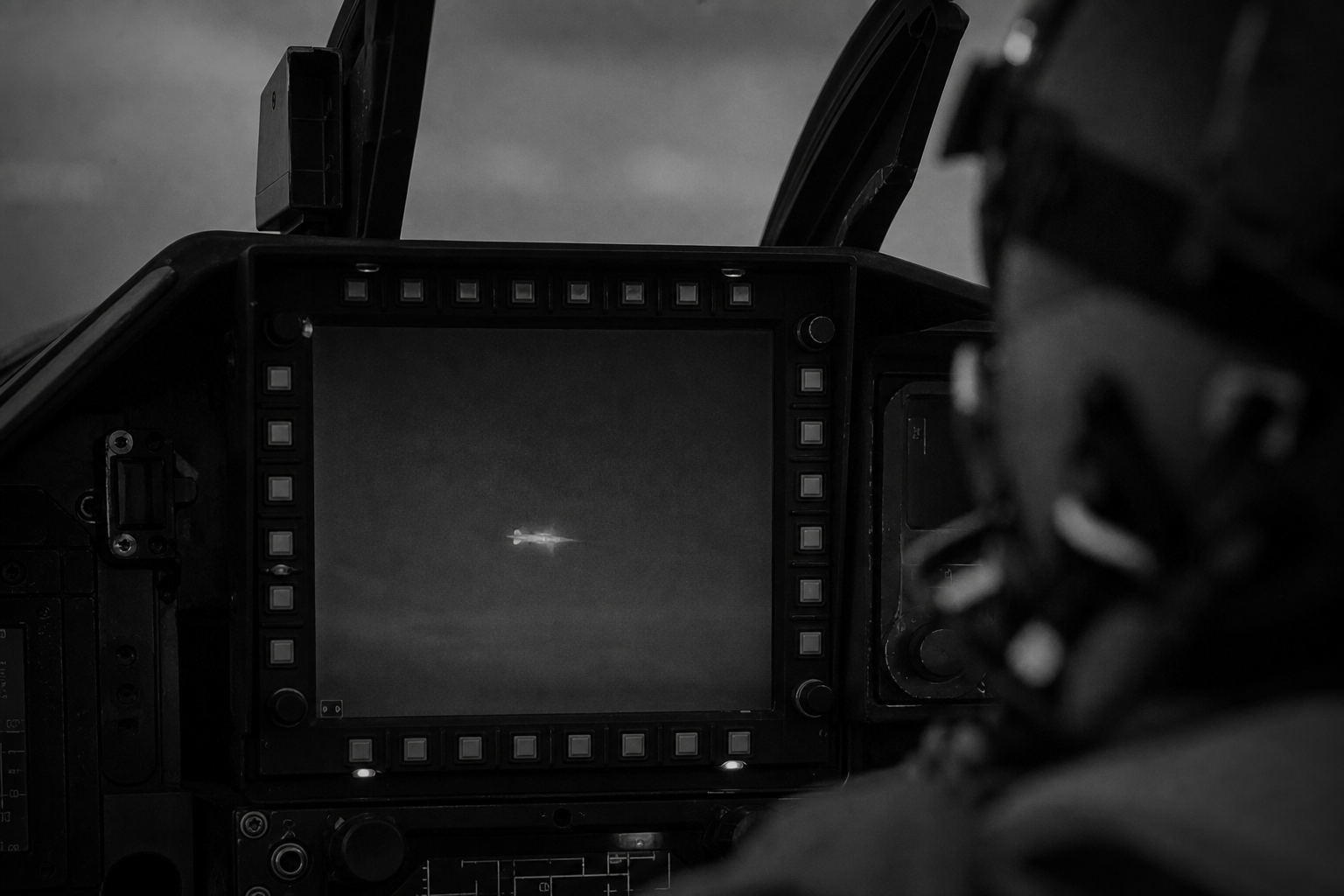
On April 27, 2020, the Department of Defense took an unusual step: it formally released three U.S. Navy videos that had already circulated publicly without authorization. The DoD declassified Navy UAP videos, commonly known as FLIR1, GIMBAL, and GOFAST, became part of an official public record, establishing that the clips were genuine Navy material and that their release had been authorized.
That confirmation was significant, but narrow. Authentication answers a provenance question: the footage came from military aircraft sensor systems rather than being fabricated or misrepresented as government video. It does not answer the separate identification question, what, precisely, the recorded objects were. The Pentagon did not declare that the objects were alien, extraterrestrial, non-human, or evidence of extraordinary technology.
This distinction governs the evidence. FLIR1 is infrared targeting-pod footage associated with the 2004 Nimitz events; GIMBAL and GOFAST are later Navy recordings from East Coast operations. Each clip preserves sensor imagery, cockpit audio, and limited operational context, but none supplies a complete, self-explanatory account of an object’s size, distance, speed, or origin. The sections that follow trace the formal release, distinguish the three videos, and separate documented facts from conclusions the available footage cannot establish.
What the Pentagon Formally Released in April 2020
Authorization was the operative checkpoint: the Pentagon placed the clips in an official release after acknowledging that they had previously circulated without authorization. Its April 27, 2020 statement identified the separate Navy recordings by their familiar names, FLIR1, GIMBAL, and GOFAST, and said publication would not reveal sensitive capabilities or systems while addressing public questions over whether the footage was real.
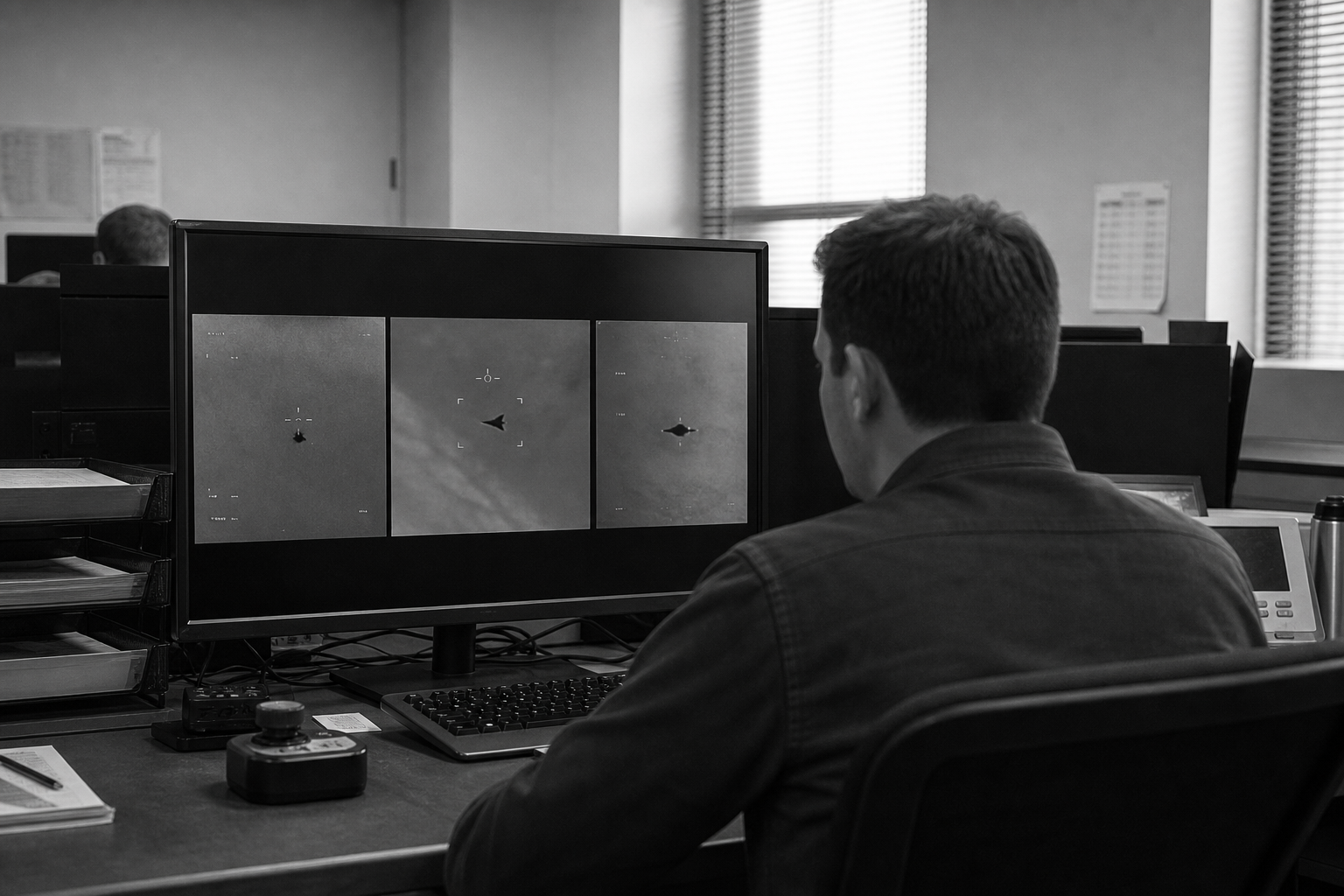
The package comprised distinct recordings, not one continuous encounter. FLIR1 is infrared footage associated with the November 2004 Nimitz-area events, with a heat-based sensor display and pilot radio traffic. GIMBAL is a January 2015 clip of an object against a cloud layer accompanied by aviators’ conversation; GOFAST, also from January 2015, tracks an object over water through a different sensor presentation. The labels identify individual video files, not a shared event or object type.
DoD characterized the aerial phenomena in the videos as “unidentified.” That left the identification question open: the Department authorized publication of genuine Navy-recorded footage but did not announce what any observed object was. The April 2020 release did not establish aliens, extraterrestrial craft, non-human technology, or the exclusion of every conventional explanation.
What “Authentic” and “Declassified” Meant, and What They Did Not Mean
For FLIR1, GIMBAL, and GOFAST, three questions remain distinct: whether the recordings came from Navy aircraft systems, whether DoD cleared them for public release, and what the crews had observed. In 2019, the Navy confirmed that the videos showed incidents Navy aviators had encountered and described the objects as unidentified aerial phenomena. That confirmation established the recordings’ military provenance; it did not supply an object identification.
“Authentic” is therefore a provenance finding, not a conclusion about performance or origin. It distinguishes official Navy material from fabricated imagery or a misattributed civilian recording. FLIR1’s infrared display and 2004-associated pilot audio, GIMBAL’s January 2015 cloud-layer view, and GOFAST’s separate January 2015 over-water tracking sequence are genuine records of sensor and cockpit data. None of those short clips alone provides all the measurements needed to settle an object’s speed, range, maneuvering, or physical nature.
“Declassified” is useful public shorthand, but DoD’s April 27, 2020 wording was more precise: the three videos had previously circulated without authorization and were authorized for official release after a review determined publication would not reveal sensitive capabilities or systems. That action changed the files’ public-disclosure status. It did not convert the Navy’s “unidentified” label into a finding of extraordinary technology, alien craft, extraterrestrial origin, or non-human origin.
The same limit applies to claims about UFO disclosure or a government cover-up. Officially releasing these three previously circulating Navy recordings is concrete evidence about these particular files and the Pentagon’s decision to publish them in 2020. It neither proves a broader concealment program nor disproves every allegation of one; those claims would require evidence beyond FLIR1, GIMBAL, and GOFAST.
FLIR1: The Nimitz-Associated Infrared Footage
The visual center of FLIR1 is a monochrome sensor display rather than an ordinary cockpit-window view. The clip is associated with the 2004 training-area events involving the USS Nimitz carrier strike group, a connection that places it in the broader episode later discussed publicly under the “Tic Tac” label.
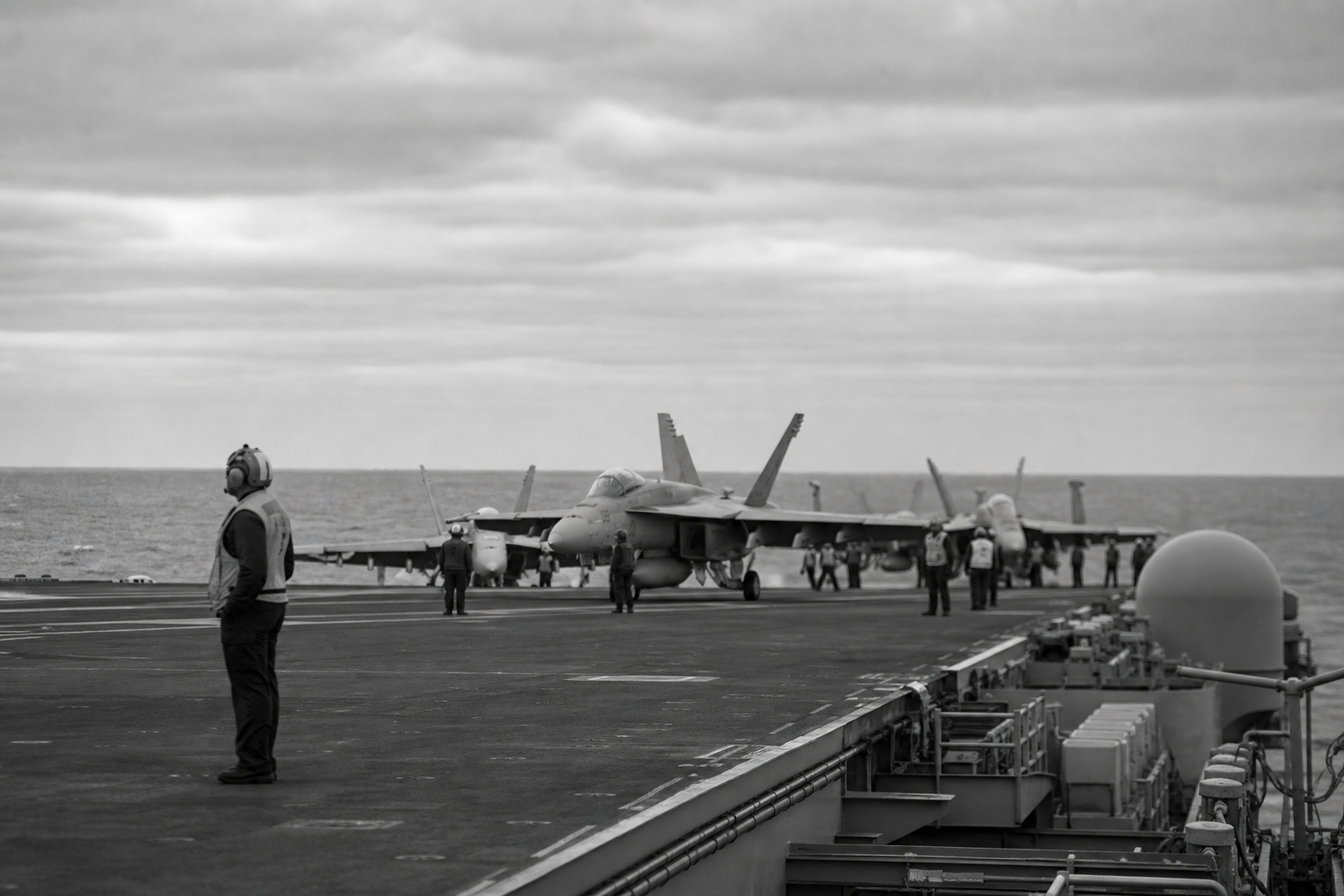
FLIR1 is infrared targeting-pod footage recorded from an F/A-18 Super Hornet system used by naval aviators. A targeting pod combines stabilized optics, infrared imaging, tracking functions, and aircraft data overlays so a crew can detect and follow a point of interest at range. Infrared imagery represents detected heat contrast, not natural-color appearance: a bright or dark shape on screen reflects the display mode and thermal relationship to its background, not necessarily the object’s surface color, size, or form.
That distinction matters when viewing the short recording. The crosshairs, changing zoom level, tracking behavior, and cockpit voices show an aircrew attempting to hold a sensor track; they do not, by themselves, supply a measured distance, independent size estimate, or complete flight path. Apparent movement in a pod video can depend on the aircraft’s own motion, the sensor’s field of view, the tracking system, and the changing viewing angle.
The phrase “Tic Tac” came from public accounts and reporting about the wider 2004 encounter, not from an object identification announced in the 2020 release. It is useful shorthand for the Nimitz-associated incident record, but it should not be treated as a technical description or a formal conclusion about what FLIR1 depicts. The clip documents a military sensor observation within that operational setting; interpretations that it establishes an extraordinary craft go beyond what the footage alone can resolve.
GIMBAL and GOFAST: What the Two Later Navy Clips Show
GIMBAL shifts the setting to East Coast naval aviation, where an F/A-18’s infrared targeting pod recorded a heat-contrast image of a distant target against the sky. Its cockpit audio captures aviators reacting to the track and discussing other contacts, including the remark, “There’s a whole fleet of them.” The voices establish that the recording was made during an active aircrew observation; they do not independently establish the target’s size, range, maneuvering performance, or identity.
The clip’s apparent rotation is especially easy to overread. An infrared pod is a stabilized, gimballed camera system: it can pivot to retain a line of sight as the aircraft changes position. What appears to rotate on screen may reflect a combination of target aspect, display processing, camera orientation, and the geometry of the track. GIMBAL therefore preserves a notable sensor event and crew reaction, but not a self-contained measurement of an extraordinary vehicle.
GOFAST belongs to the later East Coast material as well, but it presents a different visual problem: a small tracked object seems to move rapidly over the ocean. A short Navy aircraft sensor clip cannot settle its actual speed or distance on appearance alone. Those calculations require the aircraft’s position and motion, the camera’s viewing angle and field of view, a reliable range estimate, the target’s altitude, and wind data. A nearby object, a distant object, and an object moving with the wind can produce very different real-world explanations for similar apparent motion in the Go Fast video UAP footage.
For GOFAST specifically, the Pentagon’s 2020 action placed the Navy recording in an authorized public release and described the aerial phenomenon as unidentified. It did not publish an object identification, a verified speed calculation, or a finding that the target was alien, extraterrestrial, or non-human. The useful distinction is between a genuine military sensor record and conclusions that would require the fuller operational data absent from the clip.
Why the 2020 Release Was Important Even Though the Videos Were Already Public
The public timeline had three distinct stages, and collapsing them obscures what changed in 2020. To The Stars Academy published FLIR1 and GIMBAL in 2017 and GOFAST in 2018, putting excerpts from Navy sensor recordings into wide circulation before the Pentagon posted its own copies.
In September 2019, Navy representatives told several news organizations that the videos were authentic Navy recordings and described the observed objects as “unidentified aerial phenomena.” That acknowledgement narrowed a central provenance dispute: the clips were not presented merely as unattributed online material. It did not, however, adopt every conclusion drawn from the footage, its cockpit remarks, or accounts surrounding the encounters.
DoD’s April 27, 2020 action was the final administrative step. The department formally released FLIR1, GIMBAL, and GOFAST through an official channel, saying the videos had previously been released without authorization and that it had determined release would not disclose sensitive capabilities or systems. An authorized version differs from a prior public upload because it establishes which recordings DoD chose to place in the public record and on what disclosure basis.
That sequence gives each clip a clearer evidentiary setting: FLIR1 is the Nimitz-associated infrared recording, while GIMBAL and GOFAST are later East Coast Navy recordings. It does not turn the clips into official endorsements of a particular explanation. The 2020 DoD UAP videos release resolved the status of the footage and its public availability, not the identity, origin, or nature of the objects shown.
The Lasting Significance of the Release, and Its Evidence Boundaries
Its enduring value is methodological as much as historical: the 2020 release gave UAP news a fixed, official reference point against which stronger and weaker claims can be measured. It did not convert FLIR1, GIMBAL, or GOFAST into proof of an alien, extraterrestrial, or non-human object.
Later UAP Task Force work, AARO UAP reports, congressional testimony, whistleblower allegations, and proposed disclosure legislation belong to separate records. They may raise new questions or make new assertions, but they do not retroactively enlarge the finding attached to these three clips. A hearing statement is testimony; a whistleblower allegation is an allegation; legislation is a proposal or enacted legal text; neither is interchangeable with an officially released sensor recording.
A disciplined reading of any future UFO news starts with five checkpoints:
- Source: distinguish an official release from a media report, personal account, or social-media repost.
- Date: separate the time of an observation, the time a recording became public, and the time an agency commented on it.
- Sensor context: ask what instrument recorded the image and what information, such as range, angle, or environmental conditions, is absent from the public clip.
- Official wording: read whether an agency authenticated footage, authorized release, described a case as unidentified, or actually identified an object.
- Supported conclusion: treat raw footage as a record of what a sensor displayed, witness testimony as an account, analysis as an interpretation, and speculation as unproven unless the available evidence directly carries it.
That standard preserves the real significance of the 2020 event without asking three short Navy videos to answer questions they were never shown to resolve.
What the 2020 Release Established
A useful final test is to ask what the public record can carry without inference. It carries the April 27, 2020 decision to place FLIR1, GIMBAL, and GOFAST in an authorized public release after the videos had circulated without authorization. That action established their status as genuine Navy-recorded material; it did not supply an official answer to what the tracked objects were.
Each clip therefore has a distinct, limited evidentiary value. FLIR1 preserves infrared imagery connected to the Nimitz-associated events; GIMBAL records a heat-contrast target and aircrew reactions during later East Coast operations; GOFAST shows a tracked object whose apparent motion cannot, from the public excerpt alone, settle its speed or identity. A sensor display records a measurement and a track, not a complete reconstruction of distance, conditions, or object characteristics.
The DoD declassified Navy UAP videos matter because their provenance and release status are documented. “Unidentified” remains the operative conclusion for the observed phenomena, not a finding of alien, extraterrestrial, or non-human origin. Keeping official facts, interpretations of sensor imagery, and unanswered questions in separate categories preserves the footage’s significance without claiming more than the record establishes.
Frequently Asked Questions
-
Did the Pentagon confirm the FLIR, GIMBAL, and GOFAST videos are real?
Yes. The Department of Defense officially released FLIR1, GIMBAL, and GOFAST on April 27, 2020, confirming they were genuine Navy-recorded material that had previously circulated without authorization.
-
Did DoD say the objects in the Navy UAP videos were aliens?
No. DoD described the phenomena as unidentified and did not identify them as alien, extraterrestrial, non-human, or evidence of extraordinary technology.
-
What is the difference between the FLIR1, GIMBAL, and GOFAST Navy videos?
FLIR1 is infrared targeting-pod footage associated with the 2004 Nimitz events. GIMBAL and GOFAST are separate January 2015 East Coast Navy recordings, with GIMBAL showing a heat-contrast target near clouds and GOFAST tracking a small object over water.
-
Why can’t the GOFAST video prove how fast the object was moving?
A public sensor clip alone does not provide the measurements needed to calculate true speed. A reliable analysis requires aircraft position and motion, viewing angle, field of view, target range and altitude, and wind data.
-
What should you look for when evaluating Navy UAP video claims?
Check whether the source is an official release, distinguish the observation date from the release date, and identify what sensor data is missing. Authentication establishes that footage is genuine military material, while identifying an object requires evidence beyond a short video clip.