The Betty and Barney Hill UFO sighting remains compelling not because it resolves the question of extraterrestrial visitation, but because its story can be traced from a nighttime drive in New Hampshire to one of the most influential alleged-abduction narratives in UFO history. The Hills were returning from Canada when they reported seeing an unusual aerial object beginning on September 19, 1961; their experience extended into the early hours of September 20.
That initial event and the account later associated with it are not the same evidentiary category. A reported sighting concerns what the couple said they observed during their journey. The more extraordinary claim, that they were taken aboard a craft by nonhuman beings, emerged later through dreams, discussions of the episode, and psychiatric hypnosis sessions in 1964. Recollections produced under hypnosis may be personally meaningful, but they do not independently demonstrate that the events recalled occurred.
This article follows that distinction throughout: documented reports and chronology first, the Hills’ own later testimony next, and interpretations last. The Betty and Barney Hill case helped establish the template through which many subsequent abduction stories were understood, yet no publicly verified physical evidence establishes an extraterrestrial abduction. Its historical importance is therefore real even as its central claim remains unverified.
The Betty and Barney Hill Case: A Foundational but Unproven UFO Story
The date anchors the story more precisely than the later legend often does: the couple’s drive south from Canada toward Portsmouth, New Hampshire, began on September 19, 1961, and their reported experience continued past midnight into the early hours of September 20. Their account of an unusual object in the night sky belongs to the immediate episode, before the narrative acquired its later and more extraordinary features.
Those later elements require a different level of scrutiny. The Hills described distressing dreams, missing or uncertain portions of the trip, and, during psychiatric hypnosis in 1964, an alleged encounter with beings and a craft. Such details made the case a defining story in UFO history as books and media carried it to a wide audience. Yet personal testimony and memories elicited under hypnosis are not independent proof of their literal cause. No publicly verified evidence has established that an extraterrestrial abduction occurred.
What Happened on the Night of September 19, 1961
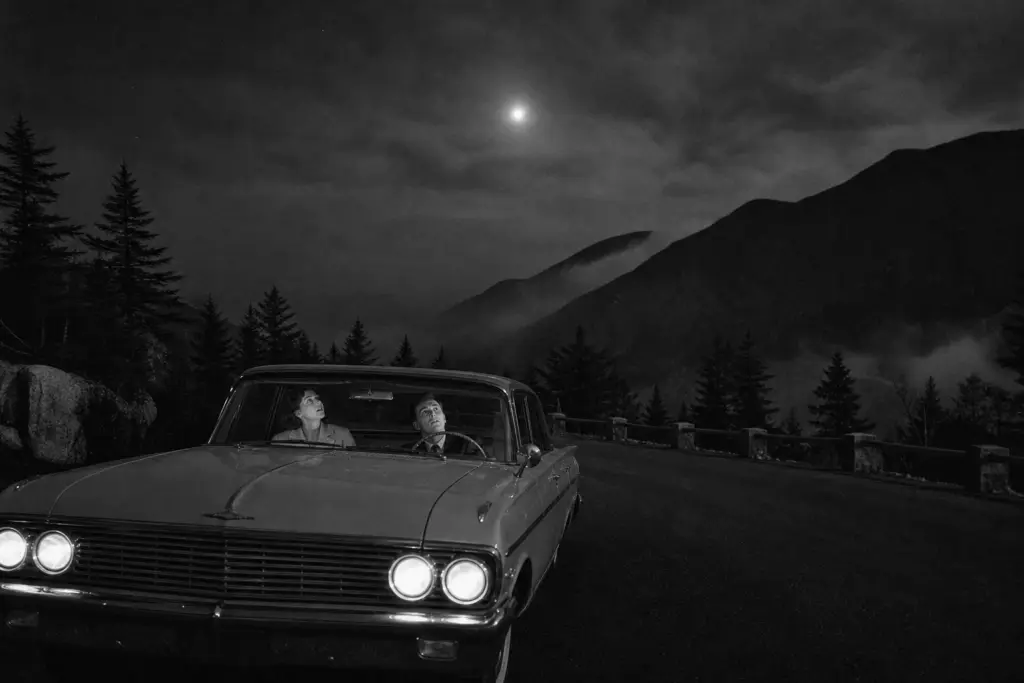
Franconia Notch is the key geographic checkpoint in the initial episode: the Hills later placed their southbound drive from Canada to Portsmouth, New Hampshire, through the White Mountains and this mountain pass on the night of September 19, 1961. The drive crossed midnight, so the same trip also ran into the early hours of September 20.
They described first noticing a bright light in the sky while driving. At first, it appeared distant and could be treated as an ordinary aerial light; as they continued along the road, however, they said its apparent position and movement changed. In their account, it seemed at times to move closer, shift direction, or pause in ways that drew their attention. Those are reports of how the light looked from a moving car, not a determination of what produced it.
Near Franconia Notch, Barney stopped the car and used binoculars to look more closely. He later described seeing a larger, bright object with a shape and apparent features he found difficult to reconcile with a conventional aircraft. Betty was also present for the observation but did not offer an identical account of every visual detail. The shared claim was that they saw an unusual light or object; the more elaborate visual interpretation rested largely on Barney’s binocular view.
The September 19, 1961 UFO sighting thus begins with a traceable drive and a reported aerial observation, not with a demonstrated identification. The Hills’ changing impressions of distance, motion, and form became central to the later story, but the roadside observation did not establish the object’s nature.
The Return Home: Missing Time, Physical Details, and Early Reports
At home in Portsmouth, the Hills concluded that the drive had taken substantially longer than they expected. This initial time discrepancy was an estimate based on their anticipated arrival, not a contemporaneous measurement of a precisely defined interval. The more elaborate “missing time” account associated with the case developed later, as both their recollections and the public narrative expanded.
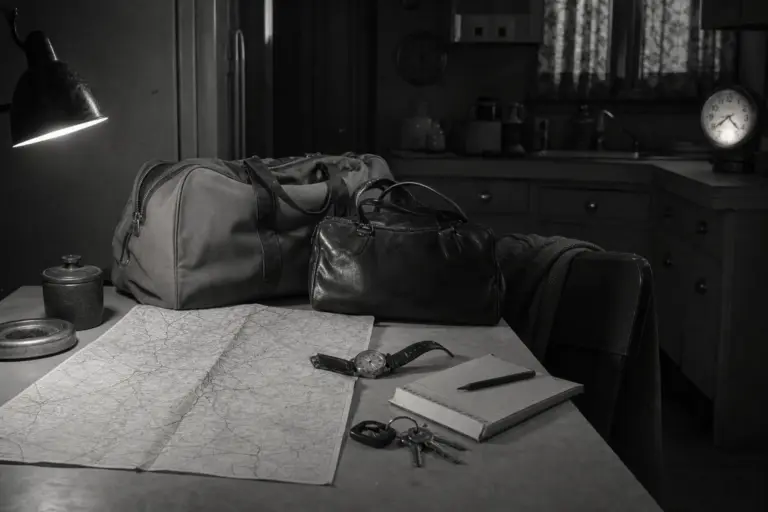
They also described details that unsettled them after the trip: Barney noticed scuffing on his shoes, while Betty reported tears and stains on her dress. These were personal observations of ordinary physical items, not independently verified evidence of how the damage occurred. Betty soon experienced anxiety and a series of vivid dreams that she connected to the night’s events; those dreams became important to the later alleged-abduction narrative but did not independently establish that an abduction had taken place.
Within days, Betty contacted Pease Air Force Base to report the aerial sighting, and the matter entered the Air Force reporting system later associated with Project Blue Book. That record documents that officials received and processed a UFO report; it is not an official finding that the Hills encountered an extraterrestrial craft. Their early reports preserve a contemporaneous account of an unusual observation and a troubling journey, while the cause of the timing discrepancy, clothing damage, and distress remained unverified.
How the Alleged Abduction Account Emerged Years Later
The narrative changed shape during psychiatric treatment in 1964, nearly three years after the September 1961 drive. Betty had already linked a series of vivid dreams to the encounter. In those dreams, she described being stopped by unfamiliar figures, taken into a craft, and examined. Dreams are contemporaneous to the period after the trip, but they are not contemporaneous records of what occurred on the road, and they did not provide independent confirmation of an abduction.
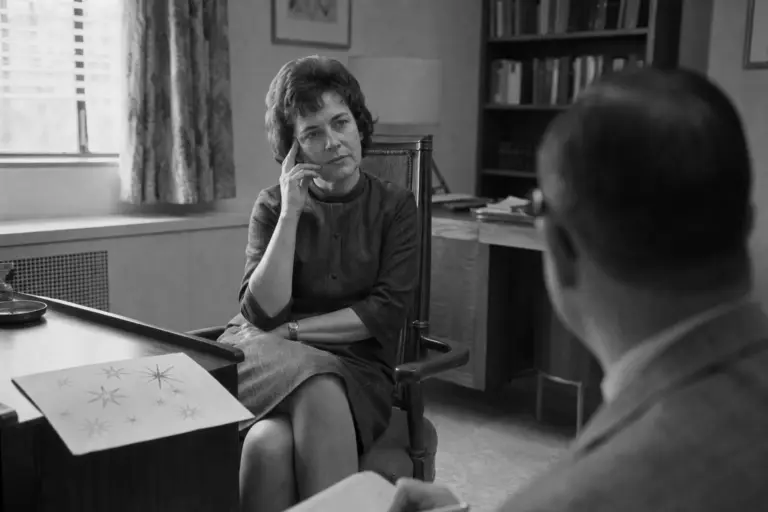
Dr. Benjamin Simon treated Betty and Barney separately and used hypnosis as part of their psychiatric work. Separate sessions matter because the Hills did not simply present one jointly rehearsed account in the consulting room: each gave a version of being stopped, escorted aboard a craft, and subjected to a reported examination. Betty’s hypnotic recollections expanded on themes already present in her dreams, including beings, an examination, and conversation with an apparent leader. Barney’s account also included fear, restraint, and a medical procedure, but it emerged through his own sessions and had differences in detail and emphasis.
Hypnosis can produce detailed, emotionally compelling recollections, yet detail and conviction do not turn a recalled scene into independently established history. The accounts of a craft, nonhuman beings, and examinations were therefore produced in 1964 rather than recorded during or immediately after the drive. That chronology is essential to evaluating the Betty and Barney Hill alleged abduction: the original report documented an unusual aerial sighting and a disturbing trip, while the extraordinary elements entered the record later through dreams and hypnosis-based testimony.
Those later narratives gave the case its lasting form and helped make it a model for subsequent UFO-abduction stories. They remain the Hills’ reported experiences, not publicly verified evidence that an extraterrestrial abduction occurred.
What Is Documented, What Is Unverified, and Why Hypnosis Is Contested
The strongest way to assess the record is to keep its evidentiary layers separate rather than treating every later detail as if it had been recorded on the night itself.
- Documented material includes the Hills’ 1961 journey, their report of an unusual aerial object, their later contact with Air Force channels, and the existence of Dr. Benjamin Simon’s 1964 treatment sessions. These establish that a report was made and that the couple sought help; they do not identify the object or establish what happened during the uncertain part of the drive.
- Firsthand claims include the Hills’ descriptions of the light, their disturbed reactions after returning home, and their belief that time had been lost. Such testimony is important evidence of what they experienced or believed, but it is not independent corroboration of its cause.
- Hypnosis-derived claims include the detailed account of being taken aboard a craft and examined. These recollections were produced years later in a clinical setting, not captured in a contemporaneous report, photograph, physical sample, or third-party observation.
- Interpretations include extraterrestrial visitation, a government UFO cover-up, and proposed mundane identifications of the light. The available record demonstrates none of those conclusions.
Hypnosis is contested because it can increase the vividness and confidence of a recollection without reliably separating an original memory from later imagination, inference, dreams, or suggestion. Memory suggestibility means that expectations, questions, and information encountered after an event can shape recall. Confabulation does not necessarily mean deliberate invention; it describes a person supplying coherent details without a dependable basis for their accuracy. Sincerity, therefore, is not the same as verification.
Conventional explanations have addressed portions of the experience: a celestial body or aircraft may account for an initially ambiguous light, fatigue and nighttime driving may affect distance and elapsed-time judgments, and ordinary wear could explain damaged clothing or shoes. Those possibilities do not conclusively resolve every reported detail. They do show why an extraordinary close encounter requires corroboration beyond later recollection. No publicly verified physical evidence establishes an extraterrestrial abduction or non-human intelligence in the Hills case.
The Zeta Reticuli Star Map and the Case’s Cultural Legacy
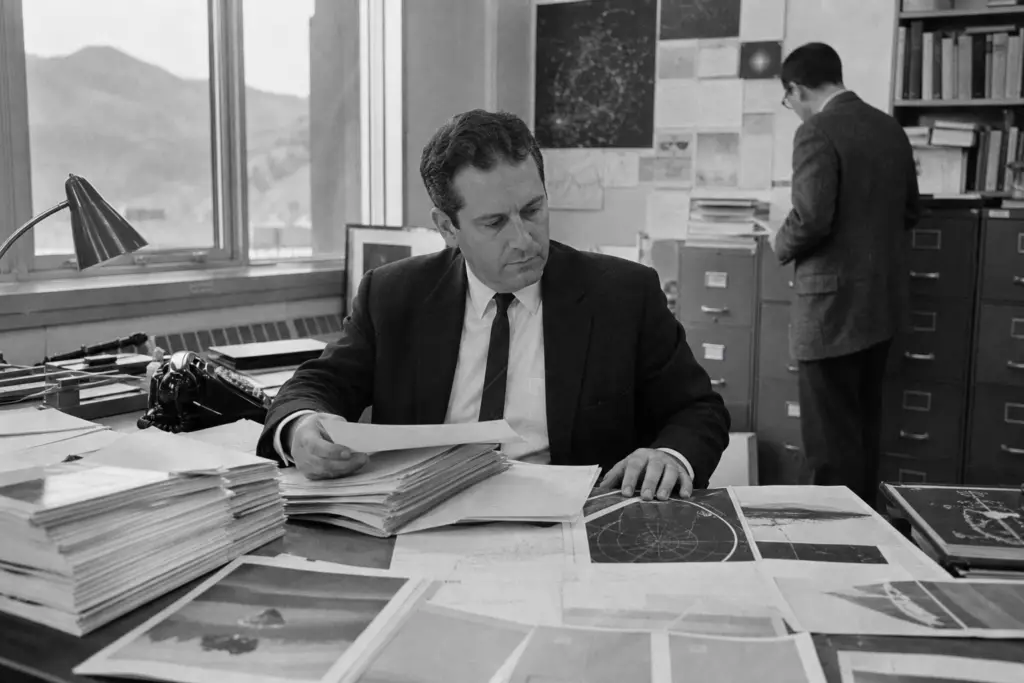
One of the most memorable later details was Betty Hill’s drawing of a star map, which she said she had been shown during the hypnosis-based account. In 1969, amateur astronomer Marjorie Fish compared the sketch with nearby stellar arrangements and proposed that its prominent stars represented Zeta Reticuli, a binary system roughly 39 light-years from Earth. For proponents of the extraterrestrial hypothesis, the proposed match seemed to give the otherwise personal narrative a specific astronomical reference: the map appeared to point to a possible origin rather than merely describe an unfamiliar craft.
That conclusion remains disputed. A simplified, hand-drawn pattern can be compared to many star groupings, while the map provided no scale, orientation, viewing position, or independently recorded astronomical information. The Zeta Reticuli map is therefore a retrospective interpretation of a recollection produced under hypnosis, not a testable navigation chart or confirmation of an alleged encounter.
Its cultural power was nonetheless substantial. John G. Fuller’s 1966 book The Interrupted Journey brought the Hills’ story to a wide audience and helped establish recurring features of later alleged-abduction narratives: missing time, medical examinations, nonhuman beings, recovered memories, and a cosmic point of origin. The case shaped public expectations about abduction accounts; that influence explains its prominence, but it does not transform the central claim into verified evidence.
A Lasting UFO Mystery, Not a Proven Abduction
The case endures because its record permits careful historical study without settling its extraordinary conclusion. The drive began on September 19, 1961, and continued into the early hours of September 20; the reported aerial observation, the later estimate of lost time, and the hypnosis-era account do not carry the same evidentiary weight.
A sound assessment starts with what was recorded close to the event, then separates it from later personal testimony and from interpretations built on recalled material. The Hills’ report and the story’s immense public influence make this a landmark in UFO history. Neither publicity, sincerity, nor a detailed narrative independently establishes that an extraterrestrial abduction occurred.
That distinction is useful when evaluating later UFO news or UAP sightings as well. A contemporaneous radar record, photograph with a known provenance, or independently corroborated observation is stronger than a memory that emerges years afterward; a compelling interpretation remains an interpretation until it can be tested. The Betty and Barney Hill UFO sighting is thus a lasting mystery, and an influential human story, not proven evidence of alien contact.
Frequently Asked Questions
What happened to Betty and Barney Hill on September 19, 1961?
Betty and Barney Hill reported seeing an unusual bright aerial object while driving from Canada toward Portsmouth, New Hampshire, through the White Mountains. Their trip continued past midnight into the early hours of September 20, and they later believed the drive had taken longer than expected.
Where did the Betty and Barney Hill UFO sighting occur?
The reported sighting occurred during the Hills’ southbound drive through New Hampshire’s White Mountains, particularly near Franconia Notch. Barney stopped the car near the pass and used binoculars to observe the bright object.
Did Betty and Barney Hill report missing time?
Yes. After arriving home in Portsmouth, the Hills concluded that their drive had taken substantially longer than expected, although the initial discrepancy was an estimate rather than a precisely measured interval. The more detailed missing-time narrative developed later.
What was the Zeta Reticuli star map in the Betty and Barney Hill case?
The Zeta Reticuli star map was a sketch Betty Hill said she had been shown during her hypnosis-based recollections. In 1969, Marjorie Fish proposed that the drawing represented the Zeta Reticuli binary system, roughly 39 light-years from Earth, but the proposed match remains disputed.
What evidence should you look for when evaluating the Betty and Barney Hill abduction claim?
Give greater weight to contemporaneous, independently corroborated evidence such as radar records, photographs with known provenance, physical samples, or third-party observations. The Hills’ detailed abduction account emerged during dreams and psychiatric hypnosis in 1964, and no publicly verified physical evidence has established an extraterrestrial abduction.